
Why is walking uphill harder than it looks? The energy math
Key takeaways
- Uphill walking adds a second job: lifting your whole body against gravity with every step, on top of moving forward.
- At a 15% incline, walking reaches 7 to 10 METs, which counts as vigorous exercise, burning roughly 450 kcal per hour for a 60 kg person.
- Steeper grades recruit the glutes, hamstrings, and calves far more than flat walking, and small grades raise effort fast.
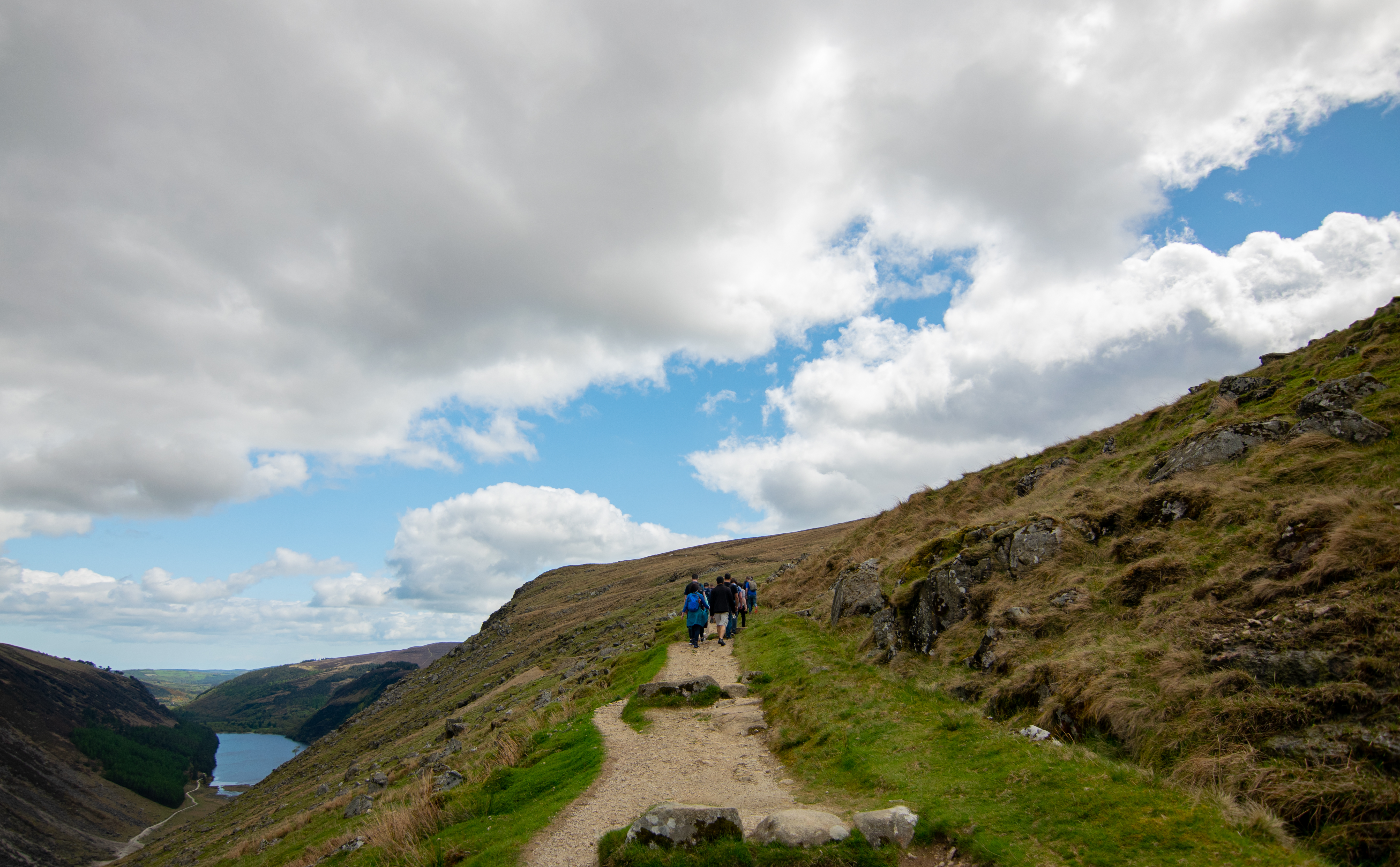
Walking uphill is harder than it looks because each step does double work.
On flat ground, your legs mostly move you forward. On an incline, they also lift your entire body weight upward against gravity, step after step after step. The hill may look gentle, but the physics is not.
This article breaks down the gravity penalty, the surprising energy numbers behind incline walking, how muscles shift into higher gear, and why the effort ramps up faster than most people expect.
The gravity penalty on every step
"Earth's gravitational field is always pulling us toward the center of the Earth, and our feet have to exert an equal and opposite force to keep us upright," writes Victoria Miluch for Indiana Public Media. That is true standing still, and it is true walking on flat ground.
An incline adds a new tax. "When we walk up an incline, along with all the effort we're exerting to walk forward, we're also lifting our bodies against gravity," Miluch explains. It is the same reason climbing stairs exhausts you while descending barely registers: going up means overcoming gravity, and going down lets gravity help.
Biomechanics research backs this up. A review in the European Journal of Applied Physiology notes that during uphill locomotion, the body must produce more positive mechanical work to lift its center of mass with each step, driven by greater force from the rear leg during push-off.
The energy numbers are startling
The metabolic cost of a grade rises much faster than intuition suggests. Using the standard American College of Sports Medicine walking equation, the writer at LipedemaScience calculates that walking at a 15 percent incline at about 3.5 km/h demands roughly 25 ml/kg/min of oxygen, or a little over 7 METs. Push the pace to 4 to 5 km/h and the demand climbs toward 8 to 10 METs.
For context, exercise above 6 METs is conventionally classified as vigorous physical activity. A treadmill may label it "walking," but your cardiovascular system is doing vigorous work.
Translated into calories, 15 percent incline at 3.5 km/h comes to about 7.5 kcal per kilogram of body weight per hour. That works out to roughly 450 kcal for a 60 kg person, about 525 kcal at 70 kg, and around 675 kcal at 90 kg. These are estimates from the prediction equation rather than lab measurements, but the scale of the jump from flat walking is the point.
How uphill walking compares to running
The famous 12-3-30 treadmill workout gives a useful lab comparison. People walked at a 12 percent gradient at 3 mph (about 4.8 km/h) for 30 minutes, and researchers matched it against self-paced treadmill running at equal energy expenditure.
The incline walkers burned roughly 308 kcal in 30 minutes; the runners burned about 310 kcal. Running was more time-efficient, using about 13.1 kcal per minute versus 10.2 for the incline walk, but the totals landed in the same neighborhood.
A separate study found that walking at a 20 percent incline produced perceived exertion comparable to level-grade jogging at similar energy expenditure, as reported by Business Upturn. In other words, at steep grades the body cannot tell much difference between "walking" and "jogging" in terms of effort.
Your muscles work a different job uphill
Grade does not just raise the heart rate. It rewrites which muscles do the work.
Compared with level walking, the hip extensors and calf muscles must contribute more to propel the body upward. That is why a steep treadmill walk produces such noticeable burn in the glutes, hamstrings, and calves compared with a flat walk at the same speed, as LipedemaScience notes.
This extra muscular demand is also why incline walking pairs well with zone 2 cardio goals: it raises aerobic demand without the impact of running, letting you accumulate real cardiovascular work at a walking pace.
Individual variation is enormous, though. One person may chat comfortably at a 15 percent grade while another hits a very high heart rate at half that incline. Breathing, heart rate, and perceived exertion tell the true story of how hard you are working, not the treadmill's gradient display.
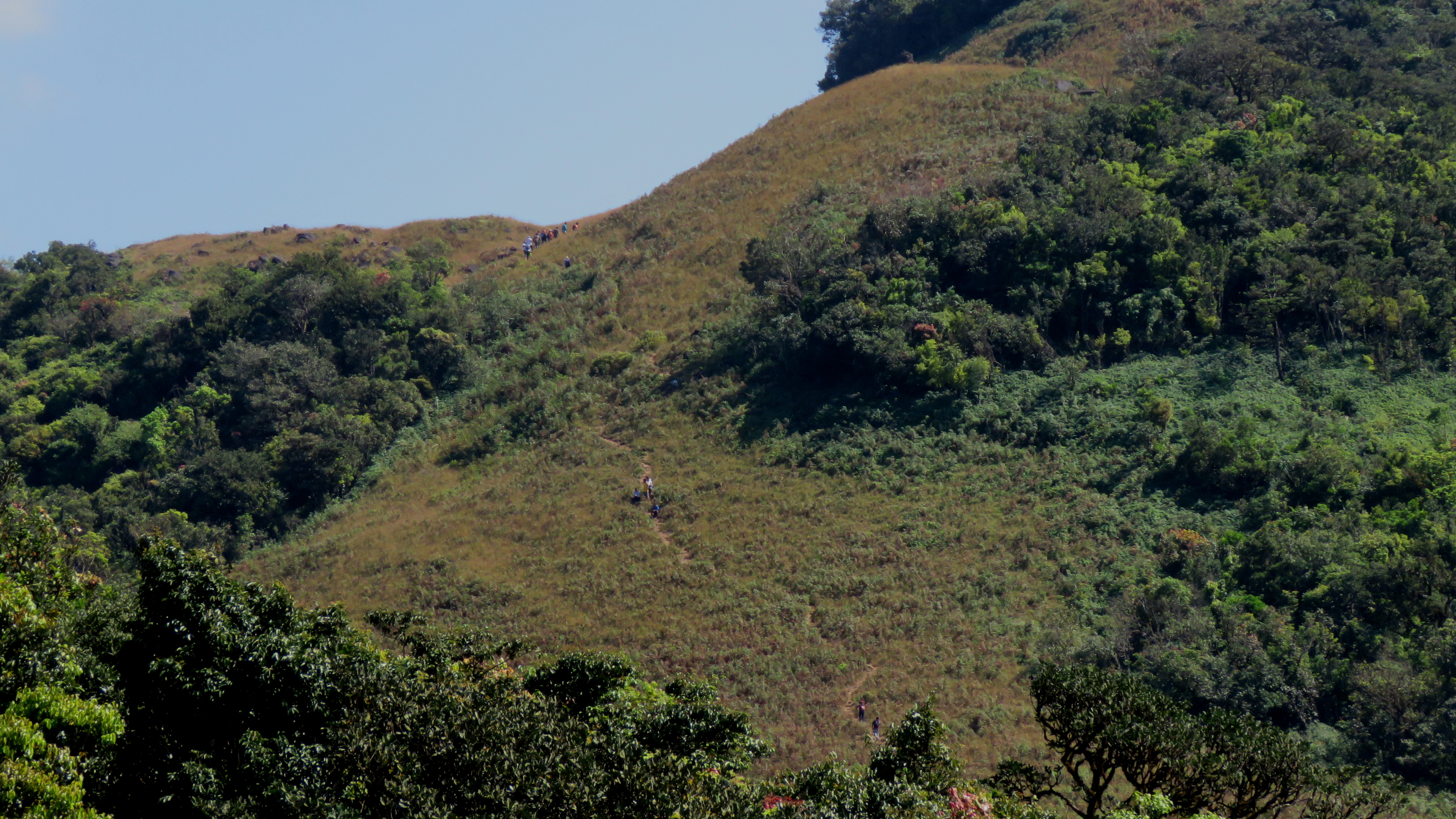
Why it feels harder than the distance suggests
Part of the surprise is perceptual. Distance is visible; cumulative vertical gain is not.
Ten minutes on a flat path feels like ten minutes of walking. Ten minutes uphill can leave you gasping, which feels out of proportion until you count the lifting.
Research on the walk-to-run transition shows the body senses this load directly: as gradients steepen, walkers naturally switch to running at lower speeds because walking becomes mechanically inefficient. Your body is telling you the grade has crossed a threshold.
This is also why heart rate stays elevated after a hilly walk longer than after a flat one of the same distance. The total work was simply greater.
Training uphill without overdoing it
The steepness that makes uphill walking effective also demands respect. Start with modest grades and build over weeks. Shorten your stride, lean slightly forward from the ankles rather than the waist, and drive through the glutes.
If you are using incline walking for fitness, treat grade like any training variable: progress it gradually. A walker who jumps straight to 15 percent often discovers the next day that the calves have opinions.
The bottom line
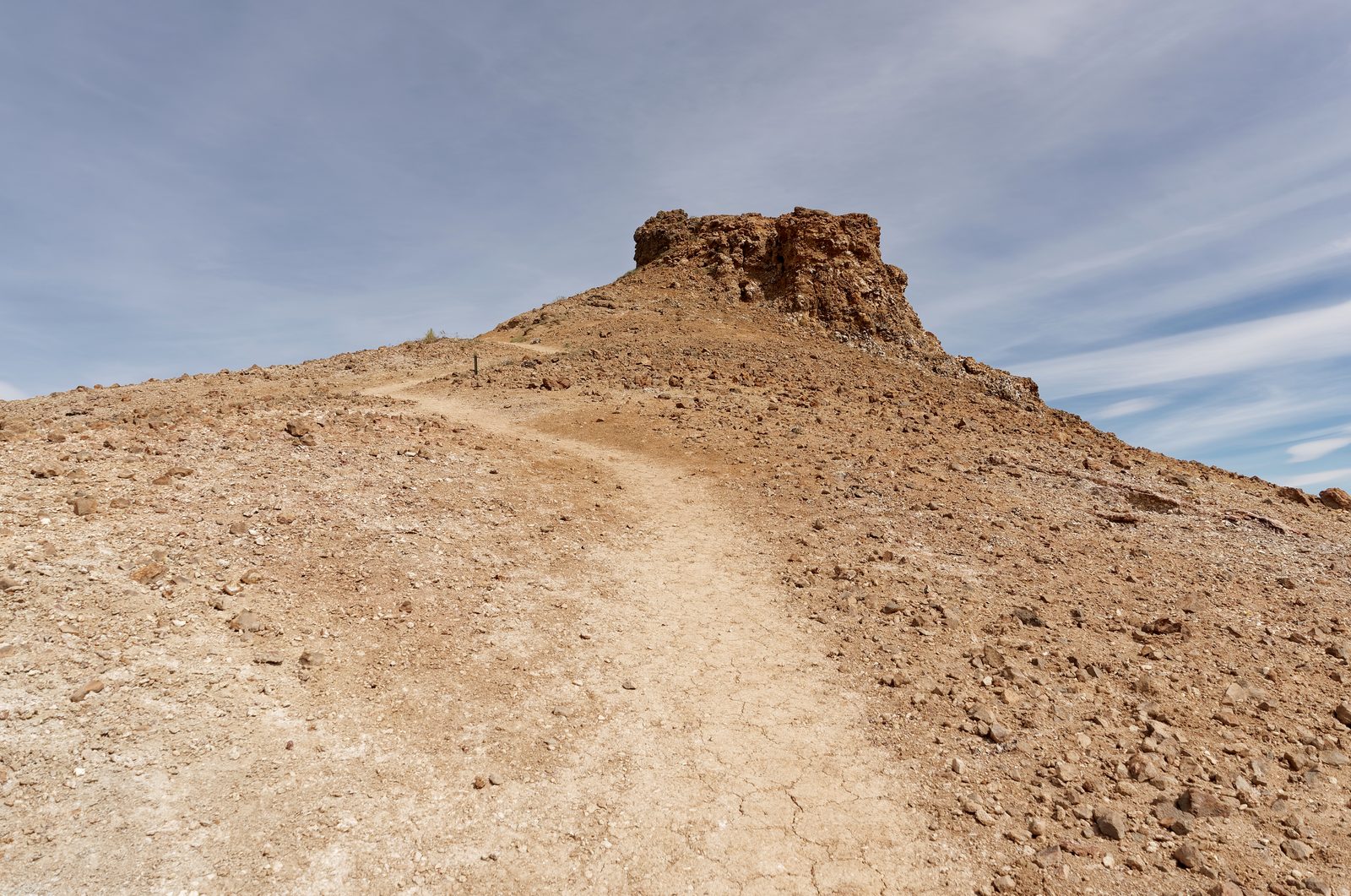
Walking uphill is harder than it looks because gravity turns every step into a small lift of your full body weight. The energy math is blunt: a 15 percent grade converts an easy stroll into vigorous exercise at 7-plus METs and several hundred calories per hour. Respect the grade, progress it like any training load, and the hill becomes one of the most efficient cardio tools you own.
By Rive News, Research desk. Rive News publishes plain-language explainers built from named sources and verified facts.
Latest in Fitness
- What Is Zone 2 Cardio and Why Is It Popular?
- Why Does Your Heart Rate Stay Elevated After Exercise?
- What Is VO2 Max in Simple Terms, and Why Runners Care About It
- Why Do Your Lungs Burn in Cold Air When Running?
Get one clear fitness explainer in your inbox each week. Subscribe to the Rive News newsletter.
Related stories

How long does it really take to build noticeable muscle?
Strength gains start in week one, but visible muscle takes 8-12 weeks for most beginners. What the Oklahoma CT-scan study measured,

Why you feel dizzy after a workout: the 5 common causes
Post-workout dizziness usually comes from a blood pressure dip, dehydration, or low blood sugar. The numbers behind each cause, and when

Why Do Knees Hurt When Squatting but Not Running?
Knees hurt when squatting but not running because deep bends multiply force on the kneecap. Learn the mechanics, common causes, fixes,