
Why muscles feel weaker the day after a hard workout
Key takeaways
- Next-day weakness is normal. Muscles recover strength in two phases, dipping again around 24 hours after hard exercise.
- The main drivers are tiny damage to muscle fibers, a 24-hour inflammatory response, and a nervous system that cannot fully activate tired muscles.
- Refuel, hydrate, sleep, and move lightly. See a doctor if urine turns dark or weakness does not fade within several days.

Muscle weakness after a workout is the temporary drop in the force a muscle can produce once a session ends. It is different from soreness, although the two often arrive together. Soreness is pain and tenderness. Weakness is the shaky, heavy feeling when a muscle cannot quite do what it did yesterday.
This weakness does not always appear right away. Many people feel fine when they leave the gym. Then they wake up the next morning noticeably weaker. This article explains why strength drops the day after a workout. It covers what happens inside the muscle fibers, why the dip peaks around 24 hours, how the nervous system and fuel stores contribute, and how to recover safely.
This article is for general information only, not medical advice. See a health professional if weakness is severe or persistent.
What is actually happening inside your muscles
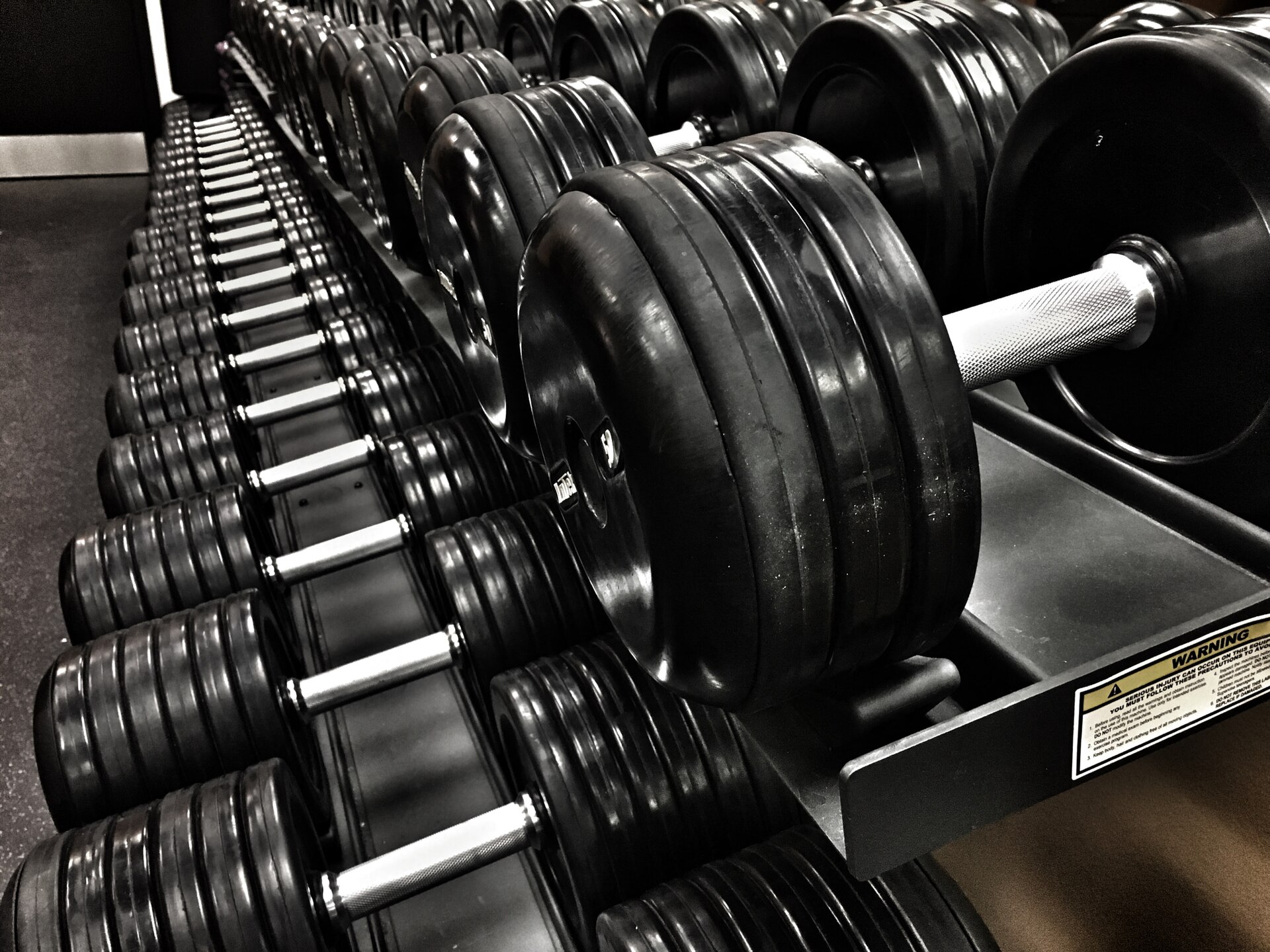
Hard exercise causes microscopic damage to muscle fibers. This happens most with the kind where a muscle lengthens under load. Lowering a dumbbell during a biceps curl is one example. Walking downhill is another. Lowering into a squat is a third. This is called eccentric loading. It is the strongest trigger of next-day symptoms.
This micro-damage sets off a repair response. White blood cells move into the exercised muscle. Fluid builds up. The area becomes tender, stiff, and temporarily weaker. That sequence is called delayed onset muscle soreness (DOMS). It typically appears 24 to 72 hours after unfamiliar or intense activity, according to exercise physiology summaries.
One old myth deserves to die here: lactic acid is not the culprit. Lactic acid clears from muscles within hours, not days. Medical Xpress reported this in a September 2026 summary of fatigue research.
If your legs feel weak the next afternoon, lactate is long gone. The inflammatory repair process is what you are feeling. For more on the confusion, see why lactic acid gets blamed for soreness even though it clears within the hour.
Why strength dips twice: the 24-hour drop
Strength does not simply fall and then climb back in a straight line.
A classic study tested 10 women. They performed 300 eccentric repetitions of the right quadriceps. MacIntyre and colleagues published it in the Journal of Applied Physiology in 1996. They measured torque at intervals up to 72 hours. They found that eccentric torque fell right after exercise and then dipped again at 24 hours. The authors called this two-phase pattern bimodal. DOMS peaked at the same 24-hour mark.
This matters because the second dip is the one most people notice. You recover somewhat in the hours right after training. You feel roughly normal by evening. Then the strength drop returns the next day as inflammation peaks. White blood cell presence in the exercised muscle was much greater than in the unexercised leg in the first 24 hours (P < 0.001). This points to acute inflammation as the driver of that second wave.
The same study's conclusion is worth keeping in mind. The bimodal pattern supports the idea that more than one mechanism is involved. Immediate weakness and next-day weakness are partly different processes.
The nervous system is part of the story
The muscles are only half the machinery. The brain and spinal cord send the signals that tell muscles to contract. Hard exercise temporarily reduces the nervous system's ability to fully activate them. Researchers call this central fatigue.
Inside the muscle, contraction depends on tiny electrically charged particles called ions. Exercise disturbs these ions. That affects the muscle's ability to contract and produce force, even when the nervous system is trying its best. As the Medical Xpress summary put it, this ionic disruption may explain why people feel their muscles are depleted and fatigued after a workout.
Central fatigue also helps explain why weakness can feel out of proportion. A muscle that looks fine can underperform simply because the signal driving it is temporarily muted. The good news is that this is reversible and brief. It resolves with rest, food, and sleep.
Fuel, fluids, and electrolytes
Muscles store carbohydrates from food as glycogen. Long or demanding sessions drain these stores. Low fuel adds to the flat, empty feeling in trained muscles the next day.
Sweating adds another cost. Fluid loss reduces blood volume and performance. Lost electrolytes such as sodium matter for keeping muscles and nerves working normally. Dehydration alone can make ordinary activity feel harder, even without muscle damage.
Beginners feel the combination most. Their bodies are not used to the activity. So damage, soreness, and weakness hit harder.
Experienced lifters are not exempt. A regular runner trying heavy weights for the first time can wake up just as sore and weak as a newcomer. The muscles involved are unfamiliar with the workload.
The body adapts quickly, though. A 2023 review found less soreness and better preserved performance after a second bout of muscle-damaging exercise. Researchers call this the repeated bout effect.
How to recover, and when to worry
Most next-day weakness is normal. It fades within several days. Simple recovery habits cover most of it. Eat enough, with carbohydrates and protein. Drink water and replace electrolytes after sweaty sessions. Get 7 to 9 hours of sleep, which supports the repair process. Move lightly. An easy walk or gentle mobility work can loosen stiff muscles. Sleep plays a measurable role in muscle recovery.
Knowing the difference between soreness and injury matters too. Soreness is dull, widespread, and improves with light movement. Sharp pain in one spot, swelling, or weakness that gets worse instead of better are different signals. If you are unsure, read the comparison in muscle soreness versus injury before deciding whether to train through it.

One red flag is rhabdomyolysis, a severe muscle injury from excessive exercise. Warning signs include urine that looks dark or bloody, extreme swelling, and weakness so profound you cannot straighten a limb days after training.
Health Daily News, citing physician commentary, describes it as muscle cell death releasing toxins into the bloodstream. This can threaten the kidneys. It is rare, but it is a same-day medical emergency if it happens.
This is general information, not a diagnosis; see a doctor promptly if these signs appear.
FAQ
How long does post-workout weakness last?
Usually 2 to 4 days. Strength dips right after training, partly recovers, then dips again around 24 hours as inflammation peaks. Both phases typically resolve within several days with rest, food, and sleep.
Does being weak the next day mean the workout worked?
Not necessarily. Weakness signals that the muscles faced unfamiliar stress and are repairing. That leads to adaptation. But you can get stronger and fitter with little soreness once your body is used to an exercise. Weakness is not a required badge of progress.
Should I train when my muscles still feel weak?
Light activity is fine and often helps stiffness. Avoid another hard session on the same muscles while they are still weak and sore. A fatigued muscle is more vulnerable to injury. Train different muscle groups or wait until strength mostly returns.
Is lactic acid causing my next-day weakness?
No. Lactate clears from muscles within hours of exercise. The weakness you feel a day later comes from micro-damage, the inflammatory repair response, and temporary nervous-system fatigue. Not leftover lactic acid.
The bottom line
Muscles feel weaker the day after a hard workout because repair is underway. Damaged fibers are being rebuilt. Inflammation peaks around 24 hours and temporarily cuts strength. The nervous system cannot fully drive tired muscles. It is a normal, short-lived part of getting stronger. Refuel, rehydrate, sleep, and keep moving gently. If weakness comes with dark urine, extreme swelling, or pain that worsens instead of fading, see a doctor without delay.
---
Topics: muscle recovery, DOMS, strength training, exercise science, workout recovery
Rive News is a research desk publishing evidence-checked explainers on everyday questions.
Latest in Fitness
- Why do muscles hurt days after a workout
- Why lactic acid gets blamed for soreness even though it clears within the hour
- How sleep affects muscle recovery, scientifically
- Muscle soreness versus injury: how to tell
Get one evidence-checked explainer like this in your inbox each week. Subscribe for the weekly roundup.
Rive News applies a standards desk: claims carry sources, corrections are published with timestamps, and no story is invented. Copyright 2026.
Related stories

How long does it really take to build noticeable muscle?
Strength gains start in week one, but visible muscle takes 8-12 weeks for most beginners. What the Oklahoma CT-scan study measured, and the

Why you feel dizzy after a workout: the 5 common causes
Post-workout dizziness usually comes from a blood pressure dip, dehydration, or low blood sugar. The numbers behind each cause, and when to

Why Do Knees Hurt When Squatting but Not Running?
Knees hurt when squatting but not running because deep bends multiply force on the kneecap. Learn the mechanics, common causes, fixes, and w