
Why Do Muscles Look Bigger Right After Lifting?
Key takeaways
- The post-workout pump is transient hypertrophy: fluid swelling, not new muscle tissue.
- Blood flow to working muscles can rise 15 to 20 times resting levels during hard sets.
- The visible size boost typically fades within 30 to 90 minutes as fluid balance normalizes.
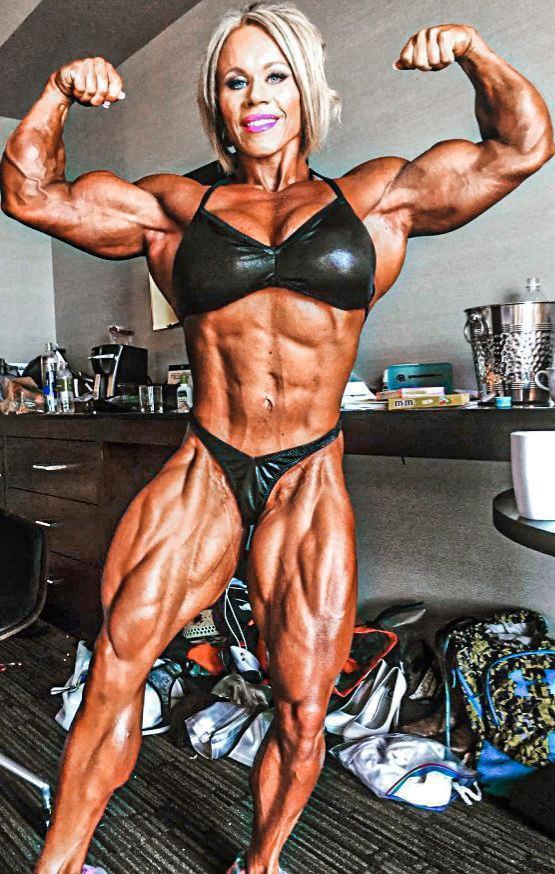
Finish a hard arm session, catch your reflection, and your biceps look like they grew overnight. The veins stand out, the muscles feel tight as drums, and the mirror is suddenly very flattering. Then, an hour later, the magic is mostly gone.
That temporary inflation has a name in exercise physiology: the pump, or transient hypertrophy. It is real, it is measurable, and it is not muscle growth. This article explains why muscles look bigger right after lifting, including the blood-flow mechanics, the fluid shifts inside muscle cells, how long the effect lasts, and whether chasing the pump actually builds muscle, plus answers to common questions.
What the pump actually is
The pump is a rapid, short-lived increase in muscle size caused by fluid accumulation, not by new tissue. Physiologists call it transient hypertrophy to distinguish it from true hypertrophy, the structural addition of contractile proteins that takes weeks and months of training.
Two linked events create it. First, intense contractions compress the veins draining the working muscle while arteries keep delivering blood at high pressure.
Blood gets pumped in faster than it can leave, so plasma pools inside the tissue and seeps from capillaries into the spaces around muscle fibers. This vascular congestion is sometimes called reactive hyperemia, and local blood flow can climb 15 to 20 times above resting levels.
Second, the muscle cells themselves swell. Hard anaerobic work generates metabolic byproducts such as lactate and inorganic phosphate.
These dissolved particles act as osmolytes, creating a concentration gradient that draws water from the surrounding fluid directly into the muscle cell. The cell physically distends, pressing outward against its membrane, which produces the tight, full feeling lifters know well.
The combined result in a heavily worked muscle group is a temporary circumference increase of roughly 1 to 2 centimeters. Measurable, visible, and entirely fluid.
Why the effect is so short-lived
The pump starts fading the moment the last set ends. With contractions stopped, veins reopen, pooled blood drains, and the body begins clearing the accumulated metabolites. As the osmotic gradient eases, water leaves the cells and fluid balance normalizes.
Most of the visible effect disappears within 30 to 90 minutes. Some lifters notice residual fullness for a few hours, especially after high-volume sessions, but by two to three hours there is typically no noticeable difference from the pre-workout state.
Several variables stretch or shrink that window. Hydration matters most, since water is the main component doing the swelling; a dehydrated lifter gets a weaker pump. Training style matters too: high volume, moderate weight, and short rest intervals maximize metabolite buildup and keep the osmotic gradient alive longer.
Fuel status plays a role as well. Carbohydrates stored as muscle glycogen bind water inside the cell, roughly three to four grams of water per gram of glycogen. A well-fed lifter with full glycogen stores will look fuller than the same lifter training depleted, pump or no pump.
Does the pump build muscle?
This is where gym lore and physiology part ways. The pump itself is a signal, not the main driver of growth. Lasting muscle growth comes primarily from mechanical tension: the force placed on fibers by progressively heavier loading, which triggers protein-building pathways including mTORC1.
That said, the pump is not meaningless. The cellular swelling that causes it stretches the cell membrane, and that mechanical stretch is thought to activate anabolic signaling pathways related to long-term adaptation. Metabolic stress, the buildup of metabolites behind the pump, is also recognized as one of the three classic stimuli for hypertrophy, alongside mechanical tension and muscle damage.
So the honest summary is layered. Chasing the pump with endless light sets will not build much muscle on its own.
But the swelling and metabolite buildup that create the pump appear to support the growth process when combined with heavy, progressive training. The pump is the applause, not the performance, yet the performance that earns applause is usually a good one.
This also explains why some people build muscle faster than others: genetics, training history, nutrition, and consistency dominate, while pump-chasing is a minor variable.
How to get a bigger pump safely
If you enjoy the effect, train for it intelligently. Use moderate weights for higher repetitions, typically in the 10 to 20 range, with rest periods of 30 to 60 seconds. The goal is sustained metabolite buildup, which short rests preserve.
Stay hydrated before and during the session, and eat carbohydrates in the hours beforehand so glycogen stores are full. Both directly increase the fluid available for the swelling effect.
Keep form strict. The pump rewards continuous tension, so controlled lowering phases and full ranges of motion beat heaving heavier weights with momentum. Your joints will appreciate the difference too.
Skip the gimmicks. Extreme dehydration tricks, excessive sodium manipulation, and untested pre-workout cocktails promise a better pump at real cost to health and performance. A proper warm-up to prepare your muscles and sensible programming deliver the effect without the risk.
FAQ
How long does the muscle pump last?
Typically 30 to 90 minutes, with some residual fullness lasting up to a few hours after high-volume sessions. By two to three hours post-workout, there is usually no visible difference left.
Is the pump a sign of a good workout?
It is a sign of metabolic stress and blood flow, which are useful but incomplete indicators. A heavy low-rep strength session may produce little pump yet drive excellent long-term gains. Judge workouts by progressive performance over weeks, not by the mirror afterward.
Why do my arms look smaller the morning after?
Overnight, fluid balance fully normalizes, glycogen partially depletes, and muscles sit at their true resting size. Morning flatness is normal and says nothing about your progress. Track strength numbers and measurements taken under consistent conditions instead.
Can you get a pump without weights?
Yes. Any repeated muscular contraction under load creates the same blood-flow and metabolite dynamics: push-ups, resistance bands, cycling sprints, even carrying groceries up stairs. The physiology does not care what the resistance is made of.
The bottom line
Muscles look bigger right after lifting because blood pools in the tissue and metabolic byproducts pull water into the cells, a temporary swelling called the pump. It fades within hours and is not muscle growth by itself, though the swelling may support the signals that drive growth. Train progressively, eat and hydrate well, and let the pump be a pleasant side effect rather than the goal.
Latest in Fitness
- Why do some people build muscle faster than others?
- Why do legs feel heavy during a run?
- Does warming up actually prepare your muscles?
- Why does your heart rate stay high after you stop exercising?
Get one practical training explainer like this every morning. Subscribe to the Rive News newsletter.
Image Credits: Wikimedia Commons / Fbbcraze, Nenad Stojkovic, Wellcome Collection
Related stories
How long does it really take to build noticeable muscle?
Strength gains start in week one, but visible muscle takes 8-12 weeks for most beginners. What the Oklahoma CT-scan study measured,
Why you feel dizzy after a workout: the 5 common causes
Post-workout dizziness usually comes from a blood pressure dip, dehydration, or low blood sugar. The numbers behind each cause, and when
Why Do Knees Hurt When Squatting but Not Running?
Knees hurt when squatting but not running because deep bends multiply force on the kneecap. Learn the mechanics, common causes, fixes,