
Why Does Poor Sleep Wreck Your Workout Performance?
Key takeaways
- One night of 50 percent sleep loss cut peak sprint power by 17 to 25 watts in university athletes.
- Interrupted sleep damaged next-day performance more than the same hours lost by going to bed late.
- A 90-minute nap after a short night restored sprint power and lowered muscle-damage markers.
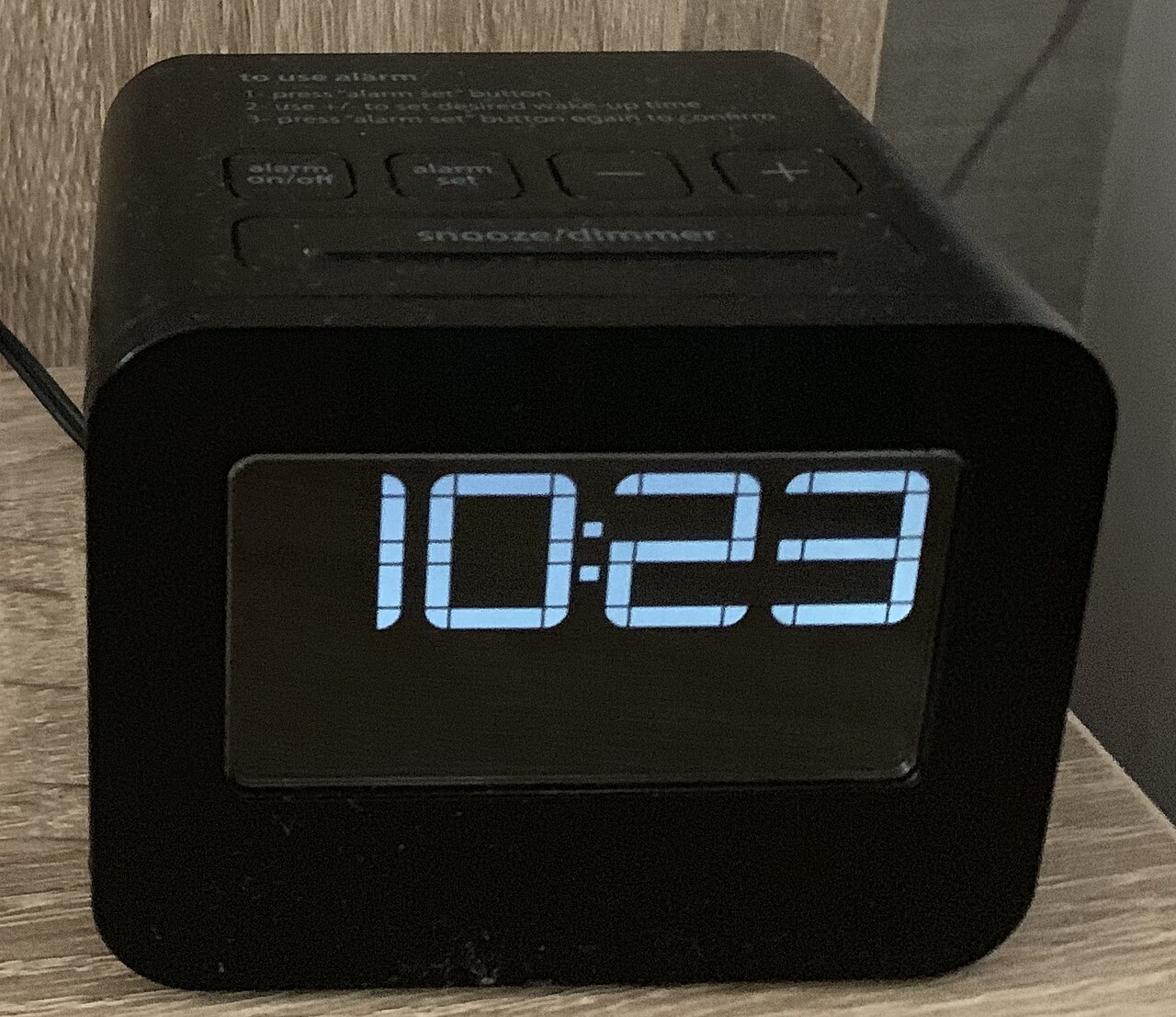
Poor sleep means getting less sleep, or worse sleep, than your body needs to recover. For anyone who trains, the cost shows up fast: the same weights feel heavier, sprints slow down, and motivation drains before the warm-up ends.
The surprise is that the damage starts before you feel truly exhausted. Research shows measurable power loss after a single short night, even when athletes report feeling only mildly tired.
This article takes a closer look at poor sleep and workout performance, including what the studies found, how sleep loss changes the body during exercise, the warning signs in your training, and practical ways to recover, plus answers to common questions.
What the studies found
A 2025 study in Frontiers in Sports and Active Living tested 16 university team-sport athletes across three nights: normal sleep, 50 percent sleep loss from going to bed late, and 50 percent loss from being woken mid-sleep. The next morning each athlete completed ten 8-second all-out cycle sprints separated by 52 seconds of recovery.
Peak power fell in both sleep-loss conditions compared with normal sleep. The drop was 17 watts after a late bedtime and 25 watts after interrupted sleep.
Average power across all ten sprints fell 14 watts in the interrupted-sleep condition. Reaction time, interestingly, did not differ between conditions.
The researchers concluded that one night of halved sleep acutely impairs repeated sprint ability, and that broken sleep is more damaging than the same total hours lost by staying up late. Total time asleep was equal in the two restricted conditions, yet the interrupted group performed worse.
Earlier work points the same way. Skein and colleagues found that 30 hours of total sleep deprivation impaired intermittent sprint performance and muscle glycogen stores in male team-sport athletes. The 2025 authors note that such extreme protocols have limited real-world relevance, which is why the single-night, half-sleep design matters more for regular trainees.
How naps change the picture
If the night is already lost, a nap can claw back a surprising amount of performance. Romdhani and colleagues tested 9 male judokas after partial sleep deprivation with no nap, a 20-minute nap, or a 90-minute nap. Sleep loss cut maximum, mean, and minimum sprint power, and it raised blood markers of muscle damage while lowering antioxidant defense.
Both naps improved maximum power compared with no nap. Only the 90-minute nap also restored mean and minimum power, reduced the muscle-damage marker aspartate aminotransferase, and raised the antioxidant enzyme glutathione peroxidase. Sleepiness scores fell after both nap lengths, and the 20-minute nap shortened multiple-choice reaction time.
A separate 2007 study in the Journal of Sports Sciences found similar rescue effects from a short afternoon nap. Ten men slept only from 23:00 to 03:00, then either napped or sat quietly from 13:00 to 13:30.
The nap group ran 20-meter sprints in 3.878 seconds versus 3.971 seconds without the nap, with better alertness, memory, and reaction accuracy. Grip strength did not change.
The pattern across studies is consistent: sleep loss hits repeated high-intensity efforts hardest, and even brief daytime sleep partially reverses the damage.
How sleep loss changes the body during a workout
Muscle fuel is one casualty. Glycogen, the stored carbohydrate muscles burn during hard efforts, replenishes more slowly when sleep is restricted, which helps explain why repeated sprints fade faster the morning after a short night.
Perceived effort rises too. The same pace or load simply feels harder, so athletes quit sets earlier or slow down without realizing their actual capacity has changed. This is why a bad night can turn a routine session into a grind.
Motor learning also runs on sleep. Movement patterns practiced during the day get consolidated overnight, especially during REM sleep, and athletes with consistent sleep execute those patterns more automatically under pressure. A disrupted night can leave technique feeling rusty.
Hormones shift as well. Growth hormone, which supports tissue repair, peaks during deep sleep, while the stress hormone cortisol can run higher after short nights. The net effect is a body that is less repaired, less fueled, and less coordinated than the training plan assumes.
If your heart rate stays elevated after exercise longer than usual, that can be another signal that recovery is incomplete, though heat, dehydration, and illness cause the same sign.
Signs poor sleep is hurting your training
The clearest sign is load feeling heavier than the log says it should. Weights you handled easily last week feel glued to the floor, and your legs feel heavy during a run at paces that used to feel easy.
Sprint and interval times slipping by a few percent without any change in programming is another red flag. One slow session means little, but a week of declining numbers alongside short nights tells a story.
Rest periods stretch out. You need longer between sets to feel ready, and the readiness never fully arrives.
Technique breaks down earlier than usual. When coordination fades before the muscles do, suspect the nervous system, which is exactly what sleep deprivation hits first.
Soreness lingers. With repair processes blunted overnight, normal sessions produce abnormal next-day stiffness.

How to protect performance when sleep is short
Keep a consistent sleep schedule first. A fixed wake time matters more than a perfect bedtime, because it anchors your circadian rhythm even on imperfect nights.
Use naps strategically. Twenty to thirty minutes boosts alertness and reaction speed without grogginess, while 90 minutes covers a full sleep cycle and restores more power, according to the judoka study. Nap early in the afternoon so it does not steal the next night.
Adjust the session instead of skipping it. Swap max-effort testing for technique work, moderate cardio, or mobility. A proper warm-up to prepare your muscles matters even more when the nervous system is under-slept.
Fuel and hydrate normally, and keep caffeine away from the afternoon. A pre-workout stimulant can mask fatigue for one session while making the next night worse, which compounds the problem.
Do not chase personal bests on four hours of sleep. Testing strength or speed in a depleted state produces misleading numbers and raises injury risk, since tired athletes move worse under load.
FAQ
How much sleep do athletes actually need?
Most sports-medicine guidance lands at 8 to 10 hours per night for athletes in heavy training, well above the 7 to 9 hours recommended for non-athletes. The gap between what athletes need and what they get is where much avoidable performance loss lives.
Does one bad night really matter?
For repeated sprints and power output, yes. The 2025 study showed 17 to 25 watt drops in peak power after a single night of halved sleep. Endurance and single maximal efforts appear less sensitive, but anything requiring repeated high output suffers.
Can a nap fix a bad night of sleep?
Partly. A 90-minute nap restored sprint power and improved muscle-damage markers in sleep-deprived judokas, and a 30-minute nap improved 20-meter sprint times in another trial. Naps blunt the damage; they do not fully replace a full night.
Should I train hard or go easy after poor sleep?
Go easy or moderate. Light cardio, technique drills, and mobility work are all reasonable. Skip max testing, heavy singles, and high-volume sprint work until sleep normalizes, since coordination and judgment fade before strength does.
The bottom line
Poor sleep wrecks workout performance mainly by cutting repeated-effort power, raising perceived exertion, and slowing overnight repair. One short night is enough to show up in the numbers. Protect the sleep schedule first, use a 20 to 90 minute nap as a backup, and train moderately until the deficit clears.
Latest in Fitness
- Why your heart rate stays elevated after exercise
- Why legs feel heavy during a run
- Does warming up actually prepare your muscles?
- Why your ears pop during intense exercise
Get one practical training explainer like this every morning. Subscribe to the Rive News newsletter.
Image Credits: Wikimedia Commons / Tbatb, Knites
Related stories
How long does it really take to build noticeable muscle?
Strength gains start in week one, but visible muscle takes 8-12 weeks for most beginners. What the Oklahoma CT-scan study measured,
Why you feel dizzy after a workout: the 5 common causes
Post-workout dizziness usually comes from a blood pressure dip, dehydration, or low blood sugar. The numbers behind each cause, and when
Why Do Knees Hurt When Squatting but Not Running?
Knees hurt when squatting but not running because deep bends multiply force on the kneecap. Learn the mechanics, common causes, fixes,