
Why Is Protein Important After a Workout: The Window, the Dose, and What Matters Most
Key takeaways
- Protein after training supplies amino acids (protein building blocks) your muscles use to repair and rebuild, a process called muscle protein synthesis.
- The famous 30-minute "anabolic window" is mostly myth: muscles stay responsive to protein for at least 24 hours after a workout.
- What predicts growth best is total daily intake, roughly 1.4 to 2.0 grams of protein per kilogram of body weight.
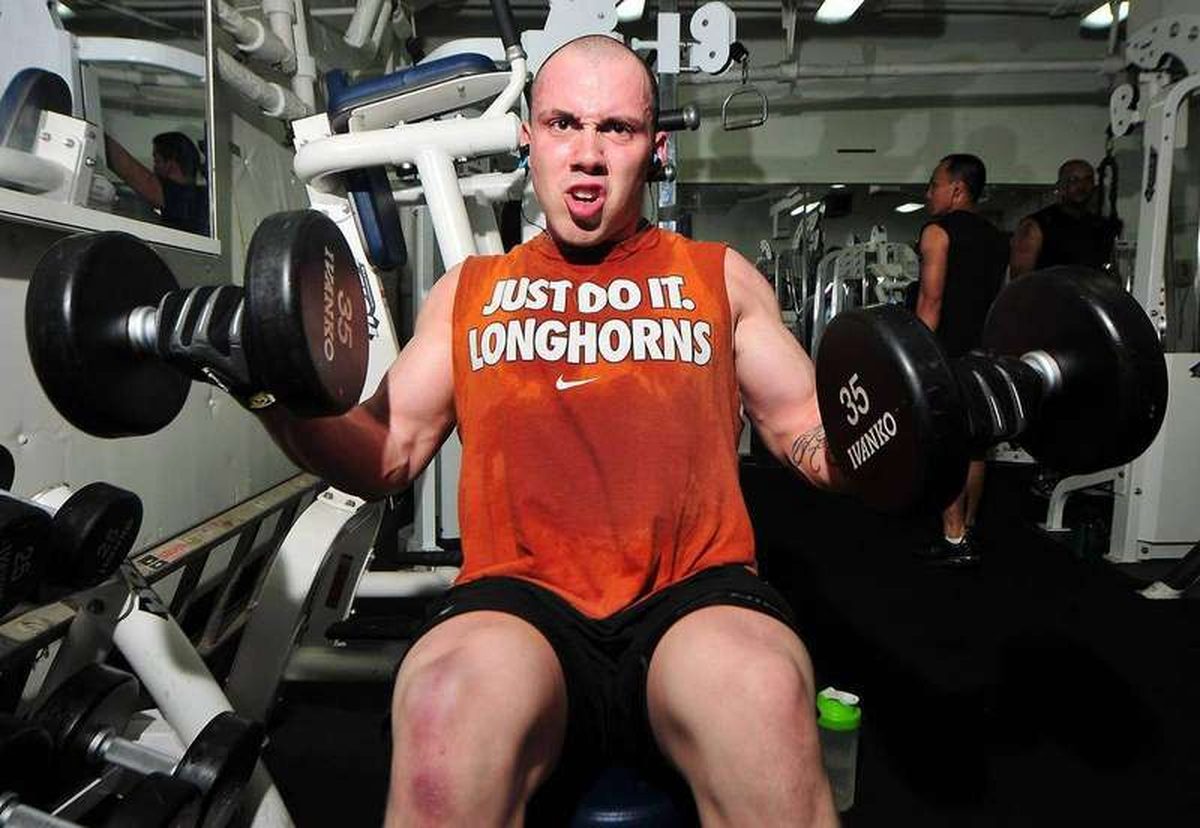
A sailor performs dumbbell curls during a workout. Strength training turns on the muscle-building machinery that protein then supplies. Photograph: U.S. Navy/Wikimedia Commons
Image Credits: Wikimedia Commons
Protein is one of the three macronutrients (main nutrient groups), and it is the raw material your body uses to build and repair tissue. After a workout, especially strength training, your muscles carry tiny amounts of damage that need rebuilding, and protein provides the amino acids that do that repair work.
Eating protein after exercise matters because training and protein work together. Exercise switches on the muscle-building machinery, and protein gives that machinery the building blocks it needs. Neither one does its best work alone.
This article explains why protein matters after a workout, including what happens in your muscles when you train, what the science really says about the "anabolic window," how much protein you actually need, and practical ways to get it in.
What happens in your muscles when you train
Resistance training creates tiny damage in muscle fibers. Your body responds by ramping up muscle protein synthesis, the process of stitching amino acids into new muscle tissue. This is the change that, over weeks and months, makes muscles bigger and stronger.
Protein intake stimulates that same process. According to the International Society of Sports Nutrition (ISSN) position stand on protein and exercise, published in 2017 in the Journal of the International Society of Sports Nutrition, resistance exercise and protein intake are synergistic (they boost each other): each stimulates muscle protein synthesis, and the combo does more than either alone.
"Protein is the most important ingredient in sports nutrition and for muscle health," Ralf Jäger, PhD, the lead author of that position stand, told NutraIngredients when the paper was published.
The key point is that building muscle is not a one-meal event. Muscle protein synthesis rises after training and stays elevated for a long time. The post-workout meal is one feeding chance in a much longer process, not a make-or-break moment.
The "anabolic window": myth vs. reality
For years, gym lore insisted you had 30 to 45 minutes after your last rep to drink a protein shake, or the workout was wasted. The research tells a calmer story.
A 2013 meta-analysis by Schoenfeld and colleagues pooled 23 trials and first found that protein taken within one hour after training had a small advantage for muscle growth over protein delayed by two hours or more. But when the researchers adjusted for total daily protein intake, that timing advantage nearly disappeared. The groups differed in how much total protein they ate (about 1.7 versus 1.3 grams per kilogram per day), and that difference, not the timing, explained the results.
The authors concluded that total protein intake was the strongest predictor of muscle growth, and that protein timing likely influences hypertrophy (muscle growth) to a lesser degree.
A later trial tested the window directly. In a 2017 study by Schoenfeld, Aragon and colleagues, 21 trained men ate 25 grams of protein either right before or right after training for 10 weeks. Strength, muscle size, and body composition changed similarly in both groups, leading the authors to conclude the window for protein intake may be as wide as several hours, depending on when the pre-workout meal was eaten.
The ISSN position stand lands in the same place. It notes that the muscle-building effect of exercise lasts a long time, at least 24 hours, while the exact best moment to eat protein likely comes down to individual tolerance and routine. A practical takeaway from the position stand: if you ate a normal protein-containing meal within a few hours before training, the urgency of eating right after drops to near zero.
How much protein actually matters
Timing gets the headlines, but amount and spread do the heavy lifting. The ISSN position stand recommends 1.4 to 2.0 grams of protein per kilogram of body weight per day for most exercising people who want to build or keep muscle. For a 75-kilogram lifter, that is 105 to 150 grams per day.
Per-meal dose matters too. The position stand suggests 0.25 grams of high-quality protein per kilogram per meal, or roughly 20 to 40 grams in absolute terms, with 700 to 3,000 milligrams of the amino acid leucine per dose. Spreading these doses evenly across the day, every 3 to 4 hours, appears to work better than loading most of your protein into one giant dinner.
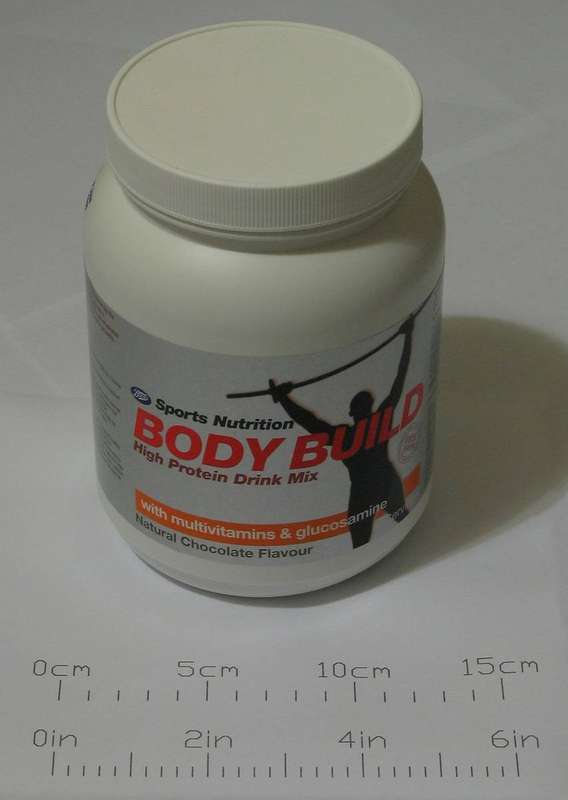
A high-protein drink mix is a convenient option, but whole foods hit the same targets. Photograph: Mike1024/Wikimedia Commons
Image Credits: Wikimedia Commons
Quality counts as well. Animal proteins and soy are complete proteins, meaning they contain all the essential amino acids (the ones your body cannot make). Most other plant proteins are short on one or more essential amino acids, which is why the position stand stresses combining sources across the day if you eat mostly plants.
One more timing note that does have solid support: protein before sleep. The ISSN review found that eating protein before bed increases overnight muscle protein synthesis and, over 12 weeks of resistance training, improves muscle size and strength gains. A slow-digesting protein at bedtime, such as casein or Greek yogurt, is a reasonable habit.
Practical ways to get your protein in
Start with food you already eat. A palm-sized portion of chicken, fish, or lean beef carries 25 to 35 grams of protein.
Two eggs plus a cup of Greek yogurt gets you to about 30 grams. A cup of cooked lentils gives roughly 18 grams, and pairing it with rice or bread rounds out the amino acid profile.
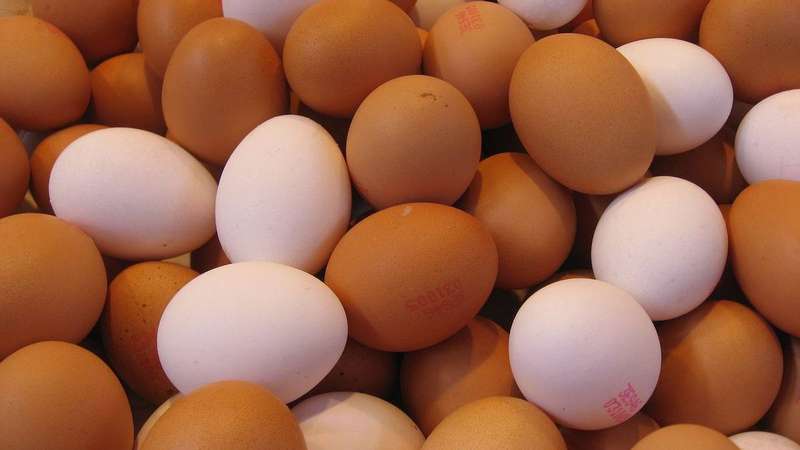
Eggs contain all nine essential amino acids, making them one of the simplest post-workout protein sources. Photograph: 16:9clue/Wikimedia Commons
Image Credits: Wikimedia Commons
Use the workout as a meal anchor, not a deadline. Plan a real meal with protein within a couple of hours on either side of training.
If you train first thing in the morning on an empty stomach, eating soon after is more sensible. If you trained at 6 p.m.
after a protein-rich lunch, there is far less urgency.
Keep a backup for busy days. Whey, casein, or a plant blend mixed with water or milk delivers 20 to 25 grams in under a minute. Supplements are not magic, they are simply the fastest way to close a gap in your daily total.
Track the day, not the hour. If your daily intake sits in the 1.4 to 2.0 grams per kilogram range and your meals are spread out, you have covered the factors that the research says matter most. The shake-chugging sprint to the locker room is optional theater.
Frequently asked questions
Do I need a protein shake within 30 minutes of training?
No. The strict 30-minute window is not backed by the evidence.
Muscles stay sensitive to protein for at least 24 hours after training, according to the ISSN position stand, and a 2017 trial found pre- and post-workout protein produced similar gains over 10 weeks. A normal meal within a few hours of training covers you.
How much protein should I eat per day if I lift weights?
The ISSN recommends 1.4 to 2.0 grams per kilogram of body weight per day for building or keeping muscle mass. Someone weighing 75 kilograms would aim for 105 to 150 grams daily, spread across three to four meals of 20 to 40 grams each.
Is plant protein good enough after a workout?
It can be, with a little planning. Soy is a complete protein comparable to animal sources.
Other plant proteins tend to be lower in one or more essential amino acids, so combine sources (beans with rice, hummus with whole-grain bread) or simply eat a larger serving. The position stand notes that leucine content, 700 to 3,000 milligrams per dose, is the detail worth watching.
Can I skip post-workout protein if I ate before training?
Yes, if that meal contained protein and happened within a few hours of your session. The ISSN position stand explains that a pre-workout meal supplies amino acids during and after exercise, which reduces the need for immediate post-exercise feeding. The post-workout meal still counts toward your daily total, but it is not urgent.
The bottom line
Protein after a workout matters because it gives your muscles the amino acids they need to repair and grow after training. The old 30-minute window is overstated: what the research actually supports is hitting 1.4 to 2.0 grams of protein per kilogram each day, spread across meals of 20 to 40 grams, and getting protein in somewhere around your training. Eat the meal, skip the panic.
Topics: protein, muscle growth, post-workout nutrition, strength training, sports nutrition
Rive News is the research desk of this publication, covering evidence-based explainers across fitness, parenting, gardening, career, and education.
Related stories
- How Much Screen Time Is OK for Toddlers: AAP Rules and the Evidence
- What Does NPK on Fertilizer Actually Mean: Nitrogen, Phosphorus, and Potassium
- How to Ask for a Raise With Data, Not Emotions
- Why Do I Blank Out During Tests Despite Studying: Test Anxiety and Retrieval Failure
Subscribe to our newsletter for one evidence-based explainer in your inbox every morning.
© 2026 Rive News. All rights reserved.
Related stories

How long does it really take to build noticeable muscle?
Strength gains start in week one, but visible muscle takes 8-12 weeks for most beginners. What the Oklahoma CT-scan study measured,

Why you feel dizzy after a workout: the 5 common causes
Post-workout dizziness usually comes from a blood pressure dip, dehydration, or low blood sugar. The numbers behind each cause, and when

Why Do Knees Hurt When Squatting but Not Running?
Knees hurt when squatting but not running because deep bends multiply force on the kneecap. Learn the mechanics, common causes, fixes,