
Why do veins pop out during exercise? Filtration, pressure, and muscle pump
Key takeaways
- Veins look bigger during exercise because swollen muscles push surface veins toward the skin, not because vein pressure rises.
- Strength training causes the strongest effect, since muscles swell with plasma and arterial inflow temporarily outpaces venous outflow.
- The pop fades after the workout and is usually harmless, though new, painful, or one-sided bulging deserves medical attention.
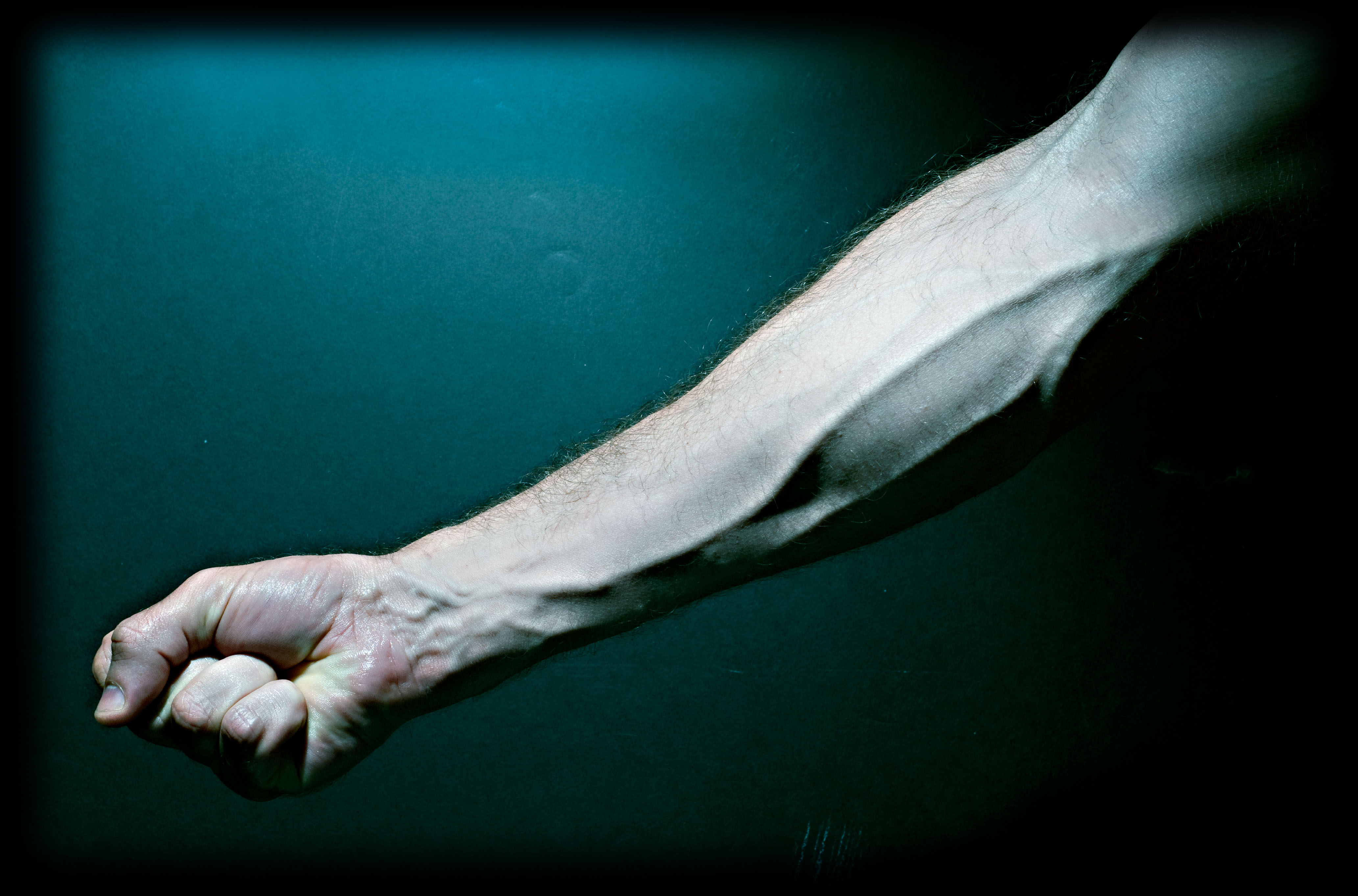
Veins popping out during exercise is the sight of blood vessels rising toward the skin surface as you train. It shows up on forearms during curls, on temples during a hard set of squats, and along the calves at the end of a run. The effect usually builds with intensity and fades within minutes of stopping.
This article explains the real mechanics behind it, including how blood moves through arteries and veins, why pressure is not the culprit, what the muscle pump does to surface veins, and when bulging veins warrant a doctor's visit.
How your circulation works at rest
Blood leaves the heart through arteries under high pressure. A typical resting reading is around 120/80 mmHg, with systolic pressure (the higher number) near 120 and diastolic near 80, according to Scientific American's explainer on the topic.
As blood travels outward, pressure drops. The smallest vessels, the capillaries, receive blood at only about 30 mmHg.
These tiny vessels feed cells and carry away waste. By the time blood gathers into veins and heads back toward the heart, its own pressure is only a few mmHg.
Veins do not rely on pressure the way arteries do. Their return trip is helped along by muscle contractions squeezing the vessels and by the pumping action of breathing, plus one-way valves that keep flow moving upward against gravity.
What changes the moment you exercise
Exercise floods working muscles with blood.
"Whenever a muscle is being exercised, there's an increased need for oxygen and nutrients. Because our blood transports both oxygen and nutrients, more blood flow is directed toward the muscles," Dr. Jonathan Levison, a vascular surgeon at the Vein Institute of New Jersey at The Cardiovascular Care Group, told Healthline.
Blood vessels also widen in a process called vasodilation. Medical News Today explains that vasodilation is the widening of blood vessels when their smooth muscles relax, and it occurs naturally in response to low oxygen levels or increased body temperature. Exercise is one of the listed triggers, alongside heat and natural chemicals such as nitric oxide.
Arteries dilate so muscles get more fuel. That is the blood-in side of the equation.
Why pressure is not the reason veins bulge
It feels intuitive to blame pressure. The veins look full, so pressure inside them must be high. The physiology says the opposite.
Scientific American reports that systolic blood pressure climbs with exercise intensity, reaching nearly 200 mmHg during high-intensity aerobic exercise and more than 400 mmHg during weight lifting. At the same time, veins and venules actually narrow through venoconstriction, which pushes returning blood toward the heart. Venous pressure drops to at most about 5 mmHg.
So both blood volume and pressure in the veins decrease during stepped-up activity. They cannot be the basis for the bulging, and Scientific American is explicit on this point.
The real cause: filtration and the muscle pump
The actual driver sits in the capillaries. Rising arterial pressure forces plasma fluid out through the thin walls of these tiny vessels into the compartments around the muscles. Physiologists call this process filtration.
Filtration makes muscles swell and harden. Anyone who has felt the pump during a set of curls knows this sensation firsthand. That same swelling is also why you look more muscular right after a workout.
Swollen muscle tissue presses the cutaneous veins, the veins just under the skin, outward. The veins flatten a bit against the skin surface and appear to bulge.
Scientific American concludes the visible pop is "neither good nor bad but simply a result of normal physiological mechanisms that result from the rise in arterial blood pressure during exertion."
Why strength training pops veins the most
Not all workouts produce the same effect. Strength training causes a bigger pump than traditional cardio, and the reasons are mechanical.
"Strength training causes the muscles to engorge and swell with plasma," Levison told Healthline. "This pushes the veins closer to the surface." It becomes especially visible in people with pale or thin skin, he added.
Movements that push weight overhead create the strongest vascular response. Bench presses, shoulder presses, push jerks, and snatches all qualify. The general rule from Levison is simple: the higher the reps or the intensity, the more the muscle swells, and the bigger the pop.
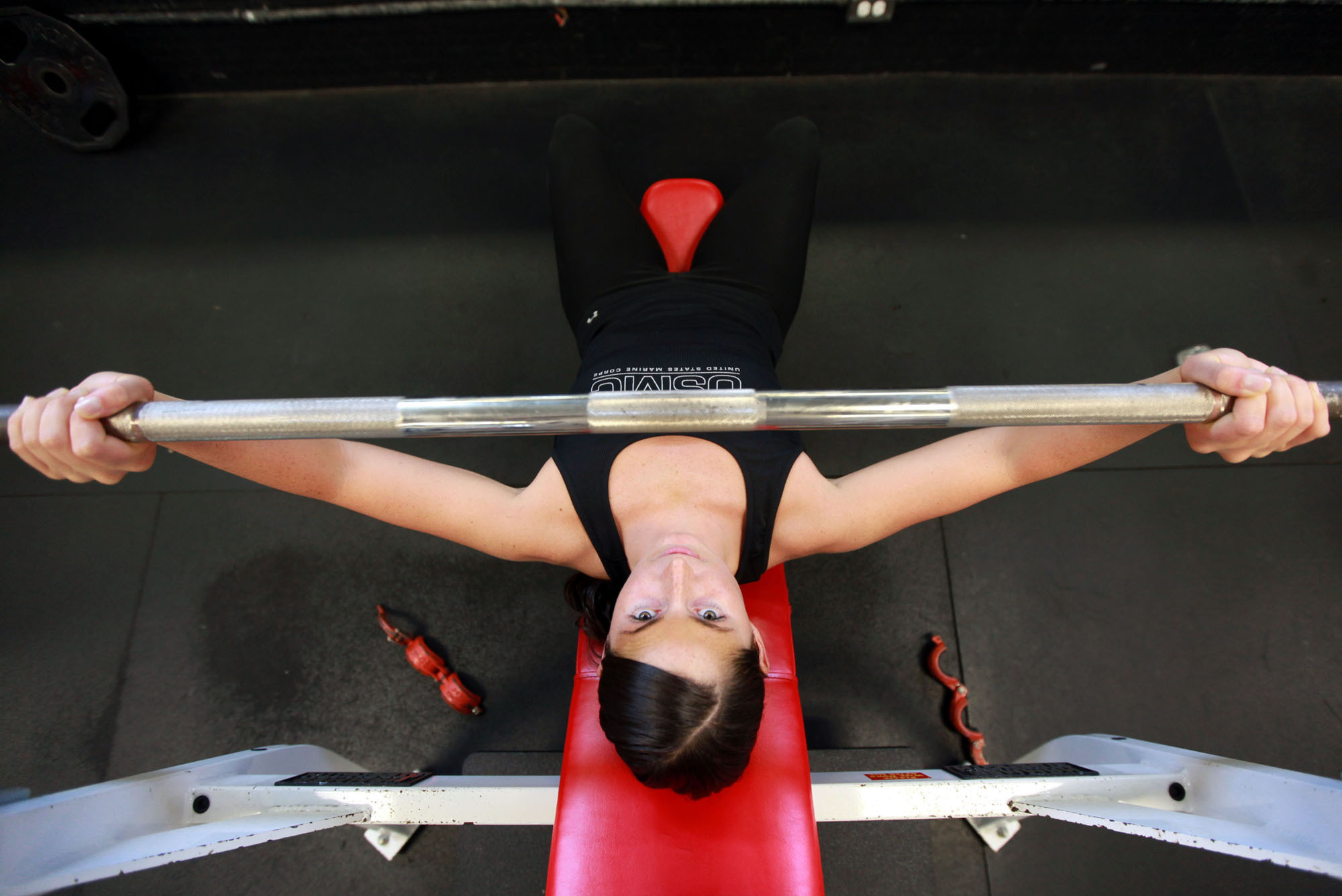
This is also why the effect can linger. Higher-intensity work keeps muscles engorged longer, which is one reason your heart rate stays elevated after exercise too.
Why some people show veins more than others
Two people can do the same workout and look completely different. Genetics lead the list of explanations.
"Genetics determine why some people have a greater number of veins or thicker size of veins," board-certified dermatologist Dr. Daniel P. Friedmann, MD, FAAD, of Westlake Dermatology in Texas, told Healthline.
Body composition matters just as much. "Decreased body fat will also lead veins to appear much more prominent, since these veins are within the subcutaneous tissue," Friedmann said. Less fat between skin and vein means less camouflage.
Low body fat alone is not enough, though. Levison notes that increased muscle mass is usually needed too. The combination of lean tissue and larger muscles is what produces the in-and-out-of-the-gym vascularity that many lifters notice.
Hydration, pregnancy, and hormonal supplements can also change how visible veins are, according to Friedmann.
When visible veins deserve a second look
Exercise veins are usually temporary and painless. They appear during the workout and fade as muscles return to normal. That pattern is the hallmark of the normal response.
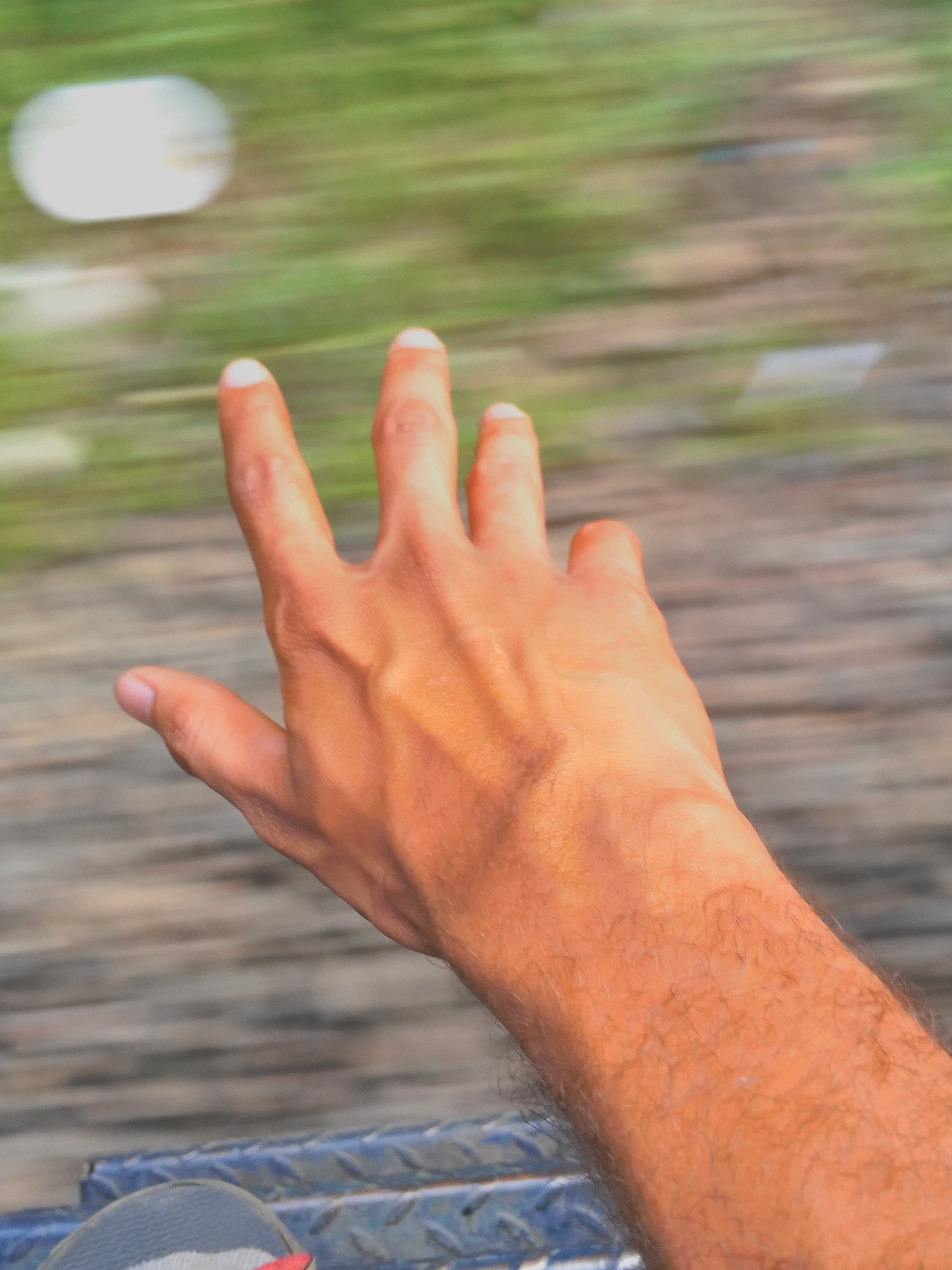
Pay attention if the bulging behaves differently. Veins that appear suddenly without exercise, feel tender or painful, or show up only on one side of the body are worth discussing with a doctor. Those patterns can point to circulation problems, including varicose veins caused by weak or damaged valves, a separate condition that Healthline distinguishes from exercise vascularity.
Skin changes over a bulging vein, such as redness, warmth, or swelling, are another signal to get checked. When in doubt, a quick visit beats a long worry.
This article is for general information, not medical advice. See a clinician about vein changes that are new, painful, or one-sided.
The bottom line
Veins pop out during exercise because muscles swell with plasma and push surface veins toward the skin. Vein pressure actually drops during exertion, so the bulge is not a pressure problem.
Strength training produces the strongest effect, genetics and body fat decide who shows it most, and the whole thing fades after the workout. Treat painless, temporary bulging as a normal sign of a body working hard.
By Rive News, Research desk. Rive News publishes plain-language explainers built from named sources and verified facts.
Latest in Fitness
- Why Do You Look More Muscular Right After a Workout?
- Why Does Your Heart Rate Stay Elevated After Exercise?
- What Is Zone 2 Cardio and Why Is It Popular?
- Why Do You Feel Nauseous During Intense Workouts?
Get one clear fitness explainer in your inbox each week. Subscribe to the Rive News newsletter.
Related stories

How long does it really take to build noticeable muscle?
Strength gains start in week one, but visible muscle takes 8-12 weeks for most beginners. What the Oklahoma CT-scan study measured,

Why you feel dizzy after a workout: the 5 common causes
Post-workout dizziness usually comes from a blood pressure dip, dehydration, or low blood sugar. The numbers behind each cause, and when

Why Do Knees Hurt When Squatting but Not Running?
Knees hurt when squatting but not running because deep bends multiply force on the kneecap. Learn the mechanics, common causes, fixes,