
Why Do You Look More Muscular Right After a Workout?
Key takeaways
- The post-workout size boost is the muscle pump: blood and fluid flood the worked muscles, swelling them temporarily.
- A pumped upper arm can measure a full half inch more than normal, but the effect fades within a couple of hours.
- The pump feels like growth, but real muscle is built over weeks of training, food, and rest, not in one session.
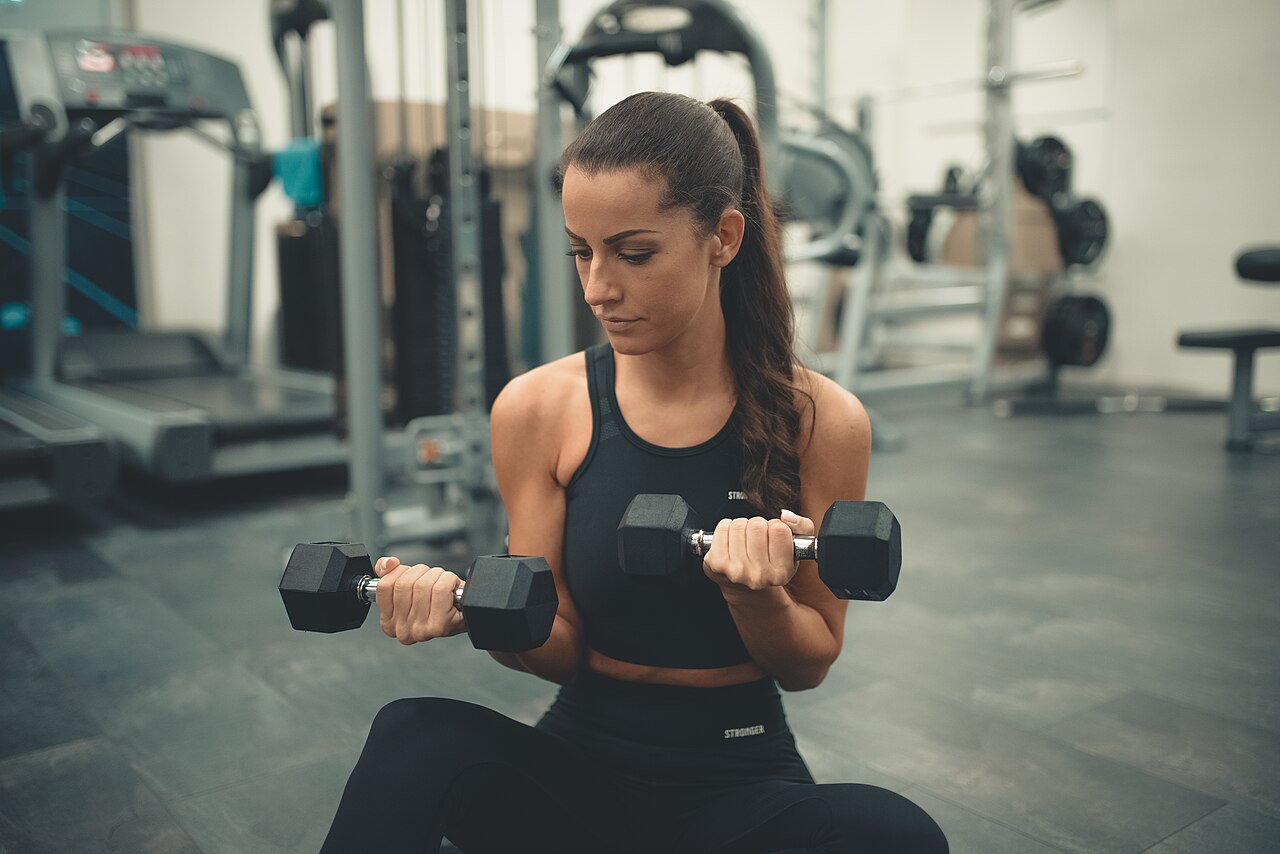
The muscle pump, technically called transient hypertrophy, is the temporary swelling of muscles during and right after resistance training. You finish your sets, catch your reflection, and your arms, chest, or shoulders look noticeably bigger, fuller, and tighter than when you walked in.
It is not new muscle. It is fluid.
Blood rushes into the working muscles, water follows, and the tissue swells like a sponge filling up. Hours later the fluid drains away and the mirror shows your normal self again.
This article takes a closer look at the post-workout pump, including what causes the swelling, how big the effect really is, how to get a bigger one, and what it does and does not mean for real muscle growth.
What the pump actually is
When you lift weights, the working muscles contract hard and repeatedly. Those contractions signal the body to dilate the local blood vessels and push more blood into the tissue, delivering oxygen and nutrients while hauling away metabolic waste. The harder and longer the effort, the greater the blood flow.
Blood is only part of it. Intense muscular work produces metabolic byproducts, including lactic acid, and their accumulation pulls water into the muscle cells along with the blood. The combined influx of blood and fluid is what swells the tissue and creates that tight, full, almost skin-splitting feeling lifters chase.
Arnold Schwarzenegger famously compared the sensation to a runner's high. As personal trainer Mike Creamer of Anatomically Correct in New York told Men's Journal, "Runners have their 'high' and bodybuilders have their 'pump,' the feeling of euphoria brought on by the rush of blood that causes your muscles to swell during a weight workout."
How big is the effect, really?
Bigger than most people expect. "During an intense workout, a pumped upper arm could measure a full half-inch more than it normally does," Creamer says. That is a visible, mirror-obvious difference, and it explains why gym selfies happen after the workout, never before.
The effect is short-lived. Creamer puts the ceiling at a couple of hours at most, and in practice much of it fades within the first hour as blood flow normalizes and the extra fluid drains from the tissue. Veins look more prominent during the pump too, since the swollen muscle presses them closer to the skin, a look lifters call vascularity.
It is worth knowing the difference between the pump and actual muscle mass. Confusing the two is how people end up overtraining, chasing the temporary swell with marathon sessions instead of the consistent, progressive training that builds lasting size.
How to get a bigger pump
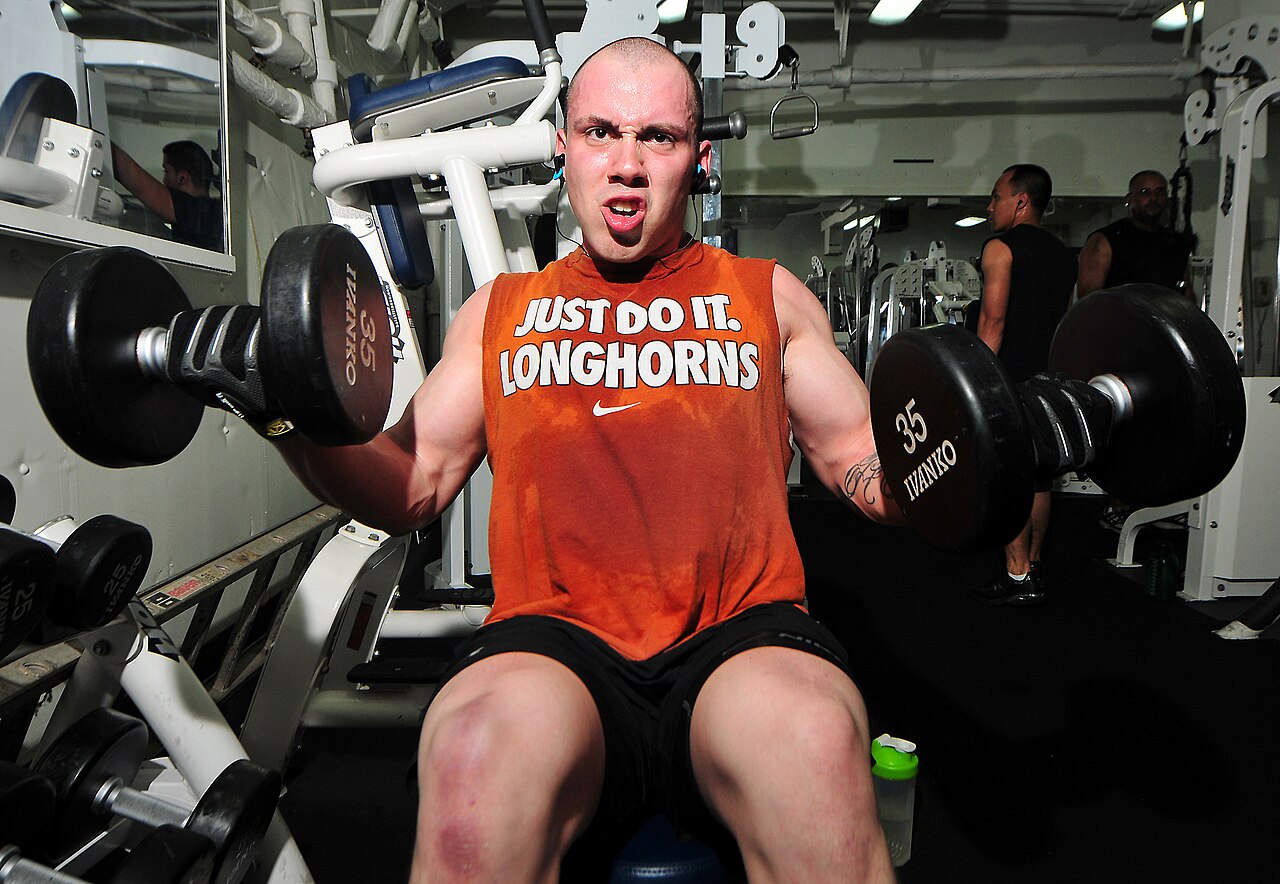
Volume drives the pump, so training has to match. "A good pump in the targeted muscles can usually be achieved by performing three or four sets of moderate to high reps (10 to 15) of an exercise to momentary muscular failure," Creamer says. Low-rep heavy sets in the 4 to 6 range rarely produce the same swell.
Tempo and rest matter as much as reps. Slow, controlled reps with a hard squeeze at the top of each contraction keep blood pooled in the muscle, while short rest periods between sets prevent it from draining away. Supersets of opposing muscle groups, like biceps paired with triceps, are a classic pump-building technique.
Fuel helps too. Being well hydrated and eating enough carbohydrates before training both increase muscle-cell volume, since carbs are stored in muscle as glycogen along with water. Creatine supplementation works on the same principle, drawing additional water into the muscle cells.
What the pump does and does not mean
Here is where the honest answer gets interesting. The pump is not muscle growth, but it may not be meaningless either.
Cellular research shows that cell swelling increases protein synthesis and decreases protein breakdown, exercise scientist Brad Schoenfeld told Men's Journal.
But he added a caution: "we simply don't have the ability to test for it" in real training.
The safe reading is that the pump is a sign of a productive session, not the product itself. Real hypertrophy comes from progressive overload applied over weeks and months, enough protein and calories to support repair, and enough rest for that repair to happen. The pump is the preview, not the movie.
There is also a cost to chasing it every session. Creamer warns that always training at the intensity required for a good pump can lead to overtraining, which works against the long-term goal of lasting muscle growth. Enjoy the pump when it shows up, but build the program around recovery and progression.
How long does the muscle pump last?
At most a couple of hours, according to trainer Mike Creamer, and most of it fades within the first hour after training. Once blood flow normalizes and excess fluid drains from the tissue, muscles return to their normal size.
Does the pump mean my muscles are growing?
Not directly. The pump is fluid, blood and water, inside existing muscle tissue.
Real growth is new muscle protein built over weeks of training, eating, and recovering. Cellular research suggests swelling may support growth processes, but that link is unproven in practice.
How do I get a better muscle pump?
Train the target muscle with three or four sets of 10 to 15 reps taken close to failure, use a slow tempo with short rests, and try supersets of opposing muscles. Arrive hydrated, eat carbs beforehand, and consider creatine, all of which increase fluid inside muscle cells.
Is chasing the pump bad for you?
Not in itself, but training at pump-chasing intensity every session can lead to overtraining, which stalls progress. Use the pump as feedback that a session was productive, and let rest days and progressive overload do the actual building.
The bottom line
You look more muscular right after a workout because blood and fluid flood the muscles you just trained, swelling them by as much as half an inch for an hour or two. That pump is temporary and distinct from real muscle growth, which takes weeks of consistent training, food, and rest. Chase the feeling if you enjoy it, but measure progress by what is still there the next morning.
Tags: muscle pump, strength training, exercise science, fitness
Latest in Fitness
- Why Do Veins Pop Out During Exercise
- Why Does Your Heart Rate Stay Elevated After Exercise
- What Is Zone 2 Cardio and Why Is It Popular
- Why Is Walking Uphill Harder Than It Looks
Get one training-science explainer in your inbox every morning. Subscribe to the Rive News newsletter.
Related stories

How long does it really take to build noticeable muscle?
Strength gains start in week one, but visible muscle takes 8-12 weeks for most beginners. What the Oklahoma CT-scan study measured,

Why you feel dizzy after a workout: the 5 common causes
Post-workout dizziness usually comes from a blood pressure dip, dehydration, or low blood sugar. The numbers behind each cause, and when

Why Do Knees Hurt When Squatting but Not Running?
Knees hurt when squatting but not running because deep bends multiply force on the kneecap. Learn the mechanics, common causes, fixes,