
Why a Short Walk After Meals Blunts Blood Sugar Spikes
Key takeaways
- In a 2016 study of 41 adults with type 2 diabetes, 10-minute walks after meals lowered post-meal blood sugar 12% more than one 30-minute walk.
- The biggest drop, 22%, came after the evening meal, when participants ate the most carbohydrate and sat the most.
- Working muscles pull glucose from the blood with less need for insulin, which flattens the spike.
After a big meal, blood sugar climbs as food digests and releases glucose into the bloodstream. In healthy people, insulin clears it quickly. In people with type 2 diabetes, the clearance is sluggish, and the spike lingers.
A short walk right after eating changes that picture. Muscle contractions pull glucose straight out of the blood and into working muscle cells, with far less reliance on insulin. The result is a lower, shorter spike.
This article looks at why a walk after meals blunts blood sugar spikes, including the 2016 New Zealand trial that compared post-meal walks against a single daily walk, the mechanism behind the effect, and how to build the habit.
This article is for general information only and is not medical advice. If you manage diabetes or take glucose-lowering medication, talk to your doctor before changing your activity routine.
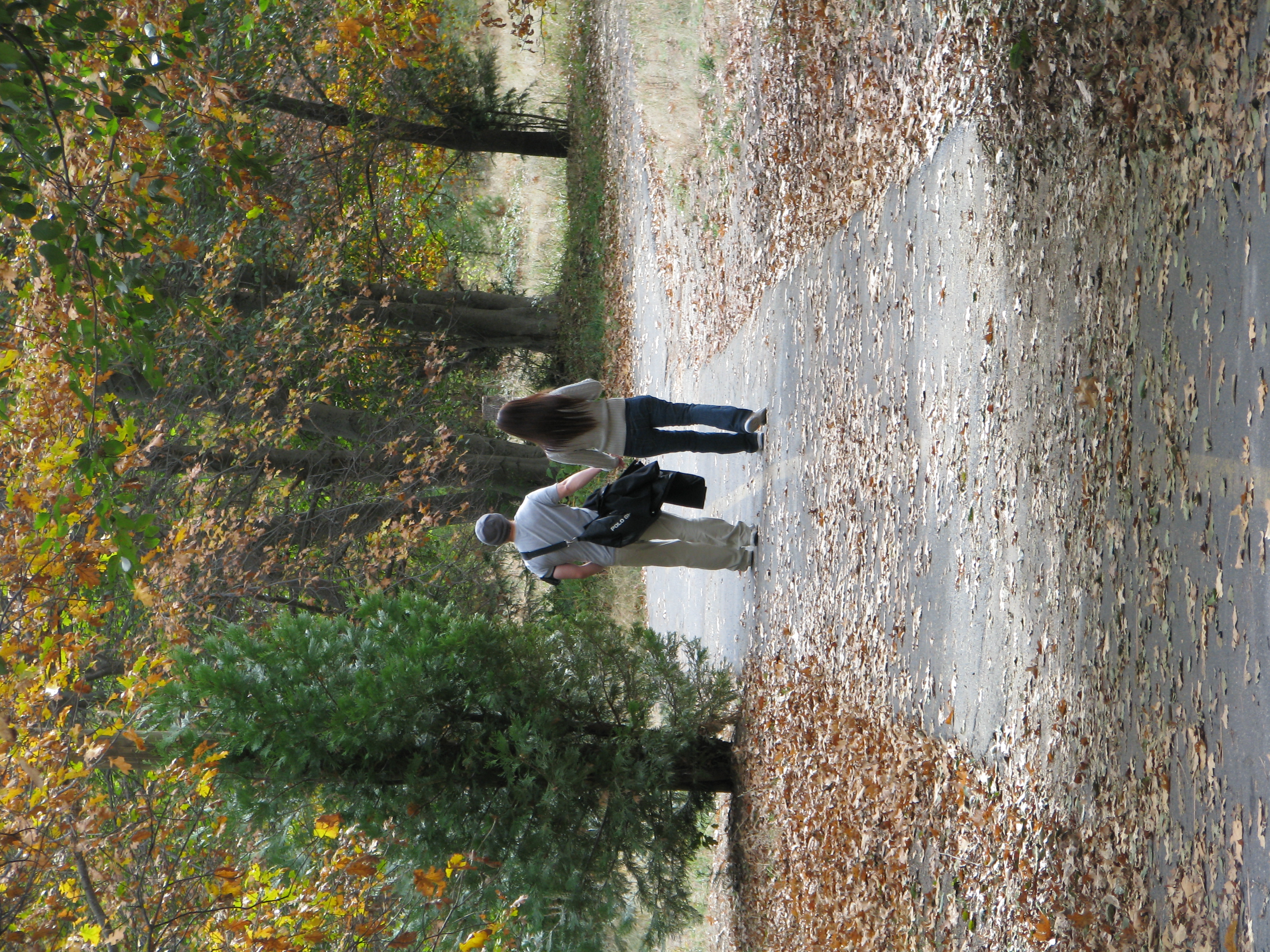
The study that put timing on the map
In 2016, researchers at the University of Otago in New Zealand published a randomised crossover trial in the journal Diabetologia that tested a simple idea: does it matter when you walk, or only how much? Lead researcher Dr Andrew Reynolds and colleagues, including Professor Jim Mann, enrolled 41 patients with type 2 diabetes, average age 60, average diabetes duration 10 years.
Each participant completed two two-week blocks of walking, separated by a washout month. In one block they walked for 30 minutes once a day, as standard guidelines advised. In the other they walked for just 10 minutes after each main meal.
The total walking time was matched; only the timing differed.
Participants wore accelerometers and continuous glucose monitors that recorded blood sugar every five minutes. The study ran from September 2013 to February 2015.
The post-meal walking advice won clearly. Post-meal blood sugar levels dropped 12% on average compared with the single daily walk. Dr Reynolds noted that most of the effect came from a 22% reduction after the evening meal, which was the most carbohydrate-heavy and was followed by the most sedentary time.
The researchers concluded that guidelines should be amended to specify post-meal activity, particularly when meals contain a substantial amount of carbohydrate.
Why walking right after eating works
The mechanism comes down to how muscles take up glucose. At rest, muscle cells mostly need insulin's signal to admit glucose from the blood. During contraction, a second door opens: working muscles pull in glucose through a pathway that does not depend on insulin.
The harder the muscles work, the more glucose they clear.
That is why timing matters so much. Blood glucose peaks roughly 30 to 90 minutes after a meal. A walk taken in that window meets the glucose while it is highest, giving contracting muscles the maximum to clear.
A walk taken hours later finds the spike already fading on its own and adds less.
Professor Mann, the study's corresponding author, pointed out that post-meal glucose is regarded as an important target in managing type 2 diabetes, given its independent contribution to overall blood sugar control and cardiovascular risk. Flattening the peaks is not just cosmetic; it is clinically meaningful.
The effect is not limited to people with diabetes. A second study in the same issue of Diabetologia, from the University of Cambridge and University College London, pooled data from over a million people and found that walking 30 minutes a day, five times a week, was linked to a 26% lower chance of developing type 2 diabetes in the first place.
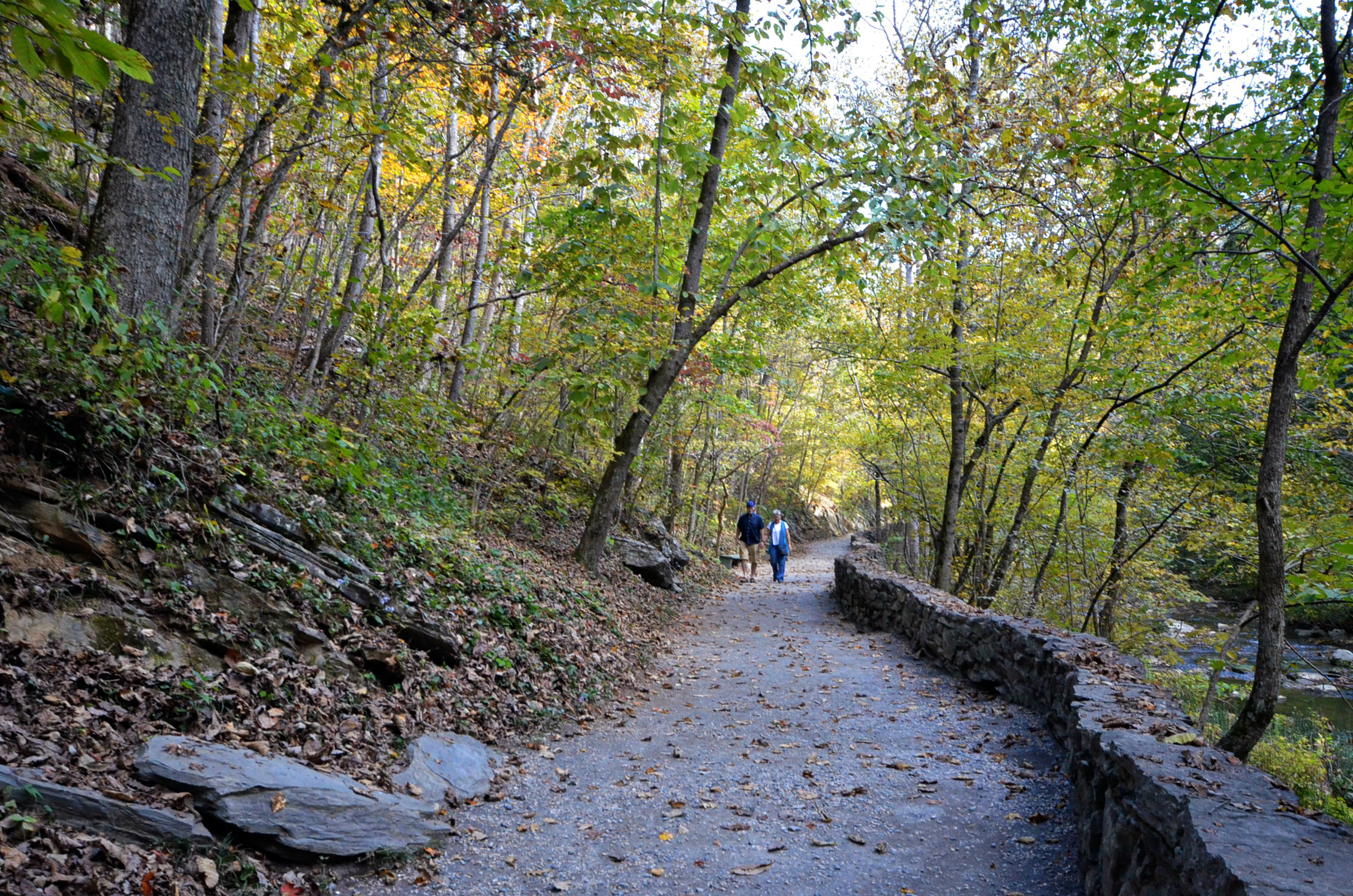
The evening meal matters most
The Otago trial's most striking finding was the 22% drop after dinner. Two things made the evening walk so effective. Dinner was the day's most carbohydrate-heavy meal, producing the largest spike, and it was followed by the most sedentary time, often an evening on the couch, which let the spike linger.
This matches a broader pattern in daily life. Mornings tend to be active, afternoons moderately so, and evenings still. If you can only fit in one post-meal walk, the evidence points to after dinner as the highest-value slot.
It also helps explain why the post-meal walkers in the study ended up more active overall, even though the prescribed walking time was matched. Short bouts felt easier to stick with than one 30-minute block, and the researchers noted that participants were more likely to complete three short walks than a single longer one.
How to build the habit
Start with ten minutes after your largest meal of the day. You do not need to power-walk; a comfortable stroll, the pace you would use walking with a friend, is enough to activate the glucose-clearing effect.
Aim to head out within 30 minutes of finishing eating. The glucose peak is building during that window, and an early walk intercepts it. If the weather is bad, marching in place or a few flights of stairs at home work as substitutes, since the key ingredient is contracting large leg muscles.
Layer the walk onto an existing routine to make it stick. After-dinner walks pair naturally with a podcast, a phone call, or a loop around the block with a partner. Your heart rate will stay modestly elevated afterward, which is a sign the muscles did their work.
Keep expectations honest. A walk is a complement to medication, diet, and your doctor's plan, not a replacement. People who skip breakfast and then overeat later may find their glucose patterns harder to predict, so consistency in meal timing helps too.
Frequently asked questions
How long should the walk be?
In the Otago trial, 10 minutes after each main meal beat a single 30-minute walk. Ten to fifteen minutes at an easy pace is the evidence-backed starting point.
Does it have to be right after eating?
Sooner is better. The researchers asked participants to walk within about five minutes of finishing meals in some reports of the trial, and the general guidance is to start within 30 minutes to catch the rising glucose curve.
Can healthy people benefit too?
Yes. The glucose-clearing mechanism works in everyone, and the Cambridge/UCL analysis linked regular walking to a 26% lower risk of developing type 2 diabetes. Post-meal walks are a sensible habit regardless of diagnosis.
What if I take insulin or diabetes medication?
Talk to your doctor first. Extra activity can lower blood sugar further than expected, and medication doses sometimes need adjusting. Never change a treatment plan based on a general article.
The bottom line
A short walk after meals blunts blood sugar spikes because working muscles clear glucose directly, with less need for insulin. The 2016 Otago trial showed 10-minute post-meal walks lowered post-meal glucose 12% more than a single 30-minute walk, with a 22% drop after dinner. Start with ten easy minutes after your biggest meal and build from there.
Image Credits: Wikimedia Commons / Rennett Stowe, vastateparksstaff
Latest in Fitness
- Why Your Heart Rate Stays Elevated After Exercise
- How Warming Up Actually Prepares Your Muscles
- Why Your Legs Feel Heavy During a Run
- What Happens to Your Body When You Skip Breakfast
Subscribe to the Rive News newsletter for one practical health tip every week.
Related stories
How long does it really take to build noticeable muscle?
Strength gains start in week one, but visible muscle takes 8-12 weeks for most beginners. What the Oklahoma CT-scan study measured,

Why you feel dizzy after a workout: the 5 common causes
Post-workout dizziness usually comes from a blood pressure dip, dehydration, or low blood sugar. The numbers behind each cause, and when
Why Do Knees Hurt When Squatting but Not Running?
Knees hurt when squatting but not running because deep bends multiply force on the kneecap. Learn the mechanics, common causes, fixes,