
Why Do Hydrangeas Change Color With Soil pH? Aluminum Explains
Key takeaways
- Bigleaf hydrangeas turn blue in acidic soil and pink in alkaline soil because soil pH controls how much aluminum the roots can absorb.
- Aluminum binds to the flower's anthocyanin pigment and shifts it toward blue; without aluminum, the same pigment shows pink.
- Only bigleaf and mountain hydrangeas respond to pH; white, panicle, and oakleaf types keep their color regardless of soil chemistry.
Plant a pink hydrangea in acidic soil and next season it may bloom blue. Move the same plant to alkaline ground and the blue fades back to pink. Few garden plants perform this trick, and the explanation is pure soil chemistry, not plant magic.
The short version: soil pH is a switch, and aluminum availability is what the switch controls. This article explains the aluminum mechanism, including the pH ranges that produce each color, which hydrangea species respond, and how to shift bloom color safely.
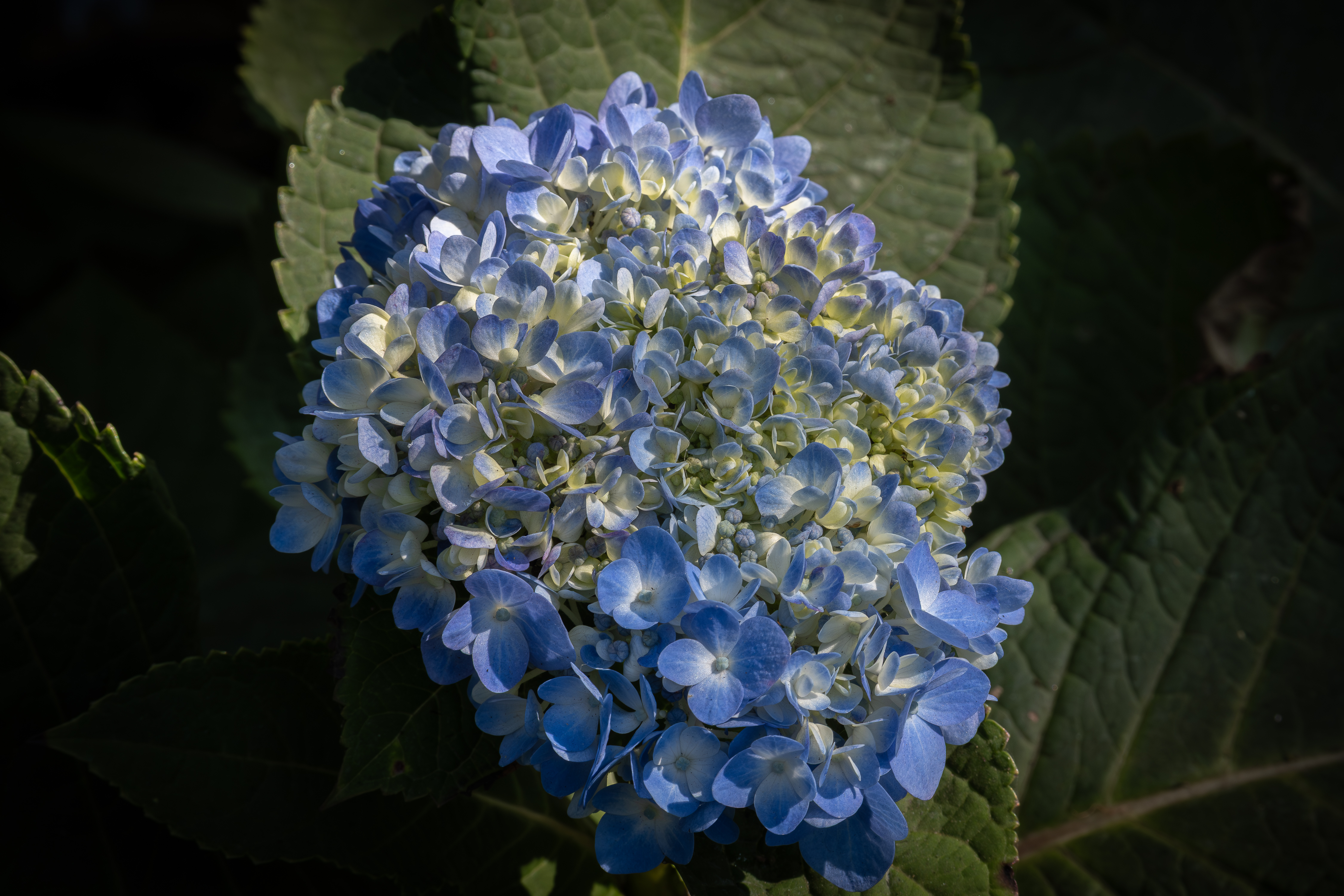
The pigment stays the same; what binds to it changes
Here is the detail most garden guides skip. The flower does not manufacture a different pigment for each color.
Bigleaf hydrangea sepals, the petal-like structures that give the bloom its color, contain an anthocyanin pigment called delphinidin. That pigment is reddish-pink by nature.
What changes is whether aluminum is bound to it. When aluminum ions reach the sepals, they form a complex with delphinidin that shifts how the pigment reflects light toward blue.
Without enough aluminum bound to the pigment, the bloom displays the pigment's natural pink to reddish color instead. Same pigment, different chemistry, different color.
Soil pH determines aluminum's chemical form, and therefore whether roots can absorb it. In acidic soil, roughly pH 5.5 and below, aluminum exists in a soluble form that roots take up readily.
In neutral to alkaline soil, aluminum converts into forms the roots cannot easily absorb, effectively locking it away. The University of Georgia Cooperative Extension puts it plainly: when the soil is acid at pH 5.5 or lower, aluminum is generally more available to the roots; when the soil is neutral or alkaline at pH 7.0 or higher, aluminum availability drops and flowers trend pink.
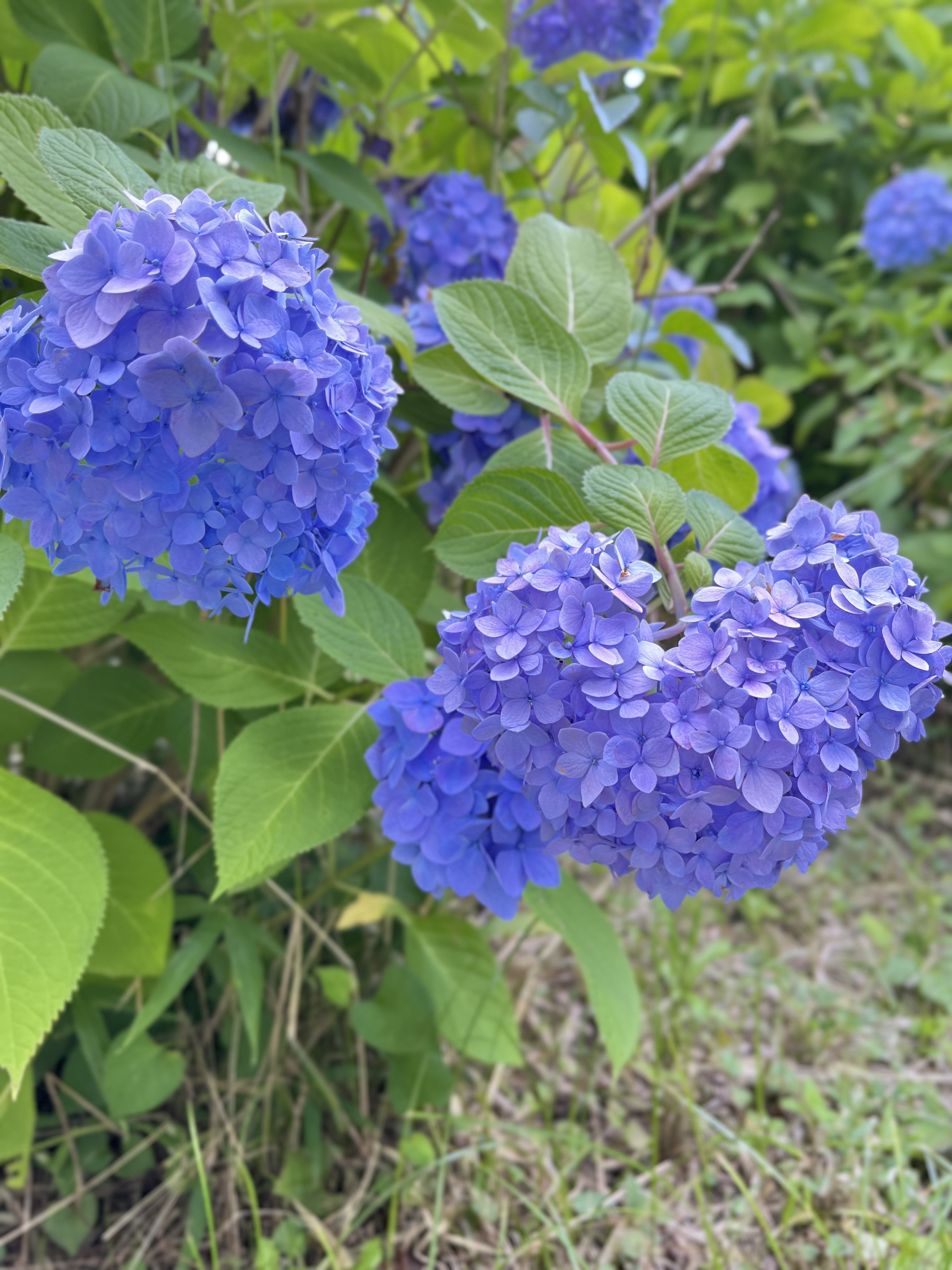
The practical color map looks like this. Below roughly pH 5.5, high aluminum availability produces blue to deep blue-purple blooms. Between about 5.5 and 6.5, moderate and inconsistent uptake gives mixed or muddy purple tones.
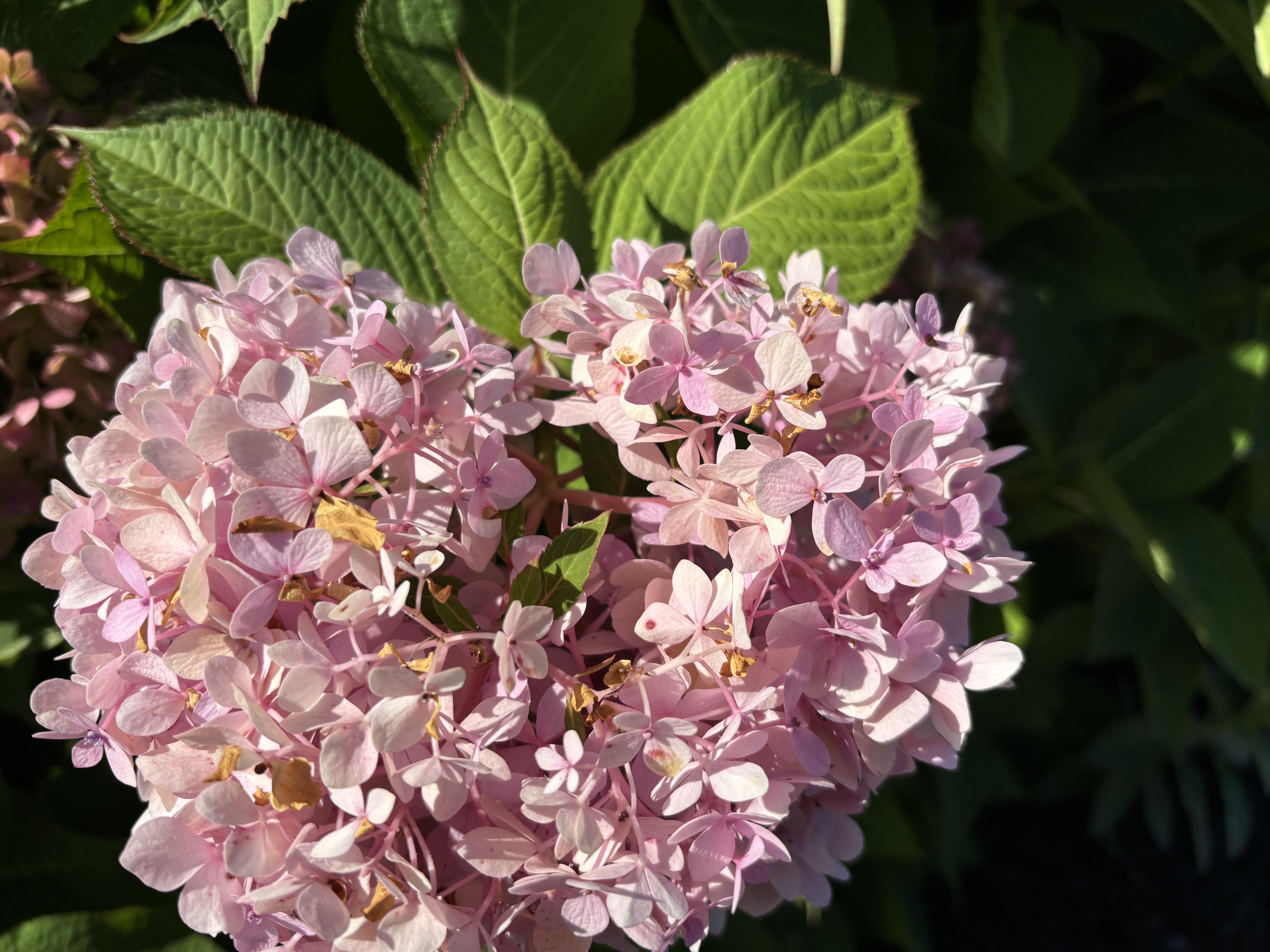
Above roughly 6.5, low aluminum availability yields pink to deep rose. These are working ranges rather than hard lines, since aluminum levels in the soil and the cultivar's genetics also play a role.
Only two hydrangea species play this game
This is where many gardeners waste effort and money. The pH-color trick works reliably in only two species: Hydrangea macrophylla, the bigleaf or mophead and lacecap hydrangea, and Hydrangea serrata, the mountain hydrangea. Both evolved in the acidic, aluminum-rich forest soils of Japan and Korea, which shaped their unusual pigment-aluminum dependency.
Every other common type ignores soil pH. Panicle hydrangeas (H. paniculata) like Limelight start creamy white and age to pink or burgundy through natural pigment oxidation, not soil chemistry.
Smooth hydrangeas such as Annabelle, and oakleaf hydrangeas, keep their genetically fixed colors no matter what you do to the soil. White-flowered varieties of any species cannot shift at all, because they lack the anthocyanin pigment that aluminum binds to in the first place. There is simply nothing for the aluminum to change.
Before buying amendments, confirm what you planted. Amending soil around a panicle hydrangea to chase blue blooms is a project that cannot succeed, since the mechanism does not exist in that species.
How to shift bloom color without harming the plant
Changing hydrangea color is a slow chemistry project, not a quick fix. Results typically appear over one or more growing seasons, because you are gradually shifting soil pH and aluminum availability rather than dyeing the flowers.
Start by testing your soil. Amending blindly is the most common cause of failed color shifts, and it can damage the plant.
To push pink blooms toward blue, you need to do two things: lower the pH and supply available aluminum. The University of Georgia Extension recommends broadcasting half a cup of wettable sulfur per 10 square feet, watered in, to gradually acidify the soil toward the pink-to-blue direction. Elemental sulfur works slowly as soil microbes convert it, so retest after 8 to 10 weeks rather than piling on more.
Aluminum sulfate supplies both acidity and aluminum in one amendment. A widely used approach is dissolving a quarter cup per plant in a gallon of water and drenching it slowly around the drip line in early spring as buds swell, repeated monthly until June. Keep phosphorus fertilizers low during the project, since excess phosphorus binds aluminum in the soil and blocks uptake even when pH is right.
To push blue blooms toward pink, raise the pH with garden lime or dolomite, which locks aluminum into unavailable forms. UGA suggests about one cup of dolomitic lime per 10 square feet as a starting point. Again, test first and adjust gradually.
Two warnings matter. First, pushing pH below about 5.0 risks aluminum toxicity: leaves yellow with brown margins, growth stunts, and roots suffer.
Second, quick-fix myths like burying rusty nails or dousing plants with vinegar do not meaningfully change soil chemistry and can harm roots. Patience and a soil test beat every shortcut.
Soil also drifts back toward its natural pH over time, so blue in naturally alkaline regions is an ongoing project, not a one-time treatment. Mulching with acidic organic matter and retesting yearly keeps the chemistry where you want it. Healthy soil biology supports the whole effort, which is one reason earthworms improving your soil matters beyond fertility alone.
Frequently asked questions
Can I change a white hydrangea to blue or pink?
No. White varieties lack the anthocyanin pigment that aluminum binds to, so there is nothing for soil chemistry to act on. They stay white at any pH.
How long does it take to change hydrangea color?
Typically weeks to months at minimum, often a full growing season or more. You are shifting soil pH and aluminum availability gradually, and the plant only shows the result in its next bloom cycle.
Will coffee grounds turn my hydrangeas blue?
Probably not on their own. Fresh coffee grounds average around pH 6.5 to 6.8 and decompose to near neutral, and one University of Florida study found no measurable pH drop after a year of weekly applications. They are a fine mulch but a weak acidifier.
Why did my hydrangea turn an ugly muddy purple?
You are likely sitting in the transitional zone around pH 5.5 to 6.5, where aluminum uptake is inconsistent. Commit to one direction: acidify further for blue or lime for pink, and give it a season.
The bottom line
Hydrangeas change color with soil pH because pH controls aluminum availability, and aluminum bound to the flower's anthocyanin pigment shifts it from pink to blue. Acidic soil below about pH 5.5 gives blue, alkaline soil above about 6.5 gives pink, and the trick works only in bigleaf and mountain hydrangeas.
Test your soil, amend gradually with sulfur or lime as needed, and expect results over a season or more. If your hydrangeas also need winter care, see our guide to protecting plants from frost without a greenhouse.
Latest in Gardening
- How earthworms improve your soil beyond fertilizer
- Why garden seeds fail to germinate
- The difference between annual and perennial plants
Get one practical gardening insight every morning. Subscribe to the Rive News newsletter.
Related stories
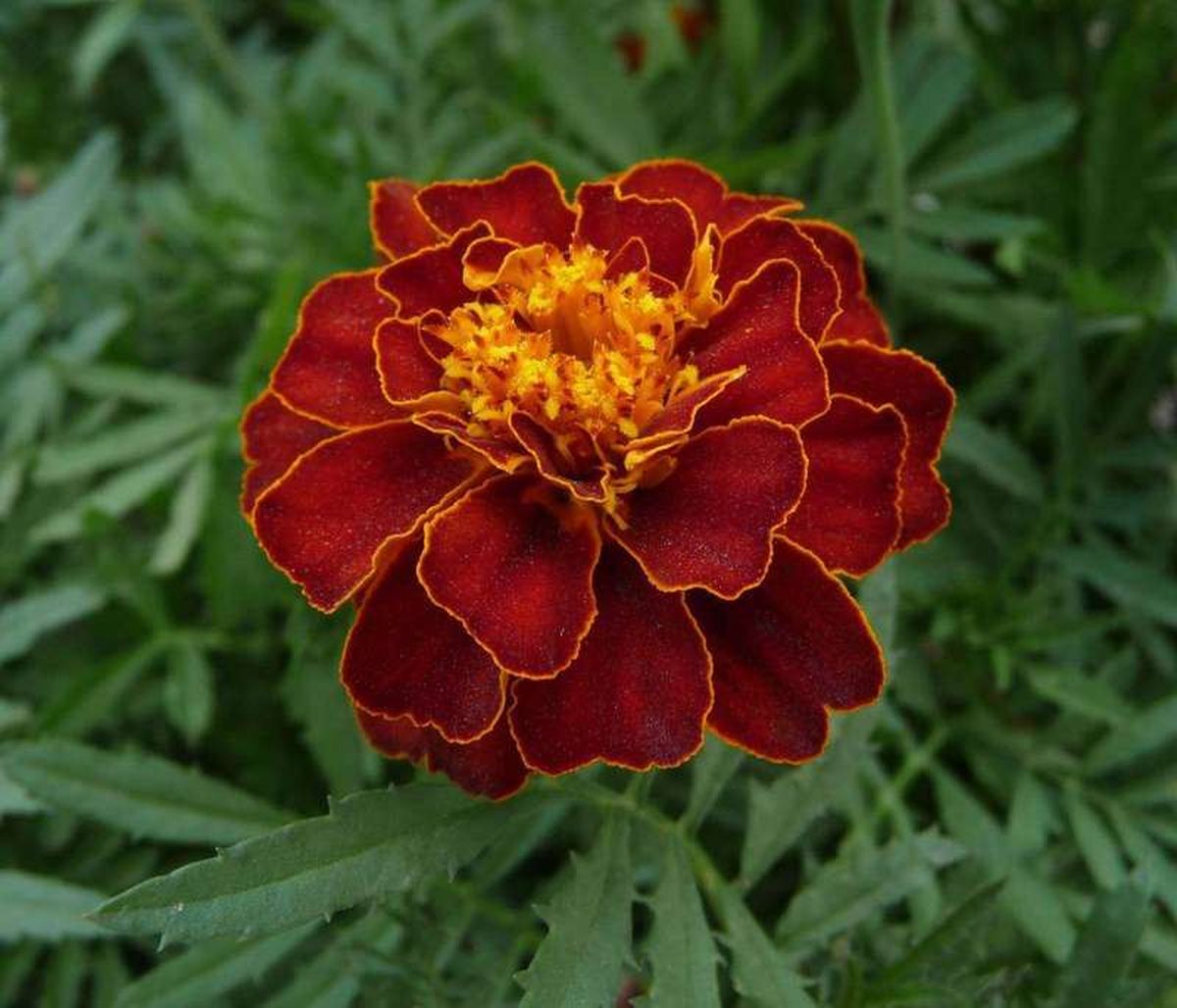
What Is Companion Planting and Does It Work?
Marigolds work as a nematode cover crop, but the basil flavor claim failed repeated tests. An honest evidence review of what companion
Determinate vs. indeterminate tomatoes: growth, pruning, and harvest differences
Determinate tomatoes grow to a set size and ripen all at once, while indeterminate types vine all season. That one difference shapes
How to improve clay soil for gardening
Gypsum will not fix ordinary clay soil, say extension experts. What actually works: 2 to 3 inches of compost, mulch, better drainage,