
How to Protect Plants From Frost Without a Greenhouse
Key takeaways
- Covering plants before sunset traps soil heat and blocks frost from forming on leaves.
- Fabric, blankets, straw, and mulch protect plants. Plastic laid straight on leaves can scorch them.
- Move potted plants to shelter, water the soil before a frost, and uncover in the morning.
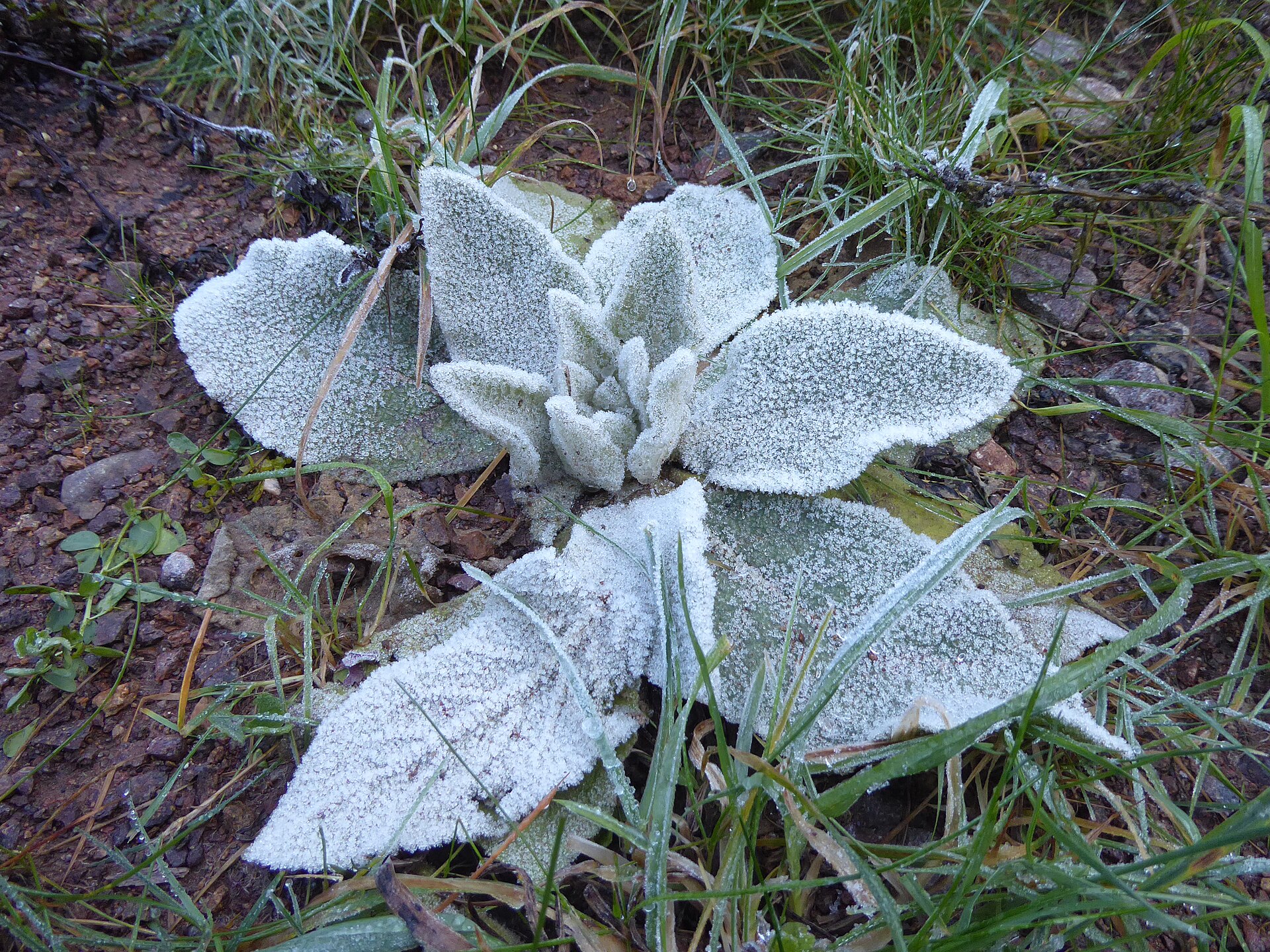
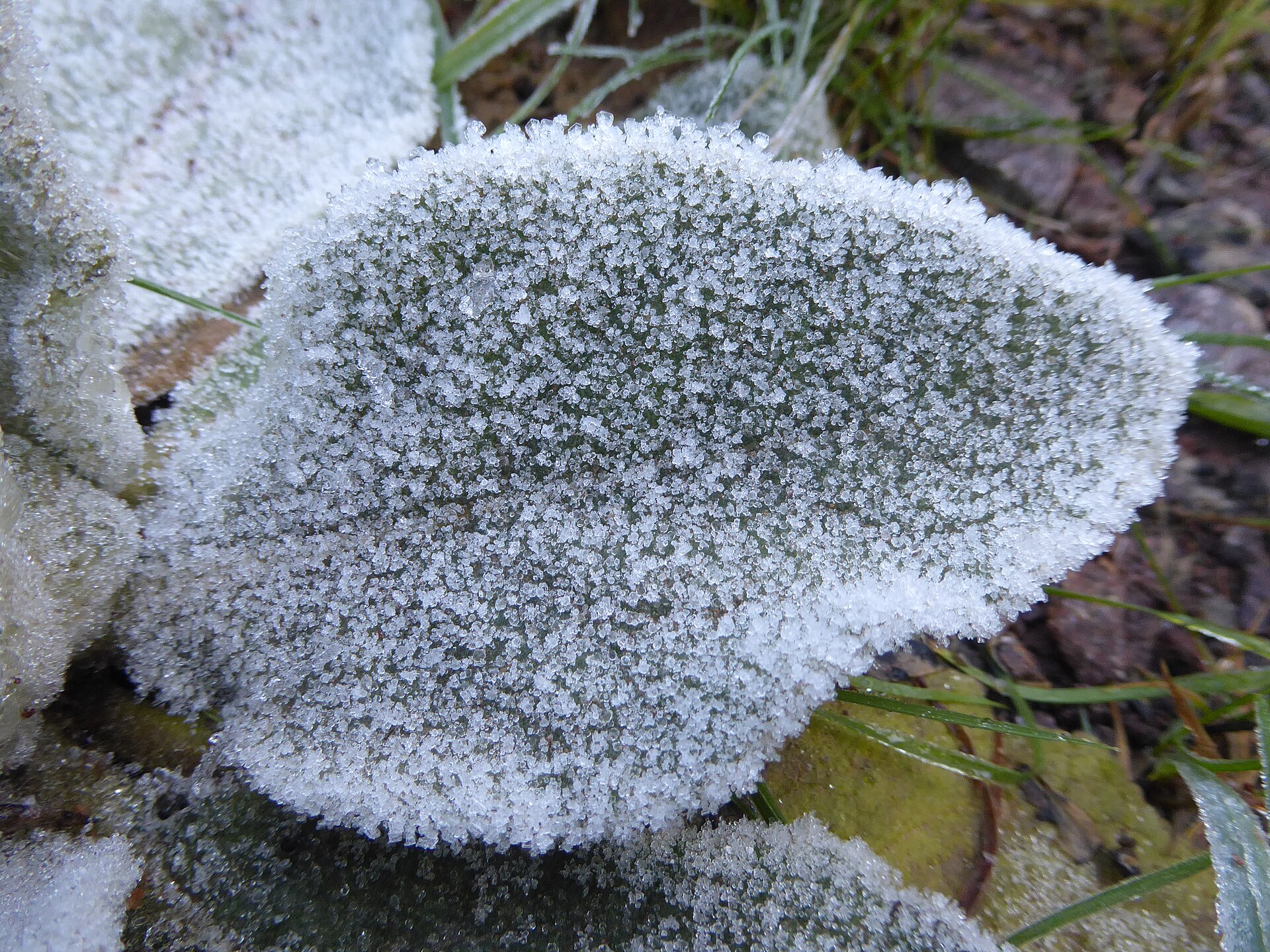
Frost kills plants from the inside out. Water expands when it freezes, so the water inside plant cells turns to ice, breaks the cell, and damages tissue. Leaves go limp or discolored, blooms suffer, and tender growth can die in a single cold night.
A greenhouse is one answer, but it is not the only one. Covers, mulch, water, and shelter can carry most garden plants through a frost night. This article explains how to protect plants from frost without a greenhouse, including what frost does, which plants are most at risk, the cover methods, mulch and water, and what to do after frost hits.
Why frost is dangerous
STIGA explains the mechanism in one line: water expands when it freezes, and that expansion inside plant cells breaks the cell and damages tissue. The visible result is weakened growth, limp or discolored foliage, and impaired blooms.
Not every plant is sensitive. Many hardy perennials, trees, and cold-season vegetables tolerate light frost. The plants that need help are the tender ones: young seedlings, tropical plants, new transplants, and anything that has just put out soft new growth after a warm spell.
A late spring frost after warm days is often more damaging than midwinter cold, because plants have already dropped their guard.
Which plants are most at risk
Young plants top the list. STIGA notes that most young saplings are very vulnerable to chilly nights when sudden freezes can be particularly damaging. Where possible, store them indoors in a place that is cool, dry, and well ventilated, and water them occasionally.
Tropical or tender plants come next. American Home Shield lists citrus trees, cacti, ficus, hibiscus, palms, and banana trees among the plants that are particularly sensitive to frost. STIGA adds pineapple lily and tender banana species such as Ensete ventricosum, which need potting up and placing under glass to survive winter.
Some perennials are more vulnerable than others. American Home Shield names hostas and bleeding hearts as perennials that may need extra care. Vegetable gardens need attention too: STIGA advises using straw or shredded leaves to insulate the soil, with cold frames and row covers to keep plants warm.
The United States Department of Agriculture Plant Hardiness Zone Map can help identify which plants in a garden are hardy enough to withstand frost.
Cover plants before sunset
Covering is the most effective single step. Paul Thomas, a University of Georgia Cooperative Extension horticulturist, told UGA's CAES Field Report that gardeners can use high-quality frost-reduction fabric, blankets and sheets, newspapers, baskets, or even straw. For small shrubs such as gardenia, a supply of old comforters or heavy blankets from a thrift store can protect plants from the first frost without spending much money.
Covering with a heavier blanket protects more than covering with a simple sheet, Thomas said.
Timing matters. Thomas advises covering plants before sunset to retain some of the heat trapped in the soil, and removing the coverings in the morning just after sunrise to prevent scorching. The exception is cloudy, snowing, or icy weather, when covers can stay on longer.
Use stakes to hold covers up. Thomas recommends keeping a collection of wooden garden stakes on hand, placed through the vegetable patch to suspend blankets over tender seedlings or delicate flowers. The stakes stop snow- or rain-soaked blankets from crushing the plants beneath them.
Secure the cover at the base so wind cannot lift it, and make sure it reaches the ground to trap soil heat.
American Home Shield adds burlap as a cover option, noting that this natural material works well for shrubs and small trees. Frost blankets, the lightweight breathable fabric sold for this purpose, shield plants from cold while still allowing them to breathe.
The plastic warning
Plastic is the one cover material that needs care. Thomas warns never to use plastic sheeting to cover plants, because plastic can trap too much heat. When the day starts to warm up, the plants can actually cook or scorch under the covering.
Thomas said that by mid-morning, grass and young plants can suffer significant damage from how quickly heat builds under that plastic.
STIGA gives the same warning in different words: plastic sheeting is an option but must never touch the plant, or you risk serious frost damage. American Home Shield agrees: if you build a frame of stakes and drape plastic sheeting over it, be sure the plastic does not touch the plants directly, since that could cause condensation and ice formation.
The safe rule is simple. Use fabric, blankets, or fleece straight on plants. Use plastic only over a frame, with air between the plastic and the leaves, and remove it in the morning.
Mulch and water
Mulch insulates the soil and protects roots. STIGA advises applying a thick layer of organic mulch made from chopped leaves, grass clippings, and wood chips to the base of the plant after the first frost. Straw also provides a protective cover.
As the mulch breaks down, it adds nutrients and moisture and regulates soil temperature.
Thomas goes further for small plants. Simple mulches such as dead leaves or grain straw are some of the best materials for protecting small plants and flowers. For smaller plants such as young vegetable starts, lighter-weight materials like pine straw work well if enough is placed over the plants.
Gardeners can completely bury newly flowering shrubs or tender garden seedlings in either leaves or straw, then uncover them after the weather warms back up. The flowers and seedlings will be fine, he said.
Water the soil before a frost. STIGA notes that even during winter, plants should be watered to keep the soil moist, which reduces stress factors and helps plants survive winter. Moist soil holds and releases heat better than dry soil.
Water early in the day so leaves dry before nightfall, and avoid waterlogging the soil.
Move pots to shelter
Potted plants are the easiest to save, because they can move. American Home Shield advises bringing sensitive potted plants indoors during cold nights, into a garage, basement, or sunroom. STIGA gives the same advice: move potted plants indoors and store them in a cool, dry, and well-ventilated place, checking them regularly and watering just enough to keep the soil moist.
For pots that cannot move, cluster them together against a sheltered wall, ideally one that faces south or holds daytime heat. Wrap the pots in hessian or burlap to insulate the root ball, and raise them off cold paving with a board or feet so the cold does not wick up from below.
Temporary structures help larger plants. American Home Shield suggests using garden stakes to create a frame and draping plastic sheeting over it, or repurposing plastic bottles or storage bins as mini-greenhouses for smaller plants. A temporary cold frame, a bottomless box with a transparent lid, traps heat and keeps young plants safe from frost.
After the frost
If frost catches you unprepared, do not panic, and do not prune right away. American Home Shield advises waiting until the cold snap is over before pruning frost-damaged plants. Cutting back damaged branches and stems to the point of new growth will help the plant recover.
Resist the urge to prune too early, since a late frost could still cause damage.
STIGA agrees that frost damage is not always fatal. In many cases the plant can be saved, and with extra care and patience it can recover during the warmer season. Check the stems: if they are still firm and green under the bark, the plant is likely alive.
If they are mushy and brown through, that growth is lost, but the roots may still send up new shoots.
For a longer-term fix, plant cold-hardy varieties. American Home Shield suggests evergreen shrubs, cold-resistant perennials such as sedum, coneflowers, and daylilies, frost-tolerant trees such as oaks, maples, and pines, and ground covers such as creeping thyme, lamb's ear, and bugleweed. More hardy plants mean less scrambling on frost nights.
Build a frost kit before you need it
Thomas recommends having a frost tool kit and game plan ready before the first frosty night. He said, "Buying or collecting frost-reduction materials prior to the frost and prepositioning them close to the plants you want to protect is very important."
A basic kit fits in a garden shed: a roll of frost fabric or horticultural fleece, two or three old blankets, a bale of straw or a bag of leaves, a bundle of wooden stakes, some clips or string, and a watering can. Keep the kit near the plants it protects, not buried behind the mower. Frost forecasts often arrive with a day or less of warning, and a kit that is ready is a kit that gets used.
At what temperature should I cover plants?
Cover tender plants when overnight lows are forecast near or below freezing, around 0 degrees Celsius or 32 degrees Fahrenheit. Young seedlings, tropical plants, and new transplants deserve covering first.
Can I leave covers on for several days?
Breathable fabric and fleece can stay on for a few days, since they let in light, air, and water. Remove plastic covers each morning so heat cannot build up, and check plants for moisture or mold if covers stay on long.
Is it better to cover plants in the evening or morning?
Evening, before sunset. Covering early traps the day's heat in the soil. Covering in the morning, after the coldest hours, misses the protection entirely.
What should I do if I forgot to cover plants?
Wait until the cold snap ends, then assess. Do not prune right away. Many plants recover once warm weather returns, so give damaged growth time before cutting it back.
The bottom line
A greenhouse helps, but it is not required. Cover tender plants before sunset with fabric or blankets, mulch the soil, water before the frost, and move pots to shelter. Keep plastic off leaves, remove covers in the morning, and wait before pruning any damage.
With a small kit ready by the shed, most frost nights become a routine chore rather than a garden disaster.
Tags: frost protection, gardening, winter garden, plant care
Latest in Gardening
- How to Fix Tomato Leaves That Curl
- How to Plant Garlic in Autumn for a Summer Harvest
- How to Fix a Patchy Lawn and Bare Spots
- How to Grow Carrots in Containers Without Forked Roots
Subscribe for one clear gardening explainer each week.
Related stories

What Is Companion Planting and Does It Work?
Marigolds work as a nematode cover crop, but the basil flavor claim failed repeated tests. An honest evidence review of what companion

Determinate vs. indeterminate tomatoes: growth, pruning, and harvest differences
Determinate tomatoes grow to a set size and ripen all at once, while indeterminate types vine all season. That one difference shapes

How to improve clay soil for gardening
Gypsum will not fix ordinary clay soil, say extension experts. What actually works: 2 to 3 inches of compost, mulch, better drainage,