
Why Is My Lawn Patchy and How to Fix Bare Spots?
Key takeaways
- A patchy lawn usually has a cause below the surface: compaction, shade, pet damage, pests, disease, or poor soil.
- A soil test comes before seeding, since it reveals pH and nutrient problems that seed alone cannot fix.
- Overseeding fills most bare spots when you match the seed to your lawn and keep the soil moist until it establishes.
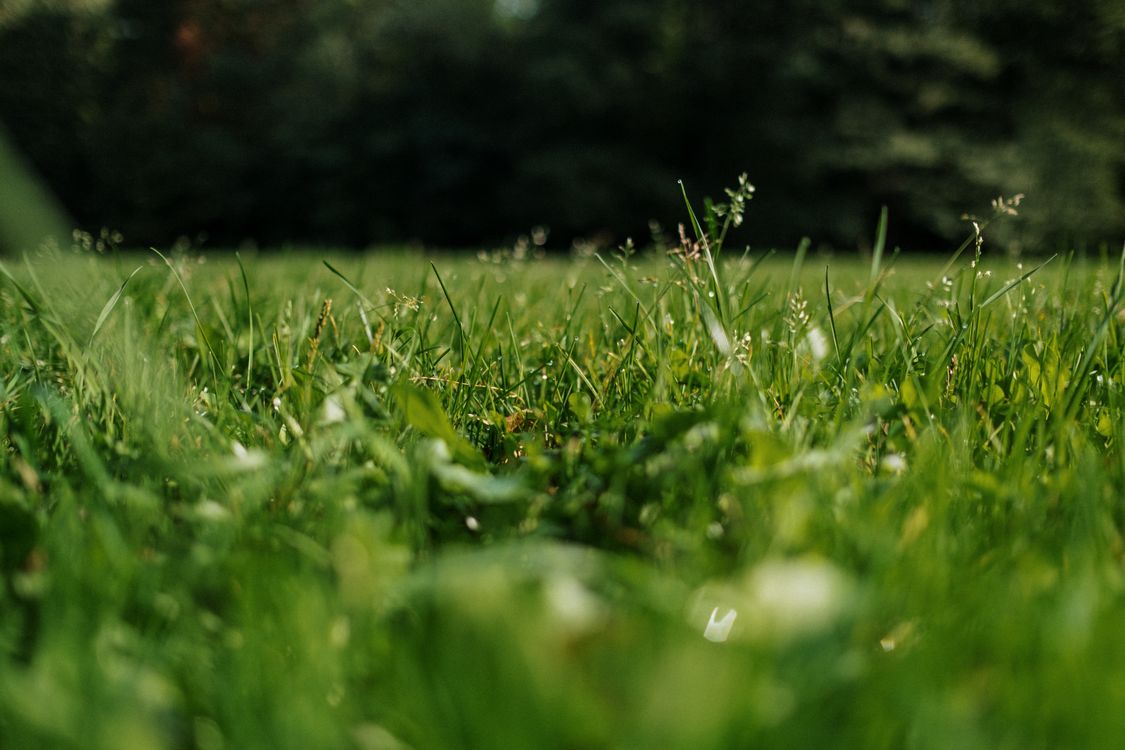
A lawn turns patchy for reasons you can see and reasons you cannot. The bare spot is the symptom. The cause sits in the soil, the shade, the mower setting, or the habits of the people and pets who use the yard.
This article explains why a lawn gets patchy and how to fix bare spots, including how to diagnose the cause, when to test the soil, and how to overseed step by step.
What causes bare spots?
Bare spots rarely have one cause. Gilmour lists more than a dozen, including foot traffic, animal urine, dull mower blades, scalping from cutting too short, chemical spills, poor soil, thatch, lack of fertilizer, buried rocks, erosion, tree roots, drought, dormancy, grubs, chinch bugs, and fungal disease.
Start by reading the spot itself. Its location, shape, and timing tell you most of what you need.
A worn path across the yard points to foot traffic. A round dead patch with a darker green ring points to pet urine, which burns grass with concentrated nitrogen and salts. Spots under trees point to shade and root competition.
Spots that appear after hot, dry weather point to drought stress. Spots that spread outward with a distinct edge can point to disease or grubs.
If the spot keeps coming back after repair, the cause is still there. Fix the cause first, then reseed, or you will repair the same spot twice.
The soil test that saves wasted seed
When clients call the University of Georgia Cooperative Extension about a thinning lawn or dead patches, the first recommendation is a soil test. A routine test reveals pH and nutrient problems, and it rules out soil health as the hidden cause.
That order matters. Lawns stressed by nutrient deficiency catch disease more easily and tolerate insects less well. Many lawn care companies skip testing and apply the same nitrogen-heavy fertilizer to every lawn, without knowing whether the lawn needs it.
Collect soil samples from several places across the yard, mix them in a bucket, and send about 1 to 2 cups to a lab. The University of Minnesota Extension suggests testing every three to five years, and whenever you make a change such as converting lawn to garden bed. Test in spring before planting, or in fall after harvest.
A soil test gives you pH, organic matter, phosphorus, and potassium. It also gives fertilizer recommendations matched to your soil, so you buy the right product instead of guessing.
Compaction, thatch, and drainage
Compacted soil is one of the most common hidden causes of patchiness. Heavy foot traffic, clay soils, and equipment press soil particles together, squeezing out the air and water channels roots need. Water pools on the surface instead of soaking in, and fertilizer never reaches the roots.
A simple check: push a screwdriver into the soil. If it resists, compaction is likely. Core aeration pulls small plugs from the soil and opens channels for air, water, and nutrients.
Project EverGreen calls aeration a foundational step in its community lawn projects, and notes that loosening compacted soil lets roots expand.
Thatch is a different problem. A thick layer of dead stems and roots between the grass and the soil can smother the turf underneath. A thin thatch layer is normal.
A layer thicker than about half an inch blocks water and seed.
Drainage matters too. Low spots that stay wet after rain drown roots, while slopes shed water before it soaks in. The University of Georgia Extension notes that the real problem behind stressed turf is often environmental stress from poor drainage, overwatering, poor fertility, soil compaction, or improper maintenance.
Shade, pets, and pests
Shade thins grass because most lawn grasses need sun to grow thick. Areas under trees or beside buildings struggle with low light, and tree roots compete for water and nutrients. The fix may be a shade-tolerant seed mix, pruning to let in more light, or replacing grass with mulch or ground cover in the deepest shade.
Pet damage is easier to spot. Dog urine creates circular dead patches with darker green rings around the edges, according to McKay's Grass Seeds. Flush the area with water before repair to dilute the salts that stop new grass from establishing.
Pests work underground. Grubs eat roots, so the grass above them loosens and dies in patches. Chinch bugs suck sap from grass blades.
A turf sample sent to an extension lab can confirm pests or disease, though the University of Georgia Extension warns that such samples often come back inconclusive when the real problem is environmental stress.
Mowing and watering habits
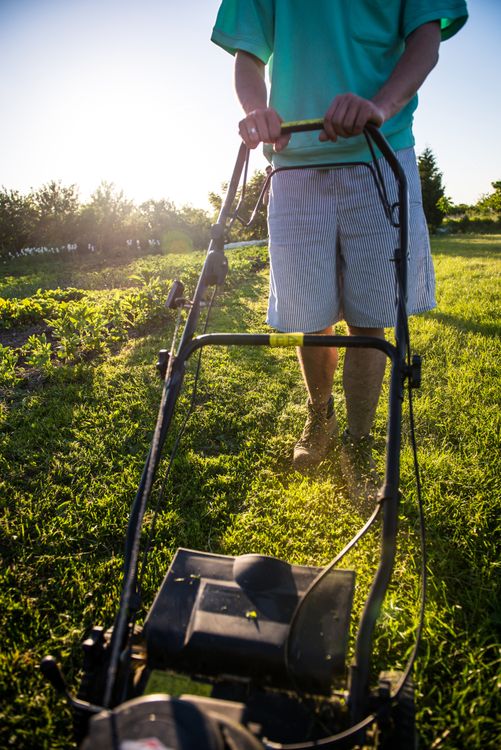
Mowing too short is a quiet cause of patchiness. Short grass has short roots, dries out faster, and leaves soil exposed to weeds and heat. Cutting too short, called scalping, can kill patches outright.
The one-third rule helps: never cut more than one-third of the blade height at once. If the grass is 9 centimeters tall, cut it to no lower than 6 centimeters. Keep mower blades sharp, since dull blades tear grass and leave ragged tips that dry out.
Watering habits matter as much as mowing. Shallow, frequent watering grows shallow roots. Deep, infrequent watering grows deep roots that survive dry spells.
Water early in the morning to cut evaporation and disease risk.
Overseeding will fail if these habits stay wrong. New seed cannot outgrow a mower set too low or a sprinkler that runs for five minutes a day.
How to fix bare spots step by step
Match the repair to the spot. Thinning grass with living roots needs overseeding and fertilizer. Completely bare soil in good condition needs seed or turf.
Bare soil that is compacted or poor needs soil work plus seed. Large dead areas need full renovation or turf.
Step one is to clear the spot. Remove dead grass, weeds, and debris. Loosen compacted soil with a garden fork to about 10 centimeters deep.
If the soil is heavy clay or sandy, mix in compost or organic matter.
Step two is to pick the right seed. Match the seed to the grass already growing, and to the light and use the spot gets. Cool-season grasses do best when planted in late summer to early fall.
Warm-season grasses do best when sown in spring or early summer, according to Gilmour.
Step three is to sow. Spread seed evenly over the spot and slightly beyond it, so the repair blends with the surrounding lawn. One practical method mixes one part seed with three parts potting soil in a bucket, which spreads the seed evenly at roughly 10 to 15 seeds per square inch.
Press the seed into the soil for good contact.
Step four is to water. Keep the soil moist, not soggy, for the first few weeks. Light, frequent watering keeps seed from drying out during germination.
Once seedlings reach a few centimeters, shift to deeper, less frequent watering to build deep roots.
Step five is to stay off the patch. Foot traffic crushes seedlings before they root. Keep pets and players away for at least three to four weeks, and mow around the patch until the new grass catches up with the rest of the lawn.
When to overseed the whole lawn
Spot repair fixes spots. Overseeding the whole lawn fixes thin turf. Sow seed directly over existing grass, and the new plants fill gaps across the yard.
As the lawn thickens, weeds find less bare soil to colonize.
Hunker notes that overseeding helps control crabgrass, chickweed, and other weeds, because denser turf outcompetes them. The same rule applies: fix the underlying cause first. Overseeding over compacted soil, heavy thatch, or the wrong seed mix wastes money.
Early fall is the strongest overseeding window for cool-season lawns, since warm soil and cool air give new grass weeks to root before winter. For warm-season lawns, spring or early summer is the matching window.
How long repair takes
Seed repairs take weeks, not days. Thinning grass overseeded with fertilizer often shows results in two to four weeks. Fully bare soil seeded from scratch takes three to six weeks.
Turf gives instant cover but costs more and still needs weeks to root.
Soil renovation adds time. Compacted or poor soil needs four to eight weeks for seed plus soil work. Large damaged areas can take six to twelve weeks for full renovation.
Patience matters more than product choice.
If a patch fails twice, stop and investigate. Send a soil sample and a turf sample to your local extension office. A second failure usually means the cause is still active, not that the seed was bad.
Frequently asked questions
Can I just throw seed on a bare spot?
Seed needs soil contact to grow. Clear dead grass, loosen the top soil, sow evenly, press the seed in, and keep it moist. Seed scattered on hard, dry ground mostly feeds birds.
What is the best time to fix bare spots?
Match the timing to your grass type. Cool-season grasses do best in late summer to early fall. Warm-season grasses do best in spring or early summer.
How do I keep dogs from ruining the repair?
Water the spot after each visit, fence off the patch until the grass establishes, and give the dog a dedicated bathroom area. Flush pet spots with water before reseeding.
Should I use seed or turf?
Seed is cheaper and works well for small patches and overseeding. Turf gives instant cover and suits large dead areas. Both need the same soil preparation and watering.
Why did my patch come back after I fixed it?
The cause was still there. Common repeat causes are compaction, shade, pet use, grubs, and mowing too short. Fix the cause, then reseed.
The bottom line
A patchy lawn is a message, not a mystery. Read the spot, test the soil, fix the cause, and then overseed with seed matched to your lawn and season. Keep the patch moist and untrodden for a few weeks, and the repair will blend in.
If a patch fails twice, let your local extension office test the soil and turf before you spend more on seed.
Tags: lawn care, gardening, overseeding, soil
Latest in Gardening
- Why Do Tomato Leaves Curl and How to Fix Them
- How to Plant Garlic in Autumn for a Summer Harvest
- How to Grow Carrots in Containers Without Forked Roots
Subscribe to the Rive News newsletter for one useful explainer each week.
Related stories

What Is Companion Planting and Does It Work?
Marigolds work as a nematode cover crop, but the basil flavor claim failed repeated tests. An honest evidence review of what companion

Determinate vs. indeterminate tomatoes: growth, pruning, and harvest differences
Determinate tomatoes grow to a set size and ripen all at once, while indeterminate types vine all season. That one difference shapes

How to improve clay soil for gardening
Gypsum will not fix ordinary clay soil, say extension experts. What actually works: 2 to 3 inches of compost, mulch, better drainage,