
Why Do Tomato Leaves Curl and How to Fix It Fast
Key takeaways
- Curled tomato leaves usually signal water stress, heat, pests, or disease, and the curl direction helps identify the cause.
- Most cases improve with steady watering, mulch, and shade, while virus-infected plants should be removed.
- Check soil moisture, leaf undersides, and recent weather before treating, since the wrong fix can make things worse.
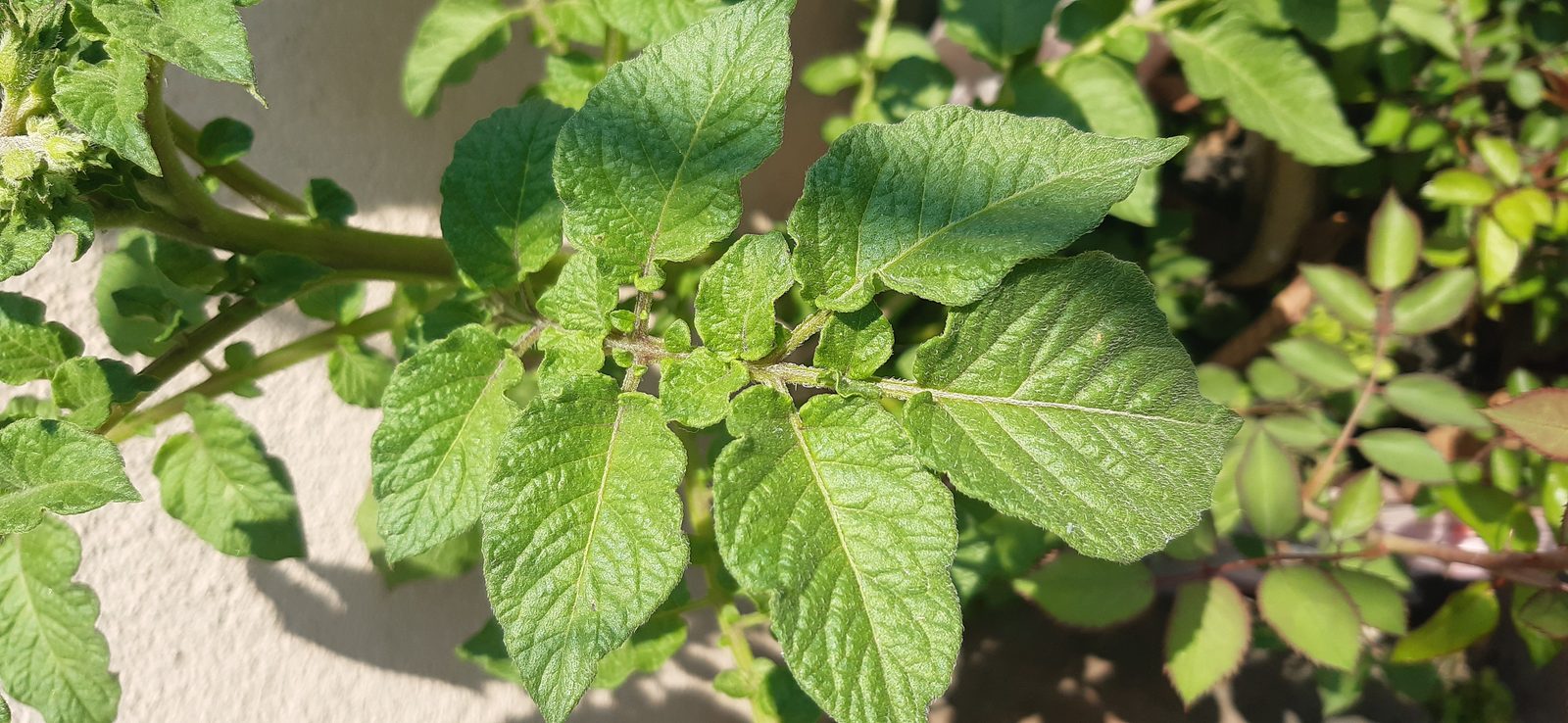
Tomato leaf curl is a change in leaf shape where the edges roll inward, upward, or downward instead of lying flat. The plant is reacting to stress, and the curl itself is a symptom rather than a disease on its own.
This article explains why tomato leaves curl and how to fix it, including water stress, heat, pests, viruses, and harmless leaf roll, plus a step-by-step way to diagnose your own plant.
What curled tomato leaves look like
Curling can take several forms. Leaves may roll upward into tubes, cup downward, or twist along their length. The pattern matters, because different causes leave different marks.
Some curling comes with extra clues. Yellowing, spots, sticky residue, or stunted growth point toward pests or disease. Curling on an otherwise healthy plant, with no spots and normal growth, is more likely a response to water or heat.
The University of Minnesota Extension lists leaf roll as a non-damaging plant disorder that causes tomato leaves to roll in on themselves. That type of curl looks worrying but does not ruin the crop. The key is to separate harmless roll from curl that comes with disease.
Why tomato leaves curl: the main causes
Water stress is the most common trigger. When soil dries out between waterings, leaves curl to slow water loss through their pores. Ask Extension explains that the leaf pores, called stomata, try to prevent further water loss when the plant runs short, and advises watering when the soil is dry at a depth of 1 inch.
Heat adds to the problem. Tomatoes are heat-loving plants, but long hot spells dry the soil fast and push leaves to curl. Cornell Garden-Based Learning notes that poor fruit set can follow temperatures above 90 F or below 55 F, and that covers should come off when temperatures pass 85 F.
Physiological leaf roll is a separate, harmless response. It often shows up in mid to late season, starts on older lower leaves, and leaves the plant otherwise healthy. The University of Minnesota Extension describes it as a non-damaging disorder, so it needs no treatment.
Aphids are a pest cause worth checking. The University of Minnesota Extension says aphids can colonize tomato plants in large numbers, and that gardeners may notice leaf curling, discoloration, and sticky leaves. A heavy aphid colony can distort new growth and leave a sticky coating behind.
Viruses are the most serious cause. The University of Minnesota Extension says tomato viruses cause off-coloring and odd patterns in leaves and fruit, as well as distortion of all plant parts. A virus-infected plant will not recover, and it can serve as a source of infection for nearby plants.
Overfeeding can also stress plants. Cornell Garden-Based Learning warns against excessive nitrogen, which can cause heavy foliage and poor fruit set. A plant pushed into leafy growth with fertilizer is not stronger, and it may fruit less well.
How to tell which cause you have
Start with the soil, not the spray bottle. Push a finger or a trowel into the soil near the plant and check moisture a few inches down. If the soil is dry, water stress is the leading suspect.
Next, turn over several leaves and inspect the undersides. Aphids cluster there, and sticky residue or tiny insects confirm a pest problem. Clean hands and a close look beat guessing from across the garden.
Then note the pattern. Curl on older lower leaves with a healthy plant points toward physiological leaf roll.
Curl with yellow mottling, twisted new growth, or stunted stems points toward a virus. Curl after a heatwave or a missed watering points toward water stress.
Finally, check recent weather and garden work. A heatwave, a dry week, or a heavy dose of fertilizer in the last few days all narrow the list. Good bed care pays off across crops, from fixing bare lawn patches to growing vegetables in shade and planting garlic in autumn.
How to fix curled tomato leaves
Fix water stress with deep, steady watering. The University of Minnesota Extension says one inch of rainfall or irrigation per week is ideal, and that gardeners should always soak the soil thoroughly when watering. Light watering causes shallow roots and leaves the plant exposed to hot weather and drought stress.
Water at the base of the plant. The University of Minnesota Extension advises against overhead sprinkling, because wet leaves are more disease prone and soil splashed onto leaves can carry disease spores. A soaker hose or a watering can aimed at the soil keeps leaves dry.
Mulch to hold moisture steady. The University of Minnesota Extension recommends mulching with herbicide-free grass clippings, weed-free straw, or other organic material to a depth of three to four inches. Mulch also cuts weed growth and keeps soil temperature steadier.
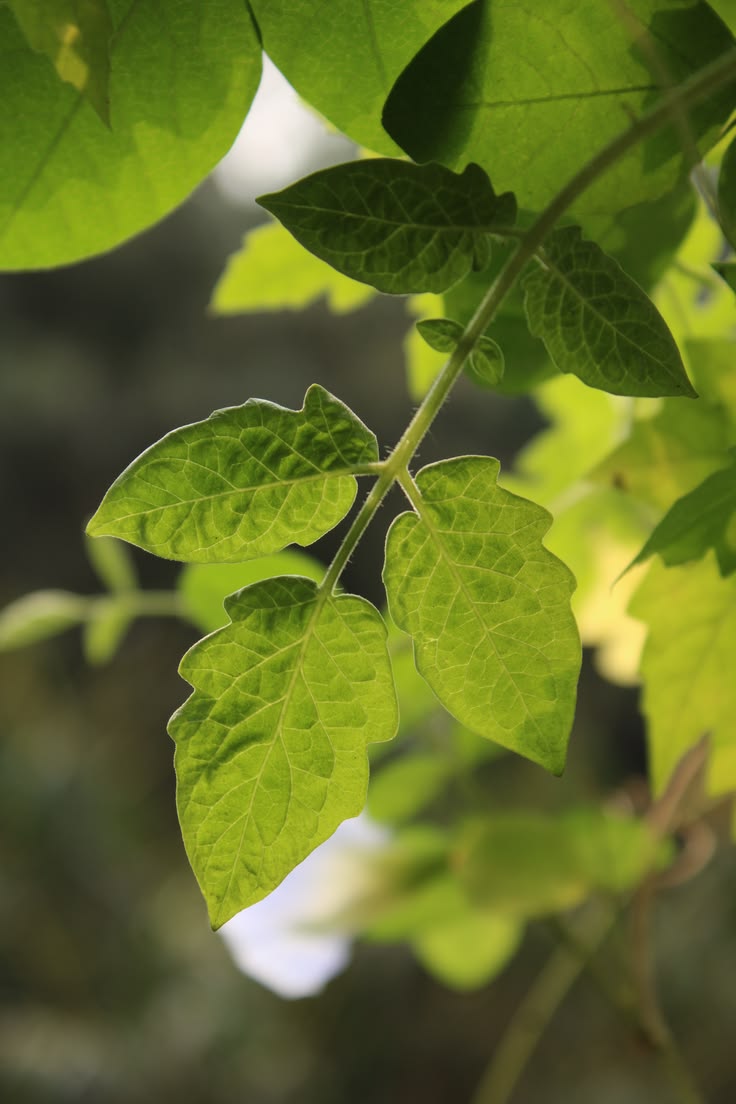
For aphids, start with water. Cornell Garden-Based Learning says a hard stream of water can remove aphids from plants, and suggests checking for natural enemies such as lady beetle larvae and lacewings. A strong jet from a hose knocks colonies off without chemicals.
For virus-like symptoms, act fast and be strict. Pull the plant, bag it, and dispose of it away from the garden. The University of Minnesota Extension notes that a resistant variety will not become diseased, so choosing resistant varieties next season is the best long-term defense.
For harmless leaf roll, do nothing. The plant is coping with conditions, and stripping curled leaves removes food-making surface it still needs. Keep watering steadily and let the plant grow through the spell.
For heat stress, shade helps on the worst afternoons. A light shade cloth over the bed during a heatwave cuts leaf temperature without blocking all light. Remove it when the heat passes so the plant gets full sun again.
What not to do
Do not strip every curled leaf at the first sign of trouble. Curled leaves still photosynthesize, and heavy pruning stresses the plant further. Remove only leaves that are badly diseased or dead.
Do not compost diseased material. Ask Extension advises throwing away damaged leaves so they do not infect the soil or other plants. Bag suspect leaves and stems and put them in household waste.
Do not water from above in the evening. Wet leaves overnight give fungal diseases a long damp window. Morning watering at the base lets any splashes dry fast.
Do not pile on fertilizer to "feed" a curling plant. Cornell Garden-Based Learning warns that too much nitrogen leads to bushy, leafy plants that are slow to bear fruit. If the soil is dry, water is the fix, not fertilizer.
Tomatoes are not the only crop that sulks in poor conditions. Carrots fork in containers when their soil and spacing are off, so steady care across the bed pays.
Frequently asked questions
Will curled tomato leaves straighten out again?
Sometimes. Leaves curled by water stress often relax within a day or two of steady watering. Leaves curled by physiological leaf roll may stay rolled, and virus-distorted leaves will not recover.
Can I still eat tomatoes from a plant with curled leaves?
Fruit from a plant with harmless leaf roll is fine to eat. If the plant shows virus symptoms, remove the plant, and wash any harvested fruit well. When in doubt, do not save seed from a sick plant.
Should I remove a tomato plant with curled leaves?
Remove it only when virus symptoms are clear, such as mottled color, twisted new growth, and stunting. For water stress, heat, aphids, or harmless leaf roll, treat the cause and keep the plant.
How often should I water tomatoes in hot weather?
Aim for steady moisture rather than a fixed daily rule. The University of Minnesota Extension calls one inch of water per week ideal, with more frequent watering on very sandy soils. Check soil moisture before watering again.
The bottom line
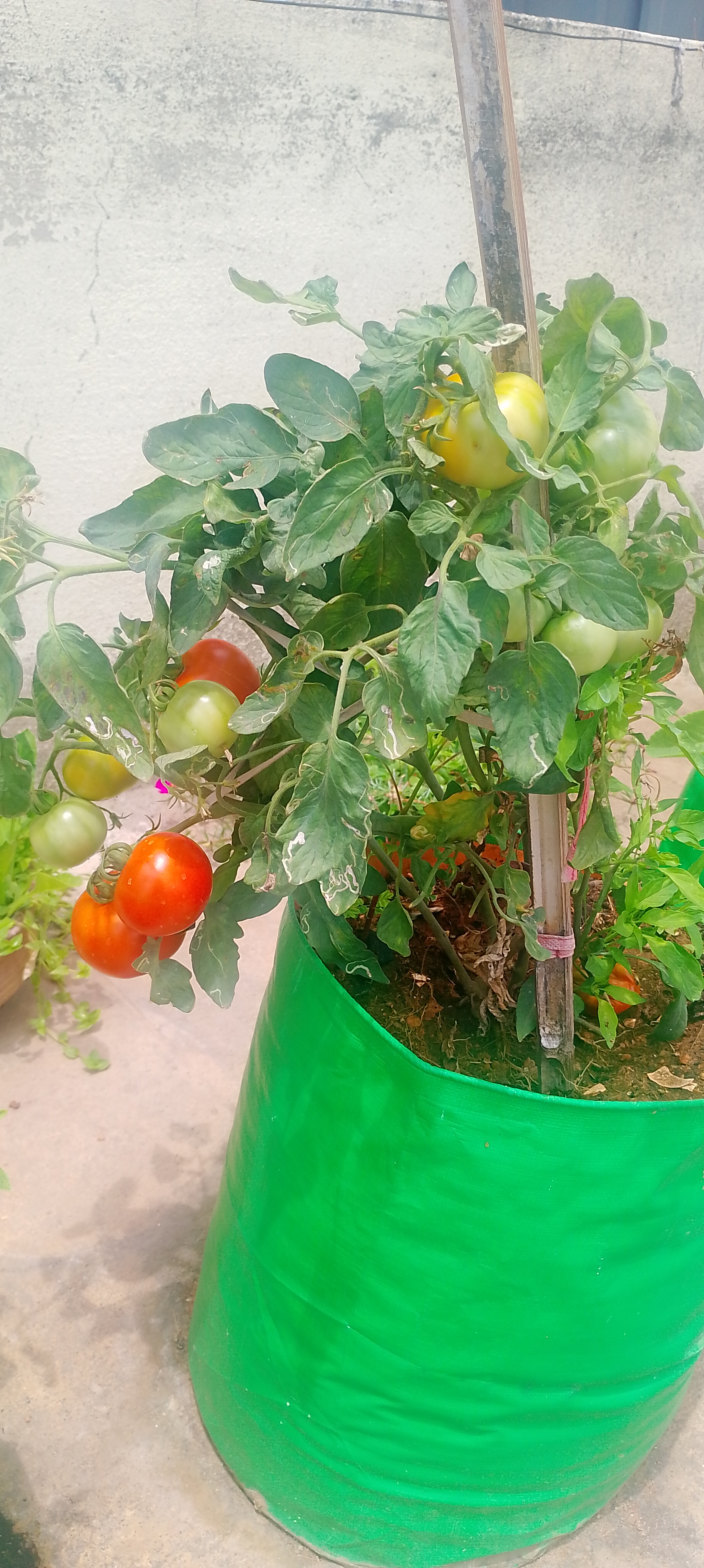
Most tomato leaf curl comes from water stress, heat, or harmless leaf roll, and it responds to steady base watering, mulch, and patience. Aphids need a wash-off, and virus-like plants need removal. Diagnose first, treat second, and the plant usually tells you what it needs.
Tags: tomatoes, leaf curl, vegetable gardening, plant care
Latest in Gardening
- How to Plant Garlic in Autumn for a Summer Harvest
- How to Fix Bare Spots and Patchy Lawn
- How to Grow Carrots in Containers Without Forked Roots
- What Vegetables Grow in Shade
Subscribe for one practical gardening tip each week.
Related stories

What Is Companion Planting and Does It Work?
Marigolds work as a nematode cover crop, but the basil flavor claim failed repeated tests. An honest evidence review of what companion

Determinate vs. indeterminate tomatoes: growth, pruning, and harvest differences
Determinate tomatoes grow to a set size and ripen all at once, while indeterminate types vine all season. That one difference shapes

How to improve clay soil for gardening
Gypsum will not fix ordinary clay soil, say extension experts. What actually works: 2 to 3 inches of compost, mulch, better drainage,