
What Vegetables Can You Grow in Shade? A Practical List
Key takeaways
- Leaf crops grow on 3 to 4 hours of sun; roots need about 6.
- Fruit crops like tomatoes need 8 or more hours and fail in shade.
- Shade slows growth but improves flavor and delays bolting in greens.
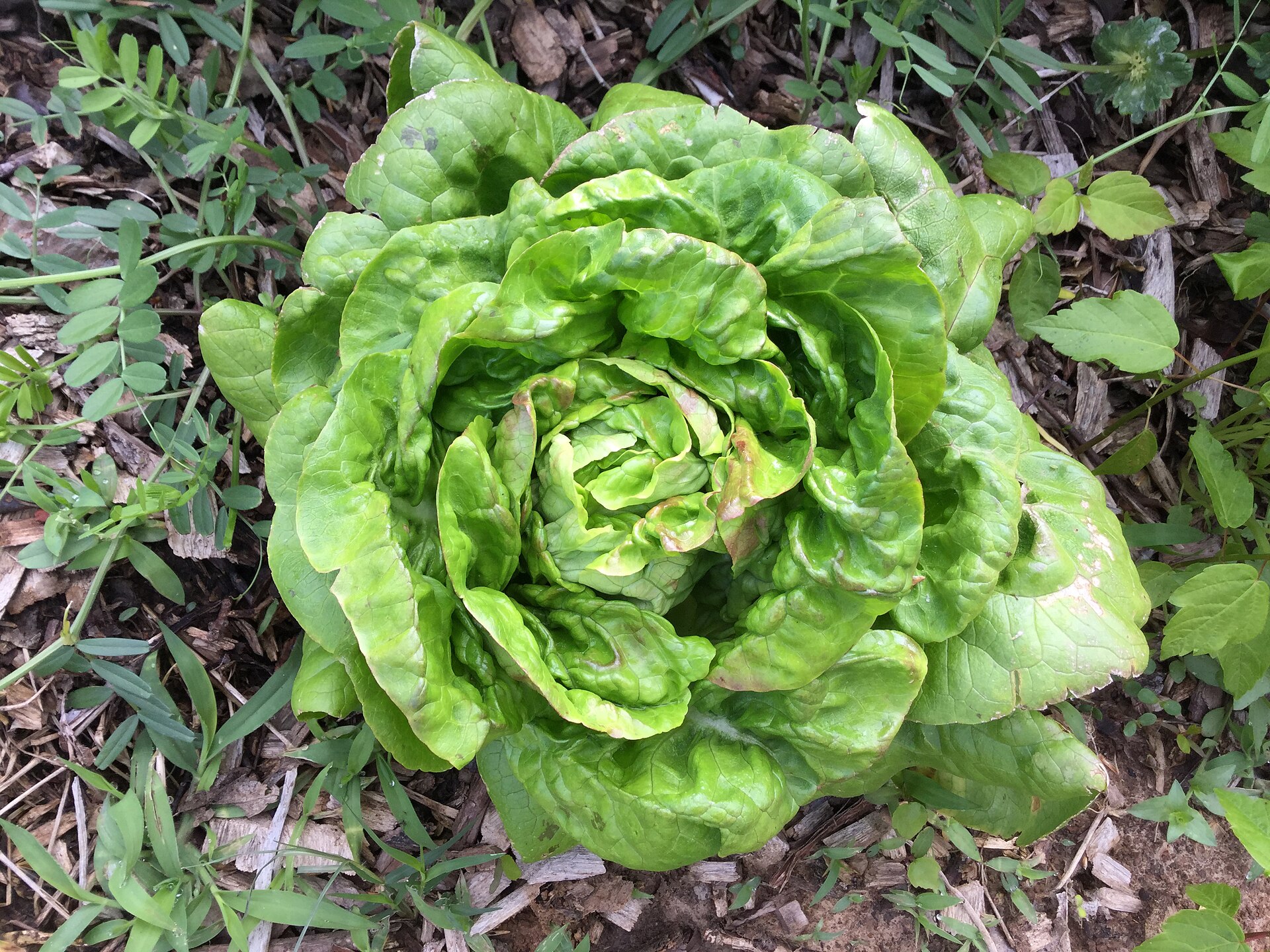
A shady garden can still grow food. Leaf crops such as lettuce, spinach, kale, and chard produce on three to four hours of direct sun. Root crops such as radish, beet, and carrot need about six hours.
Fruit crops such as tomatoes, peppers, and squash need eight or more, and they will not fruit in shade.
This article explains what vegetables can you grow in shade, sorted by the hours of sun they need. It also covers how to measure your light, which crops to skip, and how to handle the slugs and tree roots that come with shady beds.
The rule that makes shade gardening work
Eat leaves in shade, roots in part sun, and fruit in full sun. That rule, laid out by GreenConserve, explains nearly every shade-gardening result. A leaf crop only has to build leaves.
A fruiting crop has to build the plant, flower, get pollinated, and then fill fruit, which takes far more photosynthesis than a shady bed can supply.
Iowa State University Extension backs the same pattern. GreenConserve cites Iowa State's guidance that most vegetables need at least six hours of direct sun a day to produce a good crop, but leaf lettuce, spinach, collards, Swiss chard, and kale can grow well on three to four hours. Radishes, kohlrabi, beets, cauliflower, and broccoli are other possibilities for partial shade.
The practical takeaway is simple. If your bed gets three hours of sun, grow leaves. If it gets six, add roots.
If it gets eight or more, grow anything. Matching the crop to the light beats fighting the light.
Measure your light before you plant
Most gardeners guess their light wrong, usually on the pessimistic side. GreenConserve recommends a simple check: on a clear day, look at the bed every hour from morning to evening and note whether it sits in direct sun. Count the total.
Do the check in the season you plan to grow, since a bed shaded by a leafy tree in July may sit in full sun in April.
Two kinds of shade behave differently. Dappled shade under an open tree canopy filters light but leaves it present for most of the day, and it grows better than the hour count suggests. Full block shade from a wall, fence, or building is genuinely dark for those hours, with no filtered light at all.
A phone photo of the bed at each hourly check makes the tally easy to review later. One day of notes beats a season of guessing, and it tells you which of the lists below fits your bed.
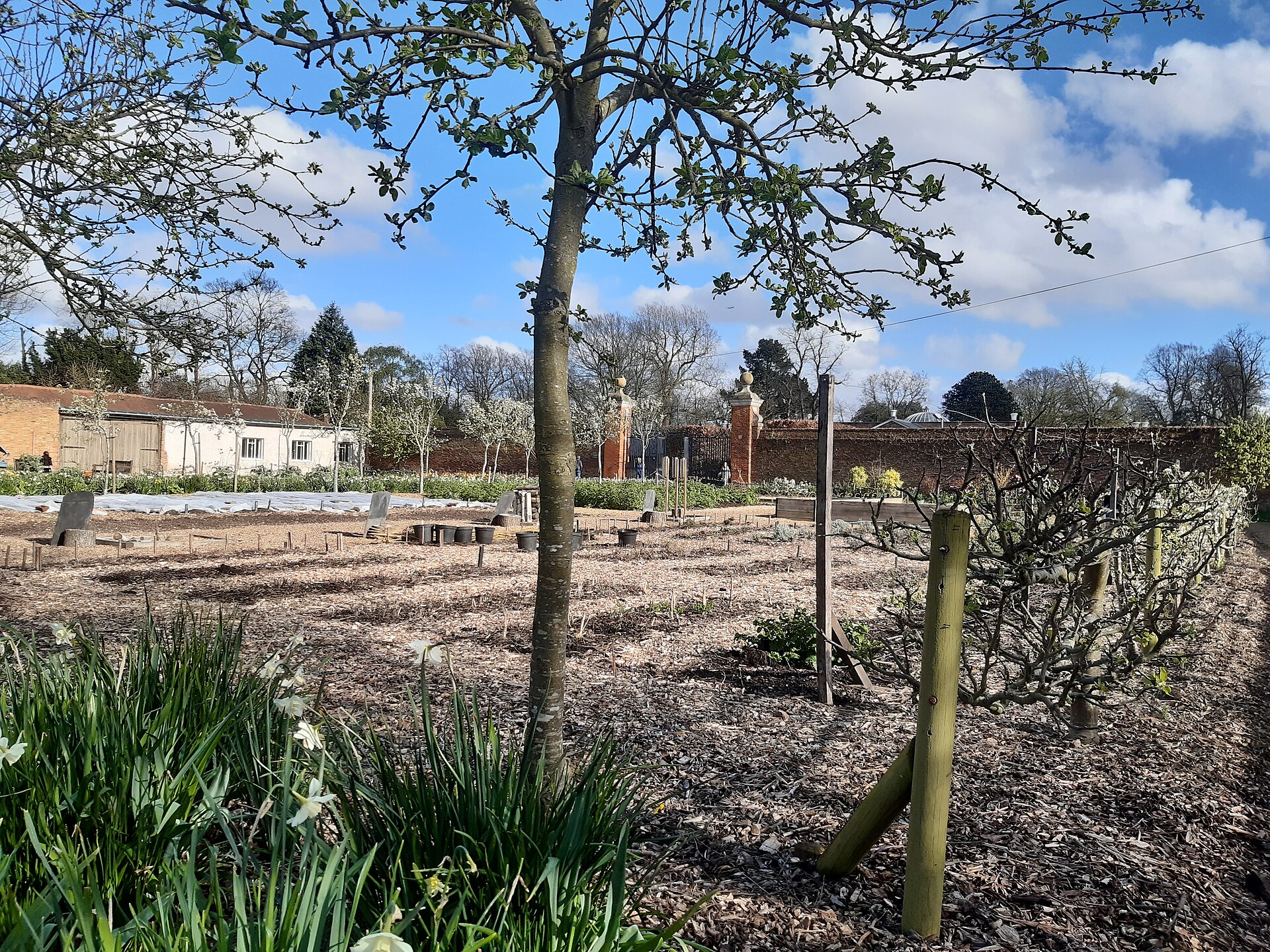
Three to four hours: leaves only
With three to four hours of direct sun, grow leaf crops and herbs. These plants put their energy into leaves, which is exactly what you eat.
Lettuce leads the list. Loose-leaf types work best in shade, since you can cut outer leaves and let the plant keep growing. Shade also delays bolting, which is the rush to flower that turns lettuce bitter.
Spinach is a natural shade crop. The RHS advises sowing spinach in light shade in warmer weather to keep it cooler, since spinach does best at 15 to 20 degrees Celsius and bolts in hot, dry conditions. Spinach also suits containers, and the RHS notes that baby leaves can be picked in as little as a month after sowing, with mature leaves in about two months.
Chard, kale, arugula, mizuna, and mustard greens all belong in this band. Chard grows slower in shade but stays reliable. Arugula and mustard greens taste milder and less bitter grown in part shade, which suits salads.
Herbs round out the list. Mint grows vigorously in shade, but it spreads fast, so keep it in a pot. Parsley and chives stay steady in low light.
Cilantro bolts less in shade, which is a real advantage in warm climates.
Four to six hours: leaves plus brassicas and peas
With four to six hours of sun, keep all the leaf crops above and add brassicas, peas, and more herbs. Heads get smaller and pods get fewer, but the harvest stays worthwhile.
Pak choi suits cooler shaded beds. Broccoli, especially sprouting types, forms smaller heads that still repay the space. Green onions stay reliable.
Sorrel prefers part shade.
Peas crop in this band, with fewer pods than a sunny bed. Runner beans also appear on the RHS shade-tolerant list. Both fix nitrogen, which helps the soil, but both need support.
A small trellis or a few canes on the sunny side of the bed works.
About six hours: root crops join in
With about six hours of direct sun, root crops join the list. Radish, beet, carrot, turnip, and potato all produce, with smaller roots and longer waits than in full sun.
Radish is the most shade-forgiving root. It matures fast, often in three to four weeks, and it tolerates part shade well. Sow a short row every two weeks for a steady supply.
Thin the seedlings so roots have room to swell.
Beets give two harvests in one plant. The roots grow smaller in shade, but the leaves stay excellent. Pick a few outer leaves for salads while the roots size up.
The RHS shade-tolerant list includes beets for the same reason.
Carrots grow smaller and slower in shade, and they need loose soil regardless of light. Short varieties suit shade better than long ones, since they need less depth and less time. Keep the soil free of stones, and thin early so roots grow straight.
Turnips stay reliable in this band. Potatoes produce a lower yield, but they do crop. Bush beans sit at the edge: the crop shrinks, but the plants still produce, so they are worth trying if you have space.
Which vegetables will not grow in shade
Some crops need full sun, and no variety choice fixes that. GreenConserve names them plainly: tomatoes, peppers, chiles, eggplant, cucumbers, zucchini, pumpkins, squash, melons, and sweet corn all need eight-plus hours. In four hours of sun they produce a leggy plant, a handful of flowers, and almost no fruit.
That failure wastes a season. If these crops are what you want to grow, find a sunnier spot or use containers you can move. A large pot on a wheeled base can follow the sun across a patio through the day or across the season.
Shade has genuine advantages
Shade gardening is usually framed as pure compromise, but it has real upsides. The first is bolting. Lettuce, spinach, arugula, and cilantro run to seed when they get hot.
Iowa State notes that a part-sun location in the heat of summer may keep greens growing longer without bolting. Many gardeners deliberately sow late lettuce on the shady side of taller crops for exactly this reason.
The second advantage is water. Shaded beds dry out more slowly, so watering is less frequent. That helps in hot climates and during dry spells, and it suits crops such as spinach that need steady moisture.
The RHS stresses that spinach is a thirsty crop and needs watering in dry weather, since lack of water interrupts growth and triggers early flowering.
The third advantage is flavor. Arugula and mustard greens taste milder and less bitter in part shade. Lettuce stays tender longer.
For salad crops, a partly shaded bed in midsummer is often the better bed, not the backup bed.
Can you grow vegetables under a tree?
Sometimes, but light is often not the main problem. Trees compete with vegetables for water and nutrients, and shallow-rooted species such as maples can fill a bed with fine feeder roots within a season or two. Shade under trees also tends to be dry as well as dim.
GreenConserve lists practical options from least to most effort. Grow in containers set on the surface, where tree roots cannot reach. Use a raised bed with a root barrier, such as weed barrier fabric under the soil, and expect roots to find their way in over time.
Raise the canopy by removing a few lower branches, which can add an hour or more of filtered light, though large trees are a job for a certified arborist.
How to stop slugs in a shade garden
Damp, shaded, cool conditions are exactly what slugs want, and leafy crops are what they eat. GreenConserve calls slugs the practical difficulty of shade gardening far more often than light is. The University of Illinois Extension, cited by GreenConserve, describes slugs as shell-less mollusks about 2 inches long that cause significant damage in shady, moist gardens.
Several controls work without harsh chemicals. Beer or yeast traps use a container sunk level with the soil, filled with 5 to 6 inches of beer or yeast water. Slugs crawl in and drown.
Empty and refill the traps often.
Copper barriers use copper tape or flashing around a bed or pot. Contact with slug mucus is unpleasant, so slugs avoid crossing. Illinois Extension describes this as deterring rather than killing.
Evening hand-picking works well, since slugs feed at night and on damp, cloudy days. Picking after rain catches the most slugs. A drier surface also helps: thin crowded plants, prune low branches, and water in the morning so the surface dries by night.
Start here if you are unsure
Sow loose-leaf lettuce and arugula first. Both germinate readily, tolerate the least light of anything worth eating, and are ready in around a month. They tell you quickly whether your bed is workable.
FAQ
What vegetables grow in full shade?
Very few. Under three hours of direct sun, herbs such as mint, parsley, and chives survive, but almost no vegetable produces a real harvest. If your bed gets under three hours, grow herbs and ornamentals, or move crops into containers that can follow the sun.
Can lettuce grow in shade?
Yes. Lettuce is one of the best shade crops. GreenConserve lists loose-leaf lettuce for three to four hours of sun, and shade delays bolting, which keeps leaves tender longer.
How do I keep slugs off shade vegetables?
Use beer traps, copper barriers, evening hand-picking, and morning watering so surfaces dry by night. Illinois Extension describes slugs as shell-less mollusks about 2 inches long that thrive in shady, moist gardens, so reducing damp habitat helps as much as any trap.
The bottom line
Shade does not end vegetable gardening. It narrows the list. Grow leaves on three to four hours of sun, add brassicas and peas on four to six, and add roots on about six.
Skip fruit crops unless you have eight hours or a movable pot.
Tags: gardening, vegetables, shade gardening, grow your own
Latest in Gardening
- How to fix tomato leaves that curl
- How to plant garlic in autumn for a summer harvest
- How to fix a patchy lawn and bare spots
- How to grow carrots in containers without forked roots
Subscribe for weekly gardening guides from the Rive News research desk.
Related stories

What Is Companion Planting and Does It Work?
Marigolds work as a nematode cover crop, but the basil flavor claim failed repeated tests. An honest evidence review of what companion

Determinate vs. indeterminate tomatoes: growth, pruning, and harvest differences
Determinate tomatoes grow to a set size and ripen all at once, while indeterminate types vine all season. That one difference shapes

How to improve clay soil for gardening
Gypsum will not fix ordinary clay soil, say extension experts. What actually works: 2 to 3 inches of compost, mulch, better drainage,