
Do Marigolds Really Repel Garden Pests? What Research Shows
Key takeaways
- French marigolds genuinely suppress root-knot nematodes: their roots release alpha-terthienyl, a compound toxic to these soil pests.
- Simply interplanting a few marigolds beside vegetables rarely protects neighbors; dense cover-crop plantings work far better.
- There is little scientific evidence that marigold scent repels most above-ground insects, despite generations of folk claims.
Every spring, garden centers sell marigolds as nature's pest repellent, and generations of gardeners have ringed their tomato beds with them. Some of that reputation is earned.
Some of it is folklore repeated so often it hardened into fact. The science, when you look closely, draws a sharp line between what marigolds do underground and what they supposedly do above it.
This article checks the claims, including how marigold roots attack nematodes, why interplanting usually disappoints, and what the evidence says about above-ground pests.
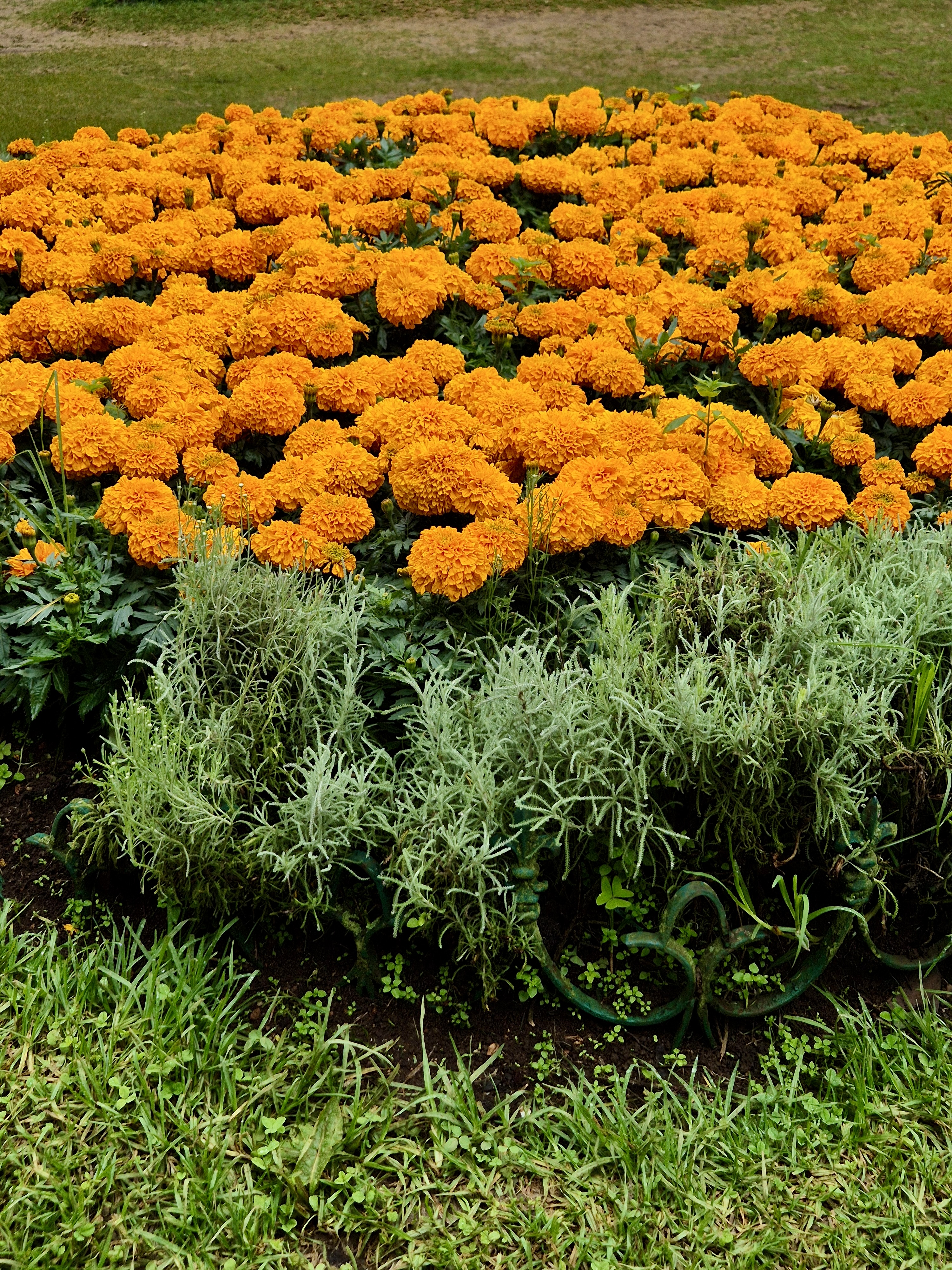
The claim with real science behind it: nematodes
The strongest evidence for marigolds concerns root-knot nematodes, microscopic roundworms in the genus Meloidogyne that feed on vegetable roots and cause the swollen galls behind stunted tomatoes, peppers, and carrots. Global agricultural losses to plant-parasitic nematodes have been estimated at US$100 billion annually, so a flower that fights them is genuinely valuable.
French marigolds (Tagetes patula) are the standout species. Their roots release a sulfur-containing compound called alpha-terthienyl.
Research published in Biology Open showed that this compound penetrates the outer layer of root-knot nematodes and triggers a burst of oxidative stress inside their cells, with nematode mortality observed within 24 hours of exposure. It works in complete darkness, without needing sunlight to activate, and it also inhibits nematode eggs from hatching, which breaks the pest's life cycle in the soil.
Field results back the lab work. Research in California found that tomatoes grown after a season of French marigolds had significantly fewer root galls, and in one trial melon yields increased by 95 percent when planted in soil where marigolds had grown the previous year.
The residual protection can persist for up to three years in some cases. One French marigold variety, Single Gold, tested in university field trials, consistently reduced nematode infestation in tomatoes and at one California site performed as well as chemical fumigation.
A literature review of marigold cover-crop research, summarized on ResearchGate, found that Tagetes species can suppress around 14 genera of plant-parasitic nematodes, especially root-knot and lesion nematodes. But the same review stresses variability: results depend on the marigold cultivar, the nematode species, the planting method, and temperature. French marigolds are the most reliably supported choice; African marigolds (Tagetes erecta) have shown less consistent suppression, and signet marigolds have even less evidence behind them.
Why a marigold border usually disappoints
Here is the catch that folk wisdom misses. The nematode effect is real, but it is not a force field. UF/IFAS guidance confirms that selected French marigold cultivars suppress certain root-knot nematode species, yet interplanting marigolds around vegetables generally produces inconsistent or absent effects, according to a review in Applied Soil Ecology.
The reason is physical. Nematodes live in the soil, and the toxic compound acts where marigold roots actually grow. A sparse ring of marigolds beside a tomato row does not create a protective chemical barrier around neighboring plants.
Nematodes can still find and reproduce on the vegetable roots growing right next to the marigolds. Proximity alone does not protect the neighbor.
What works is density and timing. Clemson University's extension program recommends planting marigolds as a dense, solid stand spaced no more than 7 inches apart. The proven method is to grow a full season of marigolds as a cover crop, then till them into the soil before planting the cash crop.
This biofumigation approach cleanses the soil for the following year. A few decorative plants dotted through the bed cannot replicate it.
Cultivar and nematode species matter too. Greenhouse studies by Ploeg found that a Tagetes cultivar suppressing one root-knot species, such as Meloidogyne incognita, could perform quite differently against M. arenaria, M.
javanica, or M. hapla. Suppression is not eradication either: marigolds reduce nematode populations rather than wiping them out, which matters if you are staking a whole tomato crop on the result.
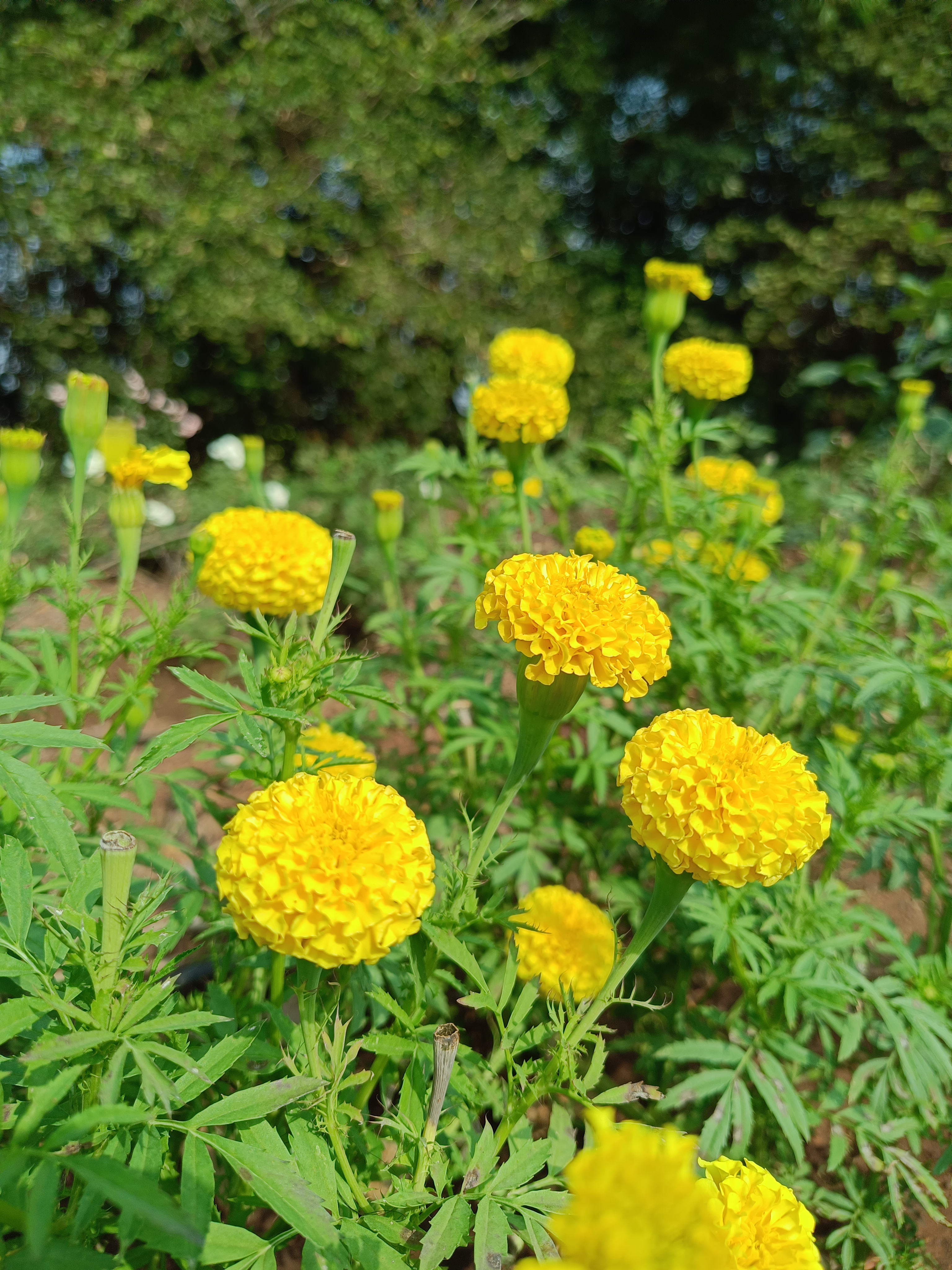
The shaky claim: repelling above-ground insects
Above ground, the evidence thins dramatically. The persistent story is that marigolds' pungent scent confuses or deters pests from rabbits and deer to squash bugs and tomato hornworms.
Research at Rutgers University found that marigolds failed to repel cabbage pests, carrot pests, and onion pests. As one evidence review puts it, there is very little scientific research supporting the idea that marigold scent alone drives insects away from nearby crops.
That does not make marigolds useless above ground. Mexican marigolds (Tagetes erecta), often sold as African marigolds, produce the strongest scent of the species, and French marigolds do repel whiteflies specifically.
More importantly, marigold flowers are excellent at attracting beneficial insects: hoverflies, ladybugs, and parasitic wasps that prey on aphids and other small pests. The pest-control benefit above ground comes less from repelling the bad insects and more from recruiting the good ones.
One caution: marigolds can sometimes attract spider mites, so they deserve watching rather than blind trust. Treat above-ground planting as a low-risk experiment with real but modest benefits, not a primary defense. If your tomatoes are struggling, check our guide to blossom end rot causes in tomatoes before blaming pests for every symptom.
How to actually use marigolds against pests
If nematodes are your problem, plant French marigolds, ideally a tested cultivar like Single Gold, as a dense cover crop for a full season before your vegetables go in. Space them no more than 7 inches apart, let them establish, and till the residue into the soil afterward. Expect suppression, not elimination, and remember the effect varies with nematode species.
For general garden health, interplant marigolds to attract beneficial insects and add diversity, but do not count on scent alone to protect neighboring crops. Pair them with genuinely healthy soil, since vigorous plants tolerate pest pressure better, and earthworm activity is one of the best signs your soil biology is working.
Frequently asked questions
Which marigold variety is best for pest control?
French marigolds (Tagetes patula), particularly tested cultivars like Single Gold, have the strongest research support for nematode suppression. African marigolds show less consistent results in trials.
Will planting marigolds around my tomatoes protect them from hornworms?
There is no solid evidence for that. Marigolds attract beneficial insects that may help overall, but they are not a proven hornworm repellent. Hand-picking and encouraging parasitic wasps remain more reliable.
How long does the nematode-suppressing effect last?
Research shows residual protection can persist for up to three years after a marigold cover crop in some cases, though results vary with soil, climate, and nematode species.
Can marigolds make pest problems worse?
They can occasionally attract spider mites, so monitor plants rather than assuming every insect near a marigold is being repelled. Overall they remain a low-risk addition to a vegetable garden.
The bottom line
Marigolds really do fight one major pest: French marigolds suppress root-knot nematodes through the root compound alpha-terthienyl, with field trials showing fewer galls and yield gains up to 95 percent in melons. But the effect requires dense cover-crop plantings, not a decorative border, and the famous scent-based repelling of above-ground insects has little scientific backing. Use marigolds for what the evidence supports, and let them recruit beneficial insects while they are at it.
Latest in Gardening
- Blossom end rot in tomatoes: causes and fixes
- Why some flowers close at night
- Why garden seeds fail to germinate
Get one practical gardening insight every morning. Subscribe to the Rive News newsletter.
Related stories
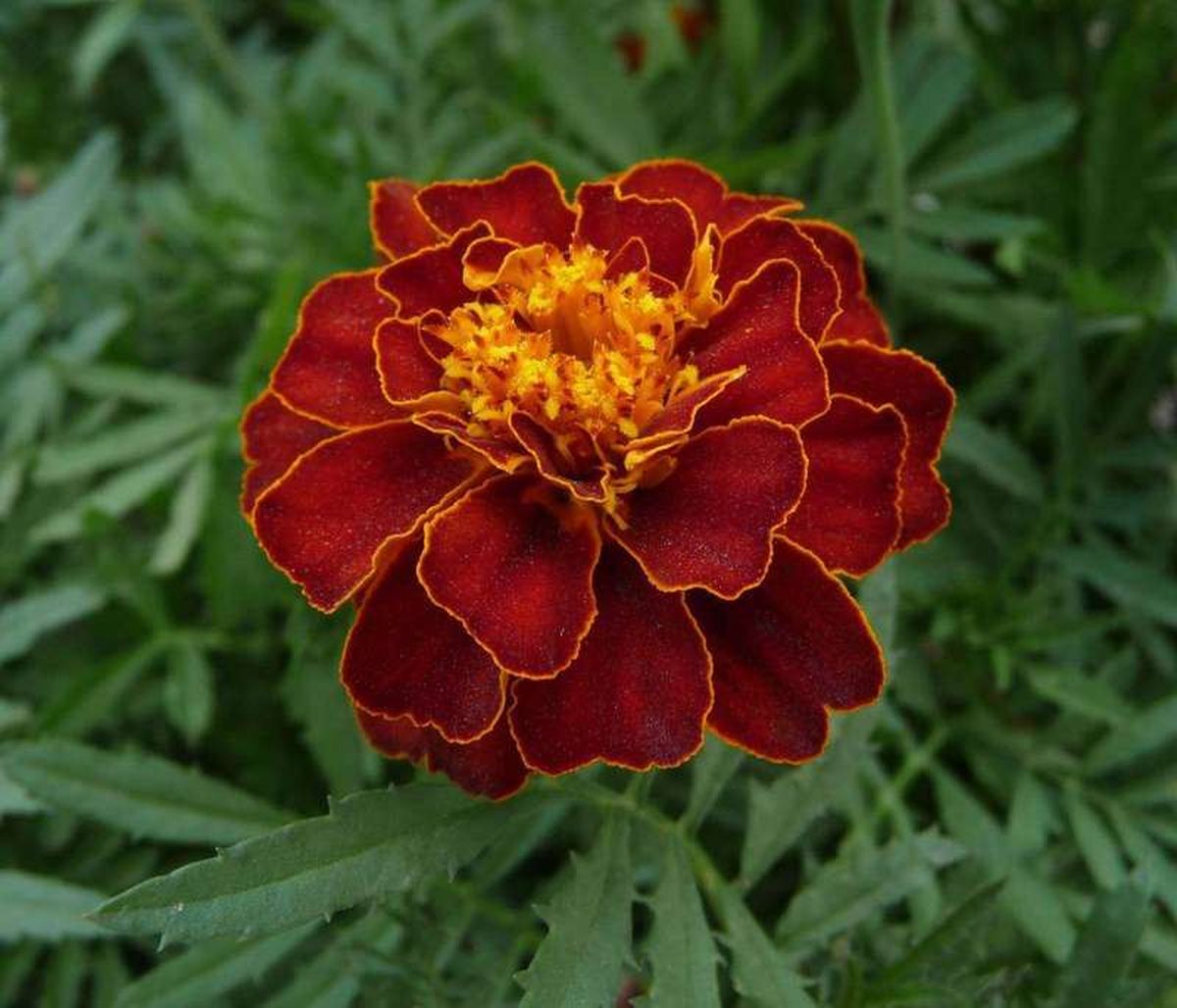
What Is Companion Planting and Does It Work?
Marigolds work as a nematode cover crop, but the basil flavor claim failed repeated tests. An honest evidence review of what companion
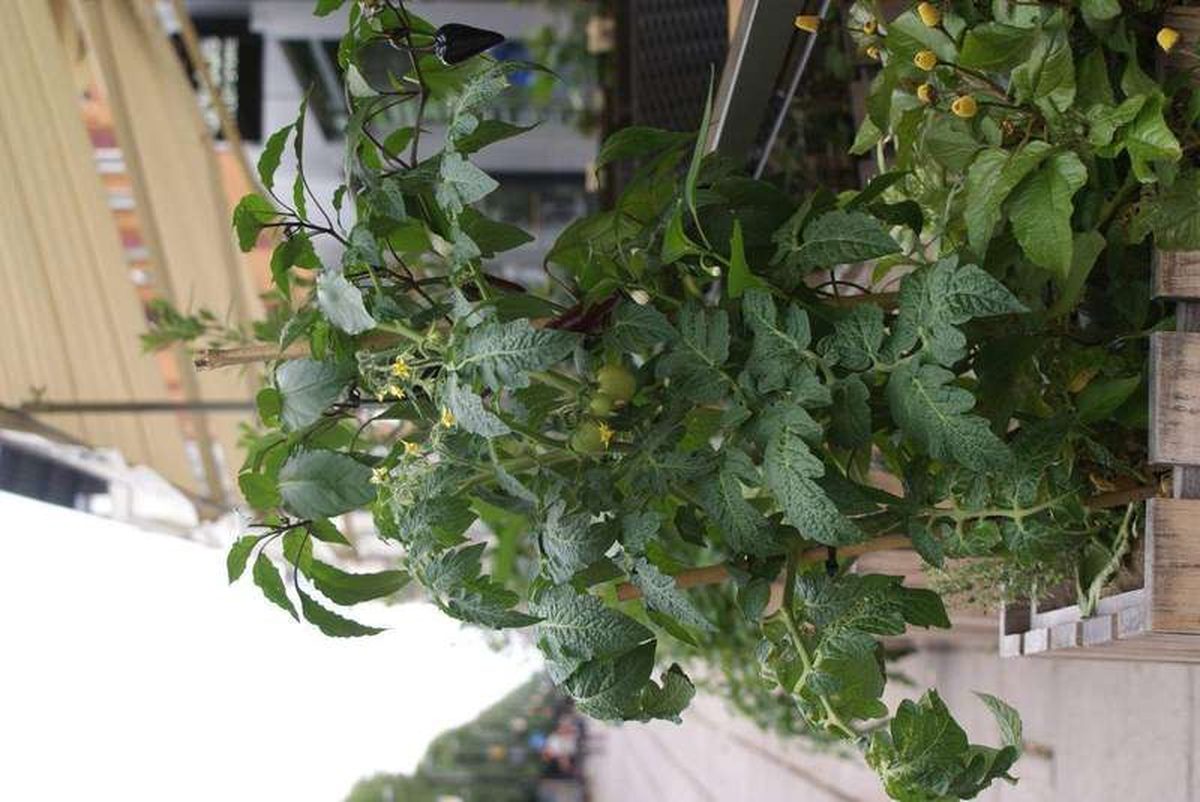
Determinate vs. indeterminate tomatoes: growth, pruning, and harvest differences
Determinate tomatoes grow to a set size and ripen all at once, while indeterminate types vine all season. That one difference shapes

How to improve clay soil for gardening
Gypsum will not fix ordinary clay soil, say extension experts. What actually works: 2 to 3 inches of compost, mulch, better drainage,