
How to protect plants from a sudden frost: 8 proven methods
Key takeaways
- A sudden frost kills plant tissue when ice crystals form inside cells, but covers, moist soil, and mulch blunt the damage.
- Cover plants before sunset with breathable fabric draped to the ground, and remove the cover in the morning.
- Move potted plants under shelter, since pots lose heat on all sides and their roots freeze first.
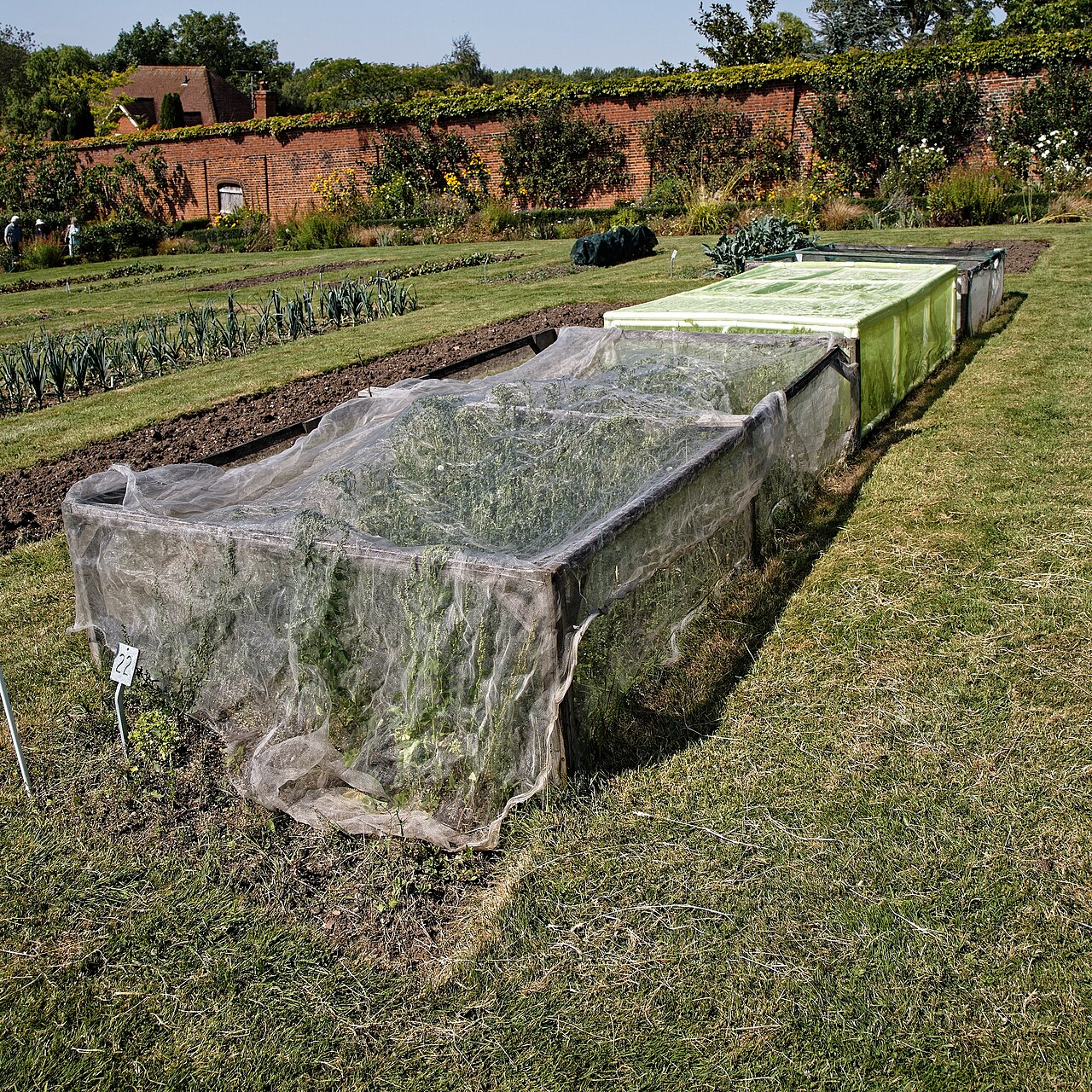
A glass garden cloche shielding plants in a kitchen garden, trapping warmth around tender growth.
Image Credits: Wikimedia Commons
A sudden frost arrives when the forecast promised a mild night and the temperature drops to freezing anyway. Tender leaves, flowers, and new growth can be ruined in a single night, even though the days before felt like spring.
The good news is that a few simple moves, done before bedtime, save most plants. Frost protection is mostly about trapping the heat the soil collected during the day and keeping it near the plant until morning.
This article explains how to protect plants from a sudden frost, including why frost damages plants, the best covering methods, watering and mulching tricks, and what to do after a freeze.
Why frost damages plants
Frost damage is mechanical. When temperatures drop below freezing, ice crystals form inside plant cells and between them.
The crystals puncture cell walls, and when the tissue thaws, the damaged cells collapse. Leaves turn dark, limp, and water-soaked, then dry to a papery brown.
Not all plants are equally vulnerable. Tender annuals, herbs like basil, warm-season vegetables, and newly transplanted seedlings suffer first. Established cold-hardy plants such as carrots, kale, radishes, broccoli, and onions usually tolerate a light frost without help, according to horticultural guides.
The most dangerous nights are clear and still. Clouds act as a blanket, and wind mixes warmer air down to the ground. A clear, calm night lets heat radiate straight up into the sky, which is why frost so often follows a beautiful autumn day.
The best covering methods
Covering is the single most effective thing you can do tonight. A cover traps the heat radiating from the soil and holds a pocket of warmer air around the plant. Research cited from the American Society for Horticultural Science found that a single layer of frost cloth can raise temperatures underneath by 2 to 5 degrees Fahrenheit.
Use breathable fabric: frost cloth, horticultural fleece, old bedsheets, or burlap. Drape the cover loosely over the plant and let it reach all the way to the ground, since the ground is the heat source you are trapping. Secure the edges with bricks, stones, or soil so wind cannot lift them.
Keep the fabric off the leaves. Supports like stakes, wire hoops, or PVC pipes hold the cover up and away from the foliage. Plastic sheeting laid directly on leaves is a bad idea, because it transfers cold to the tissue it touches and traps moisture that can freeze.
Cover before sunset, not after dark. The soil starts radiating its stored heat as soon as the sun drops, and covering early captures that warmth. In the morning, remove the covers once temperatures rise, because plants can overheat under fabric in direct sun.
For individual precious plants, a cloche does the same job in miniature. Glass or plastic cloches, upturned buckets, and even cardboard boxes work for one night. Just remember to ventilate or remove them in the morning.
Watering and mulching tricks
Water the soil in the afternoon before the freeze arrives. Moist soil holds far more heat than dry soil, and it releases that warmth slowly through the night. Aim for damp root zones, not puddles, and water the soil rather than the foliage, since wet leaves freeze harder.
This works because water has a high heat capacity: it absorbs warmth during the day and gives it back gradually after dark. Garden guides consistently rank pre-frost watering among the most effective free defenses, right alongside covering.
Mulch adds a second layer of defense at ground level. Spread two to three inches of straw, shredded leaves, or bark around the base of vulnerable plants.
Mulch insulates the root zone and slows the swings in soil temperature that damage roots. Keep the mulch slightly away from stems and crowns so moisture does not collect against them.
Move what you can. Pots lose heat quickly because the roots are exposed to cold air on all sides, unlike roots in the ground.
Carry containers into a garage, porch, shed, or the house before nightfall. If a pot is too heavy to move, cluster it with other pots against a sheltered house wall and cover the whole group.
New transplants deserve priority. Like young seedlings started indoors, plants that just went into the ground have small root systems and soft growth, which makes them the first casualties of a surprise freeze.
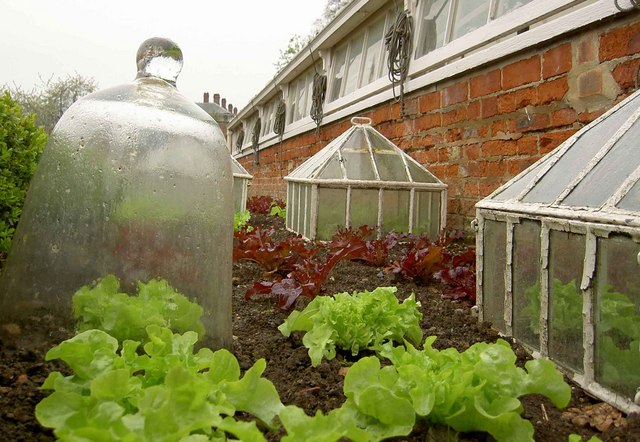
A row of cloches protecting garden beds, each one holding daytime warmth around the plants beneath.
Image Credits: geograph.org.uk via Wikimedia Commons
One more trick for valuable plants: old-style incandescent string lights tucked under a cover give off a little real heat and can add a few degrees. Modern LED lights stay cool and will not help. Keep any cords and bulbs away from dry fabric and use outdoor-rated products.
What to do after a freeze
If the frost caught you unprepared, there is still a morning rescue worth trying. Spritz the foliage gently with water early in the morning, before direct sunlight hits the leaves. As the water melts, it releases a small amount of heat that can slow ice damage in marginally frozen tissue.
Then wait. Do not prune damaged growth right away.
Many plants recover from the crown or roots even when the top growth looks dead, and cutting too early removes tissue that might have survived. Give the plant several days to show you what is truly dead.
When you do prune, use clean shears and cut back to healthy tissue. Remove mushy, blackened leaves so they do not invite disease, but avoid heavy pruning that stresses an already shocked plant.
Check the roots of potted plants that sat out. If the pot itself froze solid, the roots may be damaged even if the top looks okay. Move the pot somewhere sheltered and water normally, then watch for new growth over the next week or two.
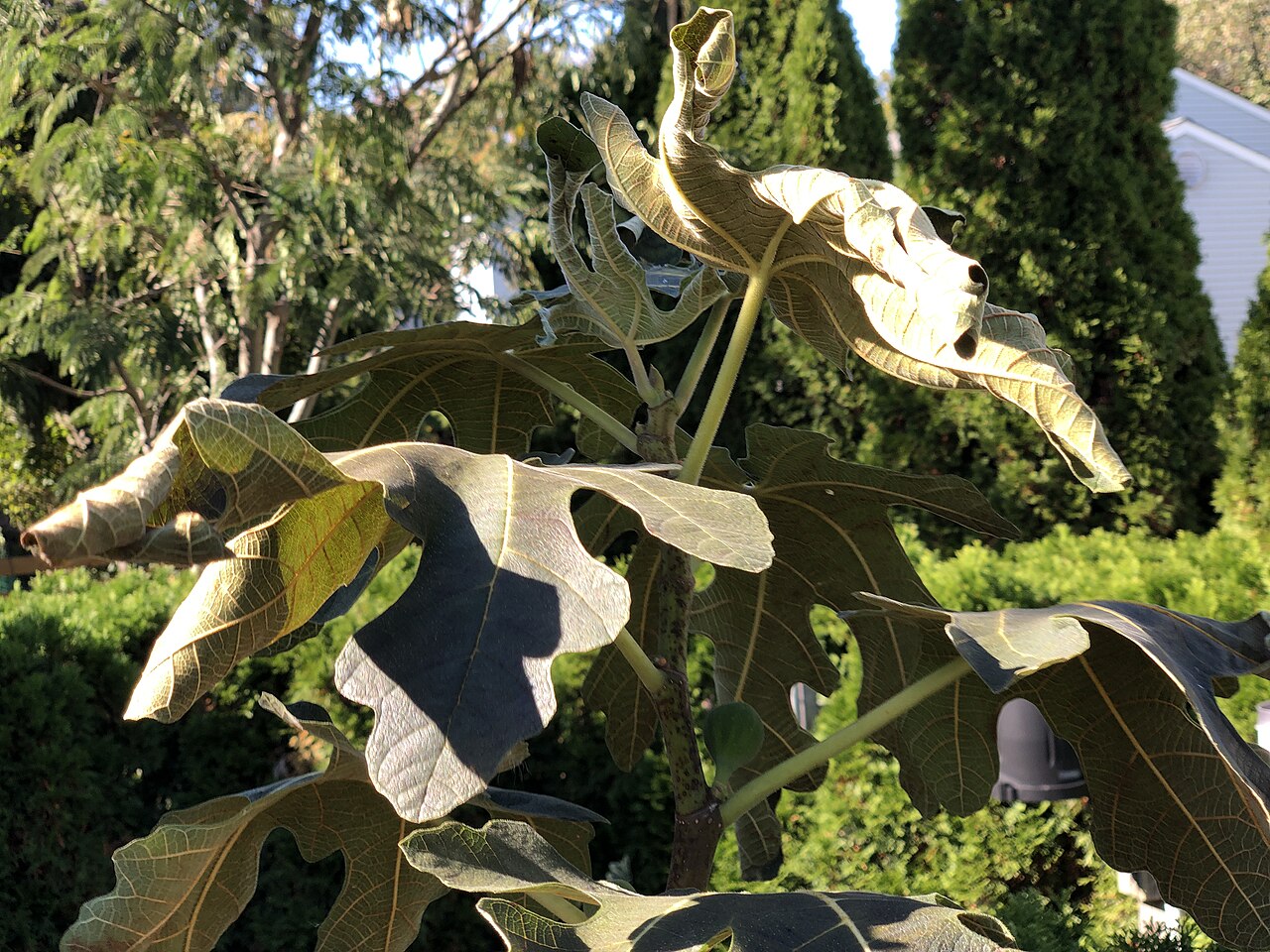
Fig leaves killed by frost, showing the darkened, collapsed tissue that follows a hard freeze.
Image Credits: Wikimedia Commons
Frequently asked questions
At what temperature should I cover my plants?
Cover tender plants when the forecast drops to 36 degrees Fahrenheit (2 degrees Celsius) or below. Frost can form on surfaces even when the air temperature reads slightly above freezing.
Can I use plastic to cover plants?
Only if it does not touch the leaves. Plastic laid directly on foliage transfers cold and traps moisture. If plastic is all you have, prop it on stakes so it hovers above the plant.
Should I water plants before a frost?
Yes, water the soil in the afternoon before the freeze. Moist soil stores more daytime heat and releases it overnight. Avoid wetting the leaves late in the evening.
Will one frost kill my vegetable garden?
It depends on the crop. Tender plants like tomatoes, peppers, and basil can die in a single light frost.
Hardy crops like kale, carrots, and broccoli usually shrug it off. When in doubt, cover.
How do I know if frost damage is permanent?
Wait several days before judging. Leaves that stay black and mushy are dead, but stems and crowns often push new growth. Scratch a stem lightly: green underneath means it is still alive.
The bottom line
A sudden frost is survivable for most plants if you act before sunset. Cover with breathable fabric draped to the ground, water the soil in the afternoon, mulch the roots, and bring pots under shelter. Do those four things tonight, and your garden will greet the morning intact.
Tags: gardening, frost protection, winter gardening, plant care, cold weather
Rive News is a research desk that explains everyday questions with sourced, practical answers.
Latest in Gardening
- Why do seedlings fall over and die?
- Why does your lawn have bare patches?
- What causes white spots on plant leaves?
Subscribe to the Rive News newsletter for one practical explainer every morning.
© 2026 Rive News. All rights reserved.
Related stories
What Is Companion Planting and Does It Work?
Marigolds work as a nematode cover crop, but the basil flavor claim failed repeated tests. An honest evidence review of what companion
Determinate vs. indeterminate tomatoes: growth, pruning, and harvest differences
Determinate tomatoes grow to a set size and ripen all at once, while indeterminate types vine all season. That one difference shapes

How to improve clay soil for gardening
Gypsum will not fix ordinary clay soil, say extension experts. What actually works: 2 to 3 inches of compost, mulch, better drainage,