
Why Strawberry Yields Shrink After the Third Year
Key takeaways
- Strawberry crowns age and turn woody after three fruiting seasons, producing smaller berries and fewer flowers.
- Soil in the same bed tires after two to three seasons, and crowded crowns compete for light, water, and nutrients.
- University extension guidance: renovate June-bearing beds each summer and replant with fresh stock after the third season.
The first two summers, your strawberry patch is a triumph. Baskets of berries, plants thick with runners, more fruit than you can give away. Then year three arrives, and the patch goes quiet.
Berries shrink to marbles. Flowers thin out. The bed looks more like a tangled weed patch than a crop.
This article explains why strawberry yields shrink after the third year, including crown aging, soil exhaustion, and overcrowding, plus the renovation and replanting routine that restores production.
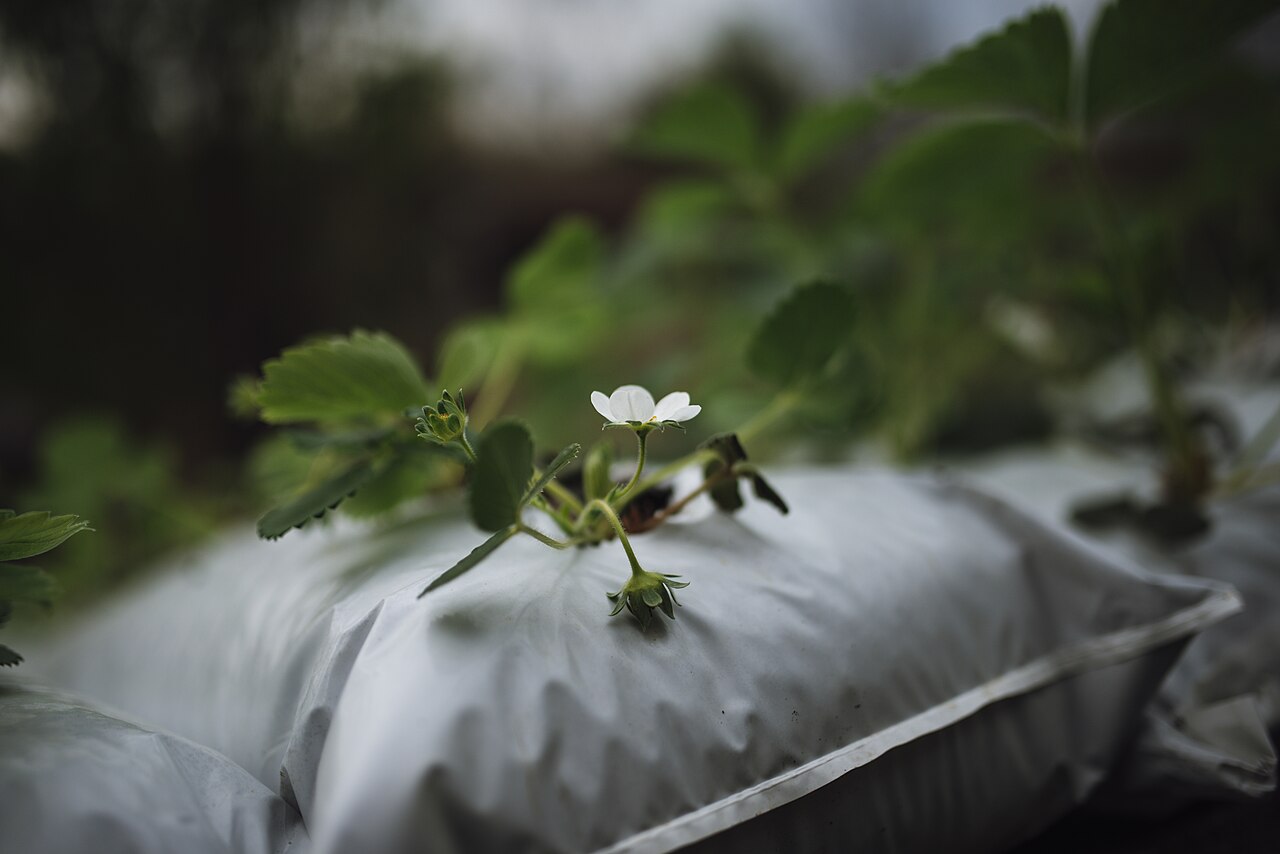
A strawberry plant blooms in a garden bed. Young crowns flower heavily; after three fruiting seasons, the same crowns grow woody and flower less. Photograph: Shixart1985
Image Credits: Wikimedia Commons / Shixart1985
Crowns age out of peak production
A strawberry plant grows from a crown, the compressed stem at the base where leaves, flowers, and roots all emerge. Young crowns are vigorous: they push abundant flowers, size up fruit, and throw energetic runners. But crowns are not perennial engines.
They age.
By the third fruiting season, older crowns turn woody at the center and grow less productive. Experienced growers who have dug up neglected patches describe finding center crowns that had turned woody and flowerless, with root systems reduced to a solid brick of rot. The plant is still alive, but its energy increasingly goes to maintaining aging roots and foliage rather than sizing fruit.
Berry size drops first, then flower numbers, then total yield.
The University of Connecticut's Home & Garden Education Center states the timeline directly: in the matted row system, typically at the end of the third growing season both plant quality and fruit quantity start to decrease, and the whole bed is dug up and replanted with new disease-free strawberry plants. That is the standard commercial and extension guidance, not pessimism. Strawberries are semi-perennial, meaning a few strong years is the design, not a failure.
Day-neutral and everbearing varieties run on a shorter clock. UConn's guidance notes they are usually grown for 2 or 3 years before a new batch goes in, since they produce far fewer runners and their crowns tire faster under continuous fruiting.
The soil tires, too
The second force is below ground. After two or three seasons in the same bed, soil nutrients deplete and microbial life diminishes, leading to sluggish growth and fewer berries, according to Grow Organic's strawberry guide. Even with compost or fertilizer, long-term soil fatigue requires renewal or rotation.
Strawberries are heavy feeders for their size, and they are planted densely, so a bed gets worked hard. Meanwhile diseases accumulate. Fungal problems like gray mold and powdery mildew thrive in the moist, crowded conditions of an aging bed.
Root and crown rots caused by Phytophthora or Pythium move in when soil stays soggy. Older plantings carry a heavier disease load with every passing season, and no amount of feeding fixes a diseased crown.
This is why rotation matters. UConn recommends that the row with new strawberry plants sit on ground where strawberries have not grown for 3 to 5 years. That break starves out soil-borne pathogens and lets organic matter rebuild.
Crowding strangles the survivors
The third force is the plants' own success. A healthy June-bearing patch sends out runners everywhere, and each rooted runner becomes a new crown fighting for the same light, water, and nutrients. Berry Growers Insider identifies this as the main reason backyard patches fail: too many crowns competing for the same space.
The symptoms of crowding are unmistakable in a year-three or year-four bed: small leaves, reduced flowering, and dense crown clusters packed shoulder to shoulder. Thinning the bed reverses it. UConn's renovation protocol calls for removing weak and extra plants and thinning to space the survivors at least 10 to 12 inches apart.
That spacing lets air circulate, which also cuts disease pressure.
One caution from experienced growers: never let runners root inside an already crowded bed, since it accelerates the decline. Manage runners deliberately, rooting only the first or second daughter plants, which are the most vigorous and productive, and removing the rest.
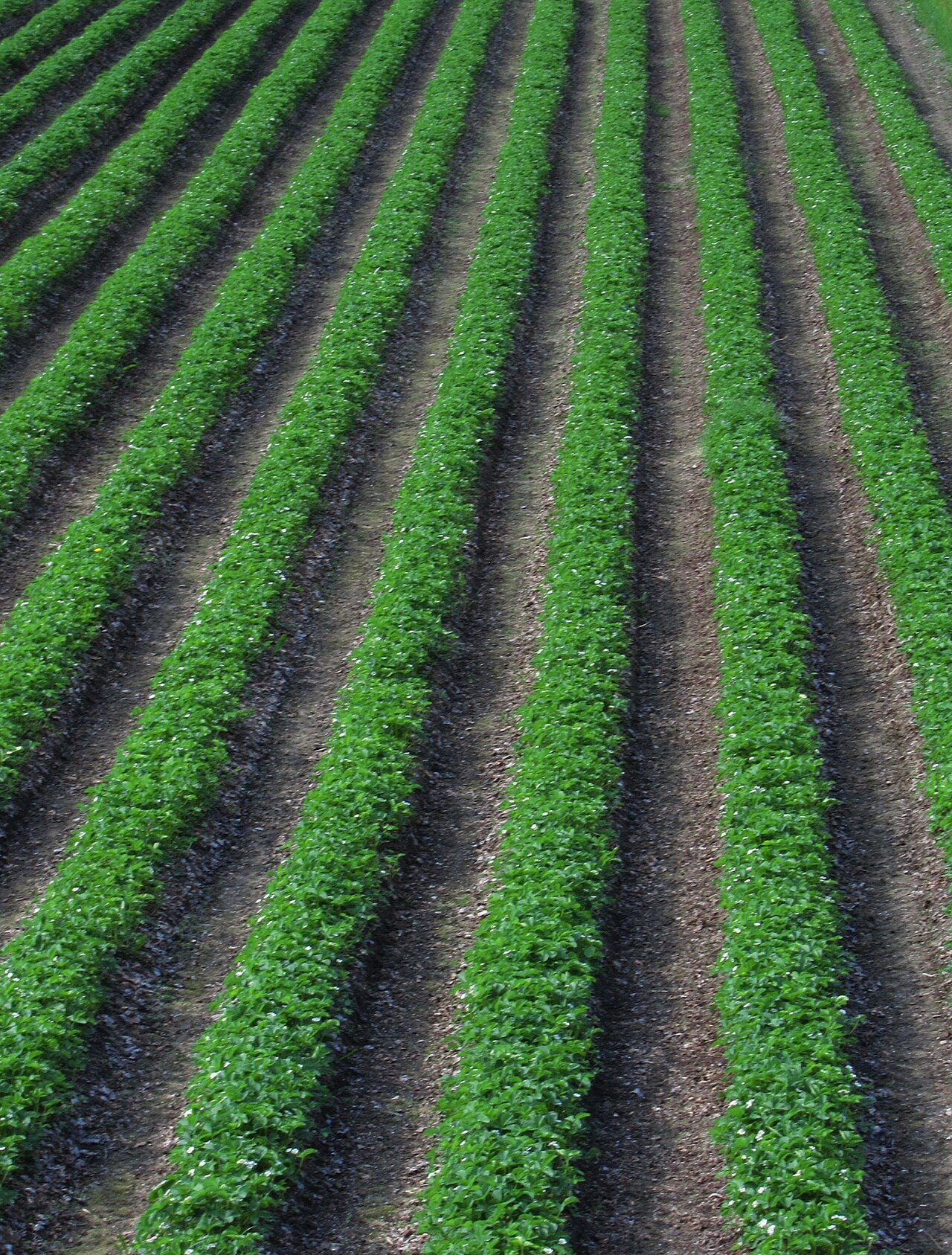
A productive strawberry field. Commercial growers treat the planting as a three-year crop, then rotate to fresh ground rather than coaxing tired crowns. Photograph: Den yngre
Image Credits: Wikimedia Commons / Den yngre
Renovation: the summer reset that buys more years
You do not have to replant every year. For June-bearing varieties, a proper summer renovation after harvest extends the bed's productive life and sets up the next crop. UConn fruit specialist Evan Lentz calls renovation one of the best ways to maximize annual production, reduce disease, and maintain an orderly planting.
The timing is July through August, after the June crop finishes. The steps are straightforward. First, mow or clip all the foliage to about 2 inches above the crowns.
It looks brutal; the plants recover. Next, pull weeds and remove weak, damaged, and excess plants, thinning survivors to 10 to 12 inches apart. Then cultivate lightly around the remaining plants and feed the bed so new foliage grows strong before winter.
This renovation also resets the disease clock by removing old foliage where pathogens overwinter and opening the canopy to airflow. Do it every year after harvest, and a June-bearing bed stays productive through its third season instead of fading in its second.
Replanting: the honest fix after year three
Renovation maintains a bed; it does not make crowns young again. When plants are three years or older and yields have dropped sharply despite good care, Grow Organic's guidance is direct: it is time for complete bed renewal, replanting new crowns in fresh, compost-rich soil.
The practical system many gardeners use is staggered beds. Keep two or three small beds at different ages: one in its peak second year, one in its first, and one being renewed. Root runners from your most vigorous plants to stock the new bed, or buy certified disease-free plants, which start cleaner than anything saved from an old patch.
Allotment gardeners note the natural endpoint too: left alone, old plants die off by themselves around the five-year mark, which is why the plant produces so many runners. Working with that cycle beats fighting it.
Plant new crowns at exactly soil level, with the central bud above ground. Bury the crown and the plant suffocates; plant it high and the roots dry out. Then remove flowers in the first year on June-bearers so the plant invests in roots and crowns, setting up the big second-year crop.
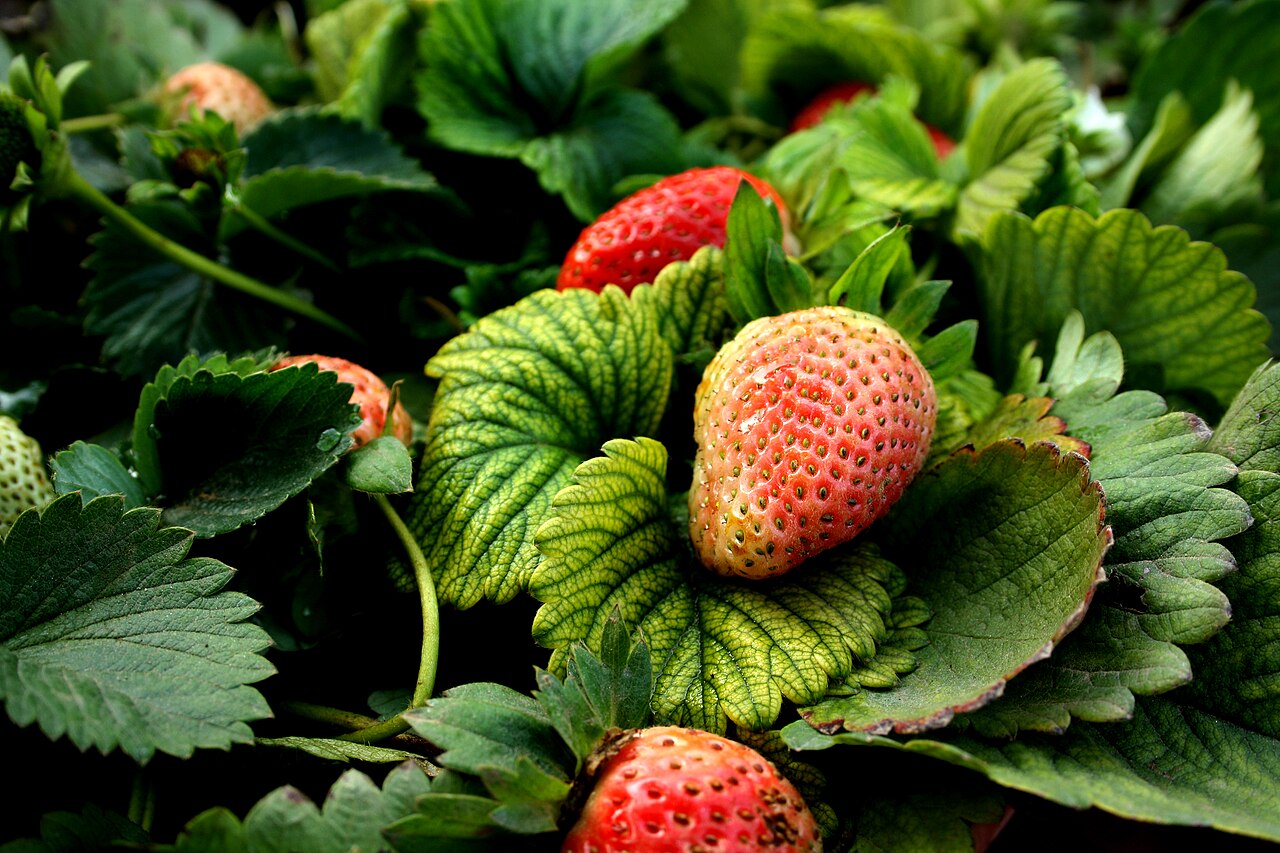
Healthy strawberry foliage. Regular thinning and runner management keep crowns vigorous and delay the year-three slump. Photograph: Pallav.journo
Image Credits: Wikimedia Commons / Pallav.journo
Should I remove flowers from new strawberry plants?
For June-bearing varieties, yes in year one. Removing first-year flowers directs energy into root and crown establishment, which pays off in a much larger second-year harvest. Day-neutrals planted in spring can be allowed to fruit later the same season.
Can I just fertilize an old bed back to productivity?
Feeding helps tired soil but cannot reverse woody crowns or accumulated disease. If the bed is three-plus years old and berries are small despite fertilizer, the crowns themselves are the limit. Renew the planting.
Do everbearing strawberries last longer than June-bearers?
The opposite. Everbearers and day-neutrals fruit over a longer season, which exhausts crowns faster. Plan on replacing them after 2 to 3 years, while June-bearers managed with renovation reach three strong seasons.
Why are my new runners not fruiting well?
First-year runners often produce a reduced crop while establishing. Give them a season. Root only the first or second daughter plants from vigorous mothers, plant at the right depth, and mulch for winter in cold climates.
The bottom line
Strawberry yields shrink after the third year because the plants are built that way: crowns turn woody, soil tires, diseases accumulate, and runners crowd the bed. None of it is your fault, and none of it is permanent. Renovate every summer, thin aggressively, and replant on fresh ground after the third season.
Treat strawberries as a three-year crop on rotation, and every summer tastes like the first one.
Related reading: why your hydrangea will not bloom and how to improve clay soil for gardening.
Latest in Gardening
- Companion planting: does it actually work?
- Determinate vs indeterminate tomatoes
- Why your hydrangea will not bloom
- How to improve clay soil for gardening
Get one clear gardening explainer like this in your inbox every week. Subscribe to the Rive News newsletter.
Image Credits: Wikimedia Commons / Shixart1985, Den yngre, Pallav.journo
Related stories
What Is Companion Planting and Does It Work?
Marigolds work as a nematode cover crop, but the basil flavor claim failed repeated tests. An honest evidence review of what companion
Determinate vs. indeterminate tomatoes: growth, pruning, and harvest differences
Determinate tomatoes grow to a set size and ripen all at once, while indeterminate types vine all season. That one difference shapes
How to improve clay soil for gardening
Gypsum will not fix ordinary clay soil, say extension experts. What actually works: 2 to 3 inches of compost, mulch, better drainage,