
Dementia cases set to double by 2050, study finds
Key takeaways
- New dementia cases could rise from 11.4 million in 2023 to 24.7 million by 2050.
- Women face higher rates than men. Poorer nations face higher rates than rich ones.
- The rise comes from more people and older ages, not a new cause.

An older woman in Kathmandu, Nepal. Dementia affects memory and thinking, and new cases are set to rise fast. Photograph: Adam Jones/Wikimedia Commons
Image Credits: Wikimedia Commons
A major study finds new dementia cases could more than double by 2050. The count could rise from 11.4 million cases in 2023 to 24.7 million cases each year. The study came out on October 12, 2026, in JAMA Neurology.
What happened
Dementia is a loss of memory and thinking skills. It makes daily life hard. It is not one single disease.
It is a group of brain changes. These changes hurt memory, thought, and daily tasks. A person may forget recent events.
A person may find it hard to plan.
The new study asked a simple question. How many people develop dementia each year? That count is called incidence.
Incidence means new cases in one year. It is not the same as prevalence. Prevalence means all people who live with it at one time.
Think of a bath. Incidence is the new water that flows in. Prevalence is all the water in the tub.
The team pulled data from 38,418 people, according to MedicalXpress. The data came from 22 studies in 18 countries and territories. The studies covered six continents.
The team watched people for more than 287,000 person-years. A person-year is a way to count time. One person watched for one year is one person-year.
Ten people watched for one year is ten person-years. In all that time, 3,001 people developed dementia, according to MedicalXpress.
The lead author was Ashleigh Vella, according to MedicalXpress. She is a postdoctoral research fellow at UNSW Sydney. She works at the Centre for Healthy Brain Ageing, known as CHeBA.
The work ran through the COSMIC consortium. That name stands for Cohort Studies of Memory in an International Consortium. A consortium is a group of teams that work as one.
The group then looked at all the data as one set.
The study gave one global rate. After age and sex were taken into account, the rate was 9.7 new cases per 1,000 person-years, according to MedicalXpress. That is the age- and sex-standardized incidence rate.
In plain words, it is the rate after fair age and sex adjustments.
The 2050 number is a projection. It assumes rates stay the same, according to Daily Sabah. The rise comes from two forces.
The world has more people. People also live to older ages. Dementia risk grows with age.
So more older people means more new cases. The study does not point to a sudden new cause. No sudden new cause drives it.
The world is growing and aging.
Why it matters
The gap between groups stands out. Women had 10.6 new cases per 1,000 person-years, according to MedicalXpress. Men had 8.6 new cases.
The gap stayed after age was taken into account. Age alone does not explain the gap. The study does not say why.
Ashleigh Vella said, according to Daily Sabah: "What stands out is that dementia incidence is not evenly distributed. We see higher rates among women and in low- and middle-income countries."
Low- and middle-income countries had 13.6 new cases per 1,000 person-years, according to MedicalXpress. High-income countries had 8.3. That gap is large. The study does not explain why, according to MedicalXpress.
It does not prove a cause for the gap. More research is needed.
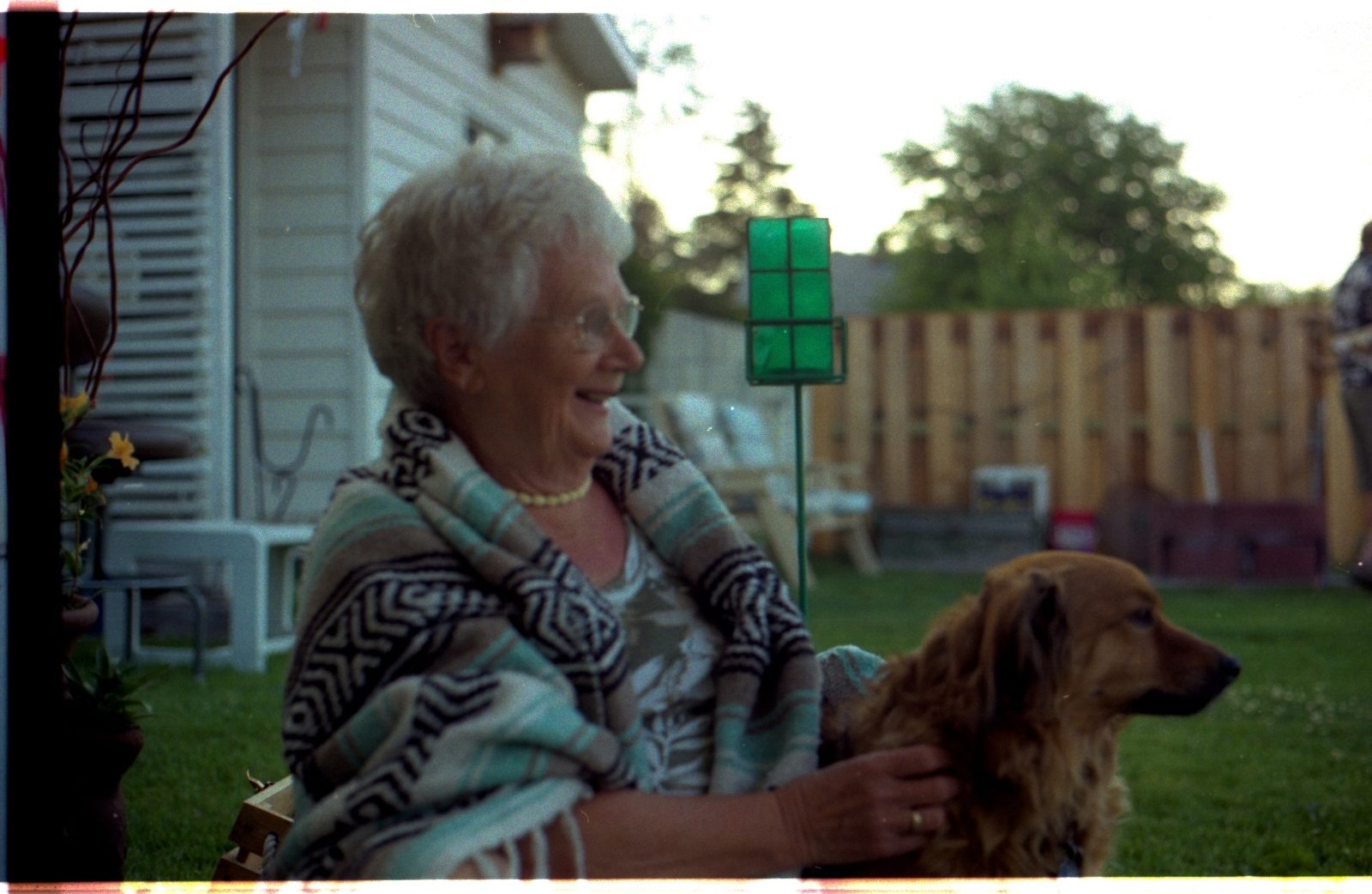
An older woman spends time with her dog. Daily life, family, and care sit at the heart of the dementia story. Photograph: PatInver/Wikimedia Commons
Image Credits: Wikimedia Commons
The total burden is already large. More than 57 million people live with dementia today, according to MedicalXpress. Past work put the total near 150 million by 2050. That total is prevalence.
The new study counts new cases each year. Both numbers point the same way. Care needs will grow.
Henry Brodaty, a co-author, said 24 million new cases each year would place "enormous pressure on individuals, families, health systems, and economies around the world," according to Daily Sabah. That pressure falls on families first. Care takes time.
Care takes money. Care takes energy. Health systems must also plan.
They need staff, beds, and support. Economies feel the cost too.
Rive News has also covered a study on ADHD and dementia risk. Movement may help the brain too. Rive News has covered how exercise can improve memory and learning.
Language learning is one more brain topic. Rive News has covered how bilingualism affects the brain, according to research.
What happens next
Brodaty called for action, according to the sources. He called for work to cut modifiable risk factors. Modifiable means factors people and systems can change.
He also called for earlier detection of people at risk. This is a report of his call. It is not advice for any one person.
Health leaders now face a planning task. They must plan for more cases. They must plan for fair care.
Poorer nations face higher rates. They often have fewer care resources. That gap needs a plan.
Rich nations must plan too. Their counts will also rise.
Researchers must also answer the why question. Why do women face higher rates? Why do poorer nations face higher rates?
New studies must look at causes. They must test genes, health, and daily life. Clear answers will take time.
Families and readers can watch for new facts. The next step is more research and more planning. Leaders can build care now.
They can train staff now. They can fund support now.
By 2050, the world will look older. More people will reach old age. More new dementia cases will follow, if rates hold.
The study gives leaders time to plan. The time to plan is now.
This article is for information only and is not medical advice.
Related stories

ADHD linked to fourfold dementia risk in Pitt study of 187,000 adults
Adults with ADHD face four times the risk of dementia, a University of Pittsburgh study of 187,000 adults published in JAMA Psychiatry

Why Do Athletes Get Cramps Despite Drinking Water?
Muscle cramps strike even well-hydrated athletes because sweat drains electrolytes that plain water cannot replace. Here is why water alone

Do bananas actually prevent muscle cramps?
A medium banana has 422 mg of potassium, but the evidence says it cannot stop cramps. Here is what the research shows, and what actually