
Ebola deaths pass 5,000 in Congo as outbreak spreads beyond borders
Web StoryWatch this story in 15 seconds →Key takeaways
- Ebola has killed 5,026 people in DR Congo, government data show. Another 10,351 cases are confirmed or suspected. The death rate is close to 50 percent.
- The outbreak is caused by the rare Bundibugyo strain. No approved vaccine or treatment exists for it. Health workers can only give supportive care.
- Cases have spread to Kenya, Uganda, and Nigeria. Africa's top health body warns the outbreak is not yet under control.
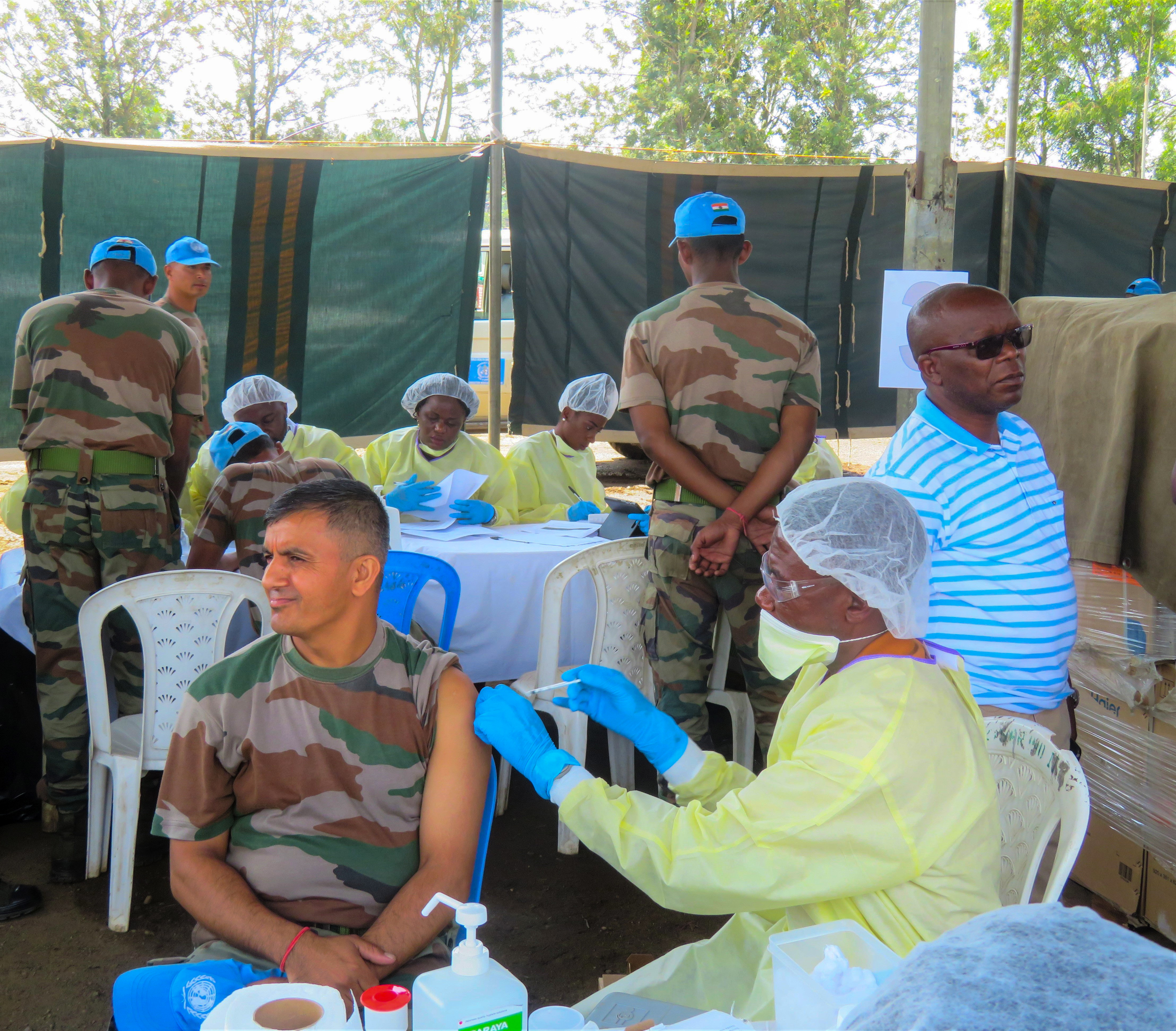
More than 5,000 people have now died in Congo's Ebola outbreak. New government figures put the death toll at 5,026. The figures cover 10,351 confirmed and suspected cases since May.
What happened
Congo's health ministry declared the outbreak in mid-May. It began in Ituri Province in the east. The virus behind it is called Bundibugyo.
It is a rare strain of Ebola. There is no approved vaccine or treatment for it, according to Al Jazeera.
Since then, the disease has spread fast. It has reached eight of Congo's 26 provinces. It now covers 67 of the country's 178 health zones.
Ituri and North Kivu carry most cases. The two provinces report 9,782 confirmed cases and 4,792 deaths, ministry data show.
The death toll passed 5,000 this week. The new figures came out on Friday and Saturday. They make this Congo's deadliest Ebola outbreak ever.
It is also the second-largest Ebola outbreak ever recorded. Only the 2014 to 2016 West Africa epidemic was bigger. That one infected more than 28,600 people and killed over 11,000, Al Jazeera reported.
Doctor Patrick Otim works on the response for the World Health Organization. He called the milestone a very tragic one.
"It is just not a number," he said. "It is families and communities that have been devastated by this outbreak."
Not all patients die. So far, 2,788 people have recovered, the ministry said. But one-third of the dead never reached a treatment center.
They died before they could be tested for Ebola, WHO's Otim said.
Why it matters
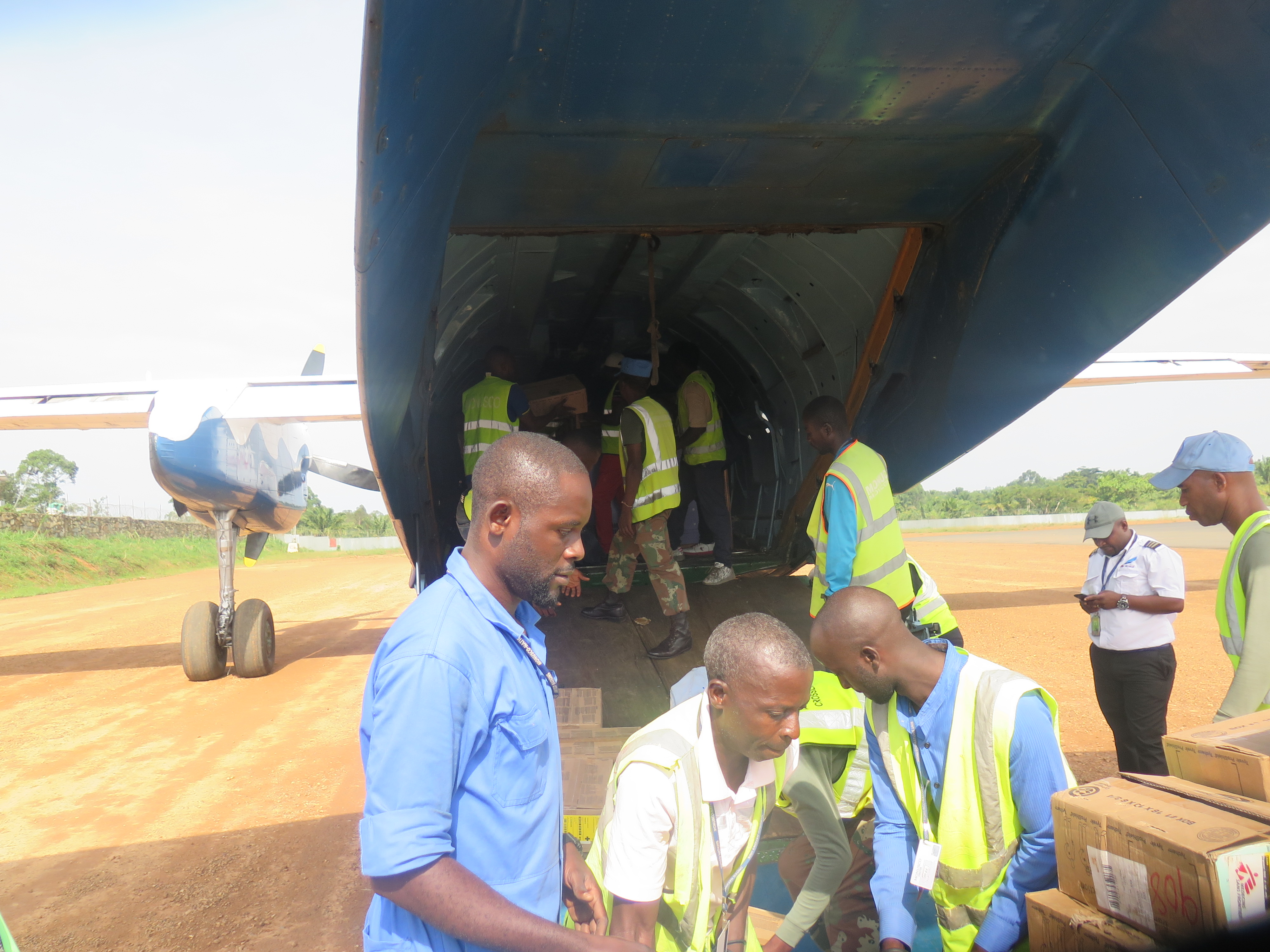
The virus has now crossed borders. Kenya has reported nine cases and two deaths. Nigeria reported its first Ebola case in more than ten years on October 20.
A 42-year-old Swiss woman tested positive in Abuja. She had travelled from Uganda to Nigeria.
Nigerian health workers isolated and treated her. She was flown to Switzerland on October 26. Her husband was flown out too.
Nigeria's disease agency is now watching 62 people who had contact with her. No new contacts appeared in the last 24 hours, it said.
The spread makes this outbreak historic. It is the first Ebola outbreak recorded across three African regions. It is now the continent's most geographically widespread, according to Daily Sabah.
Outbreaks like this one spread when cases go unseen. West Nile virus killed two people in North Carolina this year. A measles outbreak in Pennsylvania claimed six lives as cases passed 1,100.
Tracking contacts early is the key in all of them.
Health teams are losing the race to trace contacts. About 80 percent of new cases appear outside monitored chains. That means workers cannot link most new infections to known patients.
The Africa CDC shared this figure with the Associated Press.
Conflict in eastern Congo makes the work harder. The M23 rebel group fights government forces in the region. An Islamist insurgency near the Uganda border also limits health workers.
Both conflicts restrict where medical teams can safely go.
Distrust adds another danger. A nurse was killed last week while answering an Ebola alert. A politician was killed in September after urging health measures on the radio.
These attacks make health workers afraid to do their jobs.
Health workers have also gone on strike. They say the government has not paid them for months. On Friday, workers at a treatment center in Tchomia stopped work.
They demanded four months of unpaid wages. The center was caring for five confirmed and ten suspected patients at the time.
"We are tired of requesting our salaries," Moise Mugenyi told the Associated Press. He is one of the striking workers.
"Today, being able to feed our families has become a real problem."
Doctor Justin Mukonkole runs response operations in Ituri. He asked workers to be patient while the government answers their demands. In Beni, some treatment centers have already ground to a halt.
A local official blamed a lack of fuel and money from the central government.
Children are paying a heavy price. More than 2,700 children have been infected since May. Over 1,900 have been orphaned or separated from parents.
That is nearly two children a day, Save the Children said. Children under five die at a rate of 72 percent.
Greg Ramm leads Save the Children's work in Congo. He said the 10,000-case mark is "a stark reminder of the scale of this crisis." He warned that every delay gives the virus more chances to spread.
"The international community must not look away," he said.
What happens next
Africa's top health body says the fight is far from over. Jean Kaseya leads the Africa Centres for Disease Control and Prevention.
"We analysed the data," he said. "We saw that the outbreak is not yet under control."
He spoke on Friday after a meeting of more than 42 health ministers.
The outbreak now spans the continent. Africa has recorded more than 10,200 confirmed cases. More than 5,000 people have died across Africa.
Congo holds the large majority of both totals, Kaseya said.
Nigeria now faces a 42-day watch period. Health officials must monitor all contacts for six weeks. Only then can the country be declared Ebola-free.
The WHO clarified that Nigeria is not yet Ebola-free.
New viruses keep emerging elsewhere too. The Shamonda virus was recently detected in a human for the first time in France. Each new virus tests the world's response systems.
Travel rules are tightening. On Friday, Saudi Arabia stopped travel to and from Kenya. In June, it had already stopped travel to and from Congo, Uganda, and South Sudan.
Other governments are also limiting travel or quarantining visitors from affected countries.
There is one hopeful sign. Health workers are giving a trial vaccine called Tumaini in Ituri. An Associated Press photo showed a dose being given on October 23.
But it is not an approved vaccine. For now, supportive care is the main treatment.
Save the Children says containment is still possible. It calls for faster disease tracking and better infection control. It also wants more support for frontline health workers.
Safe care centers and community outreach matter too.
The next weeks will decide the course of this outbreak. If contact tracing improves, the spread can slow. If strikes and conflict continue, cases will keep climbing.
The world is watching Congo now.
This article is for information only and is not medical advice.
Related stories
ADHD linked to fourfold dementia risk in Pitt study of 187,000 adults
Adults with ADHD face four times the risk of dementia, a University of Pittsburgh study of 187,000 adults published in JAMA Psychiatry
Why Do Athletes Get Cramps Despite Drinking Water?
Muscle cramps strike even well-hydrated athletes because sweat drains electrolytes that plain water cannot replace. Here is why water alone
Do bananas actually prevent muscle cramps?
A medium banana has 422 mg of potassium, but the evidence says it cannot stop cramps. Here is what the research shows, and what actually