
West Nile virus kills two people in North Carolina
Key takeaways
- Two adults in central North Carolina died after catching West Nile virus.
- The state has confirmed 11 human cases of the virus in 2026.
- Mosquito bites spread the virus. Repellent and standing-water removal cut the risk.
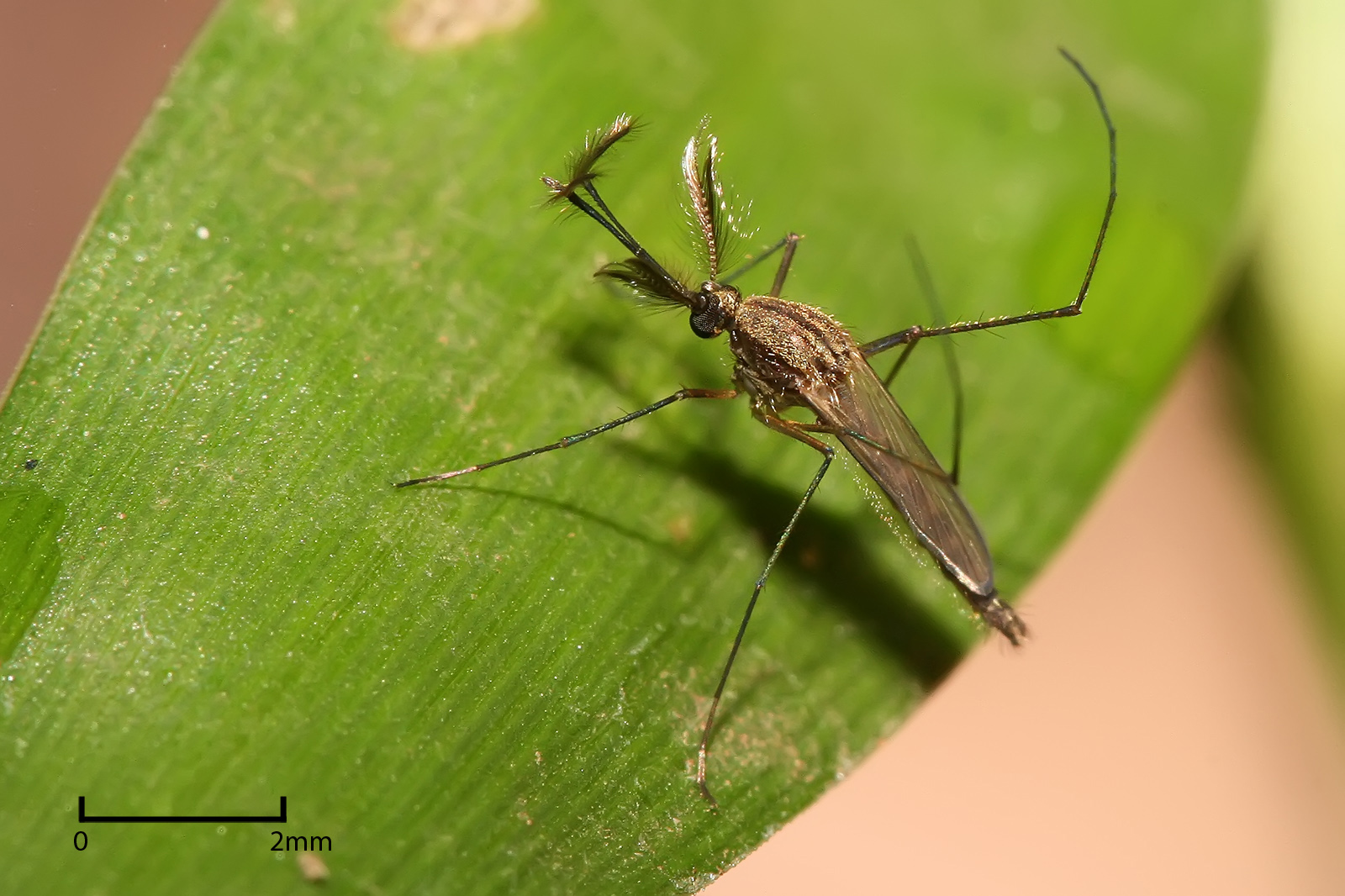
Two people in North Carolina have died. The cause was West Nile virus. Both were adults from the central part of the state.
The state health department shared the news on October 9. It posted the update on its Facebook page. The two deaths are the first West Nile deaths reported in North Carolina this year.
This article is for information only and is not medical advice.
What happened
The North Carolina Department of Health and Human Services confirmed the deaths. The two adults lived in central North Carolina. The department did not release their names, ages, or home counties.
The deaths came late in mosquito season. Most West Nile cases in the state show up between mid-August and mid-October. This year fits that pattern.
The state reported its first 2026 case on August 5. That case was a resident of Gaston County. At the same time, health officials found a West Nile-positive blood donor in Mecklenburg County.
Since then, the count has grown. The CDC has confirmed 11 human cases in North Carolina in 2026, as of October 6. The two deaths are part of that total.
Across the country, the virus is widespread this year. CDC data updated on October 6 shows 44 states with human cases. The national total was 1,172 confirmed cases.
California has the most cases, with 250. Arizona has 94. Texas has 72. New York has 58. Colorado has 56.
What is West Nile virus
West Nile virus is a mosquito-borne illness. It spreads through the bite of an infected mosquito. Mosquitoes pick up the virus when they feed on infected birds.
Then they pass it to people.
The virus does not spread from person to person. You cannot catch it from touching someone who is sick. You cannot catch it from coughing or sneezing.
Most people who catch the virus feel nothing. About four in five infected people show no symptoms at all. They may never know they had it.
About one in five infected people develop symptoms. These include fever, headache, body aches, joint pain, vomiting, diarrhea, or rash. Fatigue and weakness can last for weeks or months in some cases.
A small share of cases turn severe. About one in 150 infected people develop serious illness in the brain or nerves. Signs include high fever, neck stiffness, disorientation, coma, tremors, convulsions, muscle weakness, vision loss, numbness, and paralysis.
The CDC notes that one in 10 people who develop severe illness die. Older adults face the highest risk. People with health conditions like cancer, diabetes, and hypertension also face a higher risk.
There is no vaccine for West Nile virus in humans. There is no specific drug that cures it. Doctors treat the symptoms with rest, fluids, and over-the-counter medicines.
Severe cases may need hospital care.
Why it matters
Two deaths in one state sound alarming. The numbers give a clearer picture. Eleven cases in a state of 10 million people is a small count.
But the deaths show that the virus can turn deadly.
The risk is not the same for everyone. Healthy young adults rarely get severe illness. The danger centers on older adults and people with weak immune systems.
The state health department stressed this point in its announcement.
Mosquito season is still active. Mosquitoes stay active into the fall. They stop only after the first hard frost.
Until then, the risk remains.
The deaths are also a reminder to take bites seriously. A single bite can carry the virus. People often ignore mosquito bites.
Health officials say that is a mistake in peak season.
North Carolina is not alone. Other states have reported deaths too. The virus appears every year in the United States.
It has been present since 1999. Each year brings a fresh wave of cases in late summer and early fall.
What happens next
Health officials will keep tracking cases. The CDC updates its counts each week. The state will share new numbers if more cases appear.
The most useful step is prevention. The state health department lists clear steps. Use DEET or a similar insect repellent on exposed skin.
Wear long sleeves and long pants when you go outside. Choose clothing treated with permethrin.
Limit time outdoors between dusk and dawn. That is when mosquitoes are most active. Use window and door screens to keep mosquitoes out of your home.
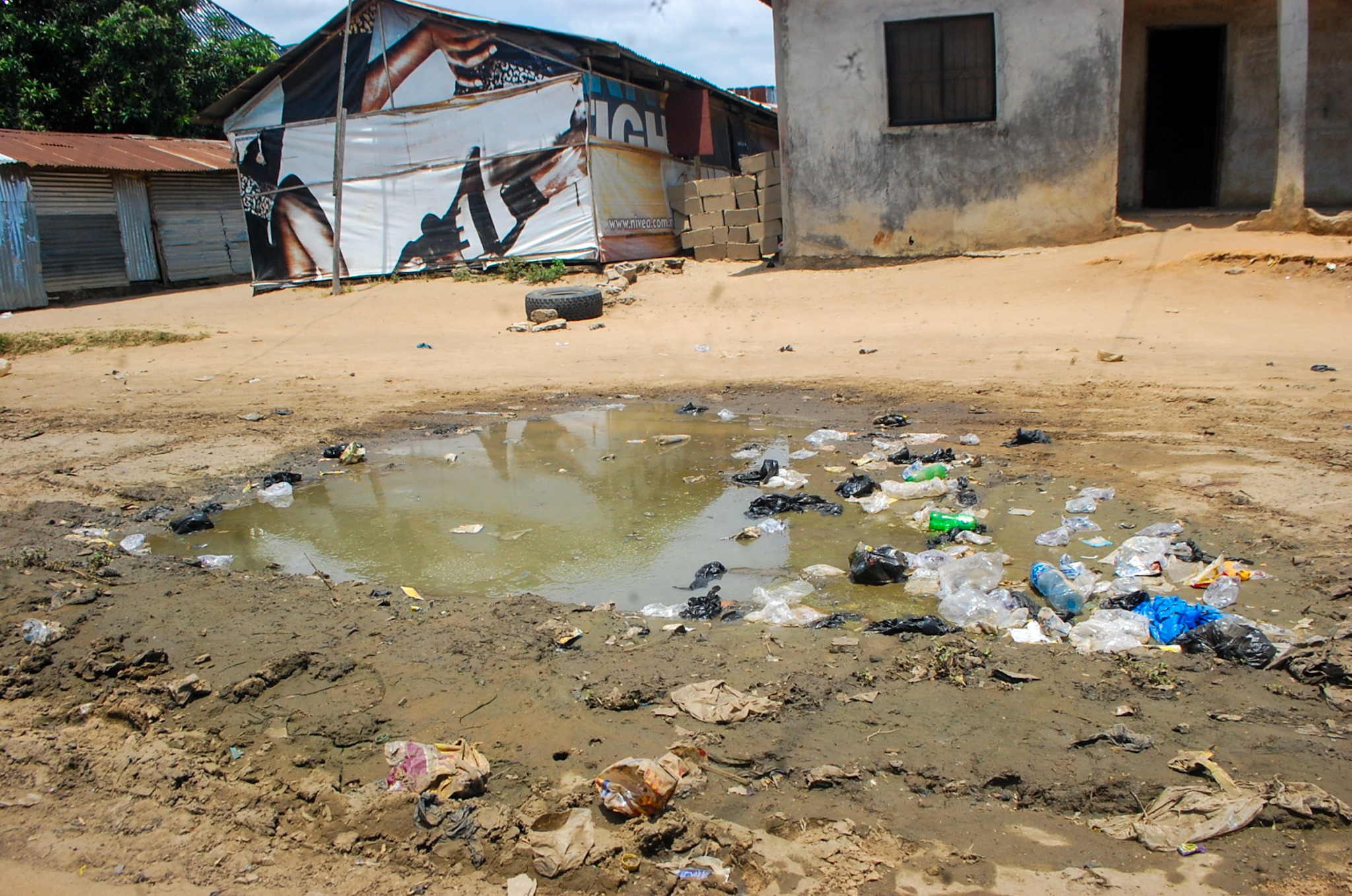
Remove standing water near your home. Empty flower pots, buckets, and pet bowls. Clean your gutters.
Cover rain barrels. Change birdbath water often. Use approved larvicides for water you cannot drain.
If you feel sick after mosquito bites, watch your symptoms. Mild fever and body aches often pass on their own. But dizziness, confusion, neck stiffness, or muscle weakness need prompt care.
See a doctor fast if these signs appear.
Mosquito season will end with cold weather. Until then, repellent and standing-water checks are the best defense. The two deaths in central North Carolina show why those simple steps matter.
Related stories

ADHD linked to fourfold dementia risk in Pitt study of 187,000 adults
Adults with ADHD face four times the risk of dementia, a University of Pittsburgh study of 187,000 adults published in JAMA Psychiatry

Why Do Athletes Get Cramps Despite Drinking Water?
Muscle cramps strike even well-hydrated athletes because sweat drains electrolytes that plain water cannot replace. Here is why water alone

Do bananas actually prevent muscle cramps?
A medium banana has 422 mg of potassium, but the evidence says it cannot stop cramps. Here is what the research shows, and what actually