
Why Do You Get Brain Freeze When Eating Ice Cream Fast?
Key takeaways
- Brain freeze is a cold-stimulus headache caused by rapid cooling of the palate, medically called sphenopalatine ganglioneuralgia.
- Cold constricts blood vessels in the mouth, then rebound dilation fires pain signals up the trigeminal nerve, felt as forehead pain.
- Episodes last seconds to two minutes and stop on their own; pressing a warm tongue or palm to the palate speeds relief.
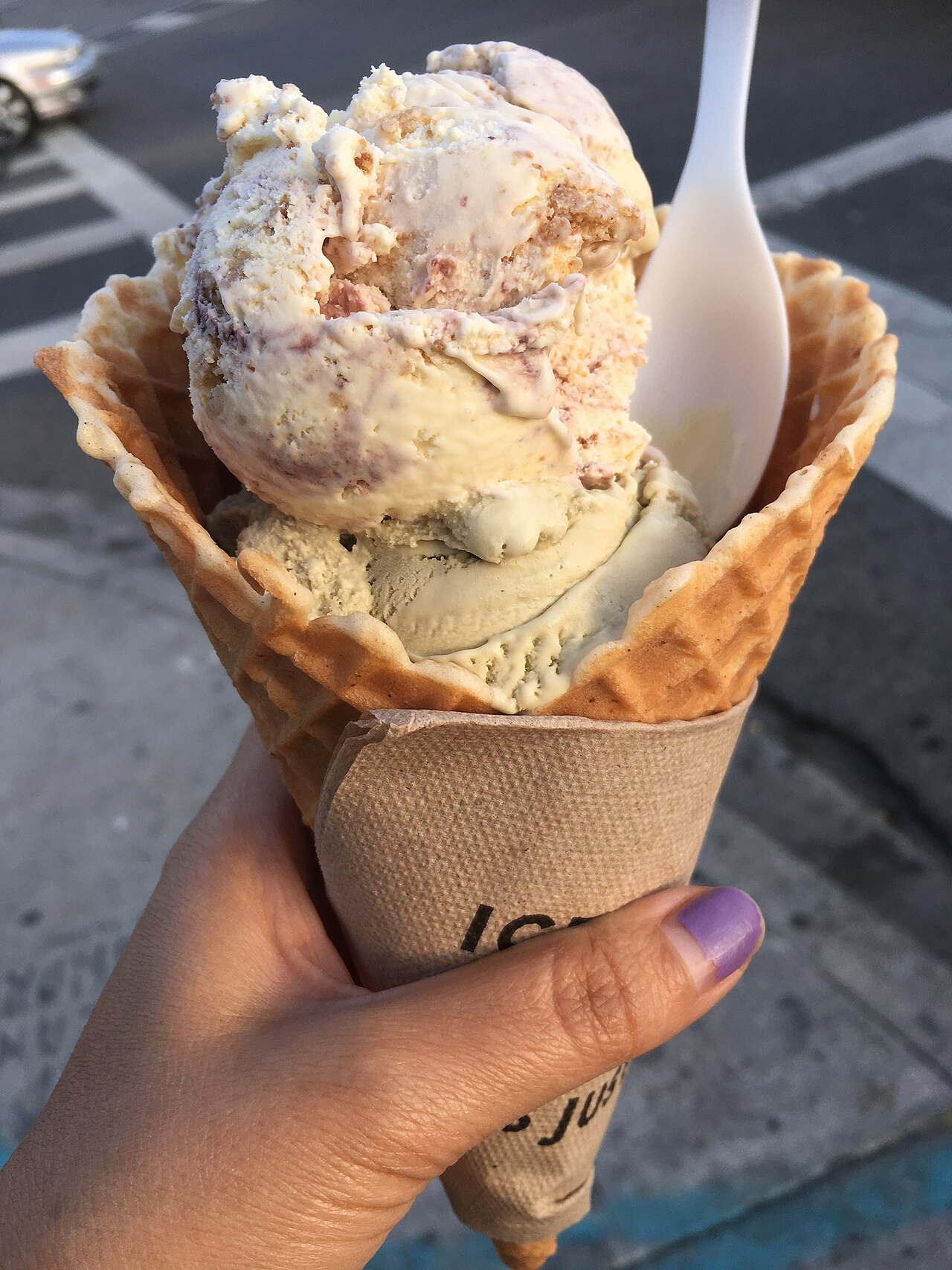
Eating ice cream too fast chills the roof of the mouth before the tissue can adapt.
One big spoonful of ice cream and a bolt of pain shoots across your forehead. It is one of the most common minor pains on earth, and doctors actually have a full medical name for it: sphenopalatine ganglioneuralgia, or cold-stimulus headache, according to Britannica. The good news is that it is harmless and passes in seconds.
Why do you get brain freeze when eating ice cream fast, and not when you eat it slowly? Speed is the whole trigger. This article walks through the chain reaction inside your head in plain English, explains why the pain lands in your forehead instead of your mouth, and lists the fastest ways to stop it.
What brain freeze actually is
Brain freeze is not the brain itself hurting. The brain has no pain receptors of its own. The pain is detected by receptors in the meninges, the outer covering of the brain, as Wake Forest Baptist neuroscientist Dwayne Godwin explained to ScienceDaily.
The medical term breaks down from anatomy. "Sphenopalatine" refers to the sphenoid bone at the base of the skull plus the palate, the roof of the mouth. "Ganglion" means a cluster of nerve cell bodies.
"Neuralgia" means nerve pain. Put together, it translates to nerve pain of the sphenopalatine ganglion, a small bundle of nerve cells just behind the nose, near the roof of the mouth, ScienceInsights notes.
How common is it? About one third of a randomly selected population succumbs to ice cream headaches, Mental Floss reports. Not everyone gets them, and nobody fully knows why.
Sensitivity of the trigeminal nerve appears to vary from person to person.
The trigger: cold hits the palate too fast
Eating slowly lets the mouth adapt to the cold. Eating fast does not. When a large mouthful of ice cream or an icy drink slams into the roof of the mouth, the temperature of the palate drops sharply.
Blood vessels in the palate respond by constricting quickly. Wojtek Mydlarz, assistant professor of otolaryngology at Johns Hopkins, explains that this is a survival reflex: the body squeezes vessels to protect its core temperature. Then comes the rebound.
After the squeeze, the vessels open up fast. Mydlarz describes this rebound dilation as the event that sends a pain signal to the brain through the trigeminal nerve, whose upper branch extends into the midface and forehead.
Regina Krel, director of the Headache Center at Hackensack University Medical Center, describes the same sequence: cold activates the trigeminal nerve, vessels constrict from the cooling, then the body sends more blood to warm the area and the vessels swell. "Brain freeze is essentially a headache, one that comes on quick and dissipates just as fast," Krel said.
Godwin adds an important detail about location. The critical junction sits at the back of the throat where the internal carotid artery, which feeds blood to the brain, meets the anterior cerebral artery, where brain tissue begins. When cold hits that junction, the arteries dilate and contract, and the meninges interpret the change as pain.
Why the pain shows up in your forehead
This is the strangest part of brain freeze: the cold is in your mouth, but the pain is in your forehead. The explanation is referred pain, where the hurt appears at a distance from the actual stimulus.
The trigeminal nerve, the fifth cranial nerve, carries sensation from the face and mouth to the brain. Britannica explains that the same trigeminal pathway that reports the palate also serves the forehead. During brain freeze, the brain misinterprets the origin of the pain signal and defaults to reading it as coming from the skin of the forehead.
So you feel a sharp headache at the front of your head even though nothing cold ever touched your forehead.
Referred pain is not unique to ice cream. It is the same quirk that makes some people feel a heart attack as pain in the neck, shoulders, or arms instead of the chest, Mental Floss notes.
People who get migraines may know brain freeze well. Britannica reports that individuals with migraine are more susceptible, probably because of hypersensitivity of the trigeminal nerve and its pain pathways. Krel cites a study finding that women who had experienced migraines were twice as likely to experience brain freeze as women who had never had a migraine.
How to stop brain freeze fast
No medication is needed. Most episodes end within seconds to two minutes on their own, according to Amaal Starling, a neurologist and headache expert at Mayo Clinic in Scottsdale, Arizona. But you can shorten the episode with warmth.
Press your tongue firmly against the roof of your mouth. The warmth of your tongue heats the chilled palate directly, which calms the constriction-dilation cycle. If your tongue is also cold from the ice cream, press the palm of your hand against your forehead or cheek instead.
Covering your mouth and nose with your hands and breathing warm air through your nose works the same way.
Sipping a warm drink is the fastest reset for a stubborn episode. The warm liquid reheats the palate from the inside and tells the blood vessels the emergency is over.
Prevention is simpler than relief. Eat the ice cream more slowly and take smaller spoonfuls. Let each bite sit in the front of the mouth for a moment before swallowing.
Cold drinks cause brain freeze most often when gulped, so sip rather than chug. If you are the one serving, handing kids smaller portions at a time helps them pace themselves.
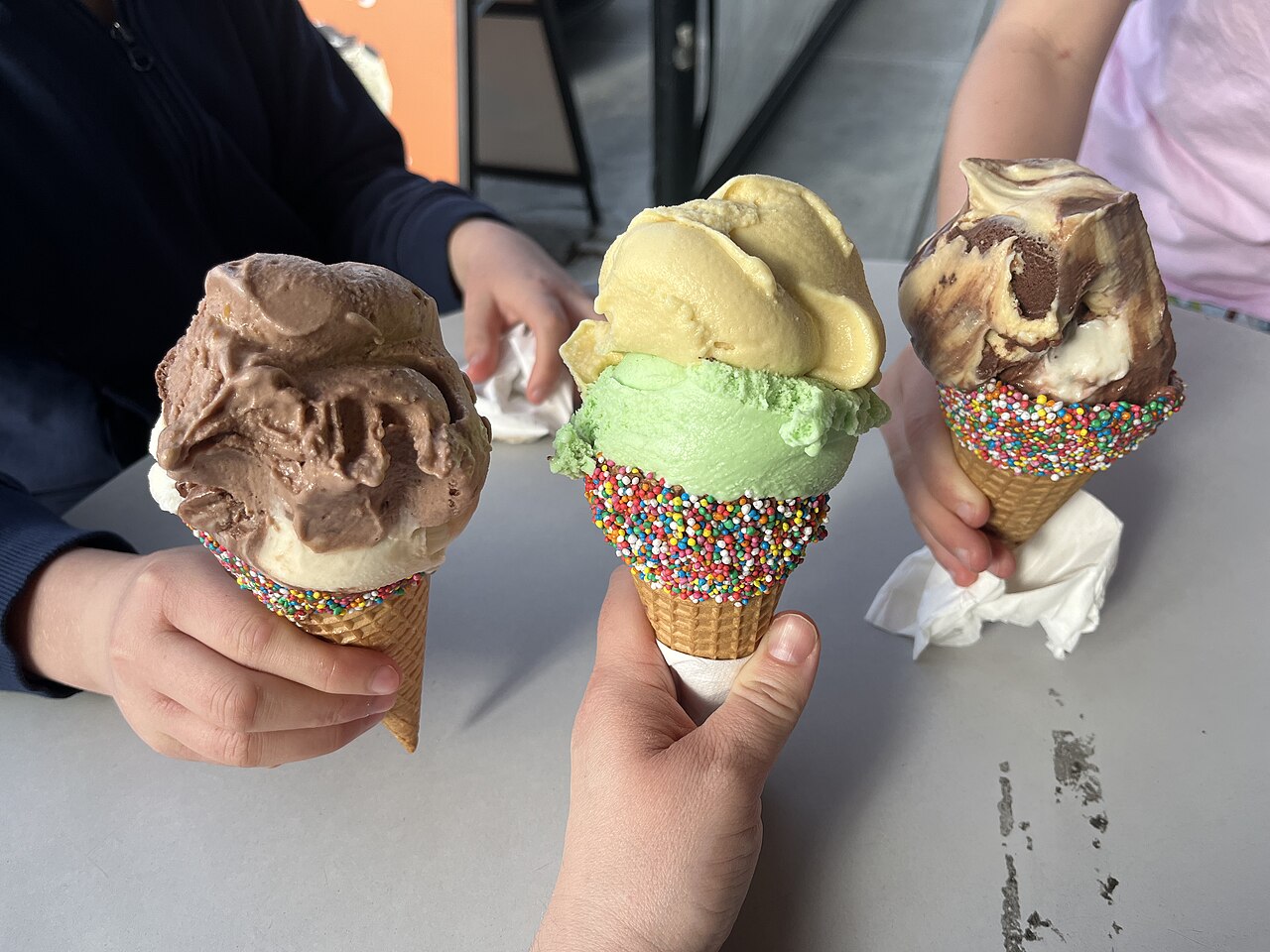
Hot weather makes fast eating more tempting, which is why brain freeze peaks in summer.
Frequently asked questions
Is brain freeze dangerous?
No. It is a brief, harmless headache that resolves on its own in seconds to two minutes. It causes no lasting damage to the brain, the nerves, or the blood vessels involved.
Why do some people never get brain freeze?
Everyone has a trigeminal nerve, but nerve sensitivity differs between people, Krel notes. People with migraines appear more prone to it, which suggests the threshold for triggering the pain signal varies.
Does drinking cold water cause brain freeze too?
Yes. Any very cold food or liquid that rapidly chills the palate or the back of the throat can trigger it, including slushies, iced drinks, and frozen desserts. The trigger is the speed of cooling, not the specific food.
What is the fastest way to get rid of brain freeze?
Press a warm tongue against the roof of your mouth, or press your warm palm to your forehead. Sipping a warm drink reheats the palate fastest. The episode will end on its own within about two minutes regardless.
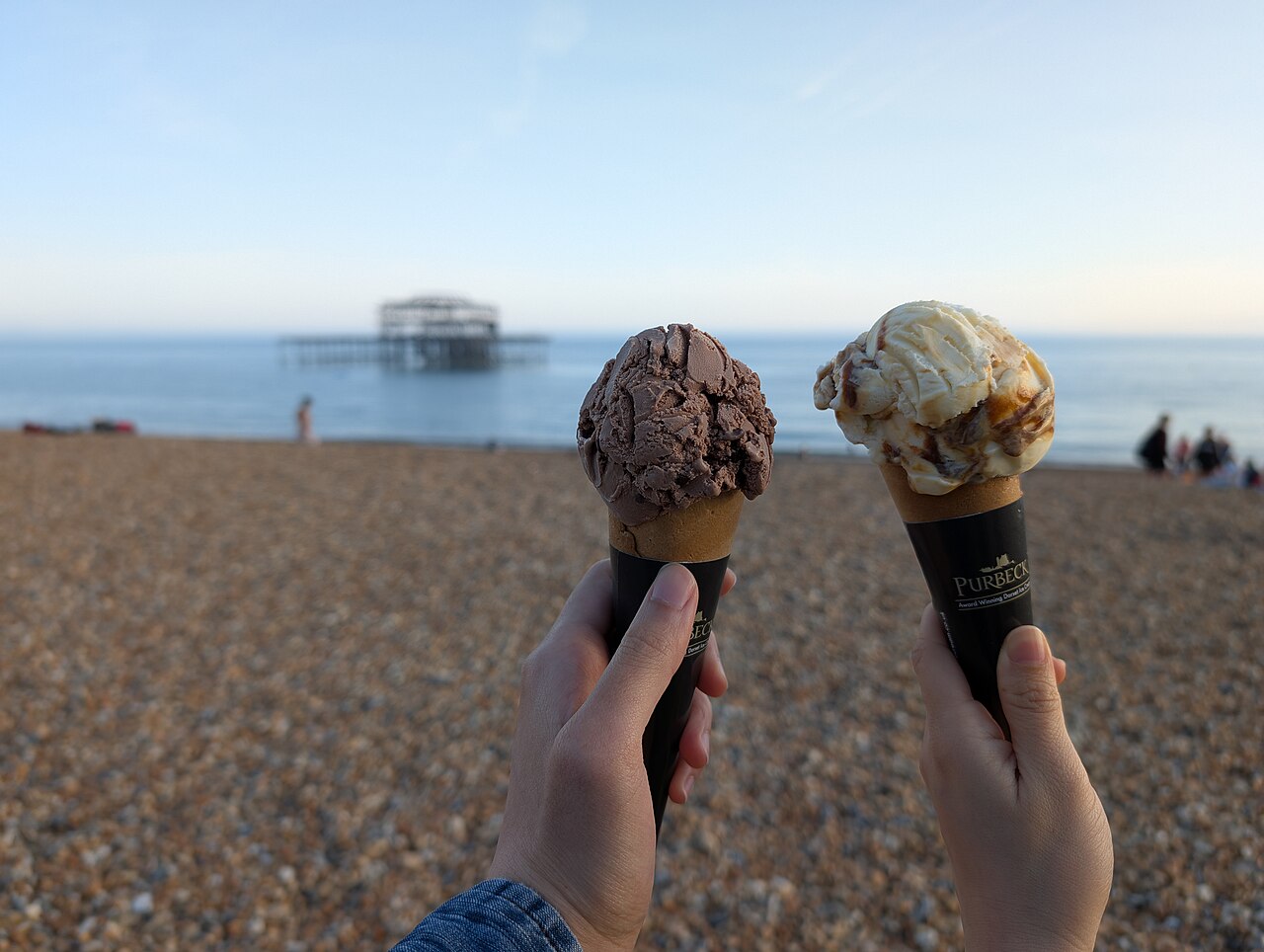
Smaller bites and slower eating keep the palate from cooling faster than it can adapt.
The bottom line
Why do you get brain freeze when eating ice cream fast? Because a rapid chill of the palate makes local blood vessels constrict and then rebound open, and the trigeminal nerve carries that alarm to the brain, which misreads it as pain in the forehead. It is referred pain from a harmless reflex, it fades within two minutes, and warming the palate stops it sooner.
Slow down, take smaller bites, and the ice cream stays a pleasure instead of a headache. If you want a gentler frozen treat pace at your next gathering, smaller servings beat racing to the bottom of the bowl every time.
This article is for general information only and is not medical advice. See a clinician if you get severe, frequent, or unusual headaches.
Image Credits: Wikimedia Commons / Thegreatmutata, AlphaLemur, Andy Li
Latest in Health
- The Difference Between Walking and Running for Fat Loss
- How to Sharpen a Kitchen Knife with a Sharpener
- Is Your Luggage Safe on Trains and Buses?
Subscribe for plain-English explainers on the science behind everyday life.
Related stories
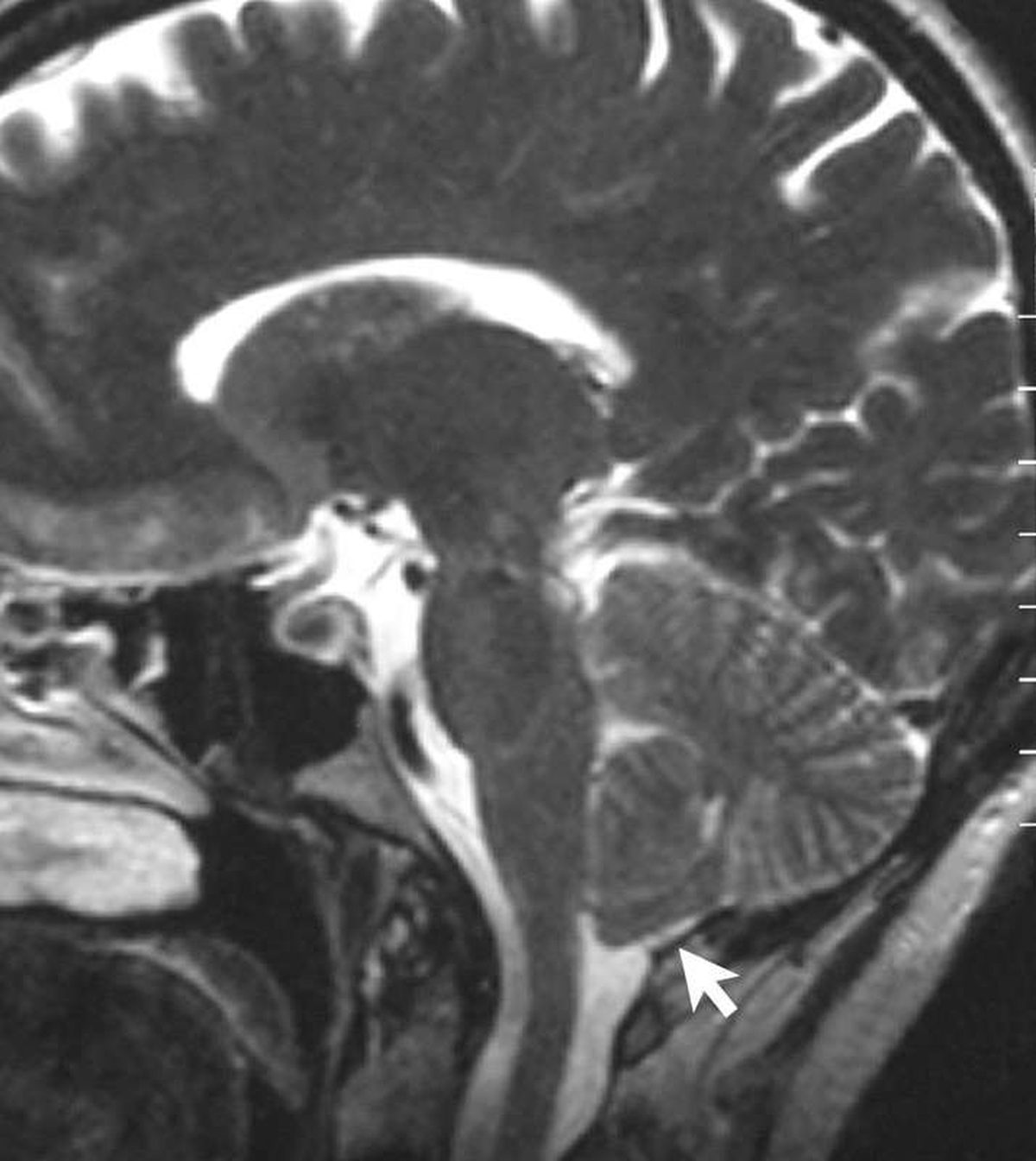
ADHD linked to fourfold dementia risk in Pitt study of 187,000 adults
Adults with ADHD face four times the risk of dementia, a University of Pittsburgh study of 187,000 adults published in JAMA Psychiatry
Why Do Athletes Get Cramps Despite Drinking Water?
Muscle cramps strike even well-hydrated athletes because sweat drains electrolytes that plain water cannot replace. Here is why water alone
Do bananas actually prevent muscle cramps?
A medium banana has 422 mg of potassium, but the evidence says it cannot stop cramps. Here is what the research shows, and what actually