
How to Keep Your Luggage Safe on Trains and Buses
Key takeaways
- Thieves strike most often at stops, in the confusion of boarding and leaving, so keep bags locked, tethered, and in sight.
- A small cable lock that ties your bag to a rack turns a grab-and-go theft into slow, visible work.
- Keep passport, phone, wallet, and documents on your body, never in a bag stored out of reach.
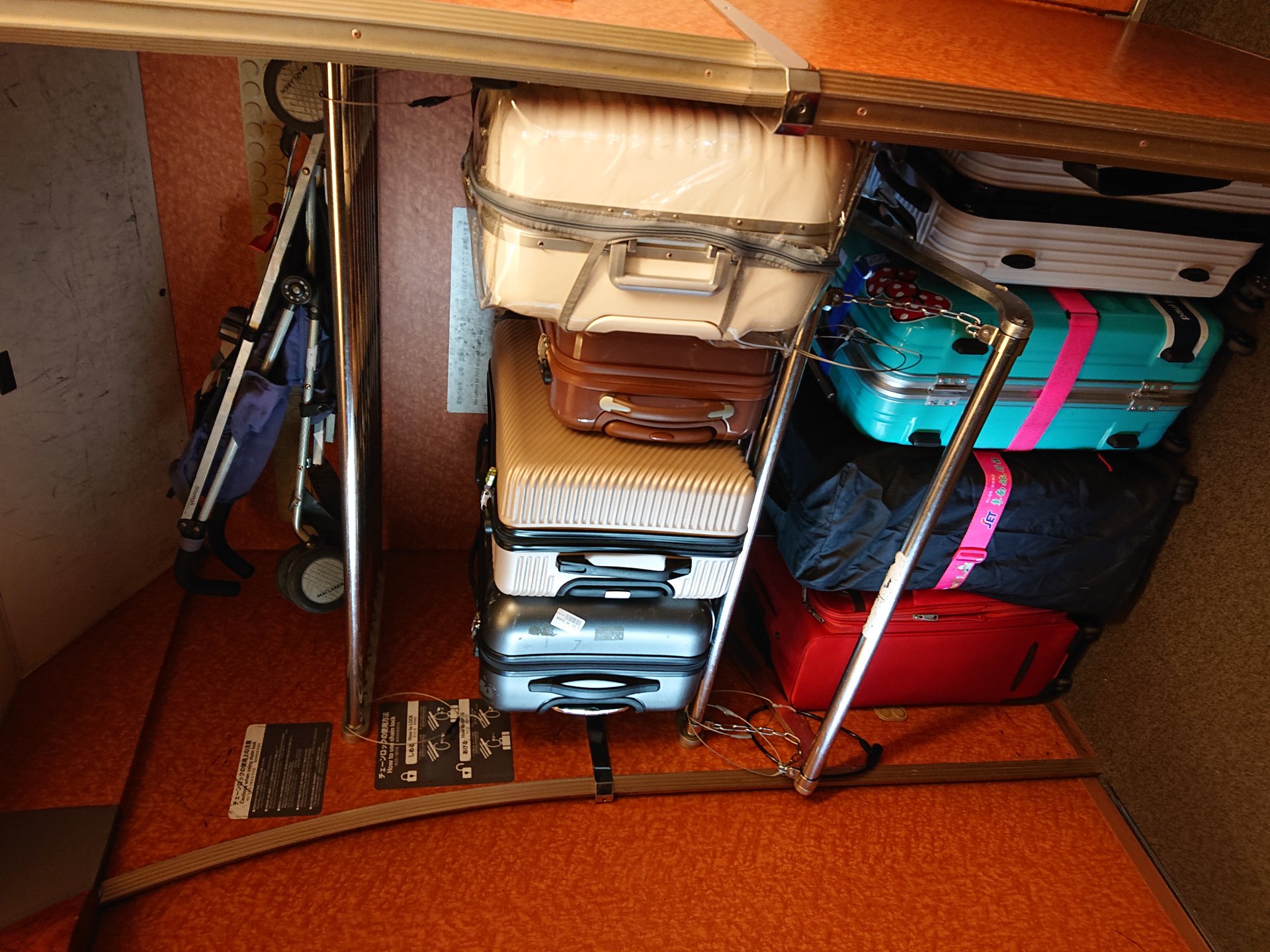
Trains and buses are safe for most trips, and luggage theft is rare on any single journey. The risk clusters in a few predictable moments: the stop where everyone stands up at once, the overnight stretch when everyone sleeps, and the rack at the end of the carriage that nobody can see.
The good news is that a few cheap habits remove most of the risk. Locks, tethers, rack choice, and where you keep your valuables matter more than any single gadget. Thieves look for easy targets, and a bag that is locked, tied down, and watched is not one.
This article covers how to keep your luggage safe on trains and buses, from packing to arrival.
Why stops are the danger point
A moving train or bus is a closed space with witnesses. A stopped train or bus is a different place. Doors open, people stand, bags shift, and strangers walk past your seat.
A thief can lift a bag, step onto the platform, and be gone before the doors close.
CoverTrip, in its travel safety guide, warns that thieves often target bags during the confusion of passengers boarding and departing. That is why securing a bag to a rack matters more than locking it in a hotel room would.
The same pattern holds on buses. The hold under the bus opens at each stop, and bags come out in a rush. On trains, the luggage rack at the end of the carriage is out of sight for most of the journey, which makes it a natural target.
The goal is not to make theft impossible. It is to make your bag slower and louder to steal than the one next to it. A thief who wants a fast, quiet exit will pass over a tethered bag.
Pack so theft hurts less
Packing decisions made at home decide how bad a theft would be. Start by splitting valuables.
Keep passport, phone, wallet, cards, tickets, keys, and medication in a small bag you carry on your body. A cross-body bag, a belt pouch, or a jacket with zip pockets all work. Never put these items in a bag that will sit in a rack or a bus hold.
The World Locals advises keeping valuables in front-facing compartments, never in back pockets, and using a cross-body bag or a backpack with lockable zips. On overnight buses or trains, the same guide suggests looping a strap around your arm or leg while you sleep.
Avoid flashy luggage. Johnny Jet tells the story of a traveller whose designer bags were stolen from an Italian train while plainer bags were left alone. The lesson was blunt: do not travel with obviously expensive luggage, since branding marks the bag as a target.
Lock and tether every bag
A lock does two jobs. It keeps a bag closed, and it slows a thief down. A tether does a third job: it ties the bag to something fixed.
Use a small padlock or a TSA-style lock on each zip. For backpacks, a lock that joins two zips together stops a quick dip into a pocket. For suitcases, lock the main compartment and any outside pocket that holds valuables.
A cable lock is the most useful tool for train and bus travel. It is a thin steel cable with a lock that threads through a bag handle and around a rack, seat frame, or fixed rail. CoverTrip recommends a cable lock to secure a bag to the rack itself, and to choose a storage rack near your seat rather than at the end of the car.
Advice For Travel makes the same point in stronger terms: locks and tethers do not just signal stay away, they force thieves to work harder and go slower. A quick theft is not possible if the bag will not budge, and people are less likely to ignore a thief struggling with a locked or anchored suitcase.
A cable lock takes under a minute to fit. Thread it through the handle, loop it around the rack, and lock it. The bag can still be cut open by a determined thief with tools, but a thief who wants a fast exit will not want that fight.
Choose the right rack and seat
Where you put your bag matters as much as how you lock it. The best rack is the one you can see from your seat.
On trains with open racks, pick a rack near your seat, not the one at the end of the carriage. CoverTrip advises choosing a storage rack near your seat and positioning bags so you can see them. If the only rack is out of sight, use the overhead rack or the space under your seat instead.
On buses with a hold, watch your bag go in and come out. Note where it sits. At each stop, glance at the hold if you can.
On arrival, claim your bag at once rather than waiting for the crowd to clear.
Seat choice helps too. The World Locals advises sitting near the driver or conductor where possible, and avoiding empty carriages late at night. A seat near staff and other passengers gives your bags more witnesses.
If you can, sit on the same side as your rack. A bag behind you is harder to watch than a bag across the aisle. If the rack is behind you, check it at every stop as a habit.
Keep valuables on your body
No lock stops a thief from walking off with a whole bag. That is why valuables stay on your body.
Your body-worn pouch should hold your passport, wallet, phone, cards, tickets, and keys. Keep it zipped and in front of you. On a crowded bus, wear a backpack on your front rather than on your back, or keep it between your feet with a strap around your leg.
On overnight trips, keep the pouch on you while you sleep. A money belt under your clothes is the simplest option. A jacket with an inside zip pocket works too.
The point is that a thief would have to wake you to reach your documents.
Split your cash and cards. Keep one card and some cash in your pouch, and a backup card in a separate hidden pocket. If one is lost, the other keeps you moving.
The stop routine
Stops are where bags go missing. Build a short routine and run it at every stop.
As the train or bus slows, glance at your bags. If a bag is in a rack, check that the cable is still in place. If a bag is in the overhead bin, check that it is still there.
If a bag is under your seat, feel for it with your foot.
Stay alert while doors are open. This is the window a thief uses. CoverTrip warns to stay alert during stops, since thieves target bags in the confusion of boarding and departing.
When new passengers board, watch for anyone handling bags that are not theirs. A thief often acts natural and grabs a bag as if it owns it, as Johnny Jet notes. A glance from a real owner is often enough to break that act.
At your own stop, take your bags with you and check them at once. Count them. Check zips and cable ties.
If a bag is missing, report it to the conductor or driver before you leave the station, while the vehicle is still there.
Overnight trips need extra care
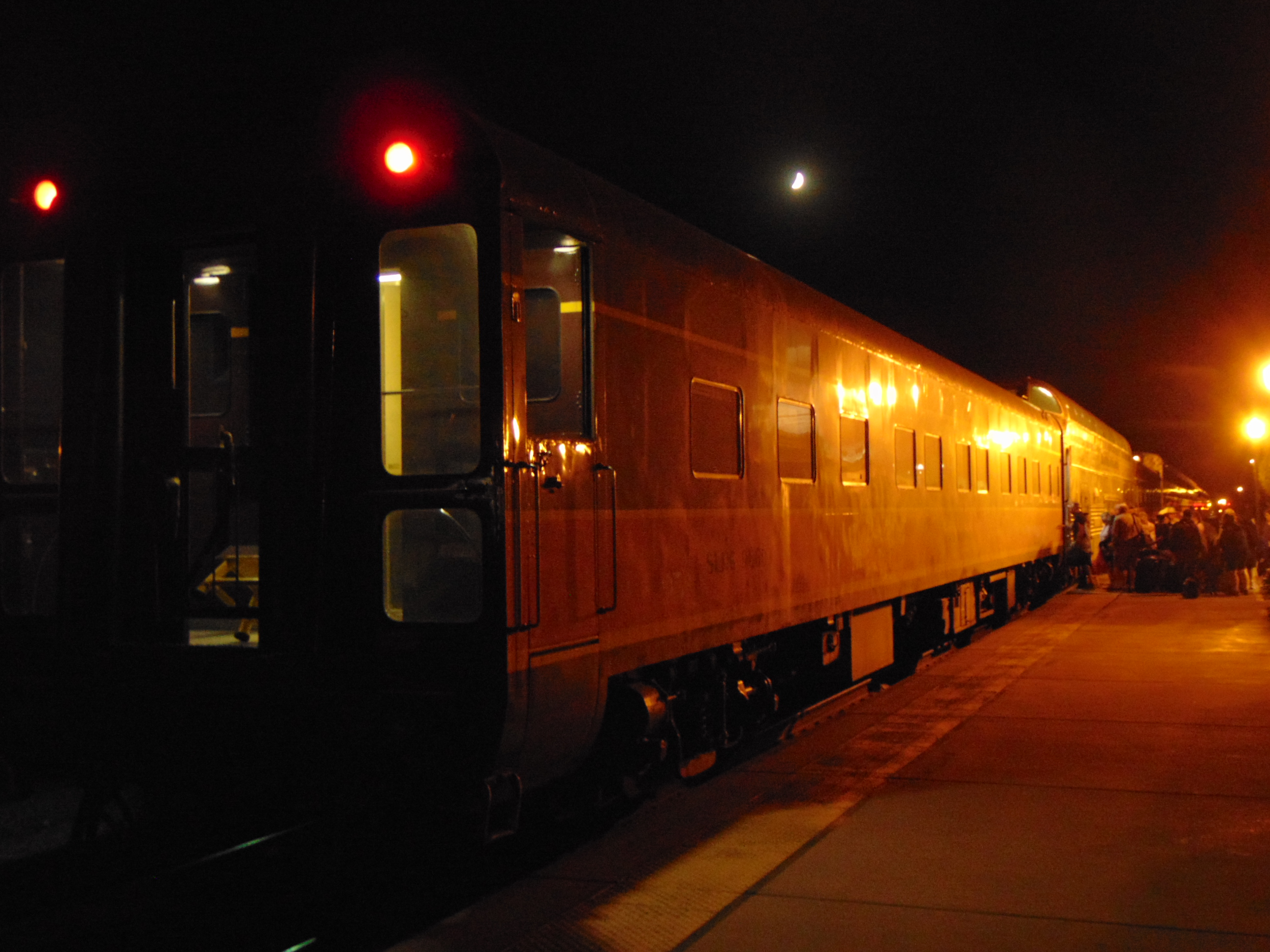
Overnight trains and buses add sleep to the risk. You cannot watch your bags while you sleep, so the gear has to do the watching.
Secure every bag to the rack, your seat, or your sleeping berth with a locking cable. CoverTrip gives this advice for lengthy and overnight trips, and it is the single most useful overnight habit.
Keep your day bag with your valuables in the berth with you, or loop its strap around your arm or leg. The World Locals gives the same advice for overnight buses and trains.
In a sleeper cabin, keep the door locked while you are inside. Do not leave valuables in the cabin when you go to the dining car or the corridor. Take your pouch with you.
Trackers, photos, and proof
A small tracking device in your main bag will not stop theft, but it can help you find a bag that was taken by mistake or left at a station. Put one in the bag you would miss most.
Photograph your bags before you travel. CoverTrip suggests snapping a quick photo of your bags in their storage location, since it helps if you need to report a theft to the conductor and police. A photo of the bag itself, plus a photo of where you left it, makes the report far more useful.
Keep receipts for expensive items and a note of bag brands and colours. A description such as "black suitcase" helps nobody. "Dark green hard-shell suitcase, brand on the front, red cable lock, sticker on the handle" helps staff spot it.
If a bag is stolen, report it at once to the conductor or driver, then to the station police. Give them the photos and the description. File the report in writing if you plan to claim on insurance.
Common questions about luggage safety
Travellers ask the same questions before almost every trip. These answers cover the most frequent ones.
Are trains or buses more risky for luggage?
Both have the same risk points: racks out of sight, holds opened at stops, and overnight stretches. Trains often have more rack space near seats, while buses often store bags in a hold you cannot watch. The habits are the same either way.
Do luggage locks really help?
Yes, against the most common theft, which is a quick grab. A lock forces a thief to slow down, make noise, and attract attention. No lock stops a thief with tools and time, but most thefts are opportunistic.
The bottom line
Luggage safety on trains and buses comes down to three habits: lock and tether every bag, keep the bag where you can see it, and keep valuables on your body. Stops are the danger point, so run a quick bag check at every one.
A cable lock costs little and takes under a minute to fit. A body-worn pouch keeps your documents safe even if a bag goes missing. Pack with theft in mind, and you can enjoy the journey instead of watching your bags for the whole trip.
Tags: travel, luggage, trains, buses
Latest in Travel
- How to beat long-flight boredom without buying anything
- How to plan a road trip on a tight budget
- How to pack a travel first-aid kit
- What documents do you need to travel with kids internationally
Subscribe for one practical travel guide in your inbox each week.
Related stories

The 3-1-1 liquids rule for planes: what each number means
TSA's 3-1-1 rule limits carry-on liquids to 3.4-ounce containers in one quart bag. Where the 2006 rule came from, what counts, and how

Why Is Airplane Food So Bland at Altitude?
A 2010 Fraunhofer study found altitude cuts sweet and salty perception by up to 30 percent. Low humidity, cabin pressure, and noise all

Carry-on size limits: why airlines each set their own
Airlines set their own carry-on limits because the FAA only requires each carrier to have a policy, not one global size. Why 22 x 14 x