
What to Pack in a Travel First Aid Kit for Any Trip
Key takeaways
- A travel first aid kit covers pain, cuts, stomach trouble, allergies, and your regular medicines.
- Keep the kit in your carry-on so it stays with you during delays and lost luggage.
- Check flight rules and expiry dates before you pack, and keep medicines in labelled original containers.
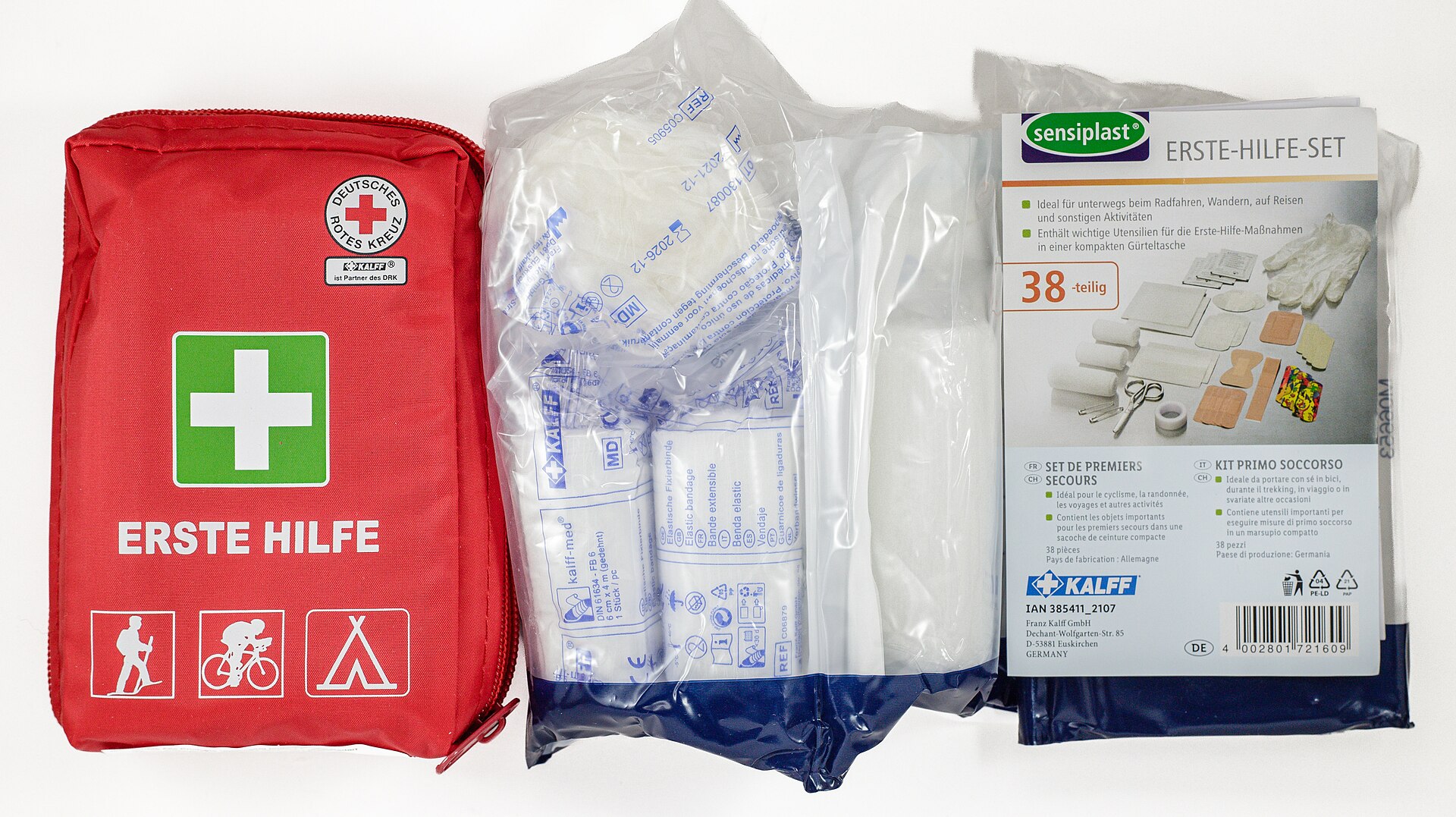
What a travel first aid kit is
A travel first aid kit is a small bag of medicines and supplies that handles minor health problems on a trip. It covers cuts, blisters, headaches, stomach trouble, allergies, and insect bites. It does not replace a doctor or an emergency service.
The kit exists for one practical reason. Pharmacies close, unfamiliar shops stock unfamiliar brands, and a small problem at midnight feels bigger far from home. A packed kit turns those moments into a quick fix.
The American College of Emergency Physicians and the CDC encourage travelers to pack a first-aid kit or travel health kit for common medical emergencies, according to health library guidance from UMass Memorial Health and OU Health. The same guidance says to pack the kit in your carry-on bag and keep it with you at all times.
This article explains what to pack in a travel first aid kit, how to organize it, and how to adjust it for flights, children, and remote trips. It is general information, not medical advice.
Start with your regular medicines
Pack your regular medicines first. They are the only items in the kit that cannot be replaced with a generic substitute from a foreign pharmacy.
Take enough for the whole trip plus extra in case your return is delayed. Carry every medicine in its original container with a clear label showing your name and dosing schedule. That label matters at borders and security checks.
Add a written list of your prescription medicines and their generic names. Brand names change between countries, but generic names travel. Keep one copy in the kit and one on your phone.
If you have a chronic condition such as diabetes, seizures, or allergies, consider wearing a medical alert bracelet. It speaks for you when you cannot.
If you carry epinephrine for severe allergies, keep it with you at all times, not in checked luggage. The same rule applies to any rescue medicine. A kit in the hold does nothing during a flight.
Pain, fever, and allergy medicines
These over-the-counter basics handle the most common travel complaints. Pack small quantities in sealed, labelled packaging.
Acetaminophen, ibuprofen, or aspirin can relieve headaches, pain, fever, and simple sprains or strains. Pack one or two, not all three, unless you have a reason to carry both types. Know which one you tolerate before the trip.
Antihistamines relieve allergy symptoms such as sneezing, itchy eyes, and hives. They also help with some insect bite reactions. A non-drowsy option suits daytime use.
Antacid medicine settles upset stomach.
Talk with your doctor about a prescription for an antibiotic you can take in case of diarrhea. The guidance from OU Health suggests this conversation before travel. Do not pack leftover antibiotics from an old illness and dose yourself without advice.
Wound care supplies
Cuts, scrapes, and blisters are the most likely injuries on any trip. A small wound kit weighs little and covers most of them.
Pack bandages of assorted sizes to cover minor cuts and scrapes. Add bandage closures, such as butterfly bandages, to tape the edges of minor cuts together. A triangular bandage wraps injuries and doubles as an arm sling.
Add gauze in rolls, plus 2-inch and 4-inch pads, to dress larger cuts and scrapes. Adhesive tape keeps the gauze in place. Safety pins fasten splints and bandages.
Antiseptic wipes disinfect wounds and clean hands, tweezers, or scissors. Antibiotic ointment helps prevent infection in cuts, scrapes, and burns. Disposable, instant-activating cold packs cool injuries and burns, and help with strains and sprains.
Pack disposable rubber gloves to protect your hands and reduce infection risk when treating wounds. Gloves matter most when you help someone else, since you do not know their health history.
Add tweezers to remove small splinters, foreign objects, bee stingers, and ticks from the skin. Round-tipped scissors cut tape, gauze, or clothing if needed. Note that scissors and tweezers may not be allowed in your carry-on bag when flying, so check the rules for your route.
Skin, sun, and bite care
Skin problems are common on trips. Sun, insects, and unfamiliar plants all take a toll.
Pack sunscreen of SPF 15 or higher. Higher SPF gives more margin, but any sunscreen works only if you apply it and reapply after swimming or sweating. Aloe gel soothes sunburns.
Calamine lotion relieves itching and irritation from insect bites and poison ivy. Hydrocortisone cream relieves irritation from rashes. Pack small tubes, since a little goes far.
Insect repellent needs care with strength. Health library guidance says repellents for children should contain 10% to 30% DEET. Those for adults should contain 30% to 50% DEET or up to 20% picaridin.
Do not use insect repellent on infants 2 months of age or younger. Do not use products that combine DEET with sunscreen, since the two need different reapplication schedules.
If you travel where malaria occurs, pack medicine to prevent malaria if needed for your destination. Ask your doctor or a travel clinic well before departure, since some courses start days or weeks before travel.
Tools and small extras
A thermometer takes temperatures in case of illness. Choose one with no mercury and no glass, as the guidance recommends. A digital thermometer is cheap, light, and safe in luggage.
Antibacterial hand wipes or an alcohol-based hand cleaner should contain 60% alcohol or more, according to the same guidance. Hand cleaner helps when soap and water are not available.
Masks, disposable or cloth, still earn a place in a travel kit. They help in dusty places, on crowded transport, and when you feel unwell around others.
Water purification tablets matter for trips where tap water is unsafe.
Latex condoms appear on the health library list as well. Pack them if they are relevant to your trip.
How to organize the kit
Use a clear, zippered pouch with separate pockets. Clear pockets let you find items fast. A hard case protects glass bottles and tubes.
Group items by job. Keep wound care in one pocket, medicines in another, and skin care in a third. Label the pockets if the bag has no clear windows.
Put the kit where you can reach it. A carry-on pocket or daypack lid works well. A kit buried at the bottom of a suitcase is a kit you will not use.
If you travel with children, keep medicines in child-resistant packaging and keep the bag out of their reach. The health library guidance stresses child safety caps and keeping the first-aid bag away from children.
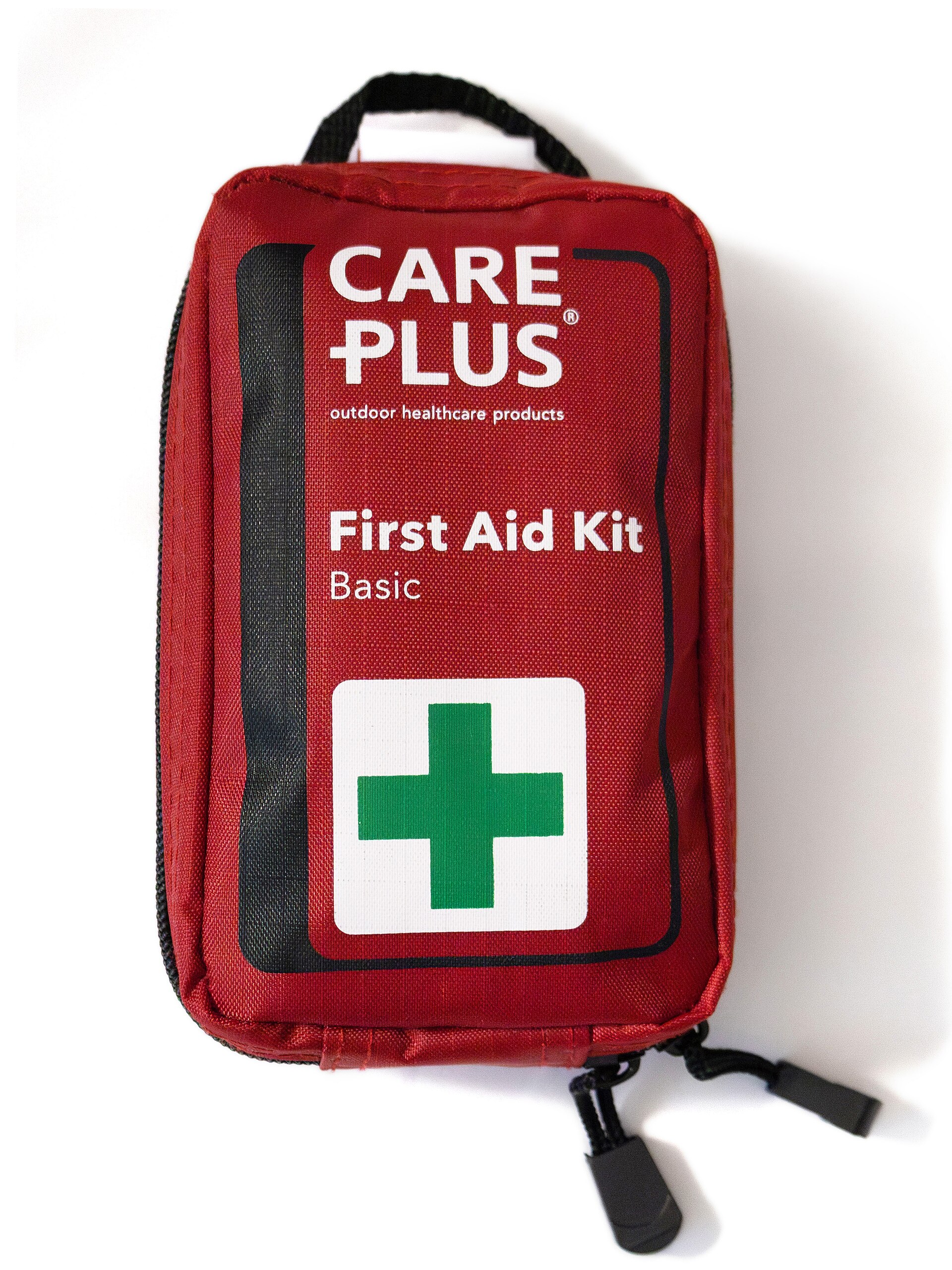
Flight rules and packing limits
Air travel adds rules that road trips do not. Check them before you pack.
Liquids, gels, and creams in carry-on bags face volume limits on most airlines. Small tubes of ointment, gel, and repellent usually pass, but large bottles must go in checked luggage. The guidance warns that some first-aid items may need to go in checked luggage while flying.
Sharp items face the strictest limits. Scissors and tweezers may not be allowed in your carry-on bag on some routes. Pack blunt-tipped versions, or put sharps in checked luggage and carry only the soft supplies in the cabin.
Medicines get an exception on most airlines, but the original labelled container rule still applies. Keep prescriptions and their labels together. Carry a letter from your doctor for controlled medicines or syringes.
Remember that a carry-on kit helps only if it stays with you. If your checked bag goes missing, your kit should still be in your hand.
That is the strongest argument for packing the essentials in the cabin, even when space is tight. For the wider packing picture, see how to keep luggage safe on trains and buses.
Adjust the kit for your trip
A city weekend needs a light kit. A remote trek needs a heavier one. Adjust from the same base.
For a city trip, carry pain relief, plasters, antiseptic wipes, allergy medicine, hand cleaner, and your regular medicines.
For trips with children, add children's doses of pain relief and allergy medicine, oral rehydration salts, and extra plasters in fun colors. Children notice plasters more than adults do, and a bright one can end tears fast. If you fly with kids, check the documents needed to travel with children internationally.
For trips to regions with stomach risks, add over-the-counter medicine for diarrhea and oral rehydration salts. Ask your doctor before departure about the right approach for your destination.
What to leave out
A travel kit should stay small. Leave out bulky items you can buy at any pharmacy, such as full-size shampoo or a large bottle of vitamins.
Leave out expired medicines. The health library guidance says to check expiry dates and discard medicine that is out of date.
Check the kit before every trip
Check expiry dates every few months, not only before a big trip. Heat and humidity shorten the life of some medicines. A kit left in a hot car all summer may hold dead supplies.
Replace used items at once. A kit with one plaster left is a kit with no kit. Restock the day you return, while you still remember what you used.
Frequently asked questions
Should the kit go in carry-on or checked luggage?
Carry-on. The health library guidance says to pack the kit in your carry-on bag and keep it with you at all times. Checked luggage can be delayed or lost, and you cannot reach it mid-flight.
How much medicine should I pack?
Pack enough for the trip plus extra in case your return is delayed. For daily medicines, a few extra days of supply covers most delays. Keep the extra supply in the same labelled containers.
What if I have a life-threatening allergy?
Carry the appropriate medicine with you at all times, as the guidance stresses. Keep it on your person, not only in the kit. Tell your travel companions where it is and how to use it.
Outlook
A good travel first aid kit is small, organized, and built around your own needs. Start with regular medicines, add wound care and common remedies, then adjust for the destination. Check dates, respect flight rules, and restock after each trip.
Pack the kit in your carry-on, keep it within reach, and you will handle most minor travel problems without a midnight pharmacy hunt. For the rest of your trip planning, see how to plan a road trip on a tight budget.
This article is for general information, not medical advice.
Tags: travel first aid kit, packing list, travel health, travel safety
Latest in Travel
- How to Plan a Road Trip on a Tight Budget
- How to Keep Luggage Safe on Trains and Buses
- What Documents You Need to Travel With Kids Internationally
Subscribe for one practical travel tip each week.
Related stories

The 3-1-1 liquids rule for planes: what each number means
TSA's 3-1-1 rule limits carry-on liquids to 3.4-ounce containers in one quart bag. Where the 2006 rule came from, what counts, and how

Why Is Airplane Food So Bland at Altitude?
A 2010 Fraunhofer study found altitude cuts sweet and salty perception by up to 30 percent. Low humidity, cabin pressure, and noise all

Carry-on size limits: why airlines each set their own
Airlines set their own carry-on limits because the FAA only requires each carrier to have a policy, not one global size. Why 22 x 14 x