
How to Plan a Road Trip on a Tight Budget
Key takeaways
- Split the budget into fuel, food, stays, fun, and a 10 to 20 percent cushion for surprises.
- One worked example puts a 1,000-mile, 5-day trip at $625, or about $125 per day.
- Cooker-friendly food, cheap stays, and daily expense tracking do most of the saving.
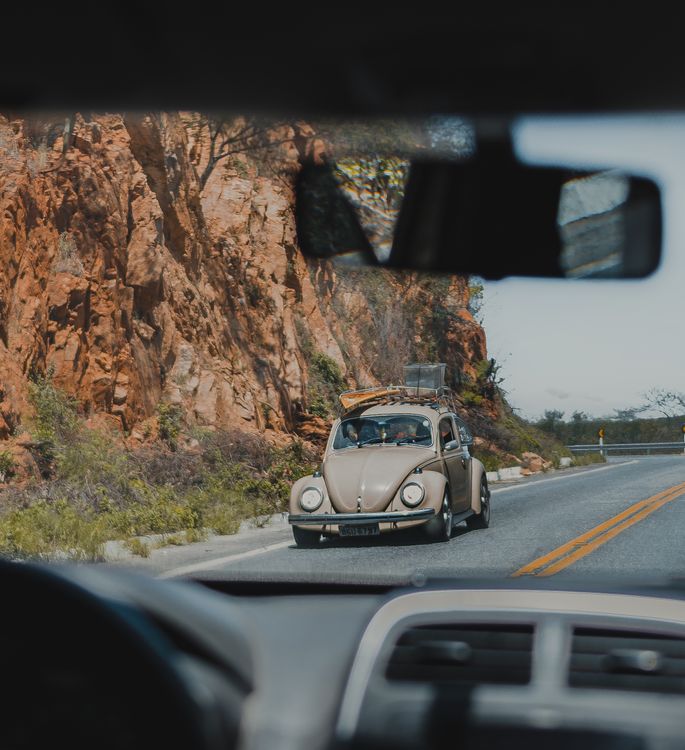
A road trip on a tight budget is a math problem before it is a route problem. Once you know what fuel, food, stays, and fun will cost, the rest of the planning gets easy.
This article explains how to plan a road trip on a tight budget, including the budget formulas, a worked example, cheap lodging choices, and a tracking habit that keeps the trip on plan.
Start with the budget, not the route
Pick a total number first. Decide how much the whole trip can cost, then divide that number into five buckets: fuel, food, stays, fun, and extras. One simple framework assigns about 40 percent to lodging, 30 percent to food, 20 percent to fuel, and 10 percent to extras, according to the road trip cost planner published by TryBeem.
That split is a starting point, not a rule. Campers spend far less on lodging and more on food or activities. Hotel travelers flip the balance.
The point is that every dollar has a bucket before the trip starts.
Write the five buckets on one page. Every later decision, from route to restaurant, gets judged against those numbers.
The fuel math
Fuel is often the biggest single cost on a long trip, and it is the easiest to estimate. Use this formula, published by Destination Dorworth: (total miles divided by miles per gallon) times gas price.
A worked example makes it concrete. A car that averages 30 miles per gallon on a 1,000-mile trip burns about 33 gallons. At $4.50 per gallon, fuel costs about $150. Change any one input and the answer changes with it, so run the formula with your own car, route, and local gas prices.
Three habits cut fuel spending without cutting miles. First, compare prices with an app such as GasBuddy or Upside, and fill up a few miles away from interstate exits, where stations charge more. Second, keep tires at the recommended pressure, which can improve fuel efficiency by about 3 percent, according to RoadVoyagist.
Third, drive smoothly, since speeding and hard acceleration burn extra fuel.
Route choice matters too. Avoiding backtracking saves miles. Traveling outside peak traffic hours saves time and fuel.
Scenic byways can be slower but cheaper when they skip tolls.
The food math
Food is the bucket most travelers underestimate. Eating out three times a day can quietly cost more than a night in a motel. The fix is simple: cook most meals and buy a few memorable ones.
The formula is daily food budget times days. If you set $20 per day for a 5-day trip, the food bucket is $100. That number only works if most meals come from a cooler or a campground stove.
Pack a cooler with sandwiches, fruit, granola bars, water, and snacks before you leave. Stock up at a grocery store rather than a gas station. Save restaurant spending for one or two local meals that are actually worth it, and treat the rest as fuel for the drive.
GoCredit makes the same point in its budget road trip guide: dining out for every meal adds up fast, while a cooler stocked with sandwiches, fruit, and snacks keeps costs low and still leaves room for a few local restaurants.
The lodging math
Lodging is nights times cost per night. That sounds obvious, but the spread between options is huge. RoadVoyagist published 2026 average ranges that show the gap: dispersed camping costs about $0, hostels run $30 to $60, and budget hotels run $80 to $120 per night.
Camping is the cheapest option by far, and it works best when you mix it with other stays. Two nights of camping plus two nights in a budget motel can cut a lodging bill in half compared with four hotel nights.
Other cheap options include staying with friends or family, booking budget hotel chains early, and using vacation rentals for groups, where the per-person cost drops. For national park trips, park lodging and campgrounds book out early, so reserve as soon as dates firm up.
Book in advance when you can. Popular destinations charge more for walk-in rooms, and advance booking locks in the lower rate.
A worked example
Destination Dorworth published a worked example for a 1,000-mile, 5-day trip. Gas came to $150, stays to $250 with a mix of camping and motels, food to $100 with groceries plus some eating out, fun to $75 for park passes and tours, and extras to $50. The total was $625, or $125 per day.
Treat that example as a template, not a promise. Your car, route, and tastes will change every line. The value is in the structure: five buckets, one total, and a daily figure you can compare against while you travel.
If your total comes out too high, adjust the biggest bucket first. Swap a hotel night for a campsite, shorten the route by a day, or move one restaurant meal to the cooler. Small changes in the biggest bucket beat heroic savings in the smallest one.
Free and cheap fun
The best road trip stops are often free. Hiking trails, beaches, state and national parks, historic sites, and scenic overlooks cost little or nothing. Seek out free museum days, farmers markets, community events, and local festivals along the route.
For paid attractions, look for combination passes and bundle deals. A single park pass can cover several days. Some cities offer discount cards that bundle transit and entry fees.
Build the route around free stops first. Then add one or two paid highlights that make the trip feel special. That order keeps the fun bucket honest.
The extras cushion
Every road trip has a surprise. A tire needs air, a detour adds miles, or a campground is full and the next motel costs more. The extras bucket exists for exactly these moments.
Destination Dorworth suggests adding 10 to 20 percent on top of the other buckets for surprise costs. On a $500 trip, that means $50 to $100 set aside. If the trip ends without surprises, the cushion becomes souvenir money or savings for the next trip.
Keep the cushion in cash or in a separate account, not mixed into daily spending. When it sits in the same pile as food money, it vanishes into snacks.
Track spending every day
A budget only works if you check it. Pick one method and use it every night: a notes app, a spreadsheet, or a paper notebook. Add up the day's fuel, food, stays, and fun, and compare the total with the daily target.
Daily tracking turns mistakes into small corrections. If lodging runs $40 over one night, you can cook two extra meals the next day and stay on plan. Without tracking, the same mistake repeats for four nights and the trip ends over budget.
TryBeem makes the same case in its road trip cost planner: tracking daily prevents surprises when you get home, and it lets you adapt in real time without losing the big picture.
Pack for saving money
A few items pay for themselves on the first day. A cooler keeps food fresh and cheap. Refillable water bottles beat gas station drinks.
A basic tool kit, a tire gauge, and a phone charger avoid small emergencies.
Download music, podcasts, maps, and audiobooks before you leave. Offline downloads save data and keep the car entertained without paid stops. Bring books, card games, or a ball for rest stops and campgrounds.
Check the car before departure. Tire pressure, oil, coolant, and lights all affect safety and fuel use. A quick service visit costs less than a breakdown on the road, and a well-maintained car burns less fuel.
How to split costs with travel partners
Traveling with friends changes the math in your favor. Fuel, lodging, and groceries split across two or four people can halve the per-person cost. Agree on the split before departure: equal shares, one person pays fuel while another pays food, or a shared kitty everyone tops up.
Keep the kitty simple. One person holds the shared money, logs each shared expense, and reports the balance each evening. Settle up at the end of the trip, not at every stop.
Frequently asked questions
How much should a road trip cost per day?
It depends on lodging and distance. The worked example above lands near $125 per day for a 1,000-mile, 5-day trip with mixed camping and motels. All-camping trips run much lower, and all-hotel trips run much higher.
What is the cheapest way to sleep on a road trip?
Dispersed camping costs about $0 where it is allowed, followed by campgrounds, hostels, and budget hotels. Sleeping in the vehicle works only where it is legal and safe, so check local rules first.
How can I save on gas?
Compare prices with an app, fill up away from interstate exits, keep tires at the recommended pressure, drive smoothly, and avoid backtracking. Removing unneeded weight from the car helps too.
Should I book stays in advance?
Yes, for popular places and peak season. Advance booking usually secures lower rates and avoids a forced upgrade to a pricier room when cheap options sell out.
What if I go over budget mid-trip?
Cut the biggest remaining bucket. Swap a hotel night for camping, cook instead of eating out, or drop a paid attraction for a free one. Daily tracking makes the correction small.
The bottom line
A tight-budget road trip runs on five numbers: fuel, food, stays, fun, and a cushion for surprises. Run the formulas, pick the cheapest stays that still feel good, cook most meals, and track spending each night. The trip will cost what you planned, and the savings will leave room for the stops that make it memorable.
Tags: road trip, budget travel, travel planning, saving money
Latest in Travel
- How to Beat Long-Flight Boredom Without Buying Anything
- How to Pack a Travel First Aid Kit
- Hostel Dorm or Capsule Hotel: What Is the Difference?
Subscribe to the Rive News newsletter for one useful explainer each week.
Related stories

The 3-1-1 liquids rule for planes: what each number means
TSA's 3-1-1 rule limits carry-on liquids to 3.4-ounce containers in one quart bag. Where the 2006 rule came from, what counts, and how

Why Is Airplane Food So Bland at Altitude?
A 2010 Fraunhofer study found altitude cuts sweet and salty perception by up to 30 percent. Low humidity, cabin pressure, and noise all

Carry-on size limits: why airlines each set their own
Airlines set their own carry-on limits because the FAA only requires each carrier to have a policy, not one global size. Why 22 x 14 x