
How to beat long flight boredom without buying anything
Key takeaways
- A long flight can stay interesting with free tools you already carry, such as your phone, a pen, and paper.
- Mix movement, focus, rest, and social time in blocks so no single activity wears thin.
- The United States CDC advises walking every 2 to 3 hours on long trips to keep blood moving.
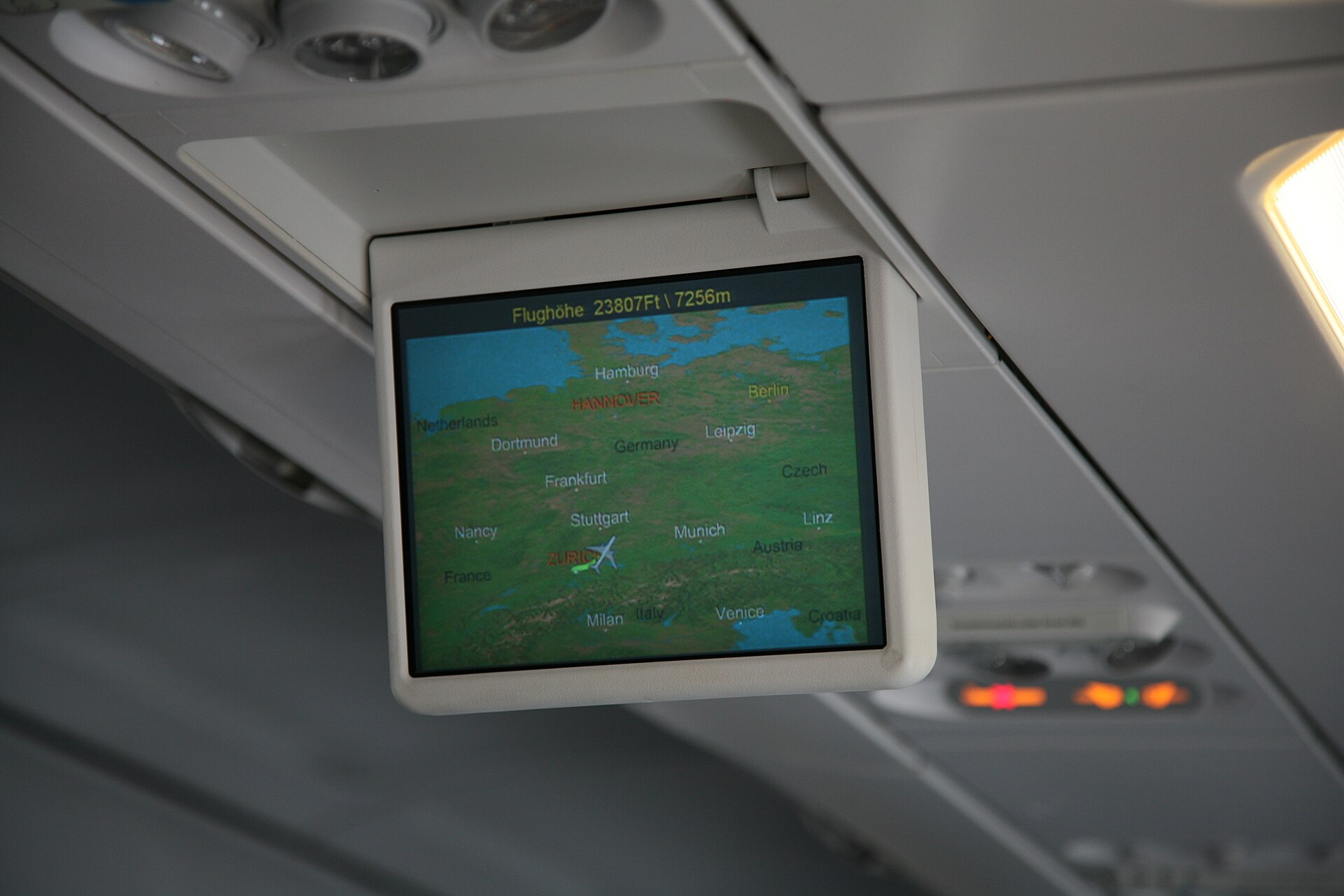
Long flight boredom is the flat feeling that sets in when the novelty of takeoff fades and hours of sitting remain. A long-haul flight can last 6, 10, or 14 hours. The seat stays the same, the view stays the same, and the clock seems to slow down.
Beating that boredom without buying anything means using what you already have. Your phone, a pen, a scrap of paper, the seatback screen, and your seatmates all count. So does the meal service, the window view, and your own memory.
This article explains how to beat long flight boredom without buying anything, including free ways to move, free ways to focus, free ways to rest, and a simple hour-by-hour plan.
Start with a simple rule: rotate, do not repeat
Boredom grows when one activity drags on too long. A film can feel endless if it is your fourth in a row. A book can feel heavy if you read it for five straight hours.
Rotation fixes that.
AirHelp, a company that helps air passengers with compensation claims, advises travelers to mix activities up and pace themselves. Its list of plane activities includes games, creative writing, language learning, stretching, coloring, talking, and podcasts. Variety is the point.
No single item on that list needs to carry the whole flight.
A practical rotation uses blocks of 45 to 90 minutes. Watch something, then read. Read, then write.
Write, then walk. Each switch resets your attention. You can run the same loop twice on a very long flight and still feel fresh at landing.
Move your body for free
Movement is the one free activity that also protects your health. Sitting still for hours lets blood pool in the veins of your legs. That pooling can lead to a deep vein thrombosis, a blood clot that forms in a large vein.
The United States Centers for Disease Control and Prevention (CDC) warns that part of such a clot can break off and travel to the lungs, where it blocks arteries.
The CDC advises travelers to stand up or walk around every 2 to 3 hours. It also suggests picking an aisle seat when possible so getting up is easy. While seated, the CDC recommends three small exercises.
Raise and lower your heels while keeping your toes on the floor. Raise and lower your toes while keeping your heels on the floor. Tighten and release your leg muscles.
AirHelp adds a related tip from physicians at Mayo Clinic. During long flights, passengers should stand up and stretch at least once an hour. You do not need a yoga mat or a gym routine.
A slow walk to the galley and back, plus a few shoulder rolls at your seat, is enough. Movement also breaks the mental fog that makes hours feel longer.
One caution applies here. The CDC says taking aspirin to prevent blood clots when traveling is not recommended. If you take aspirin for other reasons, check with your doctor.
Movement and water are the free tools. Pills are not part of this plan.
Use the entertainment you already have
Before you board, your phone probably holds more free entertainment than you can use in one flight. Most phones carry photos, notes, downloaded shows, saved articles, and music. All of it works in airplane mode.
None of it costs anything on the day.
Start with the seatback screen if your plane has one. Many airlines load films, television shows, games, and music into the seatback system at no extra charge. Browse it like a library instead of settling for the first title.
A short comedy can lift your mood after a tense connection. A documentary can carry you through a full meal service.
Then turn to your own device. Cheapflights, the flight search site, suggests organizing your photos during a flight. Deleting blurry shots and sorting keepers into albums is dull at home.
On a plane, it feels oddly satisfying. You free up storage for trip photos at the same time.
Podcasts and audiobooks are another free option if you downloaded them before takeoff. A single long episode can fill two hours. If you did not download anything, the seatback audio channels or a borrowed paperback from a seatmate still work.
The rule is simple. Use what is already within reach before wishing for Wi-Fi.
Write, draw, or plan with pen and paper
A pen and a scrap of paper are the cheapest entertainment ever made. AirHelp notes that long flights give writers rare silence and a lack of distractions. You do not need to be a journalist to use that quiet.
A diary entry, a letter, or a list of trip goals all work.
Try a travel journal. Write down what you saw at the airport, what you ate, and what you hope to find at your destination. Travel blogger Chantae Reden, cited by AirHelp, journals on return flights and glues in ticket stubs and flyers as a low-cost souvenir.
A journal also gives you something to reread on the way home.
Drawing works the same way. A quick sketch of the wing, the clouds, or your seatmate's coffee cup costs nothing. Adult coloring books help some travelers relax through slow, repeated motion.
Naomi Ritz of Crossing Travel, quoted by AirHelp, put the mindset this way: "Long-haul flights can be an opportunity rather than an inconvenience; it is all a matter of perspective."
Planning is a third paper activity. Sketch your first day at your destination. List the streets you want to walk, the foods you want to try, and the phrases you want to learn.
That kind of planning turns dead time into trip time. It also helps to plan around the practical side of travel, such as what to pack in a travel first aid kit or how to keep your luggage safe on trains and buses once you land.
Learn something with zero spending
A long flight is a classroom with no tuition. Language learning tops the list. AirHelp suggests downloading a language app such as Babbel or Duolingo before the trip.
The free tiers of these apps work offline once lessons are saved. Even without an app, you can study a phrase list from a guidebook or repeat phrases from memory.
Pick ten phrases for your destination. Hello, thank you, please, where is the bus, how much does this cost, and I would like water cover most early needs. Say each one aloud, then write it down.
Test yourself an hour later. By landing, five or six will stick.
Puzzles train a different muscle. Cheapflights recommends puzzle books with crosswords or word searches. If you did not bring one, make your own games.
Count how many countries you can name from memory. List every capital city you know. Play hangman or tic-tac-toe with a seatmate on a napkin.
Paper games need no battery and no purchase.
Reading counts as learning too. A long flight is a good place to finish a book you started months ago. If you travel with children, the same logic holds.
AirHelp suggests packing small toys or wrapping small items from a dollar store to stagger through the flight. You may also want to check what documents you need to travel with kids internationally before you fly, since paperwork stress is a different kind of boredom killer.
Talk, rest, and use the meal service
Talking to a seatmate is free and often surprising. Full-time traveler Kelly Hayes-Raitt, cited by AirHelp, enjoys talking to seatmates and flight attendants for tips about her destination. A short chat can yield a restaurant tip no guidebook lists.
The etiquette rule is to watch body language. If your neighbor gives short answers or puts on headphones, let the conversation end.
Rest is also a strategy, not a failure. Sleep makes time pass fast. A contoured eye mask helps, but a sweater draped over your eyes works too.
Set a rough sleep window that matches your destination time zone. Even light dozing helps. If sleep will not come, close your eyes and listen to cabin noise for 20 minutes.
Your brain still rests.
Then there is the meal service. Cheapflights points out that meals break up a long flight, and it advises travelers to take them slowly. Eating slowly is not a trick.
It is a way to turn a 20-minute service into a 45-minute event. Sip water between bites. Watch the clouds between courses.
Let the tray sit for a few minutes before you clear it. On a 12-hour flight, two slow meals plus snacks can cover two full hours.
What not to spend on
Free means free. You do not need paid Wi-Fi, a new tablet, or an airport bookstore haul to pass the time. A Wi-Fi pass often delivers slow speeds at a high price, and a new game loses its shine after 30 minutes.
The free toolkit in this article covers the same hours at no cost.
The bottom line
Long flight boredom fades when you rotate free activities instead of waiting for the hours to pass. Move every couple of hours, use the entertainment you already carry, write or draw with pen and paper, learn a few phrases, talk when it feels right, and stretch each meal. A simple hour-by-hour plan keeps the whole flight moving.
Tags: travel, flights, long-haul flights, free activities
Latest in Travel
- How to plan a road trip on a tight budget
- How to pack a travel first aid kit
- How to keep luggage safe on trains and buses
- What documents you need to travel with kids internationally
Subscribe for one practical travel tip each week, no spam.
Related stories

The 3-1-1 liquids rule for planes: what each number means
TSA's 3-1-1 rule limits carry-on liquids to 3.4-ounce containers in one quart bag. Where the 2006 rule came from, what counts, and how

Why Is Airplane Food So Bland at Altitude?
A 2010 Fraunhofer study found altitude cuts sweet and salty perception by up to 30 percent. Low humidity, cabin pressure, and noise all

Carry-on size limits: why airlines each set their own
Airlines set their own carry-on limits because the FAA only requires each carrier to have a policy, not one global size. Why 22 x 14 x