
What Documents Do You Need to Travel With Kids Internationally
Key takeaways
- Every child, including a baby, needs their own passport for international travel.
- When one parent travels alone with a child, carry a notarized consent letter from the other parent.
- Carry proof of relationship and custody papers, since rules vary by destination and officer.
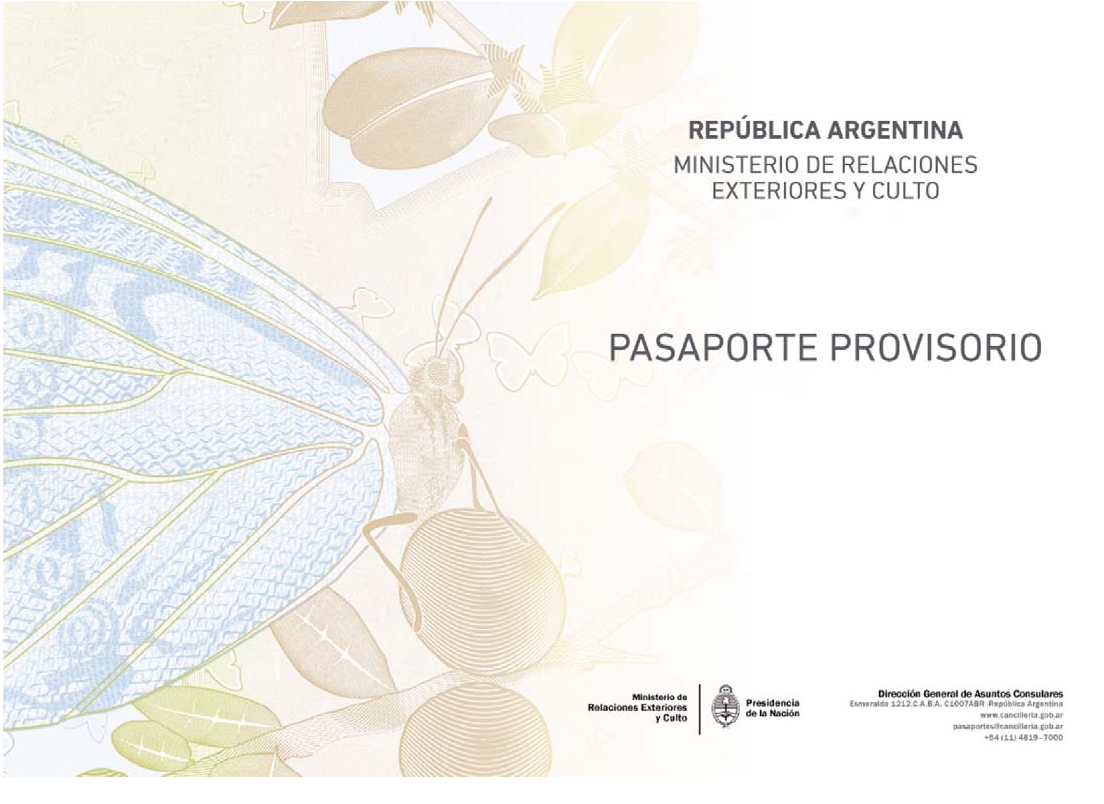
Traveling abroad with kids takes more paperwork than most families expect. A passport alone may get you onto the plane, but border officers at arrival can ask for more. Consent letters, birth certificates, and custody papers exist to answer one question: does this adult have permission to take this child across a border?
This article explains what documents you need to travel with kids internationally. It covers the passport, the consent letter, proof of relationship, custody cases, health records, and what to do when a document is missing or a rule differs by destination.
The passport: every child needs their own
Every child, regardless of age, needs their own passport for international travel. There are no exceptions for babies. A child cannot travel on a parent's passport.
In the United States, both parents or legal guardians must generally appear in person to apply for a passport for a child under 16. If one parent cannot attend, the absent parent can submit a notarized Statement of Consent, Form DS-3053, along with a copy of their photo ID.
Check passport validity early. Many countries require a passport valid for at least six months beyond the planned stay, and some require more. A passport that expires soon after the trip can mean denied boarding, even when the trip itself is short.
Apply months ahead when possible. Processing times vary by season and demand, and an expedited application costs more.
The consent letter: the document families forget
The consent letter is the document that most often catches families out. When a child travels with one parent, with a grandparent, with another adult, or alone, officers want proof that the other parent or both parents approved the trip.
A strong consent letter includes the child's full legal name and date of birth, the passport number for international travel, exact travel dates, the destination city and country, the name and contact details of the accompanying adult, phone numbers and email addresses for both parents or guardians, and the signatures of the approving parent or parents.
Notarization is not always legally required, but it is strongly recommended for international trips. A notary confirms the signer's identity and witnesses the signature, which makes the letter harder to challenge. VisaVerge notes that notarized letters are essential for international border crossings, even where domestic rules are lighter.
The United States does not generally require proof that both parents authorized a child's departure, but foreign governments may require notarized consent from an absent parent. The destination's rule is the one that decides the trip.
Proof of relationship: birth certificates and name changes
Carry the child's birth certificate or a certified copy, even when the passport is in order. The birth certificate proves the legal relationship between the child and the traveling parent. That proof matters most when the parent and child have different last names, which happens after remarriage, divorce, or a legal name change.
If your name changed, carry the paper that explains it: a marriage certificate, a divorce decree, or a court order. Officers compare names across documents, and an unexplained mismatch invites questions. A short paper trail closes those questions fast.
Adoption papers serve the same role for adoptive families. Carry a certified copy, and keep the originals safe.
Custody, sole custody, and other family situations
Custody paperwork decides who can authorize travel. If parents share custody, the traveling parent should carry a consent letter from the other parent, plus a copy of the custody order.
Some custody orders address international travel directly and may grant one parent authority to travel without further consent.
If one parent has sole legal custody, carry a certified copy of the court order granting it. A consent letter from the other parent is not technically required in that case, but carrying one when possible still speeds the process. The custody order is the proof that the traveling parent holds authority.
If the other parent is deceased, carry a certified copy of the death certificate. That document removes the need for a consent letter. If the other parent cannot be found or refuses consent, consult a family law attorney before booking, since a court order may be needed to authorize travel.
When a child travels with an adult who is not a parent, such as a grandparent, aunt, teacher, or family friend, carry a notarized consent letter from both parents or legal guardians. The letter should name the adult, state the relationship, and include medical authorization. Group and school trips need the same paperwork, plus any forms the organizer requires.
Visas, entry authorizations, and destination rules
A passport does not replace a visa where one is required. Check whether the destination needs a visa, an electronic travel authorization, or an entry card for each child, not just for the adults. Some systems ask for the child's own application and fee.
Destination rules for minors vary widely. VisaVerge lists Mexico as requiring notarized consent for minors under 18, Canada as wanting consent letters for children traveling alone, and European Union countries as sometimes requiring consent forms and proof of accommodation.
Every destination has its own mix.
Check the destination embassy or consulate website, not a forum or a social media post. Rules change, and the embassy page is the authoritative source. Check twice: once when booking, and again two weeks before departure.
Health records and medical permission
Medical permission belongs in the consent letter or in a separate signed form. It authorizes the accompanying adult, airline staff, or medical staff to act quickly if the child needs treatment. In an emergency, that authorization saves time that matters.
Carry up-to-date vaccination records, especially for destinations that require proof of specific vaccines. Some countries ask for a yellow fever certificate at entry.
Travel insurance deserves a line in the plan. Check that the policy covers each child, covers medical evacuation, and lists the destination. Carry the policy number and the insurer's emergency phone number on paper as well as on a phone.
What to pack, copy, and keep separate
Originals travel with the accompanying adult in a bag that stays in hand. Copies travel separately: one set in a second bag, and one set left with a trusted person at home who can send them quickly. Digital scans in a secure folder add a third backup.
A practical document wallet for one child holds the passport, a birth certificate copy, the notarized consent letter, custody papers if relevant, the visa or authorization printout, the medical permission form, vaccination records, and insurance details. For two or more children, keep one folder per child.
Keep the folder organized and easy to hand over.

At the airport and the border
Airline staff check documents at check-in, and border officers check them again at arrival. Expect questions when a child travels with one parent or with an adult who is not a parent. Calm, short answers plus a complete folder resolve most checks.
Children over two need their own seat and ticket on most flights, and infants under two can travel on a parent's lap or in an approved car seat with their own seat. Airlines also run unaccompanied minor programs with their own forms and fees. Confirm the airline's rules when booking, since they add to the destination's rules.
If an officer asks for a document you do not have, stay polite and factual. Explain what you do have, offer the copies, and ask what alternative proof would satisfy the check.
When something goes wrong
If a child's passport is lost abroad, report the loss to local police and to the nearest embassy or consulate of your country. The embassy can issue an emergency travel document. A photocopy of the lost passport speeds that process.
If a consent letter is missing or incomplete, the trip can stall at check-in or at arrival. The fix depends on the destination. Some accept a fresh letter sent by email and printed at the airport.
Others require the original notarized copy. This is why the letter belongs in the folder before departure, not in the mail after it.
If the other parent refuses consent, do not travel on the hope that no one will ask. A border stop can lead to custody disputes, fines, or criminal charges. Get legal advice and a court order first.
A pre-trip checklist
Start 60 days before departure by checking the destination's minor travel rules on the embassy site. Apply for or renew passports at once if any are short on validity. Request custody papers, birth certificates, and death certificates early, since certified copies take time.
Draft the consent letter with exact dates, destinations, and contacts. Get it notarized, and make copies.
Check visa and entry authorization rules for each child. Confirm the airline's minor travel rules and any unaccompanied minor forms.
Two weeks before departure, re-check the embassy page for rule changes. A calm folder beats a frantic search at the counter.
FAQ
Does my baby need a passport for international travel?
Yes. Every child, regardless of age, needs their own passport for international travel. There are no exceptions for infants.
Do I need a consent letter if both parents are traveling together?
No. A consent letter is not needed when both parents travel with the child. Carry the birth certificate as proof of parentage, since officers may still ask about the relationship.
Does the consent letter need to be notarized?
Notarization is not always legally required, but it is strongly recommended for international trips. A notarized letter carries more weight with border officials, airlines, and foreign authorities.
What if the child and I have different last names?
Carry the child's birth certificate to prove the relationship, plus the paper explaining your name change, such as a marriage certificate or court order. The combination closes the question quickly.
What if I cannot get a consent letter from the other parent?
Consult a family law attorney. Options may include a court order granting permission for the trip. Do not travel on the hope that no one will ask, since the consequences can be serious.
The bottom line
The passport gets the child to the border. The consent letter, the birth certificate, and the custody papers get the child through it.
Rules vary by destination, and the destination's rule is the one that counts. Prepare the folder early, carry copies separately, and check the embassy page before every trip.
Tags: family travel, kids travel, passports, travel documents
Latest in Travel
- How to pack a travel first aid kit
- How to beat long-flight boredom without buying anything
- How to plan a road trip on a tight budget
- Hostel dorms vs capsule hotels: what is the difference
Subscribe for one practical travel explainer each week.
Related stories

The 3-1-1 liquids rule for planes: what each number means
TSA's 3-1-1 rule limits carry-on liquids to 3.4-ounce containers in one quart bag. Where the 2006 rule came from, what counts, and how

Why Is Airplane Food So Bland at Altitude?
A 2010 Fraunhofer study found altitude cuts sweet and salty perception by up to 30 percent. Low humidity, cabin pressure, and noise all

Carry-on size limits: why airlines each set their own
Airlines set their own carry-on limits because the FAA only requires each carrier to have a policy, not one global size. Why 22 x 14 x