
Why eating spicy food gives you a runny nose
By Rive News / Research desk | Rive News / Published October 29, 2026 at 9:00 AM PKT
Key takeaways
- A runny nose after spicy food is usually gustatory rhinitis, a nerve reflex rather than an allergy.
- Capsaicin in chilli peppers activates heat receptors, and the trigeminal nerve relays that signal to nasal glands.
- The drip is not caused by histamine, so it behaves differently from hay fever and does not lead to anaphylaxis.
This article is for general information only and is not medical advice; talk to a clinician about any symptoms.
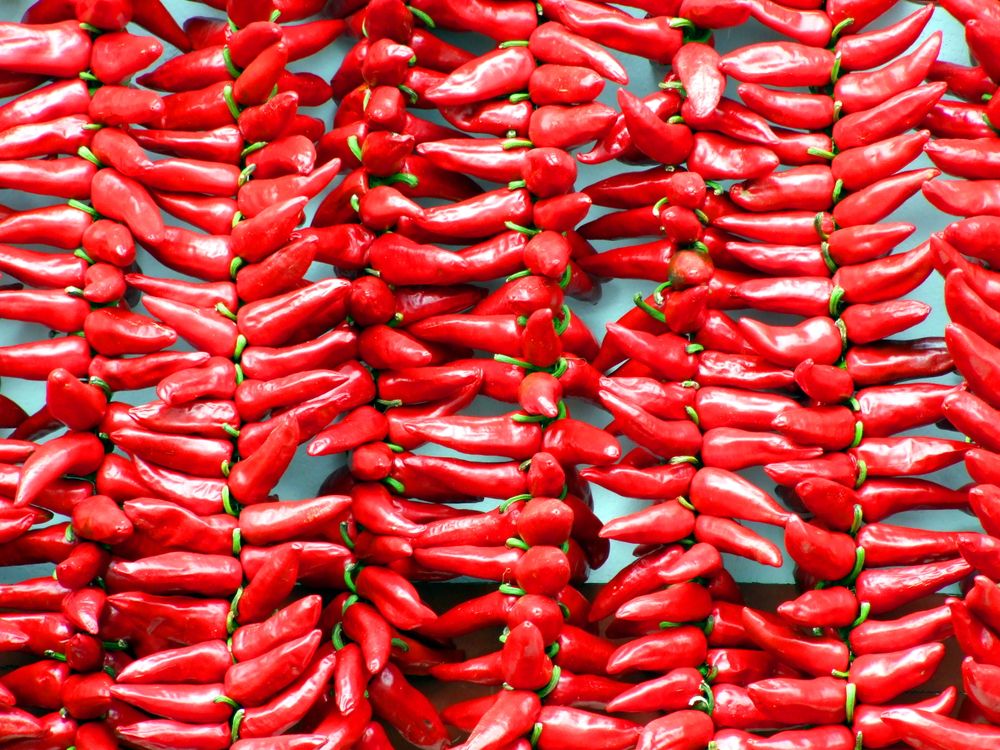
[Vibrant red Espelette peppers hung in traditional style at a market in France.] Photograph: ciboulette
Image Credits: Pexels
One bite of a hot curry and your nose starts running, even though you have no cold and no allergy. The reaction is fast, it tracks the meal closely, and it usually fades once you stop eating. It has a medical name, a known nerve pathway, and a clear reason it is not an allergy.
This article explains what gustatory rhinitis is, how capsaicin tricks your heat receptors, which foods trigger it, and how it differs from allergic rhinitis and a cold.
Gustatory rhinitis, in plain terms
Gustatory rhinitis is a runny nose triggered by eating. Cleveland Clinic describes it as a type of non-allergic rhinitis, meaning it is not caused by allergies and does not involve the immune response that drives hay fever. Its symptoms can include a runny nose, congestion, nasal swelling, sneezing, watery eyes, and postnasal drip.
The word gustatory refers to taste and eating, while rhinitis means inflammation or irritation of the nasal lining. In this case the lining is not inflamed by an infection or an allergen. It is responding to nerve signals that arrive while you eat, which is why the timing lines up so neatly with the meal.
Most cases have no identified cause beyond sensitive nerves. Cleveland Clinic notes that in most people, experts do not know why these nerves become sensitive to spicy food, and the condition is described as idiopathic. For some people it begins after a head injury or surgery that damaged the nerve, and it can also appear as a complication of leprosy, known as Hansen's disease.
Capsaicin and the heat receptor it fools
The main trigger compound is capsaicin, the chemical that makes chilli peppers taste hot. Capsaicin does not burn tissue at meal-time levels. Instead, it binds to TRPV1 receptors, heat-sensitive channels found on sensory nerve endings in the mouth, throat, and nasal passages.
TRPV1 receptors normally respond to actual heat, acidity, and physical irritation. When capsaicin activates them, the nervous system receives a signal much like the one real heat would produce. That is why a chilli can feel like fire even though the food itself may be only warm.
The signal travels through the trigeminal nerve, a major cranial nerve carrying sensation from the face. Cleveland Clinic explains that heat or spices activate the trigeminal nerve in the mucous membranes of the nose, which makes the nose produce mucus and dilates blood vessels there, causing swelling and congestion. The drip and the stuffiness come from the same reflex.
The reflex that fills your nose
Once the brainstem receives the trigeminal signal, the parasympathetic nervous system takes over. This is the automatic branch that runs glands and resting functions without conscious control. It orders the nasal glands to secrete extra mucus, and it widens blood vessels in the nasal lining.
The mucus surge has a protective logic. The body treats the capsaicin signal as an irritant worth flushing out, so it produces fluid to dilute and clear it. Sweating on the forehead and upper lip, watering eyes, and extra saliva follow the same logic, since they are all part of cooling and clearing responses to perceived heat.
Intensity depends on two things: how much capsaicin the food contains, and how sensitive a person's receptors are. A mild jalapeño and a habanero work through the same pathway, but the stronger pepper sends a louder signal. That is why one person reaches for tissues over a curry while a tablemate eating the same dish barely sniffles.
Which foods trigger it
Chilli peppers are the best-known trigger, but Cleveland Clinic lists a wider set. Heated foods such as soup can trigger it, along with horseradish, hot sauce, onion, spices such as cayenne, ginger, chilli powder and curry, spicy mustard, and vinegar.
That list explains some surprises. A bowl of hot soup with no chilli at all can still start a drip, because heat itself stimulates the same nerve endings. Wasabi and black pepper act through related pungent compounds rather than capsaicin, yet they feed into similar pathways and produce the familiar sniffle.
Strongly flavoured foods cluster together here for a reason. The shared feature is not one ingredient but the ability to stimulate sensory nerves in the mouth and throat. Once those nerves fire, the nasal reflex follows whether the trigger was a pepper, a spice blend, or steam heat.
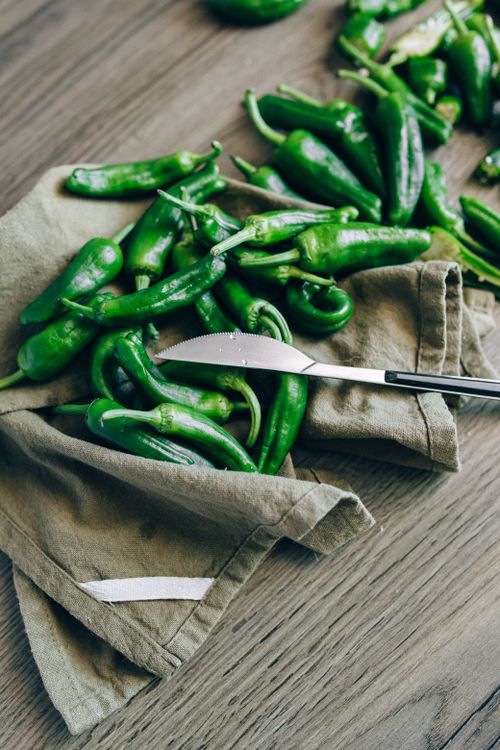
[Fresh green chili peppers on a wooden surface with a knife, ready for cooking.] Photograph: Nataliya Vaitkevich
Image Credits: Pexels
Why it is not an allergy
The distinction matters because allergies and nerve reflexes behave differently. Allergic rhinitis, such as hay fever, involves the immune system releasing histamine in response to an allergen like pollen. That process can escalate, and it tends to come with itching, sneezing fits, and symptoms that persist while the allergen remains around.
Gustatory rhinitis involves no immune response and no histamine release. Cleveland Clinic states plainly that it is not an allergic reaction and will not lead to anaphylaxis. The drip starts with eating, follows the meal, and usually settles after eating stops, rather than lingering for hours after exposure ends.
A cold differs too. Infections bring a broader set of symptoms, such as sore throat, fatigue, or fever, and the nasal discharge changes over days. A nose that runs only while you eat spicy food, and is fine between meals, points toward the nerve reflex rather than infection.
When it is worth getting checked
Gustatory rhinitis on its own is a nuisance rather than a danger, but some patterns deserve a clinician's attention. Cleveland Clinic notes that providers diagnose it by asking about symptoms and triggers, and may run skin or blood tests to rule out allergies and other conditions that cause the same symptoms.
A runny nose that appears with every meal regardless of spice, one-sided discharge, discharge with blood, or symptoms that never settle between meals do not fit the usual pattern. Those features suggest something else may be going on, and they are worth raising with a clinician rather than assuming the cause is food.
For the usual case, no treatment is required beyond managing the trigger. Some people eat spicy food anyway and keep tissues handy.
Others dial back the hottest dishes. Either approach is reasonable, since the reflex itself is not damaging the nose.
Frequently asked questions
Does a runny nose after spicy food mean I am allergic to chilli?
No. Gustatory rhinitis is a nerve-mediated reflex, not an immune response. Cleveland Clinic states it is not an allergic reaction and will not lead to anaphylaxis.
Why do my eyes water too?
The trigeminal nerve pathway also drives tear production. Watering eyes, sweating, and extra saliva are part of the same protective response to perceived heat and irritation.
Can hot soup without chilli cause it?
Yes. Cleveland Clinic lists heated foods such as soup among the triggers, because heat itself can stimulate the same nerve endings that capsaicin activates.
Does it mean my nose is damaged?
No. The reflex produces extra mucus and vessel dilation while you eat, and it usually settles afterwards. Persistent, one-sided, or bloody discharge is different and worth getting checked.
The bottom line
Spicy food makes your nose run because capsaicin activates heat receptors that convince your nervous system the mouth is burning. The trigeminal nerve carries that false alarm to the brainstem, and the parasympathetic system answers by flooding nasal glands with mucus and widening nasal blood vessels. It is a nerve reflex called gustatory rhinitis, not an allergy, which is why it arrives with the meal and fades when the meal ends.
Tags: spicy food, capsaicin, runny nose, nerves, rhinitis
Rive News's research desk covers everyday health and the systems behind it, drawing on official guidance and published research.
Related
- Why you get a runny nose in cold weather
- Why your nose runs in cold weather
- Why spicy food makes your nose run so fast
Subscribe for one plain-English health explainer each morning.
Rive News checks facts against named sources and corrects errors when readers point them out.
Related stories
ADHD linked to fourfold dementia risk in Pitt study of 187,000 adults
Adults with ADHD face four times the risk of dementia, a University of Pittsburgh study of 187,000 adults published in JAMA Psychiatry

Why Do Athletes Get Cramps Despite Drinking Water?
Muscle cramps strike even well-hydrated athletes because sweat drains electrolytes that plain water cannot replace. Here is why water alone
Do bananas actually prevent muscle cramps?
A medium banana has 422 mg of potassium, but the evidence says it cannot stop cramps. Here is what the research shows, and what actually