
Why Does Your Nose Run in Cold Weather? Causes and Relief Explained
Key takeaways
- Between 50 and 90 percent of people get a runny nose in cold air; doctors call it cold-induced rhinitis or "skier nose."
- Your nose warms and humidifies incoming air, producing extra mucus and fluid that can drip from the nostrils.
- This drip is not an infection or an allergy, and a scarf over your nose and mouth usually calms it down.
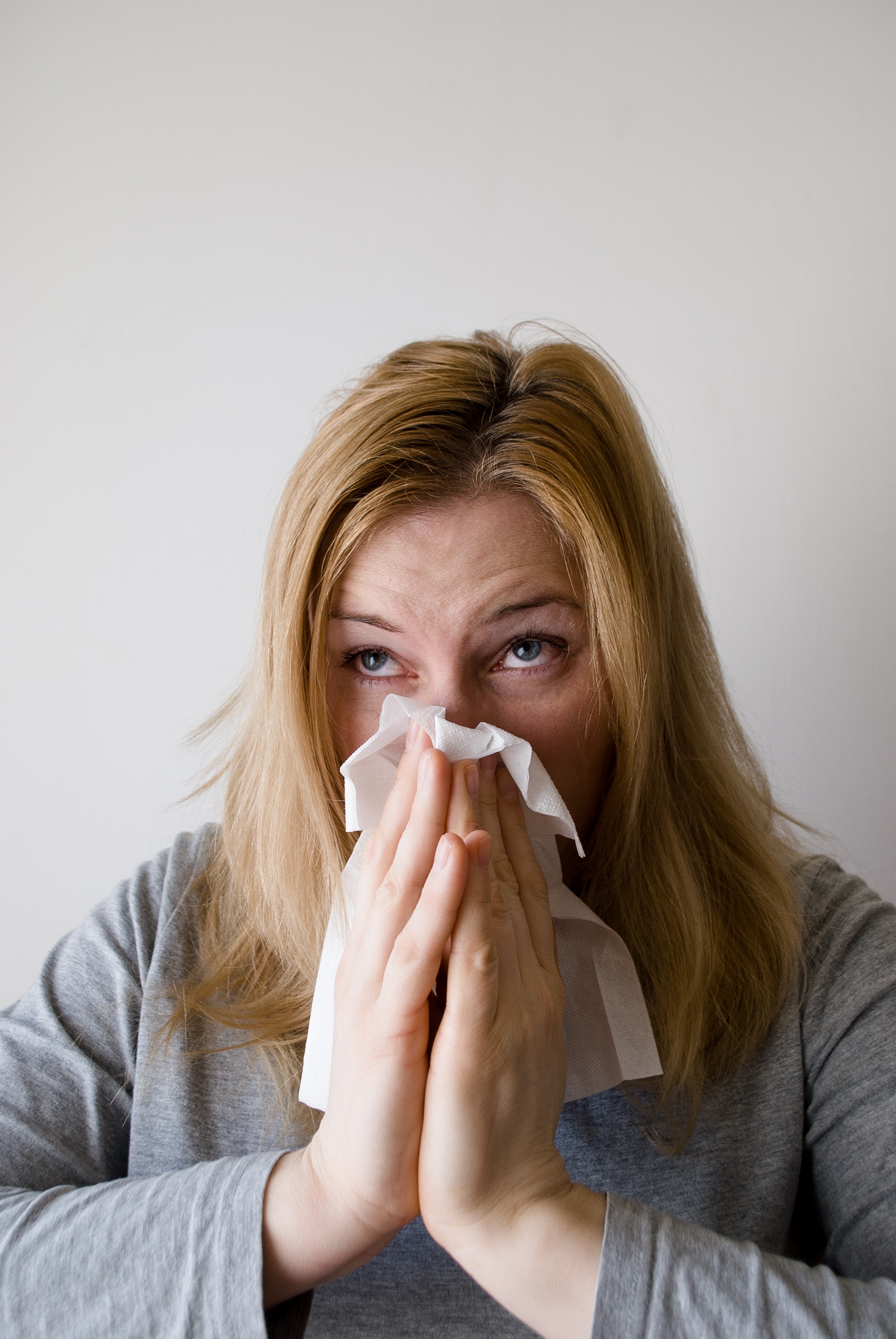
Cold-induced rhinitis is the medical name for a nose that starts dripping every time the temperature drops. It is a normal reflex, not a sign of illness. When cold air reaches your nasal passages, your body treats it as air that needs conditioning before it is allowed anywhere near your lungs.
The runniness is the byproduct of that conditioning. Your nose warms the air and loads it with moisture, and the fluids it makes to do that job can outpace what it needs. The surplus has only one way out.
This article explains the short answer, walks through how the cold-air response works, shares the numbers behind it, looks at why some people drip more than others, shows how to tell weather drips from a real cold, and rounds out with practical ways to handle it.
The short answer: your nose is conditioning the air
Your nose is a climate-control device. Its job is to deliver air to your lungs that is warm and wet enough not to irritate the delicate cells inside. Cold air fails that test on arrival, so your nose has to fix it on the fly.
That is why the drip starts almost the moment you step outside. It is the same kind of reflex as the ringing that follows a loud concert: your body reacting to an environmental extreme in real time. Nothing is broken, and nothing has infected you.
Doctors describe the reaction as vasomotor rhinitis when it keeps happening. Verywell Health, in an article medically reviewed by Jurairat J. Molina, MD, calls it a type of nonallergic rhinitis triggered by changes in temperature and humidity.
No pollen or virus is required.
How the cold-air response actually works
The chain of events starts in the nerves inside your nose. David King, a senior lecturer at the University of Queensland in Australia, described the mechanism in The Conversation, republished by Inverse. "Cold, dry air stimulates the nerves inside your nose, which send a message through your nerves to your brain," he wrote.
Your brain answers by increasing blood flow to the nose.
Those dilated blood vessels act like radiators. Warm blood rushing into the nasal lining heats the air passing over it, the way a hot pipe warms a room. "These dilated blood vessels warm the air passing over them," King wrote.
Warming is only half the task. The air also needs moisture, so the nasal mucous glands ramp up secretion, and immune cells in the lining called mast cells trigger even more fluid production. The extra liquid humidifies the incoming stream.
There is a cost to all this work. Heating the air cools the nasal lining below core body temperature, and evaporation of water to make the air moist pulls more heat away.
Blood flow increases again to keep the nose itself warm. It is a balancing act between warming the air and keeping the nose from getting too cold.
What the numbers show
This is not a subtle effect. About 50 to 90 percent of people experience a runny nose in the cold, according to the Inverse report. That range makes cold-induced rhinitis one of the most common bodily responses to winter weather.
The conditioning job is impressive on paper. When you breathe in air at subfreezing temperatures, the air at the back of your nose is usually around 26 degrees Celsius, and it can reach 30 degrees. The humidity back there sits near 100 percent no matter how cold the inhaled air is.
That performance consumes real fluid. King estimated that you can lose up to 300 to 400 milliliters of fluid daily through your nose as it does this warming and humidifying work. Over a cold day outdoors, that is more than a glass of water, lost drip by drip through your nostrils.
That 300-to-400 mL sits on top of a large baseline. Your body produces between one and two quarts of mucus every day, according to Verywell Health.
Most of it you never notice. Cold weather just pushes a visible share of it out the front door.
Why some people drip more than others
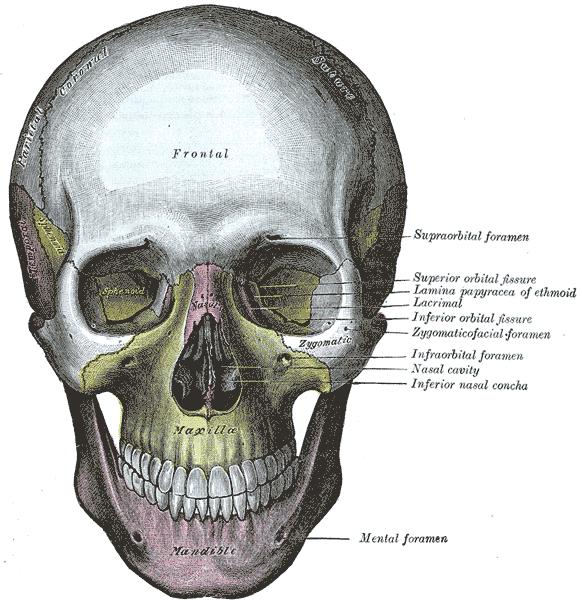
Blood vessels drive the whole response, so people whose vessels react strongly tend to drip the most. "The nose is comprised of mostly blood vessels, which constrict when it is cold, and dilate with higher temperatures and more humidity," Lily Pien, MD, of the Cleveland Clinic told The Washington Post, as reported by WebMD in February 2023.
People with asthma, eczema, or hay fever get it worse. Their mast cells are usually more sensitive, so the cold air triggers more fluid production than it does in other people. The same goes for anyone sensitive to environmental irritants or temperature swings.
Wind makes a difference too. Gusty air both cools the nose faster and irritates the eyes, and teary eyes drain through the small punctum openings at the inner corners into the nasal passages. That extra tear fluid mixes with the mucus and makes the discharge thinner and more noticeable.
Temperature whiplash adds another layer. Dr. Pien noted that when the weather swings back and forth within a day, you can flip from a runny nose to a dry nose quickly.
Cold weather also pulls moisture out of your lips and leaves skin dry and ashy. The nose is not the only surface paying the dryness tax.
Is it a cold, or just the weather?
A cold-weather drip looks like the start of a cold, but the two are different stories. The weather version is clear and watery, and it appears within minutes of cold exposure and fades after you warm up. No virus, no fever, no sore throat.
A real cold behaves differently. The discharge often thickens and turns yellow or green after a day or two, and it arrives with other symptoms like sneezing, throat irritation, and fatigue. Viruses cause illness, not cold air, though the two often show up together in winter.
Allergies are the third suspect. They can cause similar dripping, but they usually bring itching, sneezing fits, or watery eyes along, and they follow pollen seasons or specific triggers.
Vasomotor rhinitis, the cold-air version, needs no trigger beyond the temperature itself. If you are unsure which one you are dealing with, keep notes on when the dripping starts. A pattern tied to cold exposure points to the weather.
What you can do about the drip
The simplest approach is the oldest one. Carry tissues or a handkerchief, and give your nose the cover it is asking for. Covering your nose and mouth with a scarf while outdoors lets the air warm up and pick up moisture before you breathe it in, which means your nose has less work to do.
Indoor air matters too. Cold-weather months bring drier air inside the house even when the thermostat reads comfortable, so a humidifier helps keep the nasal lining from drying out. Staying hydrated supports the same goal, since all that mucus is mostly water.
It is worth knowing what does not usually help. Antihistamines, the classic allergy pills, do not generally fix vasomotor rhinitis because no allergy is driving it.
Verywell Health notes that some prescription nasal sprays, such as ipratropium bromide, can dry up nasal mucus production. These require a prescription, so a clinician has to be part of that decision.
If dripping is constant, heavy, or paired with congestion that will not clear, that is a conversation for a doctor rather than a guess.
This article is for general information, not medical advice.
Frequently asked questions
Does a runny nose in winter mean I am catching a cold?
Not by itself. A weather-triggered drip starts within minutes of cold exposure, stays clear and watery, and stops after you warm up. A developing cold brings thickening mucus plus symptoms like sneezing, sore throat, or fatigue over the following day.
Why does my nose run more on windy days than on calm cold days?
Wind cools the nasal lining faster, which pushes the warming reflex harder, and it irritates your eyes. The extra tears drain through the puncta into your nasal passages and mix with the mucus, making everything runnier.
Why does the drip stop when I go back inside?
Indoors, the air is warmer, so the nerves in your nose stop firing the conditioning reflex. Blood flow normalizes, gland output drops, and the mucus production returns to its background level within minutes.
Is cold-induced rhinitis the same as an allergy?
No. It is a type of nonallergic rhinitis called vasomotor rhinitis, and temperature or humidity changes are enough to trigger it. Allergies need an allergen like pollen and usually add itching or sneezing to the picture.
Outlook
A nose that runs in the cold is doing its job a little too enthusiastically. The warming, humidifying, and extra-mucus machinery is protective, and for most people the drip is simply the price of a working climate-control system. It is not a cold, not an allergy, and not something you caught from anyone.
Simple habits make it manageable. Warm the air before you breathe it with a scarf, keep indoor air reasonably humid in the dry months, and keep tissues within reach on windy days. It is a good idea to see a healthcare professional if the dripping is severe, constant, bloody, or one-sided, or if congestion and facial pressure will not ease.
Latest in Health
- Why do we get eye floaters and what are they
- Why do fingers wrinkle in water like prunes
- Why does skin get ashy in cold weather
- Why do lips get chapped in winter more than summer
Subscribe to the Rive News health newsletter for one plain-English body explainer every week.
Related stories

ADHD linked to fourfold dementia risk in Pitt study of 187,000 adults
Adults with ADHD face four times the risk of dementia, a University of Pittsburgh study of 187,000 adults published in JAMA Psychiatry

Why Do Athletes Get Cramps Despite Drinking Water?
Muscle cramps strike even well-hydrated athletes because sweat drains electrolytes that plain water cannot replace. Here is why water alone

Do bananas actually prevent muscle cramps?
A medium banana has 422 mg of potassium, but the evidence says it cannot stop cramps. Here is what the research shows, and what actually