
Why Do Lips Get Chapped in Winter More Than Summer? Causes Explained
Key takeaways
- Winter air holds less moisture than summer air, and indoor heating dries it further, so water escapes from lips faster in the cold months.
- Lips have no oil or sweat glands and a very thin skin barrier, so they cannot replace lost moisture the way the rest of your skin can.
- Licking dry lips backfires because saliva evaporates quickly and its digestive enzymes irritate the lip barrier. Reach for lip balm instead.
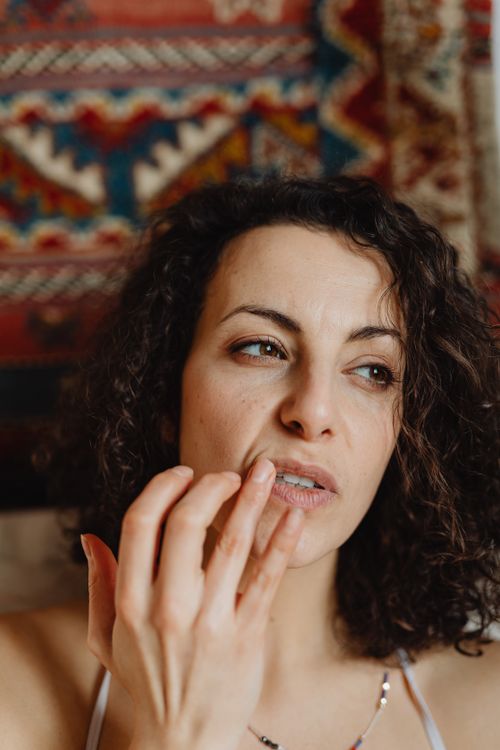
Chapped lips are dry, rough lips that may crack, flake, peel, or even bleed. Doctors call the condition cheilitis simplex, and Healthline lists dryness, flaking, swelling, cracks, and bleeding among its most common signs.
It can happen in any season, but winter brings the worst of it for most people. The reason comes down to two things: lips are built with almost no moisture defenses, and winter air is the driest air of the year.
This article takes a closer look at winter chapped lips, including why lips are built to lose moisture, why winter air pulls moisture out faster, why licking your lips backfires in the cold, and why summer is mostly kinder to your lips.
Why lips are built to lose moisture
The skin on your lips is not like the skin on the rest of your body. It has no sebaceous glands, the tiny oil glands that produce the natural oils keeping other skin lubricated.
Lips also lack sweat glands. Board-certified dermatologist Tiffany Libby told PureWow that without these glands, lips have a limited ability to hydrate themselves and grow more prone to dryness when the surrounding air turns dry.
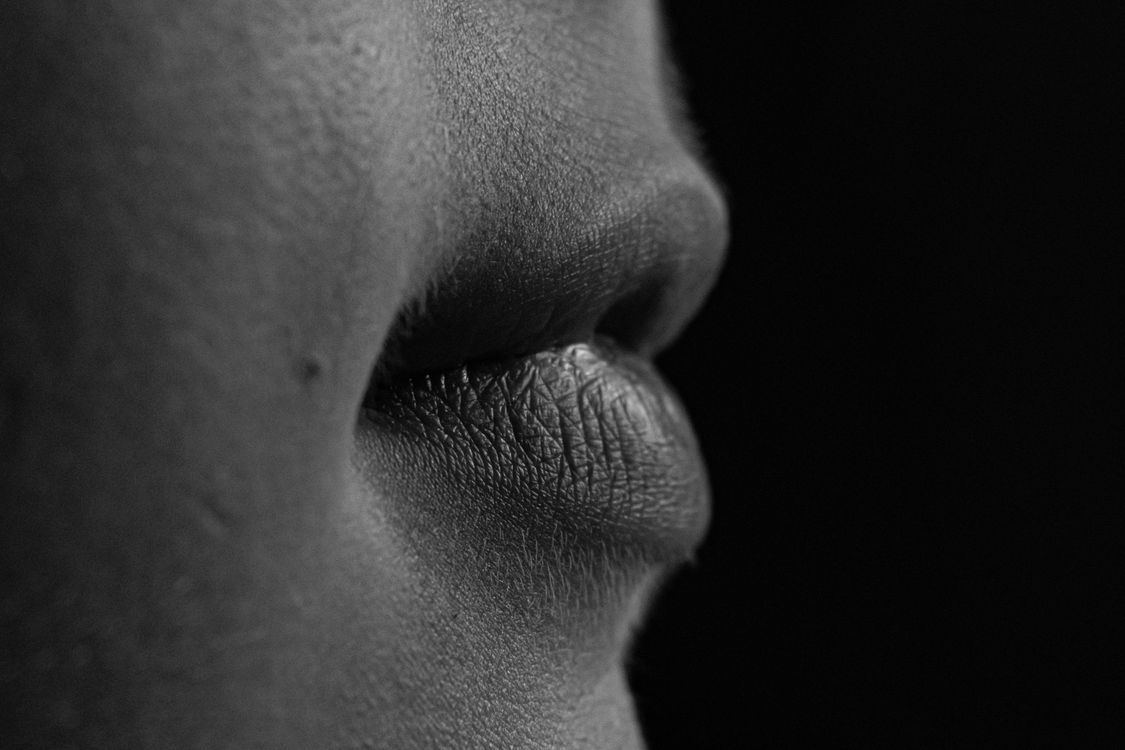
The outer layer of lip skin is thinner too. It has fewer protective layers than facial skin, so water passes out of it more easily.
This explains why lips are often the first place to show seasonal dryness. Mayo Clinic Press notes that chapped lips can appear after exposure to dry winter air or strong summer sun, or seemingly out of nowhere.
The rest of your skin faces the same dry air, but it has oil glands and a thicker barrier to slow water loss. That is part of why skin gets ashy in cold weather too, though lips feel it first and worst.
Why winter air pulls moisture out faster
Cold air physically holds less water vapor than warm air. When the temperature drops, the amount of moisture in the outdoor air drops along with it.
Indoor heating adds a second blow. Furnaces and radiators warm the air without adding water vapor, so humidity inside the home falls as well. The American Academy of Dermatology (AAD) suggests running a humidifier at home during dry months, especially in the bedroom while you sleep.
That one-two punch is the core of the winter pattern. Your lips meet dry air outdoors and dry air indoors, with almost no moist-air break between the two.
Wind speeds up the damage. It sweeps moisture off exposed skin faster than still air does. Mayo Clinic experts recommend putting balm or petroleum jelly on the lips before heading out on windy days.
Cold weather triggers other strange body responses as well, which is why your nose runs in cold weather. Lips simply draw the short straw, because they have no oil glands to slow the drying.
Why licking your lips backfires in the cold
When lips feel dry, running your tongue over them feels like instant relief. That relief lasts only seconds.
Saliva evaporates fast in cold, dry air. Healthline explains that as the saliva dries, it strips even more moisture from the lip surface, leaving lips drier than before.
Saliva also carries digestive enzymes, including amylase and lipase. Board-certified dermatologist Ryan Turner told PureWow that these enzymes can break down the protective barrier layer on the lips when licking becomes a habit.
The result is a loop. Dryness prompts licking, licking causes more dryness, and the dryness prompts more licking. Turner said dermatologists see the pattern so often that they have a name for it: lip lickers dermatitis.
The AAD takes a firm line on the habit. Its guidance says to stop licking, biting, or picking at your lips, and to apply a non-irritating lip balm instead when the urge strikes.
Board-certified dermatologist Noelle Sherber, MD, FAAD, summed up the seasonal triggers in an AAD press release from Rosemont, Illinois, dated January 26, 2021: "Cold, dry weather; sun damage; and frequently licking your lips are just some of the reasons your lips might feel dry and chapped this winter."
Why summer is mostly kinder to your lips
Warm summer air holds far more moisture than cold winter air. With more water available in the air, moisture leaves your lips more slowly.
That does not make summer risk-free. The AAD counts sun damage among the causes of chapped lips, and its guidance says to use a lip balm with SPF 30 or higher before going outdoors, even in winter. Reapply it every two hours while outside.
Summer brings its own smaller culprits. Strong sun, air conditioning, and dehydration can all dry lips out. Mayo Clinic Press notes that chapped lips can show up after burning summer sun, not just winter cold.
The seasonal difference is really a matter of degree. Winter stacks cold dry air, indoor heating, and wind against your lips all at once. Summer usually throws only one or two of those at a time.
Your skin reacts to water and air in surprising ways across the seasons, much like why fingers wrinkle in water like prunes. Lips are simply the most exposed and least defended surface you have.
Frequently asked questions
Do lips really have no oil glands?
Yes. Lips lack the sebaceous glands found in most other skin, according to Healthline and several dermatologists interviewed by PureWow. That is why lips depend on outside moisture and protective balms far more than the rest of your face does.
Can indoor heating alone chap your lips?
It can make a real contribution. Heating systems warm indoor air without adding water vapor, which drives humidity down. The AAD recommends using a humidifier at home, especially in the bedroom, during the dry months.
What should I do when my lips start cracking in winter?
The AAD's published guidance favors simple, consistent habits: choose fragrance-free lip products, apply balm through the day and before bed, and use SPF 30 or higher outdoors. Sherber added that lips which do not heal after two to three weeks of care deserve a visit to a board-certified dermatologist.
Why do my lips feel worse right after I lick them?
Saliva evaporates quickly in dry air and takes lip moisture with it. Its digestive enzymes also irritate the thin lip barrier, which can start a lick-and-dry cycle that gets worse with every round.
Outlook
Winter chapping is normal, but it is not something you simply have to endure until spring. The AAD, a dermatology association with more than 20,000 physician members, says soft lips year-round are possible with a few steady habits.
Its published tips include picking non-irritating, fragrance-free products, applying balm throughout the day and before bed, protecting lips outdoors with SPF 30 or higher, and keeping indoor air moist with a humidifier.
This article is for general information, not medical advice.
It is a good idea to see a dermatologist if your lips stay cracked, painful, or swollen despite basic care, or if the chapping spreads to the corners of your mouth. And like any healing skin, lips recover in stages, which is why wounds itch when they are healing too.
Tags: chapped lips, dry lips, winter skin care, dermatology, humidity
Latest in Health
- Why does skin get ashy in cold weather?
- Why does your nose run in cold weather?
- Why do wounds itch when they are healing?
- Why do fingers wrinkle in water like prunes?
Get one health explainer like this in your inbox every morning. Subscribe to the Rive News newsletter.
Related stories

ADHD linked to fourfold dementia risk in Pitt study of 187,000 adults
Adults with ADHD face four times the risk of dementia, a University of Pittsburgh study of 187,000 adults published in JAMA Psychiatry

Why Do Athletes Get Cramps Despite Drinking Water?
Muscle cramps strike even well-hydrated athletes because sweat drains electrolytes that plain water cannot replace. Here is why water alone

Do bananas actually prevent muscle cramps?
A medium banana has 422 mg of potassium, but the evidence says it cannot stop cramps. Here is what the research shows, and what actually