
Why do my hands cramp when writing for long periods?
Key takeaways
- Most writing cramps are plain muscle fatigue. You grip the pen too hard for too long.
- Cramps that hit only while writing, and return the moment you pick up a pen, may signal writer's cramp. That is a brain-movement condition called task-specific dystonia.
- A lighter grip, breaks, and better posture ease fatigue cramps. Cramps that persist or spread deserve a doctor's visit.
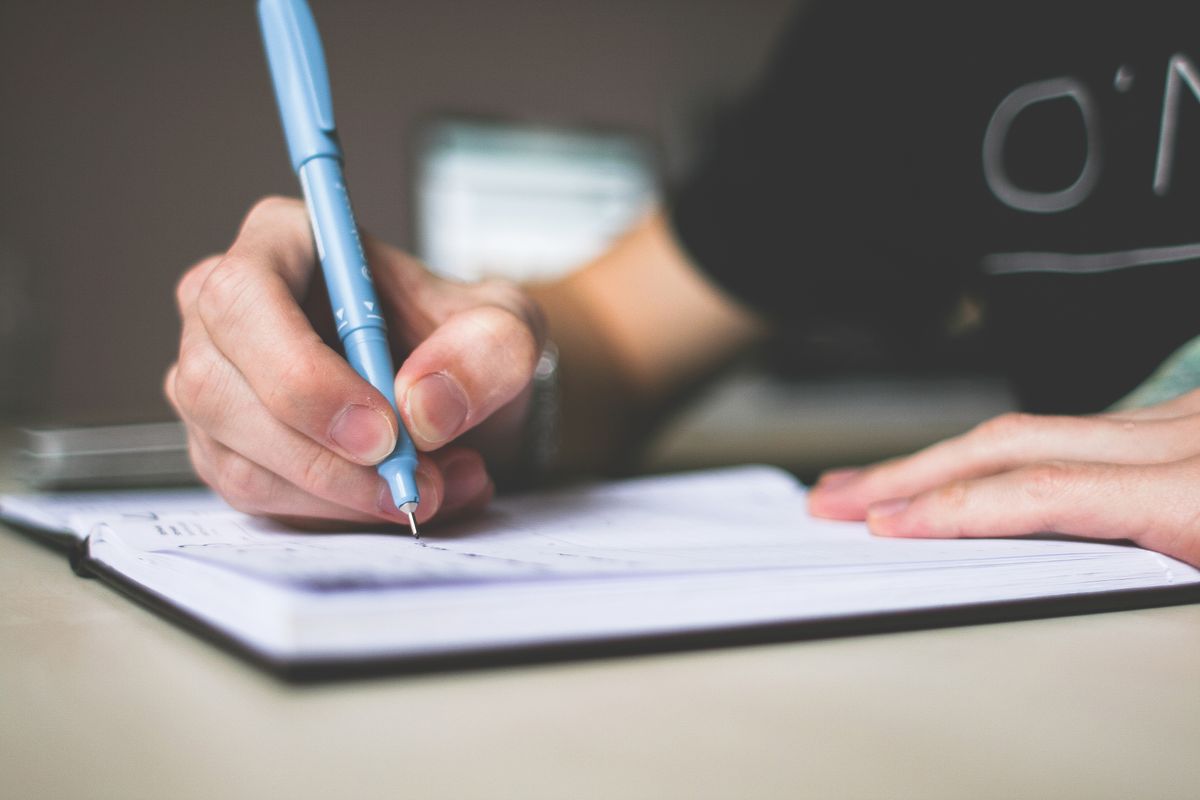
A hand cramp is a sudden, painful knot in the hand or forearm muscles. The muscle locks up and refuses to let go. Mayo Clinic Press calls this a muscle spasm, and it can hit any muscle, not just the legs. Their home-remedies guide names one familiar cause: writer's cramp. It affects the thumb and first two fingers of the writing hand after long hours of gripping a pen.
This article explains what a hand cramp is, why writing causes them, how to tell plain fatigue from writer's cramp, what generally helps, and when to see a doctor.
This article is for information only and is not medical advice.
What a hand cramp actually is
Muscles tighten when nerves tell them to, then they relax. A cramp happens when that signal misfires or the muscle gets tired, and the tightening refuses to release. Mayo Clinic Press lists three common triggers: overuse of a muscle, dehydration, and holding one position for a long time. Dehydration means not having enough water in the body.
Writing combines all three: a tight grip, no rest, and fingers frozen in one shape for an hour or more.
Hand cramps are usually harmless, the same way night-time leg cramps are. They hurt and startle you, but they do not cause damage.
The knot releases within seconds or minutes. It releases faster if you gently stretch the muscle the other way. What matters is the pattern. A cramp after a long exam that goes away is very different from one that returns every time you write.
Why writing sessions trigger cramps
Writing is a harder grip task than it looks. The thumb, index, and middle fingers hold the pen in a small pinch. Meanwhile, the forearm muscles make thousands of tiny steering moves.
If you squeeze harder than needed, those small muscles tire fast. Many people grip pens too tightly without knowing it, especially when they focus or write quickly.
Posture matters too. A wrist bent at a sharp angle shortens the forearm tendons and forces the muscles to work cramped. Pair a bent wrist with a death grip and zero breaks, and the hand is doing a tiny workout it never signed up for.
Dehydration and electrolytes enter the picture on long days. Electrolytes are salts like sodium and potassium that muscles need to work well. Mayo Clinic Press notes that tired, dehydrated people cramp more easily. A long study session with lots of coffee and little water sets up exactly those conditions.
Cold matters too. Cold hands cramp more easily because blood flow to them drops. Anyone who has written in a chilly exam hall has felt the fingers stiffen first.
When cramping means writer's cramp
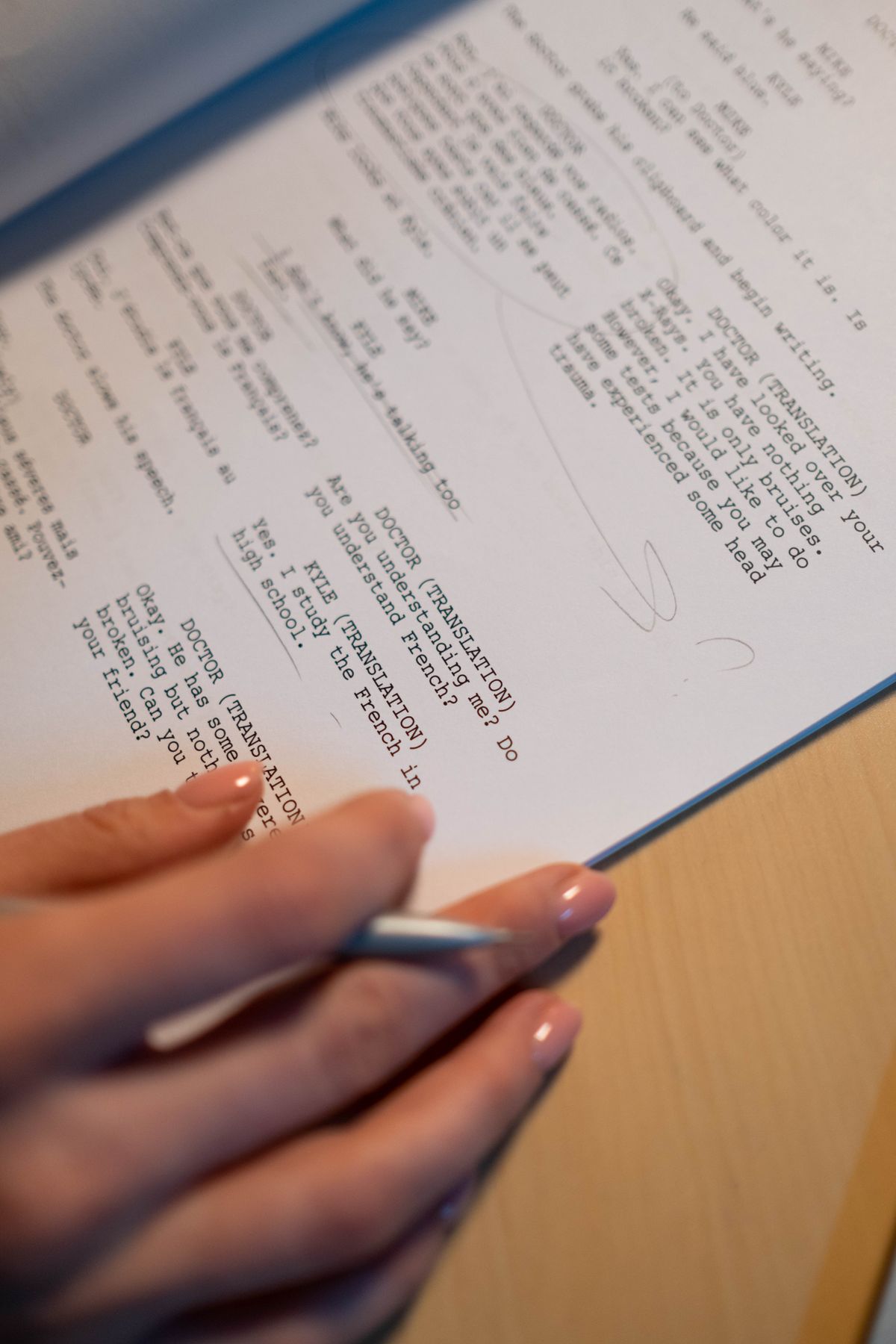
Normal fatigue cramps improve with rest, stretching, and a looser grip. Writer's cramp acts differently. It is the most common form of task-specific focal dystonia. That is a brain condition where the brain's movement circuits misfire during one learned movement, according to Biology Insights' review of the research.
The signature pattern is selectivity. The hand works fine for everything else, then cramps, twists, or freezes the moment writing starts.
The cramping returns in the same posture each time, and a week of rest does not fix it. Dystonia Network Australia notes it is commonly diagnosed in people aged 30 to 50. Up to 20 percent of those affected have a family member with some form of dystonia.
Researchers trace the problem to the basal ganglia and sensorimotor cortex, the brain areas that plan fine movement. Wikipedia's summary of the research adds that EMG studies show opposing muscle groups firing at the same time during writing. EMG is a test that records electrical activity in muscles. That pattern differs from plain overuse.
There is no known cure. But botulinum toxin injections into the overactive muscles and retraining programs are documented management options, per Dystonia Network Australia. Botulinum toxin is a medicine that relaxes overworked muscles. Treatment is a decision for a neurologist, not a home fix. A neurologist is a brain-and-nerves doctor.
A useful rule: if the cramp respects the task boundary, meaning the hand is normal everywhere except while writing, and it refuses to fade with rest, talk to a doctor instead of pushing through.
What generally helps fatigue cramps
Loosen the grip first. A thicker pen spreads the force across more of the hand. Consciously relax the fingers every few minutes to break the long squeeze. Alternate fingers or switch hands for doodles and underlining if that feels natural.
Take real breaks. Set a timer for every 20 to 30 minutes. Put the pen down, open and close the hand slowly ten times, then gently stretch the fingers back with the other hand. The move that relieves a cramp is the opposite of the cramp's shape: a knotted fist wants to be opened.
Watch hydration on long writing days. Water and normal meals cover most people's electrolyte needs, and Mayo Clinic Press links dehydration to cramping broadly. Warmth helps too. Warming the hands before a long session keeps blood flowing to the small muscles.
Check the wrist angle. Keep the wrist roughly straight, not bent. Rest the forearm on the desk so the hand muscles do not also carry the arm's weight. Small posture fixes pay off over hours.
Does low magnesium cause hand cramps?
Low magnesium gets blamed for many cramps, but the evidence for ordinary hand and finger cramping is thin.
Mayo Clinic Press lists overuse, dehydration, and held posture as the main drivers. A balanced diet normally gives you enough magnesium. Supplements are worth discussing with a doctor rather than starting on your own.
Are hand cramps a sign of something serious?
Usually not. Fatigue cramps after long writing are among the most harmless cramps there are.
Biology Insights flags the warning pattern instead: cramps getting worse over months, spreading to new muscles, or arriving with visible twitching or lost grip strength. Those deserve a nerve-doctor evaluation, not more stretching.
Can typing cause the same cramps?
It can, though the mechanics differ. Typing spreads the load across more fingers and uses less sustained pinch force, so cramps from typing tend to be a forearm-fatigue story. Writer's cramp as a dystonia can also spread to related fine-motor tasks in some people. That is another reason persistent cases merit a doctor's view.
Outlook
For most people, hand cramps while writing are a fatigue story with a simple fix. Grip lighter, rest more, drink water, and keep the wrist straight. The exception worth knowing is writer's cramp, the task-specific dystonia that ignores rest and returns the instant the pen comes out. Knowing which pattern you have tells you whether to change your pen or see a doctor.
It is a good idea to see a doctor if cramps keep returning despite rest, spread beyond writing, or come with weakness or twitching.
Related stories

ADHD linked to fourfold dementia risk in Pitt study of 187,000 adults
Adults with ADHD face four times the risk of dementia, a University of Pittsburgh study of 187,000 adults published in JAMA Psychiatry

Why Do Athletes Get Cramps Despite Drinking Water?
Muscle cramps strike even well-hydrated athletes because sweat drains electrolytes that plain water cannot replace. Here is why water alone

Do bananas actually prevent muscle cramps?
A medium banana has 422 mg of potassium, but the evidence says it cannot stop cramps. Here is what the research shows, and what actually