
How long does a muscle cramp usually last? Seconds to minutes
This article is for general information only and is not medical advice. See a doctor if cramps are severe, frequent, or come with weakness, swelling, or skin changes.
Key takeaways
- Most muscle cramps last from a few seconds to a few minutes, and almost never longer than 10 minutes.
- The muscle can stay sore for up to 24 hours after the cramp releases.
- A cramp that passes the 10-minute mark, or keeps coming back, deserves a medical check.
A muscle cramp is a sudden, involuntary tightening of one or more muscles. It often hits the calf, though feet and thighs get them too. The pain can be sharp enough to wake you up. So the first question most people ask is simple: how long will this last?
This article explains the typical duration of a muscle cramp. It covers what Mayo Clinic, Cleveland Clinic, and the NHS report, why soreness lingers after the cramp ends, and when a long-lasting cramp needs a doctor.
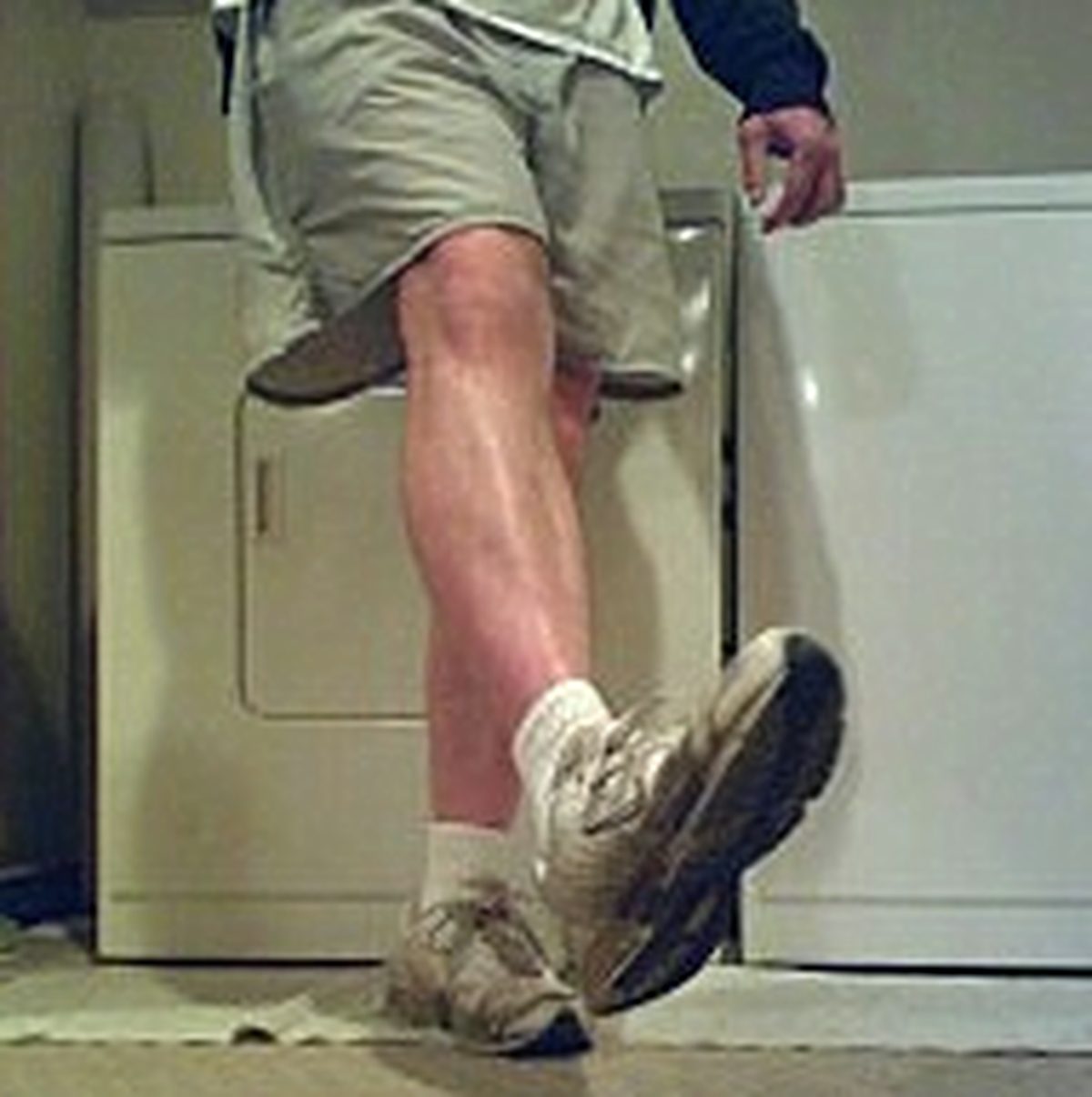
The short answer: seconds to minutes
Every major medical source lands in the same narrow window. Mayo Clinic says cramps usually last for seconds to minutes. Cleveland Clinic says the same: leg cramps can last from several seconds to several minutes. The NHS is the most specific, saying leg cramps can last from a few seconds to 10 minutes.
So the honest answer: a typical cramp is over in well under a minute, sometimes stretching to a few minutes. It feels longer because the pain is intense and you cannot relax the muscle on purpose. If you are timing it, most cramps release before you would finish reading this section.
It helps to know what you are dealing with. Cramp vs spasm explains the difference, and why it is called a charley horse covers the nickname.
Why the muscle stays sore afterward
The cramp ending is not the end of the story. Mayo Clinic notes that after the cramp eases, the area might be sore for hours or days. The NHS puts the typical window at up to 24 hours of soreness after the cramp has stopped.
That soreness is the muscle recovering from a hard, involuntary contraction. Think of it like the ache after a tough set at the gym: the fibers were worked without your permission. Gentle movement, warmth, and over-the-counter pain relief can ease it, but time does most of the work. This lingering ache is normal and not a sign the cramp did damage.
The 10-minute line
The sources agree on where normal ends. The NHS caps typical leg cramps at 10 minutes. Dr. Mohamed Najjar of Jorja Healthcare Group told The Sun: "You should see your GP if your cramps are disturbing your sleep or daily life, if you also have numbness or swelling in your legs, or if the cramping lasts for more than ten minutes."
Mayo Clinic lists its own see-a-doctor criteria: cramps that cause severe discomfort, come with leg swelling, redness or skin changes, come with muscle weakness, happen often, or do not get better with self-care. A single cramp that will not release after 10 minutes hits that bar. When in doubt, call your doctor rather than waiting it out.
If a cramp seems stuck and will not ease at all, read what to do when a cramp will not go away.
Why most cramps strike at night
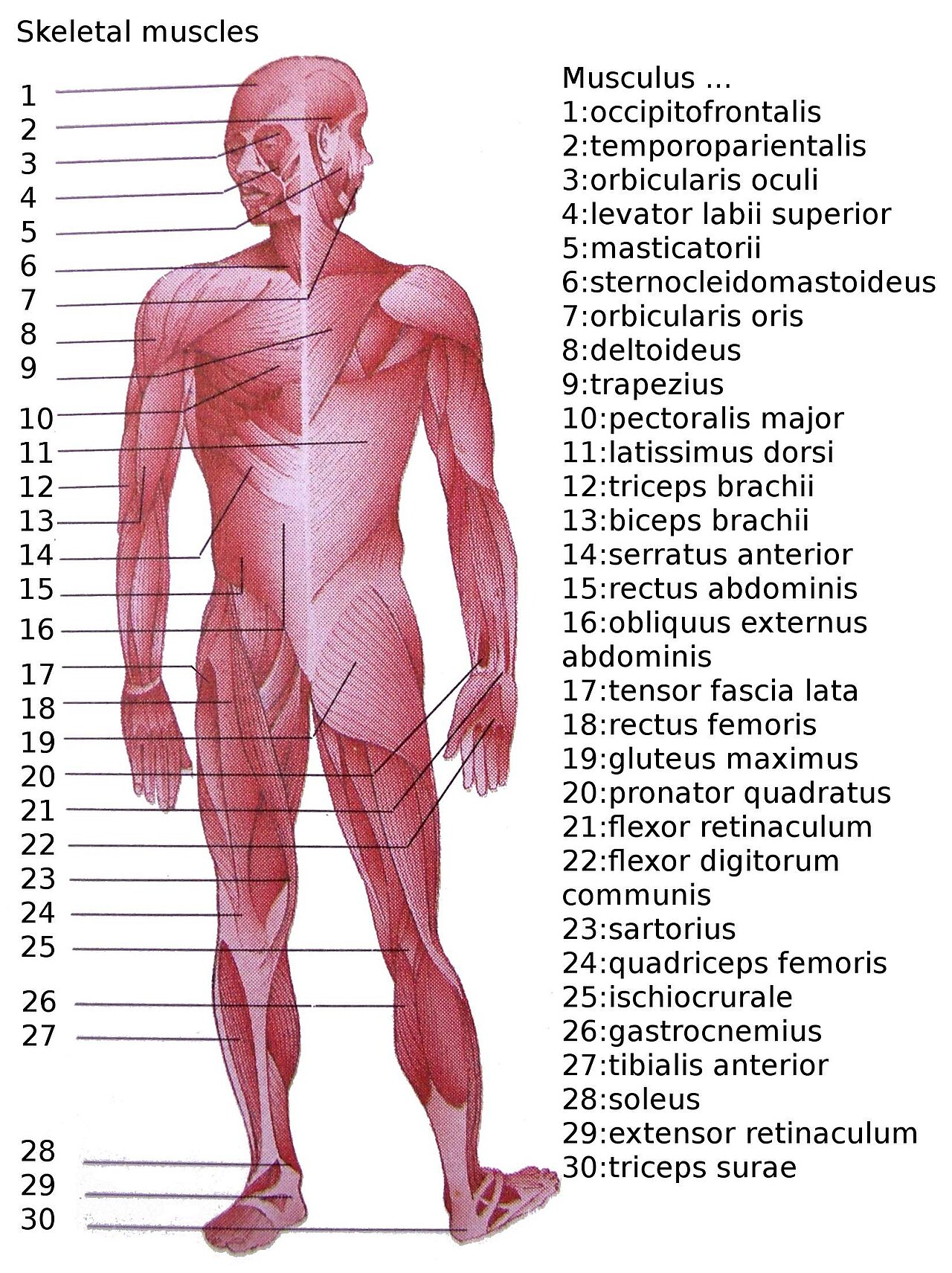
Timing is part of the pattern. Three out of four cases of leg cramps happen at night during sleep, according to an NHS Dorset patient leaflet. Cleveland Clinic reports that up to 60 percent of adults get leg cramps at night, as do up to 40 percent of children and teenagers.
Night cramps are more likely as you age because tendons naturally shorten over time. Shorter tendons can make the connected muscles more cramp-prone, per the same NHS Dorset leaflet. Older adults are the group most affected. For more on that pattern, see why older adults get more leg cramps.
What you can do during those minutes

You cannot always shorten a cramp, but you can make it less miserable. The NHS advises stretching and massaging the muscle during a cramp, and notes that most cramps go away without you doing anything. Standing up and putting weight on the cramped leg may also help.
Painkillers like paracetamol or ibuprofen can ease the soreness afterward. But the NHS points out they will not help during the cramp itself because they take too long to work. For prevention, regular calf-stretching exercises may cut how often cramps happen, though they may not stop them entirely.
For recovery nutrition, see foods that help muscles recover after cramps.
The bottom line
A normal muscle cramp lasts seconds to a few minutes, never more than about 10, and the muscle may ache for up to 24 hours afterward. Stretching and massage can help while it runs its course. Treat the 10-minute mark as a hard line: a cramp that will not release, or cramps that keep returning with weakness, swelling, or skin changes, need a doctor, not more home care.
Is it normal for a cramp to last 5 minutes?
Yes. Five minutes sits inside the normal range reported by Mayo Clinic, Cleveland Clinic, and the NHS. Only cramps passing roughly 10 minutes fall outside it.
Why does my leg hurt the day after a cramp?
The muscle contracted hard and without your control, so the fibers are tired. The NHS says soreness can last up to 24 hours after the cramp stops. This is normal.
Do cramps get longer as you get older?
Frequency rises with age, but duration does not clearly change. Tendon shortening makes older adults more cramp-prone, according to NHS Dorset. That is about how often, not how long.
Can a cramp last an hour?
No. A true cramp lasting an hour is outside every published range. Long-lasting, unrelenting leg pain needs medical attention promptly.
Topics: muscle cramps, leg cramps, charley horse, symptoms, self care
Rive News is the research desk behind this article. It covers practical health explainers based on published sources.
Latest in Health
- Cramp vs spasm: what is the difference?
- What to do when a cramp will not go away
- Why older adults get more leg cramps
Subscribe for weekly practical health explainers.
Corrections: spotted an error? Email the research desk and it will be fixed with a dated update note.
Related stories

ADHD linked to fourfold dementia risk in Pitt study of 187,000 adults
Adults with ADHD face four times the risk of dementia, a University of Pittsburgh study of 187,000 adults published in JAMA Psychiatry

Why Do Athletes Get Cramps Despite Drinking Water?
Muscle cramps strike even well-hydrated athletes because sweat drains electrolytes that plain water cannot replace. Here is why water alone

Do bananas actually prevent muscle cramps?
A medium banana has 422 mg of potassium, but the evidence says it cannot stop cramps. Here is what the research shows, and what actually