
How to prevent bathroom mold without an exhaust fan as a renter
Key takeaways
- Dry wet surfaces within 24 to 48 hours and mold usually never gets started, per EPA guidance.
- With no exhaust fan, open the bathroom window and door after every shower to let the steam escape.
- Keep indoor humidity below 60%, ideally 30 to 50%, and report any leak to your landlord immediately.
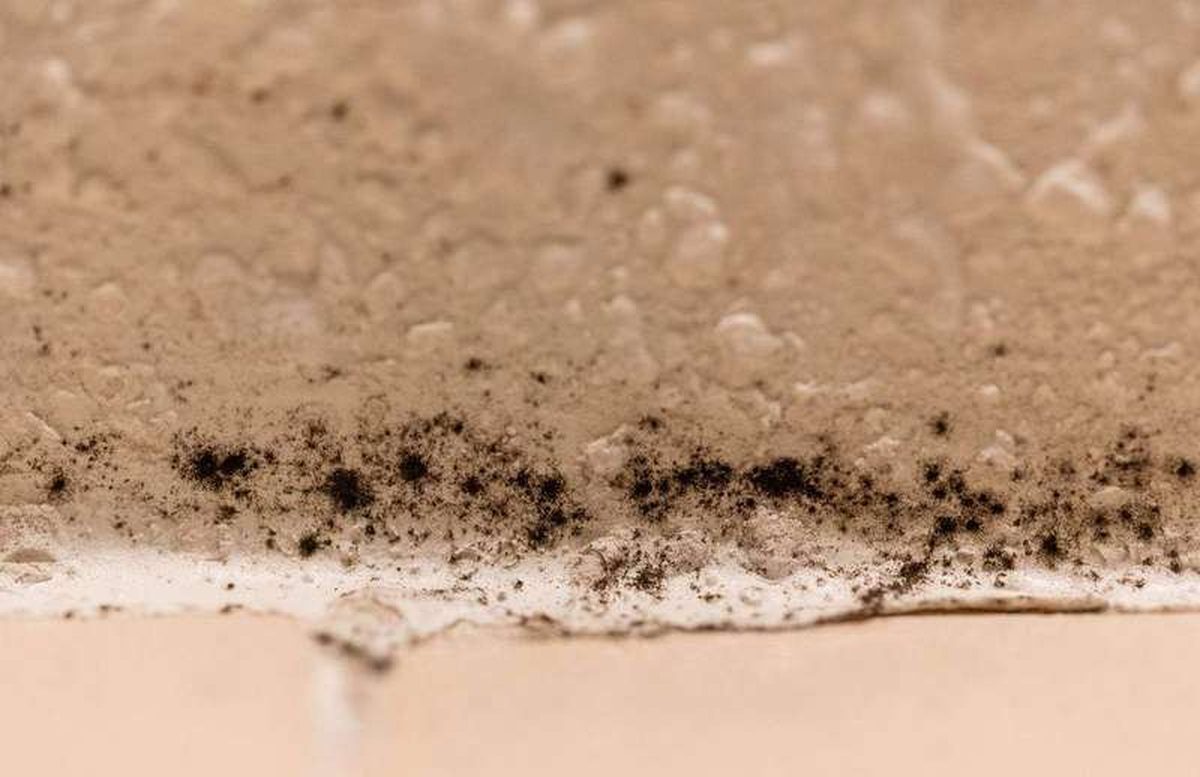
A hot shower fills a small bathroom with steam in minutes. Without an exhaust fan, that moisture has nowhere to go. It settles on the ceiling, the grout, and the shower curtain, and mold treats it as an invite.
Most mold advice assumes you can fix this with a drill and a fan installation. Renters usually cannot.
Leases forbid permanent changes, and landlords are slow to approve them. This article covers renter-friendly mold prevention, including why bathrooms grow mold so fast, how to move steam out without a fan, how to dry surfaces, how to keep humidity down, and what to document and tell your landlord.
Why bathrooms grow mold so fast
Mold is simple. It needs moisture, something to eat, and time. A bathroom supplies all three: steam on every surface, soap scum and dust as food, and hours of dampness if nothing dries it.
The EPA's mold guidance gives the number that matters: if wet or damp materials are dried within 24 to 48 hours after getting wet, mold will not grow in most cases. Miss that window repeatedly and growth begins. One mold-prevention guide puts the same window at 24 to 48 hours of sustained dampness before colonies establish.
Humidity is the second number. The EPA recommends keeping indoor humidity below 60%, ideally between 30 and 50%. A bathroom after a shower can sit near 100% for a while, which is why the minutes right after showering decide everything.
As a renter, you also inherit the bathroom's history. Old grout, a tired shower curtain, and paint that has seen a decade of steam all hold moisture longer than new surfaces. Your habits have to make up for a room you did not choose.
Move the steam out without a fan
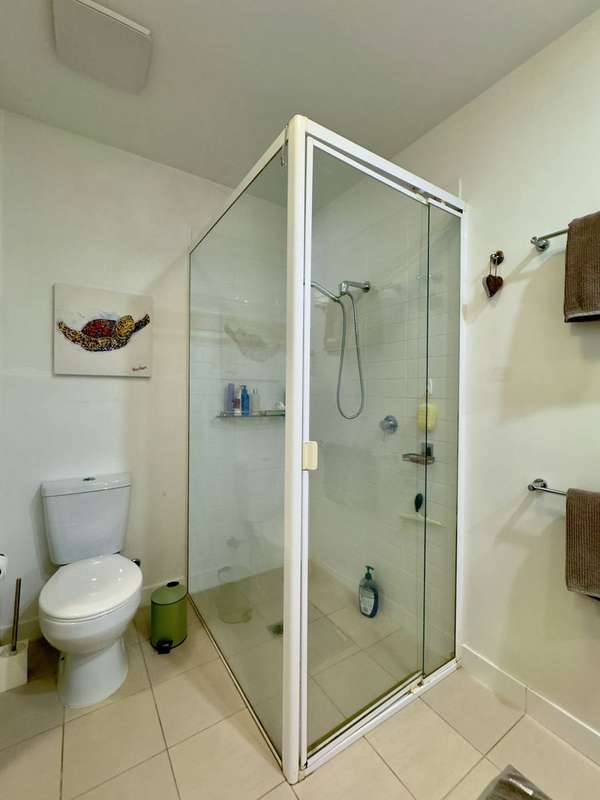
Ventilation is still the job; you just do it with windows and doors instead of a motor. The New York City Housing Authority's mold-prevention guidance says it directly: if your bathroom does not have an exhaust fan, open the bathroom window and door after showering, and keep windows slightly open when the weather allows.
Make it a ritual. Before you step into the shower, crack the bathroom window if there is one.
When you step out, leave the bathroom door wide open. The goal is a path for the steam: in through the window, out through the door, or the reverse depending on the draft.
Cross-ventilation multiplies the effect. If you can open a window in another room at the same time, air moves through the bathroom instead of sitting in it. Even a small draft beats still air.
On humid days, judge the trade. Opening a window during a rainstorm can pull more moisture in than it releases.
In that case, lean on the door, the drying steps below, and a dehumidifier (a machine that pulls moisture from the air) if you have one. RentecDirect's renter guide makes the same point: vent moisture out when bathing, using a window when the weather allows.
Dry the surfaces, not just the air
Air drying is slow. Hand drying is fast, and it is the renter's best weapon.
Keep a squeegee in the shower and pull the water off the walls and door after every use. It takes thirty seconds and removes most of the moisture mold would feed on.
Wipe down the fixtures and the edges where water pools: the tub rim, the faucet base, the corners of the shower floor. The EPA advises drying wet surfaces quickly when condensation or moisture collects, and a dry cloth is all it takes.
Treat the soft goods as moisture traps. Hang towels spread out after each use so air reaches both sides, and wash bathroom rugs, mats, and towels at least weekly. One mold guide recommends exactly that schedule, since damp fabric is a favorite breeding ground.
Clear the clutter too. Bottles, loofahs, and toys left in the shower trap water underneath them.
Move them to a caddy or shelf where they can drip dry. Replace a moldy shower curtain liner rather than scrubbing it forever; liners are cheap and renters can swap them freely.
A daily shower spray adds one more layer. These sprays reduce soap scum and mineral deposits, which trap moisture and give mold a foothold. Spray after each use and let it air dry.
Keep the room's humidity down
A small hygrometer (humidity meter) tells you whether your routine is working. The EPA notes these cost $10 to $50 at hardware stores, and one in the bathroom pays for itself in early warnings. If the reading stays above 60% long after showers, step up the drying.
A portable dehumidifier is the closest thing to a fan replacement a renter can buy. It pulls moisture from the air and works well in small bathrooms after showers.
A dehumidifier helps, but it does not replace an exhaust fan. Fans expel steam at the source, while a dehumidifier only works on the room air. Use it as a helper alongside open windows and doors, not instead of them.
Watch the cold spots. Mold often appears first where warm moist air meets a cold surface: exterior walls, window frames, the ceiling above the shower. If one corner keeps growing spots despite your routine, that surface is staying wet, and it deserves extra wiping or a conversation with the landlord about insulation or ventilation.
Keep the bathroom door closed during the shower and open after. This sounds contradictory, but containing the steam first and venting it after keeps moisture from moving into bedrooms and closets, where it can feed mold on clothes and walls. RentecDirect's renter guide recommends exactly this containment habit.
What renters should document and tell the landlord
Some mold causes are the landlord's problem, and the lease usually says so. Leaks are the big one.
The NYC Housing Authority tells residents to report any leaks in pipes or appliances immediately and request repairs. A dripping pipe or a failing caulk line will defeat every habit on this page.
Document in writing. When you report a leak or ask for a fan, do it by email or through the property portal so there is a record.
Note the date, the location, and what you see. Photos with timestamps help.
If mold later causes damage or a deposit dispute, that paper trail is your proof that you acted promptly.
Know when the job is too big for habits. If mold already covers more than 10 square feet, cleanup guides advise calling a professional rather than handling it yourself. Large growth often means moisture inside the wall, which no amount of squeegeeing will fix.
You can also ask, politely and in writing, for a fan installation. Some landlords approve it when the tenant frames it as protecting the property. If the answer is no, you have the full routine above, and you have it documented.
Frequently asked questions
Can I install a fan myself as a renter?
Usually not without written permission, since it means cutting into the ceiling and wiring. Portable and window-mounted options exist, but check the lease first. Everything in this guide works without any installation.
Does a dehumidifier replace an exhaust fan?
Not fully. A dehumidifier lowers room humidity, but an exhaust fan removes steam at the source before it condenses. Use the dehumidifier alongside open windows and doors rather than treating it as a substitute.
How often should I clean to prevent mold?
Wipe shower surfaces after each use, wash towels and bath mats weekly, and replace the shower curtain liner when spots appear. A quick weekly scrub of grout and caulk lines catches growth early.
What humidity level should I aim for?
Below 60% relative humidity, and ideally 30 to 50%, per the EPA. Measure with a hygrometer (humidity meter) in the bathroom and adjust your venting and drying until the room returns to that range within an hour or two after showering.
The bottom line
Preventing bathroom mold without a fan is a routine, not a renovation. Vent the steam with windows and doors, squeegee and wipe every surface after showering, keep humidity in the EPA's 30 to 50% range, and wash the soft goods weekly. Report leaks in writing the day you spot them.
None of these steps requires landlord approval or a toolbox. Done daily, they close the 24-to-48-hour window mold needs and keep a fanless bathroom as dry as one with a fan.
Tags: mold prevention, bathroom, renters, humidity, home maintenance
Rive News is the in-house research desk covering tech, health, money, home, and science with sourced explainers.
Related stories
how to transfer eSIM to a new phone
do bananas actually prevent muscle cramps
how is APR divided by 365 to get daily interest
why is the ocean salty but lakes are not
Subscribe to the Rive News newsletter for one sourced explainer every morning.
Corrections: we correct errors promptly. Contact the research desk with the article URL and the fix.
© 2026 Rive News. All rights reserved.
Related stories

Why Your Faucet Keeps Dripping After You Turn It Off
A dripping faucet is usually a worn washer, O-ring, or cartridge that can no longer seal. One drip per second wastes over 3,000 gallons

How to fix a running toilet without a plumber in 30 minutes
A running toilet can waste 200 gallons of water a day. Diagnose the flapper, float, or fill valve in two minutes, then fix it yourself

How to hang heavy shelves on drywall safely
Studs first, toggle bolts second, plastic anchors never for heavy loads. Weight ratings, installation steps, and mistakes that bring