
How to reduce humidity in a room without a dehumidifier: 9 proven methods
Key takeaways
- Keep indoor humidity between 30% and 50% RH; readings above 60% signal a real moisture problem, according to the EPA.
- Fixing leaks, running exhaust fans, and venting dryers outdoors remove more moisture than any passive absorber.
- Salt, charcoal, and baking soda only help in small enclosed spaces, not whole rooms.
- Regular fans circulate air but do not lower the humidity reading on a hygrometer.
What indoor humidity is, and why it matters
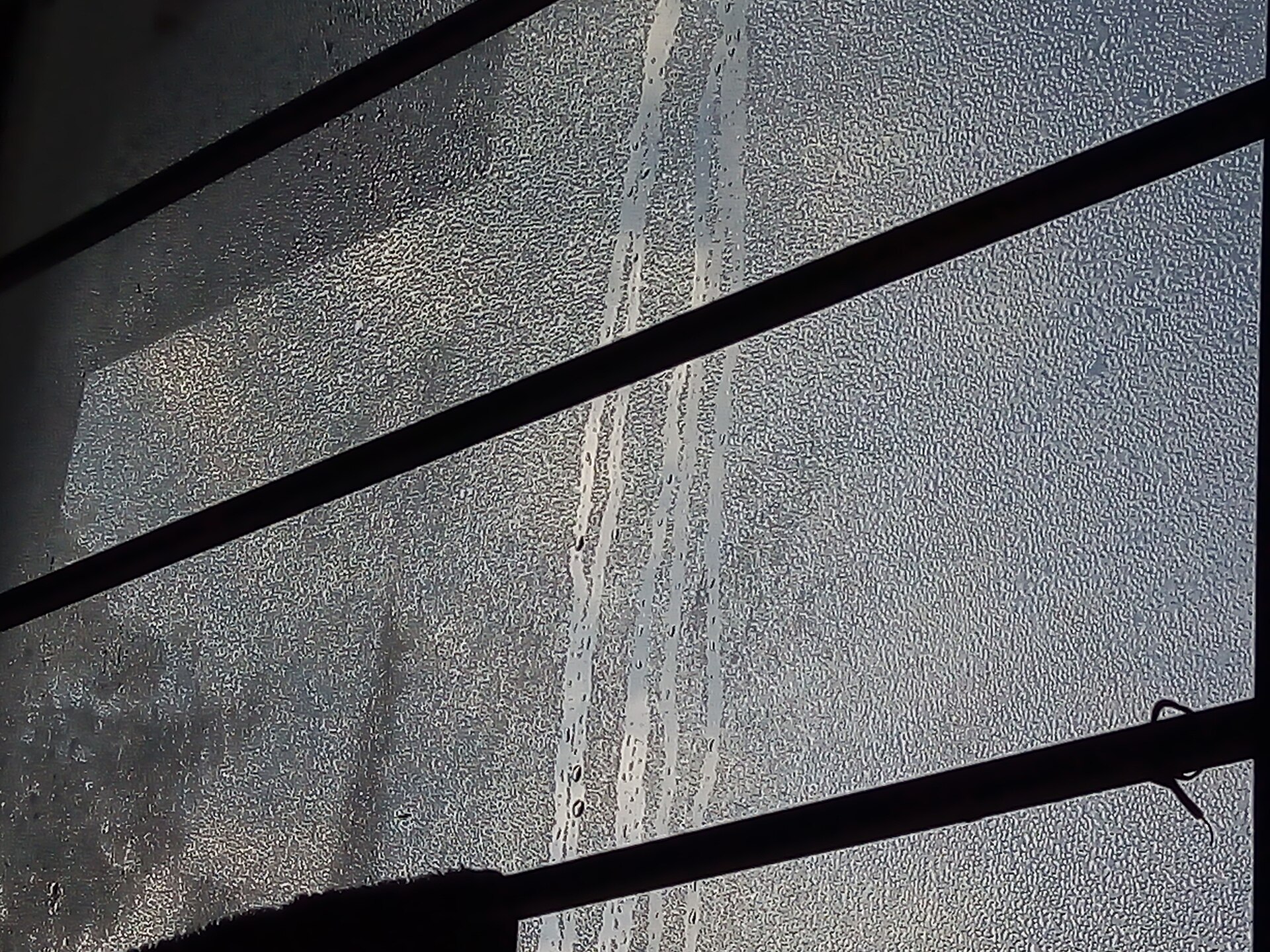
Indoor humidity is measured as relative humidity, or RH: the percentage of moisture the air holds compared with the maximum it can hold at that temperature. A room at 50% RH holds half the water vapor it could before the air becomes saturated and moisture starts condensing on cold surfaces.
The Environmental Protection Agency (EPA) recommends keeping indoor RH between 30% and 50%. Readings above 60% signal a real moisture problem, according to the agency, as reported by The Dry Air in its humidity control guide.
Too much moisture warps wood, peels paint, and creates the damp conditions mold needs to grow.
This article explains where indoor moisture comes from, which no-dehumidifier methods actually lower humidity, which popular tricks fall short, and when these methods are not enough.
This article is for information only and is not medical advice.
Where indoor moisture comes from
High indoor humidity usually comes from one of three sources: daily activities, water and building issues, or HVAC problems.
Showers and cooking release large amounts of water vapor into the air. Wet clothes hung indoors add moisture directly to your living space, and a clothes dryer that vents indoors sends pounds of water vapor into your home with every load, according to The Dry Air.
Water issues are the second category. Plumbing or roof leaks feed humidity slowly over time. Poor foundation drainage lets ground moisture find its way inside, and a damp basement or crawl space can spread moisture through the rest of the house.
Gaps around doors, windows, and vents let humid outdoor air seep in.
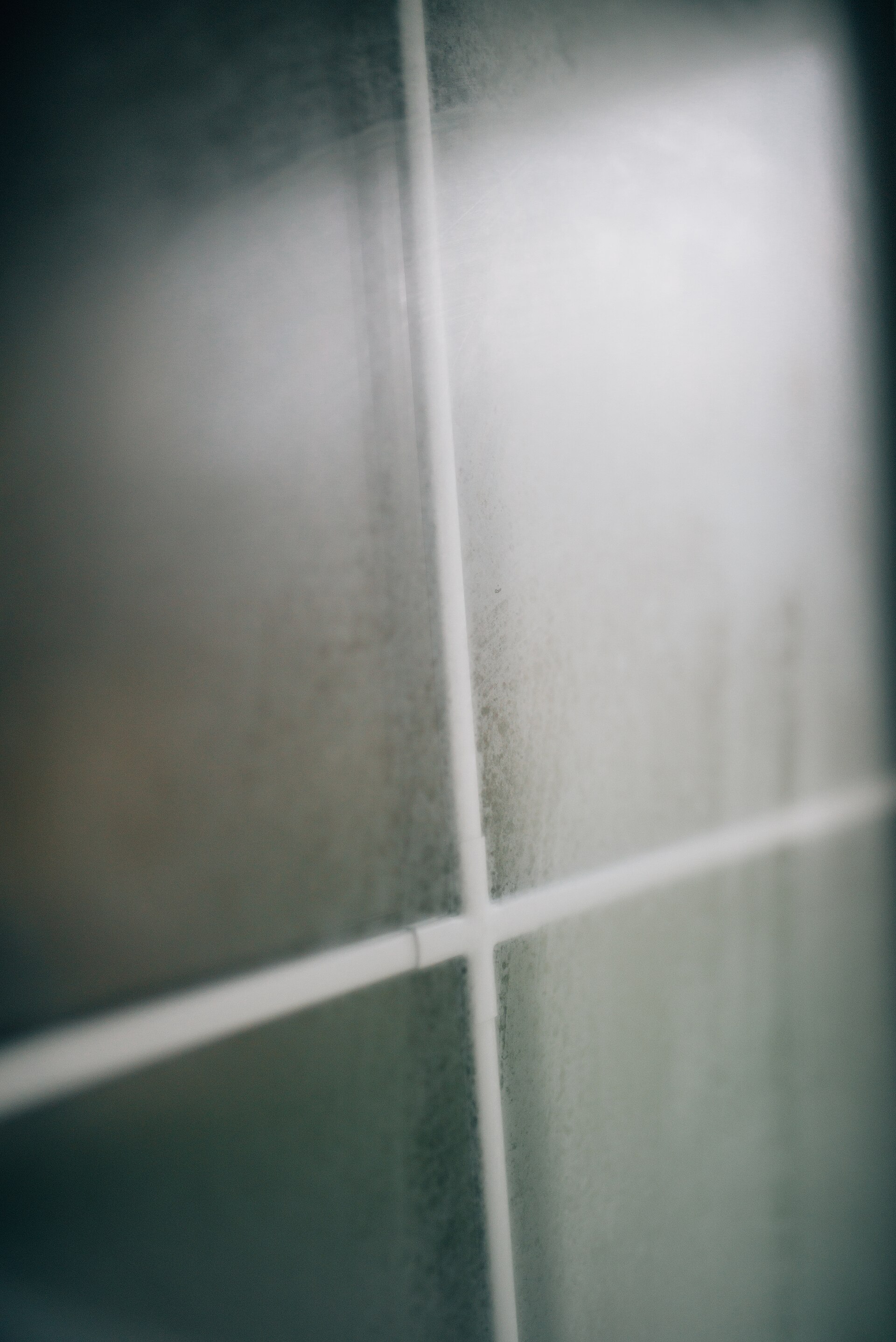
The third category is HVAC. A poorly operating air conditioner can make things worse. An oversized unit cools the room quickly and shuts off before it has run long enough to pull out much moisture, a problem known as short-cycling.
Methods that actually lower humidity
Before changing anything, measure first. A digital hygrometer is the only reliable way to know your actual indoor RH. Check several rooms, since basements and bathrooms often run higher than bedrooms, and track readings over a few days because humidity naturally fluctuates.
Fix leaks and exterior drainage
Repair plumbing or roof leaks as soon as you find them. Outside, clean your gutters and make sure downspouts direct water away from the foundation. If the ground slopes toward the house instead of away from it, regrading that area can keep water from pooling against your foundation walls.
Run bathroom and kitchen exhaust fans
Run the bathroom fan during and after every shower, and keep the kitchen exhaust fan on while cooking or running the dishwasher. These fans push moisture-laden air outside before it spreads through the house. Make sure the fans vent to the outside rather than into the attic.
Vent the clothes dryer outdoors
Check that your dryer duct runs all the way outside and is not blocked with lint. A dryer venting indoors is one of the largest single sources of room moisture in many homes.
Reduce moisture from daily habits
Small habit changes add up. Cover pots while cooking to trap steam. Take shorter or cooler showers where practical.
Avoid drying laundry on indoor racks. If you must dry clothes indoors, do it in a room with good airflow and keep the door open. For a related odor problem, see how to get rid of a musty smell in a basement.
Open windows only when outdoor air is drier
Opening windows can air out a room, but only when the outdoor air holds less moisture than your indoor air. On a humid summer afternoon, opening windows can raise indoor humidity instead of lowering it. Cross-ventilation, opening windows on opposite sides of the house, works best on dry days, according to Storables.
Seal air leaks and insulate cold surfaces
Gaps around windows, doors, and utility penetrations let humid outdoor air seep inside, so sealing them reduces how much moisture enters in the first place. Insulating cold water pipes and other cold surfaces also helps, since warmer surfaces collect less condensation.
Use the air conditioner's dry mode
A properly functioning air conditioner removes some humidity as a byproduct of cooling. Many split AC units have a dry mode, marked with a water droplet icon, that prioritizes moisture removal. An AC in short-cycling mode may leave the room cool but still damp.
Place moisture absorbers in small spaces
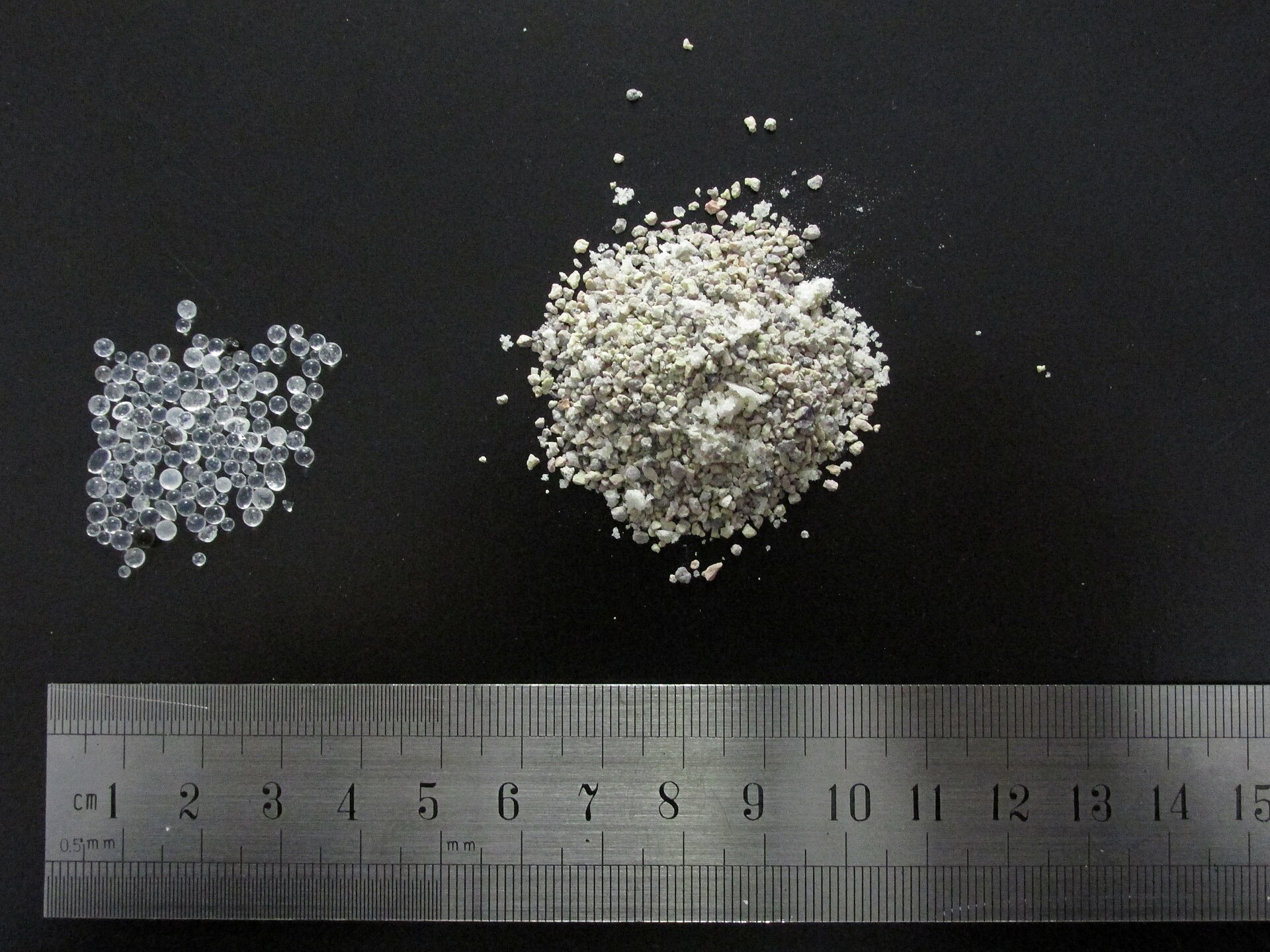
Rock salt, baking soda, calcium chloride, and charcoal all pull some moisture from the air. Calcium chloride is commonly used in commercial moisture absorbers, according to AEANET.
Place bowls of rock salt or baking soda in closets and bathrooms, or put charcoal briquettes in a ventilated container in a damp corner. These absorbers need regular replacement to stay effective.
Trim back indoor plant moisture
Houseplants release moisture through transpiration. A handful of plants rarely causes a humidity problem on its own, but in an already damp room, moving a few plants out or watering less often can take the edge off.
Popular tricks that fall short
Some common fixes do not actually remove water from the air. A regular fan circulates existing air but does not change its moisture content. As The Dry Air puts it, a fan can make a room feel cooler through evaporative cooling, but it will not lower the RH reading on a hygrometer.
Passive moisture absorbers have limited capacity. Salt, rice, and charcoal work best in small enclosed spaces like closets, not whole rooms. Expecting bowls of rice to dehumidify a large bedroom will disappoint.
Opening windows in humid weather backfires. If the outdoor air is more humid than your indoor air, opening windows adds moisture rather than removing it. This is also why a musty smell can appear after rain even when windows were open.
Removing a few houseplants is a minor fix at best. Plants do release moisture, but a handful of plants rarely accounts for a noticeable humidity problem on its own.
When these methods are not enough
Source control works well for moderate humidity or for preventing problems before they develop. But it may not be enough for a large volume of existing moisture, such as a basement that stays damp all season or a home in a consistently humid climate. In those cases, a dehumidifier becomes the more reliable option.
Consider calling a professional if you notice continuous water seepage through the foundation, an HVAC system that short-cycles, multiple rooms with persistently high humidity, or mold covering a large area. Persistent damp can also damage walls and paint, so watch for early warning signs like paint bubbling on walls. A cheap indoor air quality check can also help you decide whether moisture is affecting your air.
Frequently asked questions
What is the fastest way to lower humidity in a house?
Identify and reduce the moisture source first, then use a properly sized dehumidifier or air conditioner to actively remove excess water vapor. Running exhaust fans during and after showers or cooking also produces a quick, noticeable drop in localized humidity.
Does running a fan lower humidity?
No. A fan circulates air but does not remove water vapor, so it will not change the relative humidity reading. Fans help with comfort and can prevent stagnant, damp air pockets, but they do not address the underlying moisture level.
How much can passive absorbers like salt or charcoal really help?
They can take the edge off in small, enclosed spaces such as closets or cabinets. They do not have the capacity to lower the humidity of a whole room in any meaningful way, and the material must be replaced or refreshed regularly.
Why does my bathroom stay humid even with a fan?
The fan may be undersized for the room, it may vent into the attic instead of outside, or it may not run long enough. Let it run for at least 20 to 30 minutes after a shower so the moisture fully clears.
Should I close windows on humid days?
Yes. If the outdoor air is more humid than your indoor air, open windows add moisture. Ventilate on drier days and rely on exhaust fans on humid ones.
The bottom line
Reducing humidity without a dehumidifier is possible when the problem is moderate. Measure with a hygrometer, fix leaks, run exhaust fans, vent the dryer outdoors, seal air leaks, and ventilate on dry days.
Skip the wishful thinking: fans and bowls of rice will not dehumidify a whole room. If readings stay above 60% RH despite your efforts, that is the signal to move up to mechanical dehumidification or call a professional.
Related stories

Why Your Faucet Keeps Dripping After You Turn It Off
A dripping faucet is usually a worn washer, O-ring, or cartridge that can no longer seal. One drip per second wastes over 3,000 gallons

How to fix a running toilet without a plumber in 30 minutes
A running toilet can waste 200 gallons of water a day. Diagnose the flapper, float, or fill valve in two minutes, then fix it yourself

How to hang heavy shelves on drywall safely
Studs first, toggle bolts second, plastic anchors never for heavy loads. Weight ratings, installation steps, and mistakes that bring