
Why Babies Smile in Their Sleep: Reflexes, REM, and Meaning
Key takeaways
- Most sleep smiles are reflexes fired by the brain during REM sleep, not signs of dreams or happiness.
- Newborns spend about 50 percent of sleep in REM, versus about 20 percent in adults, so sleep smiles are common.
- A sleep smile alone needs nothing from you. Pair it with stiffening, rhythmic jerking, or breathing changes and call a pediatrician.
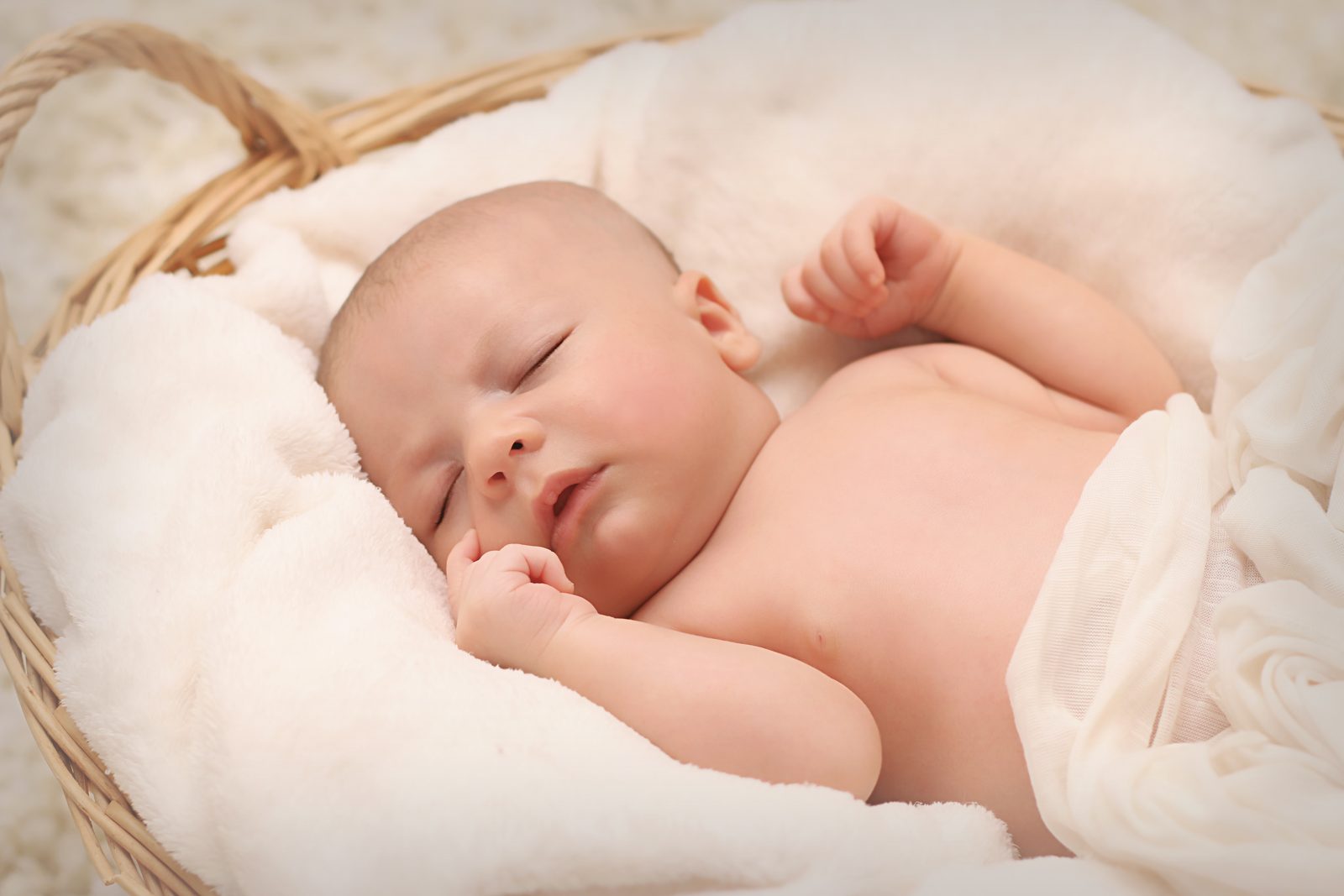
Your baby lies still, eyes closed, and then a small smile crosses the face for a second. You reach for your phone.
You wonder what the baby is dreaming about. The moment feels significant.
The explanation is simpler and, in its own way, more remarkable. Most sleep smiles are reflexes: the baby's brain firing signals to the facial muscles during active sleep. This article explains why babies smile in their sleep, including reflex smiles, REM sleep, how sleep smiles differ from social smiles, and when a smile deserves a pediatrician's attention.
The reflex smile: a brain practicing
During REM sleep, your baby's cerebral cortex fires electrical impulses on its own. No dream triggers them. Those signals reach the facial muscles, which contract briefly and release.
Your baby is not choosing to smile. The brain sent a signal, and the face obeyed.
SunCityWonderland calls this motor rehearsal. The brain uses REM sleep to practice movement patterns it will need when awake.
That is why sleep smiles look asymmetric and vanish in under a second. The movement is a rehearsal, not a performance.
MomJunction describes the same phenomenon as an "endogenous smile," a smile that occurs in newborns without any external stimulation. Infants smile and sometimes even laugh while napping because of brain functions tied to endogenously determined physiological rhythms during REM sleep, the stage in which adults dream. The smile is a response to the brain's own activity, not to something the baby saw or heard.
The earliest smiles are reflex smiles that begin before birth and continue for around two months, MomJunction reports. These smiles are brief, asymmetric, and limited to the mouth. They show up during sleep or on the drowsy edge of it, with no interaction involved.
That timing matters. A sleep smile in the first weeks is almost certainly a reflex.
The baby's nervous system is still immature, and reflexes run the show. EasyRest notes that reflex smiles are the most common reason newborns smile during sleep, and that these automatic expressions begin before babies develop social awareness or emotional responses.
REM sleep: why babies smile so often
Babies smile in their sleep far more than adults do, and sleep architecture explains why. Newborns spend roughly 50 percent of their sleep in REM, compared to around 20 percent in grown-ups, according to the American Academy of Pediatrics as cited by SunCityWonderland. These smiles appear often because REM appears often.
REM sleep is also called active sleep. During this stage, the brain remains highly active while the body stays mostly relaxed.
Small smiles, brief facial movements, twitching fingers, and gentle body motions commonly occur together, EasyRest reports. These movements are considered a normal part of infant sleep and usually do not indicate discomfort or illness.
A baby's brain grows rapidly during the first months of life. Millions of new neural connections form as the brain processes sounds, sights, touch, and other daily experiences.
EasyRest notes that this rapid development may trigger brief facial expressions, including smiling, while sleeping. The smile is a side effect of construction work.
One common misunderstanding deserves a clear answer: there is no scientific evidence that a smiling baby is dreaming. EasyRest states it plainly: although REM sleep is linked to dreaming in older children and adults, no evidence proves that a smiling baby is dreaming.
Newborns cannot describe their experiences, which makes dreams impossible to study directly. A sleep smile may look like a happy dream, but science cannot confirm that story.
Reflex smiles versus social smiles
The difference between a reflex smile and a real social smile is one of the most useful things a new parent can learn. The two look similar in a photo and mean different things.
A reflex smile appears during sleep or a drowsy state, with no interaction involved. It is involuntary, often lopsided, and passes in under a second.
The corners of the mouth do not fully engage, and there is no eye contact before or after. Nothing you do triggers it, and nothing you do stops it.
A social smile arrives when the baby is awake and alert, responding to a face, voice, or expression. It involves both sides of the face, holds for a moment, and comes with eye contact. It feels like a genuine exchange because it is one.
Social smiles typically begin between six and eight weeks, according to SunCityWonderland, citing CDC developmental markers. That is one of the milestones clinicians watch when assessing social and emotional progress in the early months. EasyRest gives a similar timeline: social smiles begin at 2 to 3 months, while reflex smiles become less common.
The shift happens because the cerebral cortex, which fired those impulses involuntarily during REM, begins coming under conscious control. The same motor circuits that activated randomly during sleep now fire in response to interaction. That is what turns a muscle reflex into a real smile, and it is one of the most meaningful moments in early social development.
Parents who watch babies stare at ceiling fans are watching a related rehearsal: an immature visual system practicing tracking. Sleep smiles are the motor system doing the same kind of practice.
What sleep smiles are and are not telling you
A sleep smile is a sign of healthy neurological development. It tells you the brain is active, growing, and moving through REM sleep the way it should at this stage, SunCityWonderland explains.
There is nothing you need to do when you see one. You do not need to respond to it, encourage it, or worry that you are missing something.
What a sleep smile does not tell you matters just as much. EasyRest lists several myths worth retiring. A sleeping smile does not always mean a happy dream.
Not every sleep smile reflects happiness or emotion. Babies who smile more during sleep are not developing faster. Smiling during sleep is not unusual, and smiling alone does not indicate how well or how long a baby sleeps.
Growth, feeding, and alertness provide a better picture of well-being than sleep smiles alone. A baby who feeds well, gains weight, meets milestones, and engages while awake is doing fine, whether sleep smiles come nightly or rarely. A baby who rarely smiles in sleep but smiles socially while awake is also doing fine.
Sleep smiles also follow a loose age pattern. EasyRest describes it this way: from birth to 2 months, mostly reflex smiles from an immature nervous system; at 2 to 3 months, social smiles begin while reflex smiles become less common; at 4 to 6 months, facial expressions become more intentional and emotionally connected; after 6 months, sleep smiles may reflect developing emotional processing and brain maturity. The boundaries are soft, and individual babies vary.
When to call your pediatrician
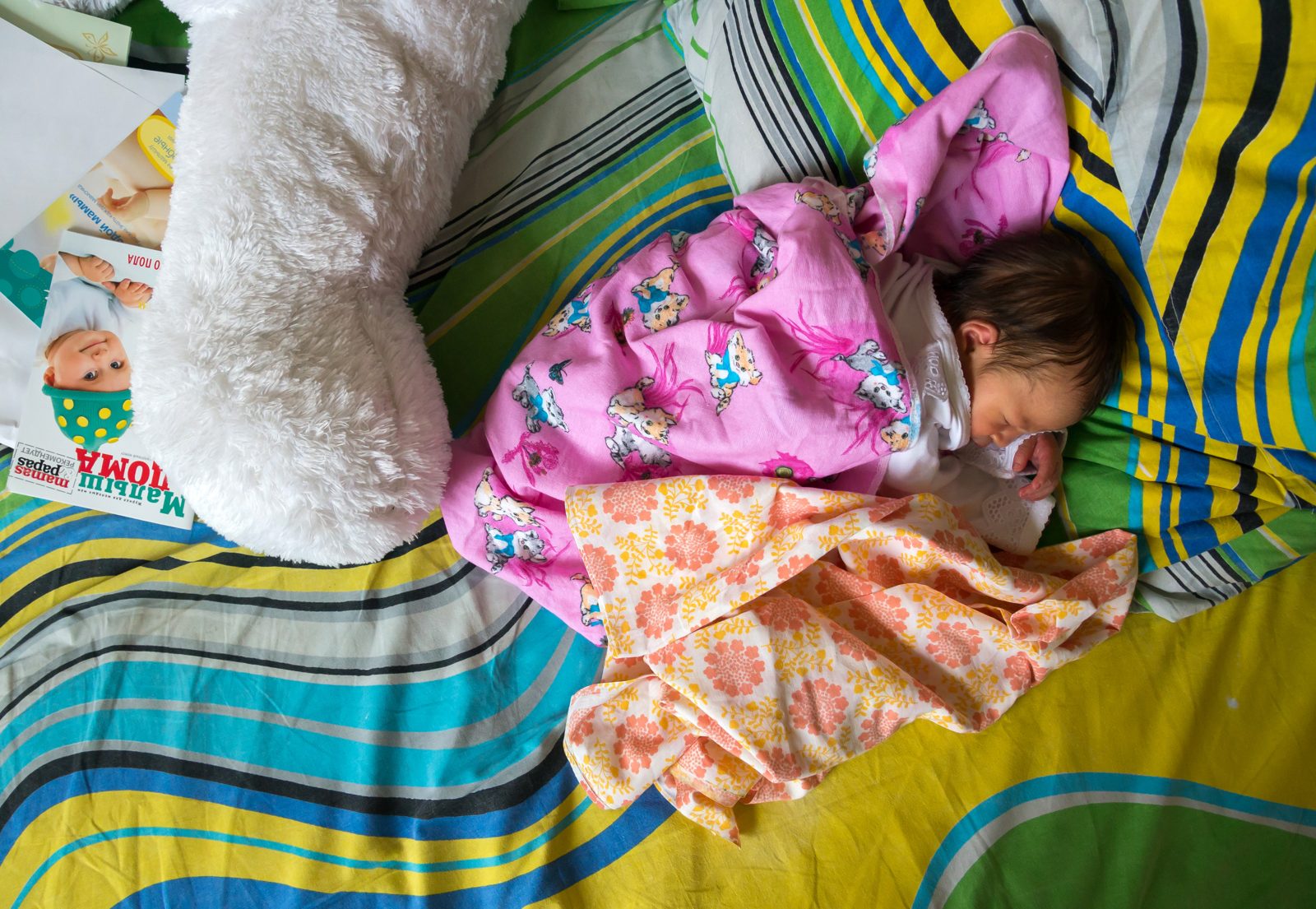
A smile on its own, even a frequent one, is just a growing brain doing what it is built to do. The one scenario worth raising with your pediatrician is when a sleeping smile appears alongside something else.
SunCityWonderland lists combinations that deserve a call: full-body stiffening during or after the smile, sustained rhythmic jerking of the limbs, unusual or rapid eye movements at the same time, any repetitive movement that follows a consistent pattern and cannot be stopped by gently repositioning the baby, and noticeable changes in breathing alongside facial movements.
EasyRest adds a similar disclaimer: contact a pediatrician if sleep smiles occur alongside repeated body stiffening, rhythmic jerking, unusual eye movements, breathing problems, bluish skin, poor feeding, or any other concerning symptoms. A smile with none of these is not a concern.
This article is for general information, not medical advice. If you are ever in doubt, your pediatrician would always rather hear from you than not. A short video of the episode, if you can capture one safely, can help a clinician judge what happened far better than a description alone.
Supporting healthy baby sleep
Sleep smiles need no response, but healthy sleep habits help the whole system. EasyRest recommends a few basics. Always place babies on their backs on a firm, flat mattress with no loose bedding.
Keep a regular bedtime routine so the baby learns when it is time to rest. Keep the sleep environment quiet, dark, and comfortably cool.
Understanding normal sleep behaviors helps too. Smiles, gentle twitches, and facial expressions are common during active REM sleep.
Knowing that keeps a 2 am smile from becoming a 2 am worry. Watch overall health instead: growth, feeding, and alertness tell you more than any single sleep behavior.
There is one more thing worth doing when you see a sleep smile. Take the photo.
The reflex fades within months, replaced by social smiles that answer your face. The sleep smile is a brief season, and it is worth keeping.
Frequently asked questions
Do babies dream when they smile in their sleep?
Science cannot say. REM sleep is linked to dreaming in older children and adults, but no evidence proves that a smiling baby is dreaming. Newborns cannot describe experiences, so dreams cannot be studied directly.
What is the difference between a reflex smile and a social smile?
A reflex smile happens during sleep or drowsiness, is involuntary and often lopsided, and lasts under a second with no eye contact. A social smile happens while awake, responds to a face or voice, involves both sides of the face, and holds briefly with eye contact.
At what age do babies start smiling socially?
Social smiles typically begin between six and eight weeks. Reflex smiles begin at birth and fade as intentional expressions take over. If no social smile appears by 3 to 4 months, mention it at a checkup.
Should I wake my baby when they smile in sleep?
No. A sleep smile is a normal part of REM sleep and needs no response.
Let the baby sleep. Waking a baby to check on a smile interrupts the sleep cycles the brain is using to develop.
The bottom line
Babies smile in their sleep because their brains are practicing. During REM sleep, the cortex fires signals that briefly move the facial muscles, producing a short, often lopsided grin.
The behavior is normal, common, and needs nothing from you except, perhaps, a photo. The smiles that matter most come later, when your baby looks at your face and smiles back on purpose.
Tags: babies, infant sleep, baby development, parenting
Latest in Parenting
- Why Toddlers Run Away When Called: What Parents Can Do
- Why Babies Stare at Ceiling Fans and Lights: Vision Facts
- Why Toddlers Line Up Toys in Rows: Patterns, Play, and Meaning
- Why Toddlers Say No Even When They Mean Yes: Brain Facts
Subscribe for one practical parenting explainer in your inbox each week.
Related stories

Why babies cry more in the evening: the witching hour explained
The witching hour is the fussy evening stretch most newborns hit daily. Why overtiredness, cluster feeding, and overstimulation stack up

When Do Babies Start Sleeping Through the Night by Month?
Most babies sleep through the night between 3 and 6 months, with regressions at 4 and 8 to 10 months. See the month-by-month table

Why Your Baby Wakes Up the Second You Put Them Down
Newborns wake when put down as the startle reflex, light sleep, and lost warmth hit at once. It is normal and peaks early, fading