
Why Toddlers Run Away When Called: What Parents Can Do
Key takeaways
- Toddlers run when called because chasing often looks like a game, not because they are trying to defy you.
- A growing sense of independence makes running feel exciting and powerful to a small child.
- Short, specific instructions and calm practice work better than shouting or repeated warnings.
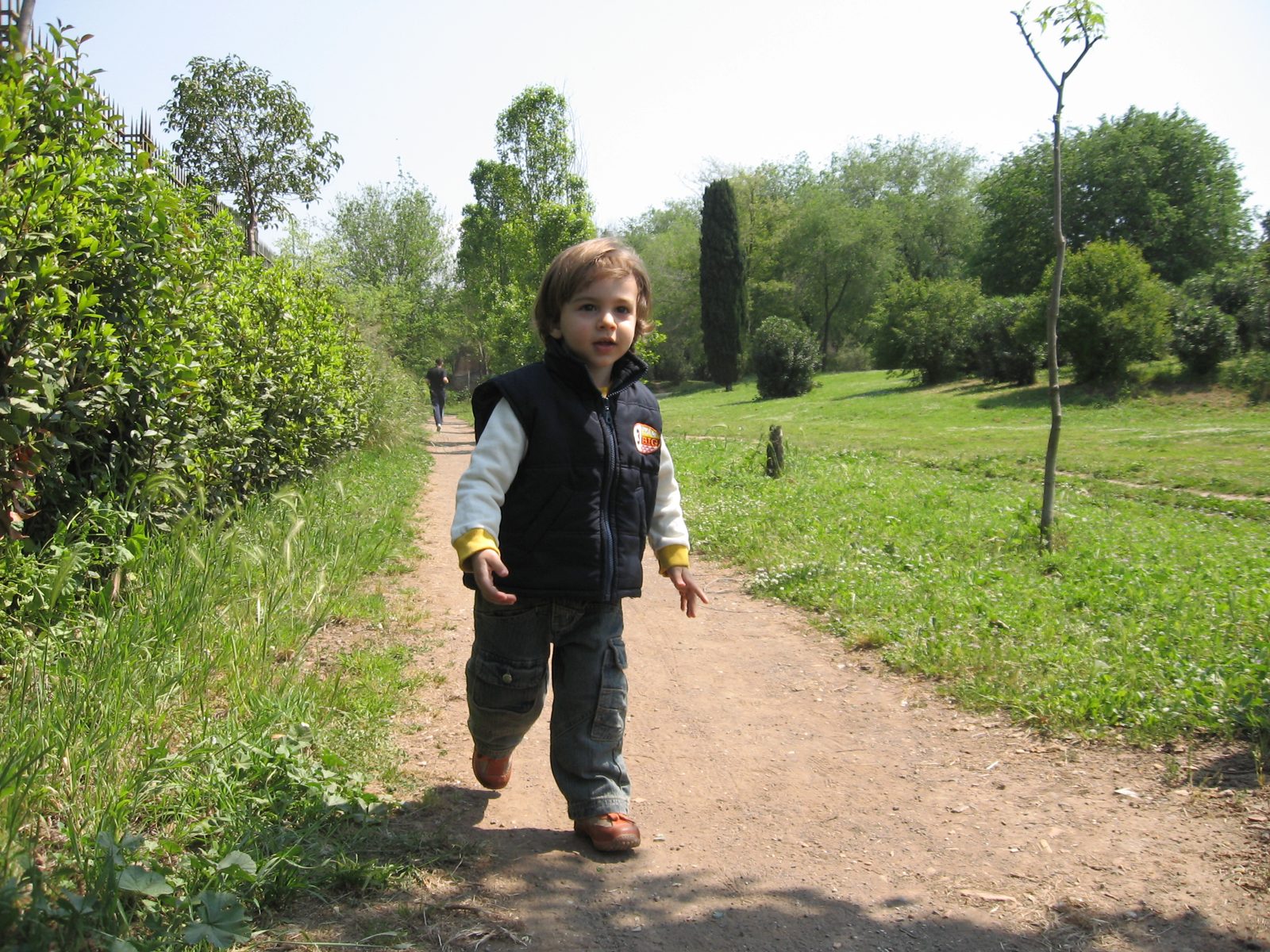
You call your toddler. Your toddler looks at you, grins, and runs in the opposite direction.
The scene repeats at the park, in the store, and on the sidewalk. It feels personal, but it usually is not.
Toddlers run away when called for reasons tied to how their brains and bodies are developing. They are learning that they are separate people, testing what their legs can do, and discovering that your reaction can turn an ordinary moment into a game. This article explains why toddlers run when called, including the game effect, the drive for independence, why recall words fail, what to do instead, and when to treat running as a safety problem.
Why running feels like a game
A toddler who runs when called is often playing, not disobeying. When a parent chases, shouts, or laughs, the child reads those reactions as part of the fun. The chase becomes the reward for running.
Moms.com, drawing on BabyCenter guidance, notes that a toddler may take a parent running after them and shouting "stop" as a cue to run even faster.
The child does not yet grasp that the parent is worried. The child sees a thrilling game with a willing partner.
That is why the first fix is often to change your own reaction. If you stop shouting and stop running, many toddlers slow down, turn around, and come back on their own. The game loses its fuel when the chase stops.
This does not mean you should let a child run near traffic or in a crowd. In dangerous spots, you still go and get your child. The point is that calm retrieval teaches a different lesson than a loud chase.
Independence and a growing sense of self
Running is also a declaration. Toddlers are discovering that they have their own will, their own legs, and their own plans. Running away is one way to prove it.
BabyCentre describes how toddlers gradually learn to tell themselves apart from their parents and the world around them. By about 21 months, a toddler understands better that she is her own person. That growing self-awareness brings a strong urge to act on her own choices.
Between the ages of two and two and a half, toddlers wander further as they explore and test limits. "I can do it myself" becomes one of their most frequent expressions, according to BabyCentre. Running when called fits that pattern.
The child is not rejecting you. The child is practicing being a separate person.
This drive is healthy, even when it is inconvenient. A child who never tested a boundary would never learn where boundaries sit. Your job is to let the testing happen in safe places and hold firm in unsafe ones.
Why "come here" often fails
Recall words fail for a few plain reasons. First, toddlers forget instructions fast. A rule explained yesterday may be gone today.
Moms.com notes that toddlers keep breaking rules partly because they quickly forget them.
Second, vague words do not tell a child what to do. "Stop" can mean stop talking, stop walking, or stop anything. A toddler may not know which movement you mean.
Specific words work better: "Stop running," "Sit on the grass," or "Hold my hand."
Third, toddlers do not yet understand danger the way adults do. A toddler who bolts toward a parking lot is not weighing risks.
The child sees open space and moving legs, not cars and consequences. That gap is why supervision matters more than lectures at this age.
Fourth, attention is short and curiosity is strong. A butterfly, a dog, or a puddle can beat your voice in a contest for a toddler's focus.
The child is not ignoring you on purpose. The world is simply louder than your call.
Parents of toddlers who answer no to everything will recognize the same pattern: a small child asserting a new sense of self with the few tools available.
What to do instead
Start by stating the rule before the outing begins. BabyCentre advises spelling out expectations in plain words, such as, "Remember, you need to hold my hand when we are at the shops." Short, concrete sentences beat long explanations.
Give the child a job. Ask your toddler to help push the cart, carry a small bag, or find the bananas.
BabyCentre suggests that toddlers love being helpers, and a helper stays close. A child with a task has less reason to bolt.
Keep the child engaged. Moms.com notes that boredom can drive running, since a running child quickly gets a parent's full attention.
Talk to your toddler while you shop. Point out colors, count items, and let the child feel included in the errand.
Use specific warnings and repeat them calmly. Instead of "be good," try "walk beside me" or "stop your legs." Repeat the rule each time you go out.
Repetition is not failure. It is how toddlers learn.
Praise the behavior you want. BabyCentre recommends telling your child exactly what went well, using named praise rather than a generic "good boy" or "good girl." For example, say you were really happy when you called and your child came back to you.
Set a clear consequence and follow through. If your toddler keeps running after a warning, pick the child up or put the child in the stroller. One calm consequence applied at once carries more weight than five loud threats, since repeated warnings teach the child you are not serious.
Practice recall in safe places. In a fenced yard or an empty field, call your toddler and reward coming back with a hug, a cheer, or a small game. Practice builds a habit that may hold when it matters.
When running becomes a safety problem
Most running is a normal phase. BabyCentre notes that the running-away phase will probably end by the time a child is about two and a half years old. Until then, the risk depends on where the running happens.
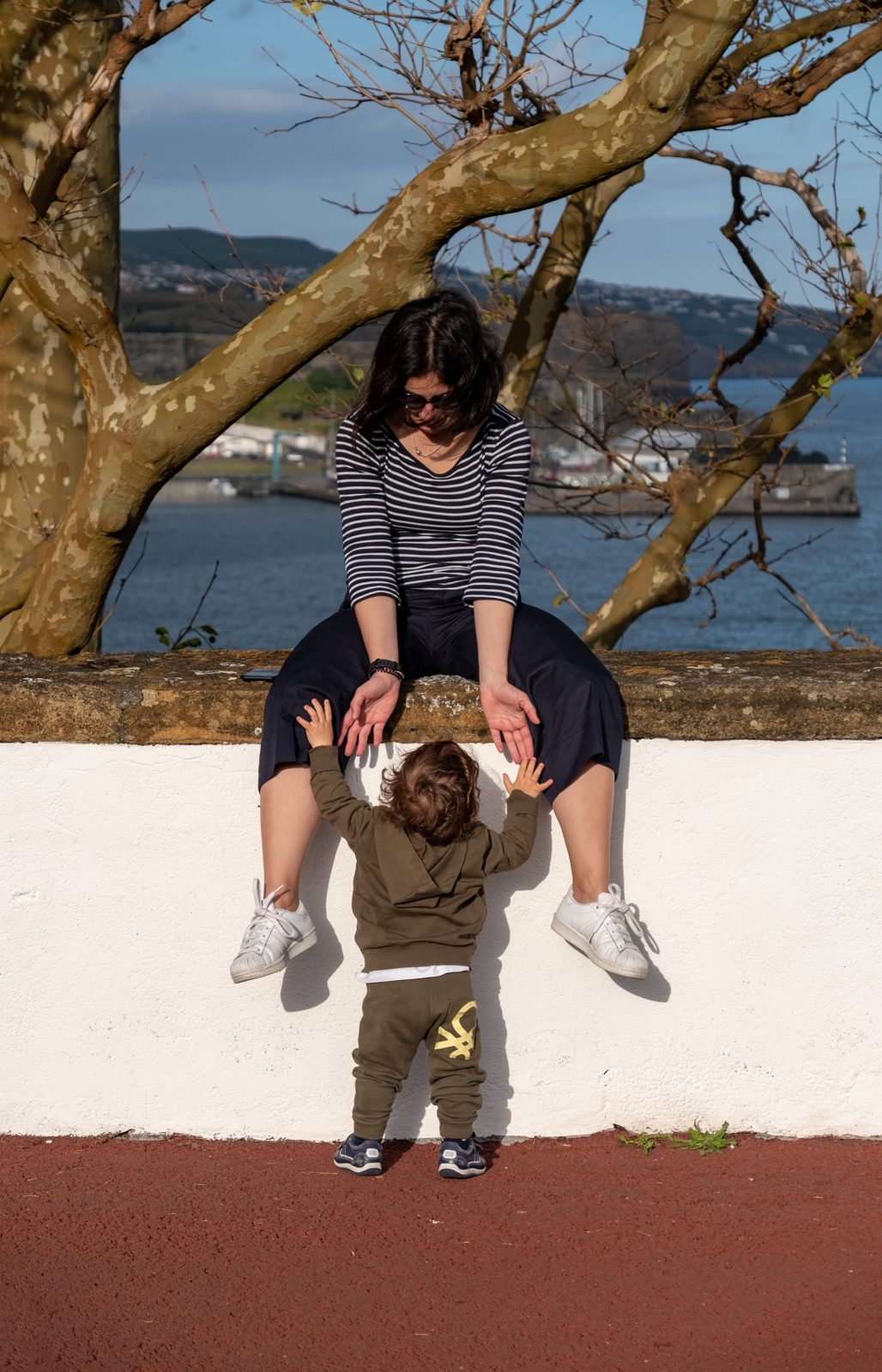
Treat running as a safety problem when it happens near roads, parking lots, water, or crowds. In those settings, prevention beats correction.
Keep the child in a stroller, use a wrist link or harness if you choose to, and hold hands at crossings. There is no shame in tools that keep a small child alive.
Watch for running paired with other concerns. If your child also does not respond to their name by 12 months, shows little eye contact, or seems unusually unaware of people, raise it at a checkup.
One behavior alone rarely means much. A pattern across several areas is worth a conversation with a pediatrician.
Also watch your own habits. If running reliably earns a chase, laughter, or a long negotiation, the child will keep running.
Make staying close more rewarding than bolting. Attention, games, and praise are powerful tools when they reward the behavior you want.
Toddlers who line up toys in careful rows and toddlers who run at full speed are both doing the same basic work: exploring order, control, and their own power in a big world.
What to remember on a hard day
Bad days will still happen. Your toddler will bolt in the store, and strangers will watch.
That moment is not a verdict on your parenting. It is a normal scene in the life of a small child with new legs and a new will.
Keep your response boring. Walk, do not sprint. Speak once, in a low voice.
Collect your child calmly. Save your energy for praise when the child comes back. The less dramatic your reaction, the less fun running becomes.
Build in outlets for running. A daily trip to a park or an open field gives your toddler a legal place to sprint.
A child who has already run hard is easier to keep close in a store. Movement is a need at this age, not a misbehavior.
Frequently asked questions
At what age do toddlers stop running away when called?
Most toddlers pass through the intense running phase by about two and a half, according to BabyCentre. Some children keep testing boundaries longer, especially in exciting places. Steady practice and calm limits help the phase fade.
Should I chase my toddler when they run?
Avoid turning it into a chase when it is safe to do so. A chase often reads as a game and encourages more running. Walk to your child calmly, pick the child up if needed, and praise coming back.
Does running away mean my toddler is defiant?
No. Running usually reflects curiosity, new mobility, and a growing sense of independence.
Toddlers do not yet understand danger or adult worry the way older children do. Defiance is an adult label for a developmental behavior.
How can I keep my toddler safe near roads?
Hold hands, use a stroller in busy areas, and state the rule before you leave the car: "Hold my hand until we are inside." If the child will not hold hands, the child rides in the stroller. Consistency matters more than any single warning.
The bottom line
Toddlers run when called because running is fun, independence is new, and your chase looks like a game. Short instructions, engaging jobs, calm retrieval, and praise for coming back work better than shouting. The phase usually fades by about two and a half, and safe outlets for running make the wait easier.
Tags: toddlers, toddler behavior, parenting, child safety
Latest in Parenting
- Why Babies Stare at Ceiling Fans and Lights: Vision Facts
- Why Babies Smile in Their Sleep: Reflexes, REM, and Meaning
- Why Toddlers Line Up Toys in Rows: Patterns, Play, and Meaning
- Why Toddlers Say No Even When They Mean Yes: Brain Facts
Subscribe for one practical parenting explainer in your inbox each week.
Related stories

Why babies cry more in the evening: the witching hour explained
The witching hour is the fussy evening stretch most newborns hit daily. Why overtiredness, cluster feeding, and overstimulation stack up

When Do Babies Start Sleeping Through the Night by Month?
Most babies sleep through the night between 3 and 6 months, with regressions at 4 and 8 to 10 months. See the month-by-month table

Why Your Baby Wakes Up the Second You Put Them Down
Newborns wake when put down as the startle reflex, light sleep, and lost warmth hit at once. It is normal and peaks early, fading