
Why Do Toddlers Suddenly Fear the Bath They Used to Love?
Key takeaways
- Sudden bath fear is a normal toddler phase, typically lasting 3 to 4 months at most, driven by a blooming imagination and growing awareness.
- Common triggers include fear of the drain, slippery tubs, shampoo in the eyes, and a single unpleasant moment like cold water.
- Gentle re-exposure works best: shallow water, play first, drain while the child is out, and never force a terrified child into the tub.
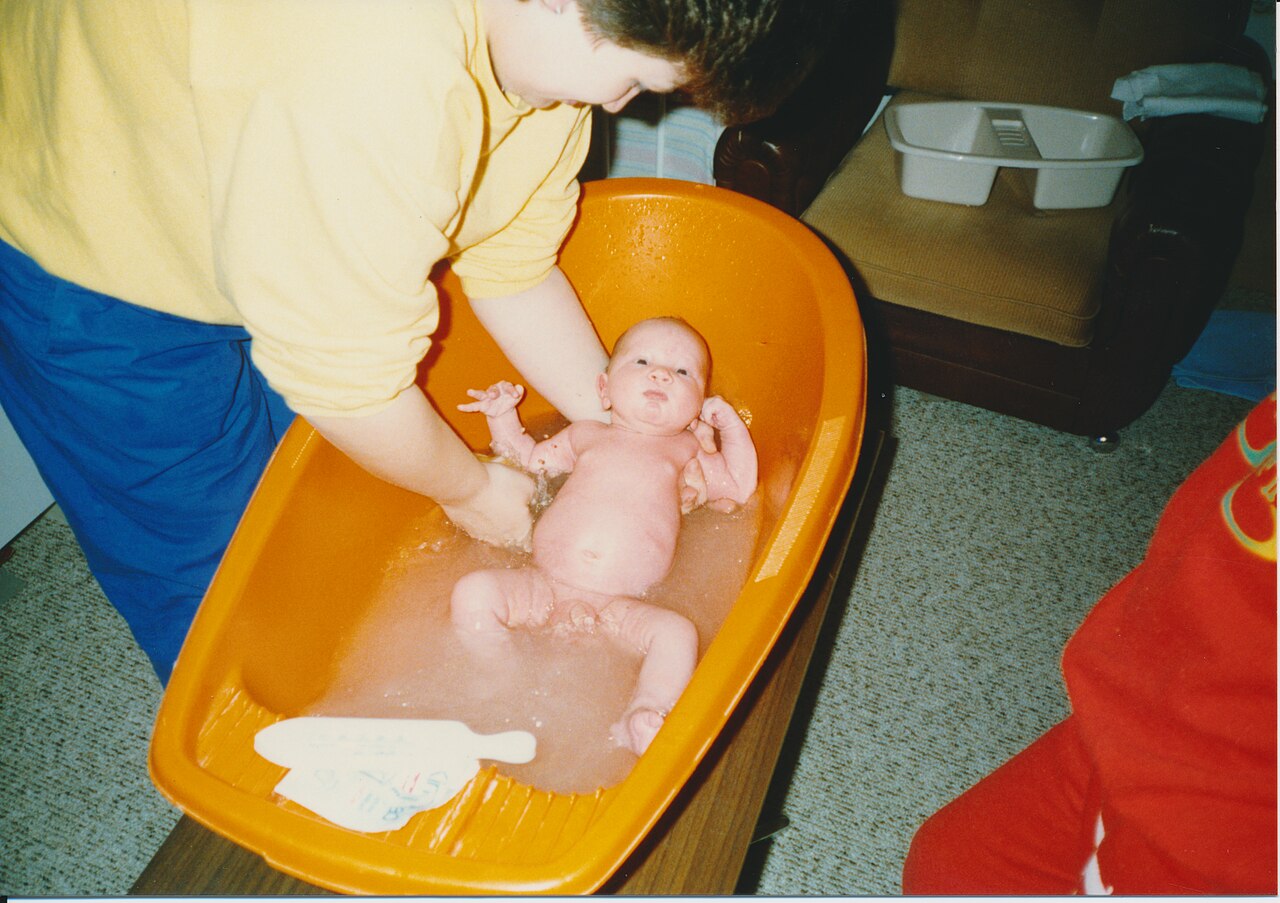
One evening, your toddler is happily splashing with their rubber duck. A week later, the word "bath" produces screaming, clinging, and tears that feel like they came out of nowhere. This is sudden bath fear, and it is one of the most common and most baffling behavior shifts in the toddler years.
Sudden bath fear usually appears between 18 and 36 months, exactly when a toddler's imagination takes off and their awareness of the world sharpens. What felt fun last month can feel threatening this month, even though nothing visible has changed. This article takes a closer look at why toddlers suddenly fear the bath they used to love, including the triggers behind the shift, how long the phase lasts, what helps, and when to look more closely at the fear.
Why a bath that felt safe starts to feel scary
Toddlers are in the middle of a huge developmental leap, and that leap rewires how they see ordinary things. A toddler's imagination is blooming, and they are only beginning to learn the difference between fantasy and reality. Because of this, everyday objects can take on frightening meanings.
As one parenting psychologist puts it, the drain might not just "take the water away" in a toddler's mind. It might grow larger, come alive, and be waiting to swallow them up too.
The awareness shift matters just as much. Toddlers start noticing details they ignored before: the water circling down the drain, the slippery floor of the tub, the bubbles hiding the bottom. They are aware of water going down the drain and fear they will get sucked in with it, according to reporting by FirstCry Parenting.
For a child who cannot yet reason through the fear, no amount of adult logic will fully register.
Control plays a part as well. Toddlers crave control over their world, and a bath strips it away: slippery surfaces, water of uncertain depth, being undressed and placed somewhere by someone else. The fear is often less about the water itself and more about feeling out of control in the tub.
The triggers behind sudden bath fear
Most sudden bath fears trace back to a handful of triggers, and knowing them helps you respond to the right one.
The drain and the plug. This is the classic trigger. A child sees water disappearing into the drain and imagines going with it. Chris Minogue, an experienced mothercraft nurse, told Babyology that children at this age see the world very differently from adults, and a plug can appear as a mysterious and potentially dangerous object. In one family she worked with, a two-and-a-half-year-old refused the bath entirely because she was afraid of the plug.
A single bad moment. Sometimes a child who loved baths becomes afraid after one unpleasant experience. Hot or cold water, shampoo stinging the eyes, a slip in the tub, or water splashed on the face can be enough. NPISTANBUL's children's psychiatry team, led by Asst. Assoc. Prof. Dr. Mine Elagoz Yuksel, notes that babies who get burned or chilled by too-hot or too-cold water, or who get shampoo in their eyes, may avoid baths afterward to prevent a repeat.
Sensory sensitivity. Some children are simply more sensitive to sensory input. Loud running water, the feeling of wet skin, or being touched more firmly than expected can bother a "sensitive" child. A child like this may never have fully loved the bath but tolerated it, and one new trigger tips the balance.
Bubbles hiding the bottom. Thick bubbles can unsettle a toddler who suddenly cannot see the bottom of the tub. What used to be fun becomes "what lies beneath," an unknown that sparks fear.
Big life changes. A new sibling, a move, a new caregiver, or a disrupted routine can surface as new fears, including bath fear. The anxiety finds a place to land, and the bath becomes it.
How long the phase lasts
The good news is that this phase passes. The parenting psychologist behind BabyShrink notes that this phase typically lasts about 3 to 4 months at most, and usually resolves much sooner once parents respond with patience and the right approach.
It helps to remember that the child's love of water is still there underneath. The same source describes it well: the temporary freak-out does not wash away a child's love of water, it just obscures it for a while as fears take center stage during rapid developmental growth. Parents who stay calm and creative often find the fear fades faster than they expected.
How to help your toddler feel safe again
Forcing a terrified child into the tub is not the answer. NPISTANBUL's experts are explicit: forcing is not the right approach and will increase the child's fear instead. The brain can store a forced bath as evidence that the bath really is dangerous, which reinforces the fear.
Here is what tends to work better.
Start outside the water. Let the child sit in the dry, empty tub while clothed or in a diaper. Let them play with bath toys on solid ground first. The sense of control this gives matters enormously to a toddler who feels out of control in the tub.
Keep water shallow at first. A few centimeters of water is enough. Add a non-slip mat so the surface feels solid. For some toddlers, placing a small baby tub inside the big tub makes the space feel less open and less scary.
Separate the drain from the child. If the drain is the trigger, take the child out of the tub before pulling the plug. Let them watch from a safe distance, or simply do it after they leave the bathroom.
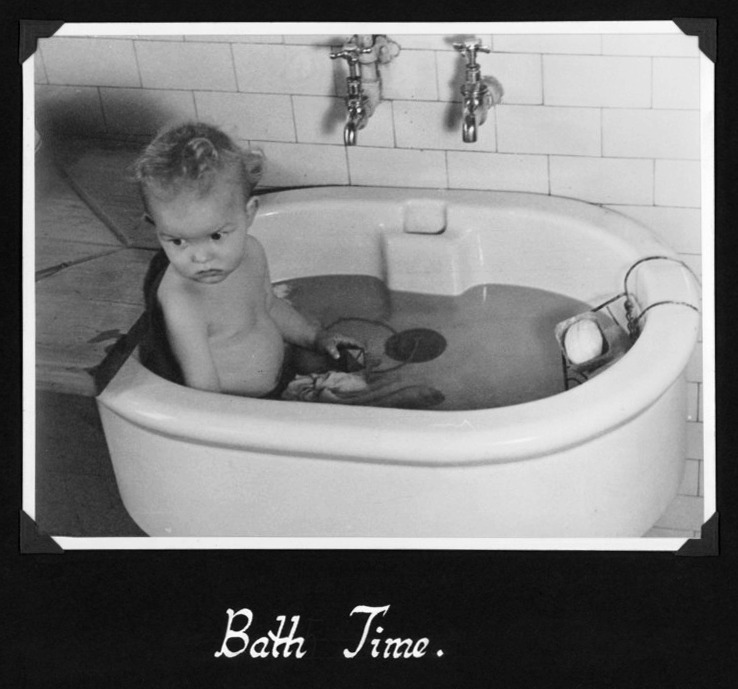
Make the bath playful again. Let the toddler wash a toy while you wash them. Keep special toys that only appear at bath time. Use a small song or ritual that stays the same every time, since rituals make the unknown predictable.
Give tiny choices. Let them choose the towel, pick a bath toy, or decide when the water starts. Tiny choices matter because fear often includes the feeling of having no control.
Model calm, not anxiety. Try to stay relaxed and cheerful rather than frustrated. Children read their parents' tension instantly, and displayed anxiety can intensify the child's fear.
Consider a different water setting. Many toddlers who hate the bathtub still love playing in water elsewhere, like a splash pad or a shallow outdoor basin. A change of environment can reset the association, and the child rediscovers water play on their own terms.
When the fear deserves a closer look
Most sudden bath fear is a passing phase. Still, it makes sense to look more closely in a few situations. If the fear persists for more than a few weeks despite gentle efforts, or if you notice regression in other areas such as eating or sleeping, talk to your pediatrician.
Intense, long-lasting fears can sometimes signal sensory processing differences or an experience that needs professional support.
A pediatrician can also rule out medical issues that make bathing uncomfortable, such as eczema flaring under hot water or ear infections worsened by splashing. These are medical checks, not diagnoses to make at home.
FAQ
Is it normal for a toddler to suddenly hate baths?
Yes. Many toddlers develop fears around 18 to 36 months as part of normal development. The phase is often linked to growing awareness and a vivid imagination, and it usually passes within a few months.
What is the fastest way to get a toddler back into the bath?
Go slowly. Let them play in the dry tub first, then add a little water on another day. Keep the mood playful, give them choices, and never force them in. Most children come around once the tub feels safe and familiar again.
Should I skip baths while my toddler is afraid?
Sponge baths and washcloth wipe-downs work fine for a few weeks while you rebuild trust. Cleanliness matters less than keeping bath time from becoming a battle. Most children return to the tub within a month or two.
Why is my toddler afraid of the bath drain?
Toddlers think in magical, literal ways. They see water disappearing into the drain and imagine being pulled in themselves. Removing the child from the tub before draining often solves this one on its own.
Can forcing a bath make the fear worse?
Yes. Forcing a frightened child into the water teaches the brain that the bath really is dangerous, which deepens the fear. Calm, repeated, small exposures rebuild trust far better than force.
The bottom line
A toddler who suddenly fears the bath they used to love is not being difficult. They are experiencing a normal developmental phase, usually peaking between 18 and 24 months and fading within 3 to 4 months, driven by imagination, new awareness, and sometimes one unpleasant memory.
The parent's job is to rebuild trust rather than demand compliance. Shallow water, dry-tub play, separating the drain, keeping bath time playful, and staying calm yourself are the moves that work. The love of water is still there.
It usually comes back on its own, often sooner than parents expect.
Latest in Parenting
- Why do babies grab your finger so tightly?
- Why do toddlers hide when they are upset?
- Why do toddlers refuse to wear a coat in winter?
Sign up for our newsletter for one practical parenting answer in your inbox each week.
Image Credits: Wikimedia Commons / Crounias, Flickr uploader, Willem van de Poll
Related stories
Why babies cry more in the evening: the witching hour explained
The witching hour is the fussy evening stretch most newborns hit daily. Why overtiredness, cluster feeding, and overstimulation stack up
When Do Babies Start Sleeping Through the Night by Month?
Most babies sleep through the night between 3 and 6 months, with regressions at 4 and 8 to 10 months. See the month-by-month table

Why Your Baby Wakes Up the Second You Put Them Down
Newborns wake when put down as the startle reflex, light sleep, and lost warmth hit at once. It is normal and peaks early, fading