
Why Do Dogs Have Wet Noses: Scent, Cooling, and Licking
Key takeaways
- Moisture traps scent particles so the nose can analyse them; dry noses capture far less.
- Special glands inside the nostrils make mucus, and constant licking spreads it over the snout.
- Evaporation from the nose also cools blood, giving dogs a small extra radiator.
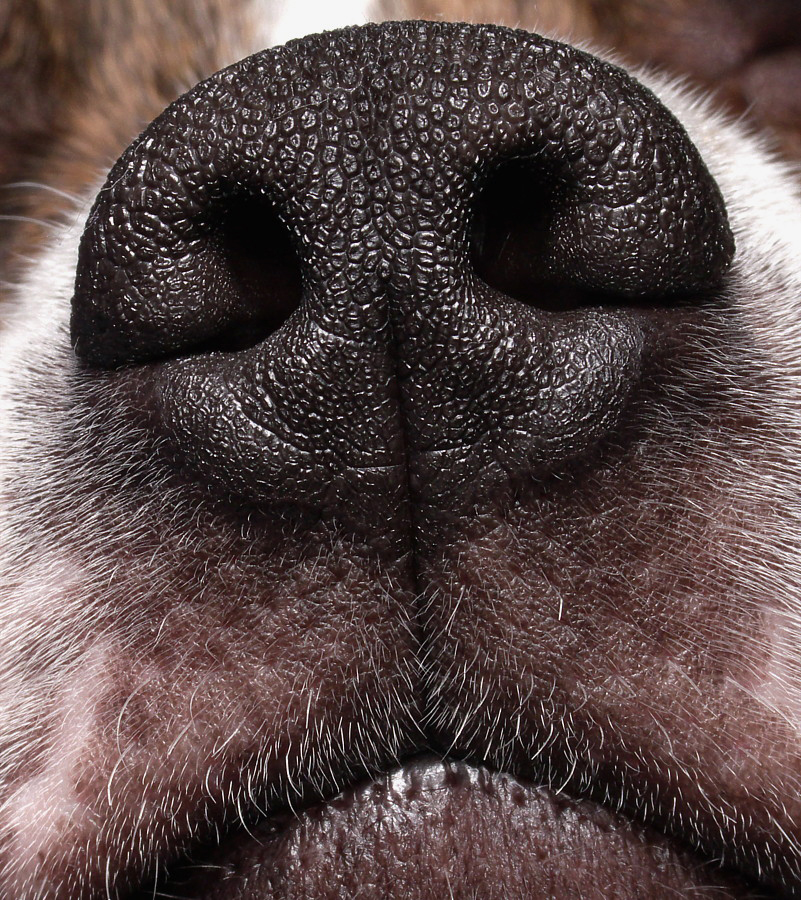
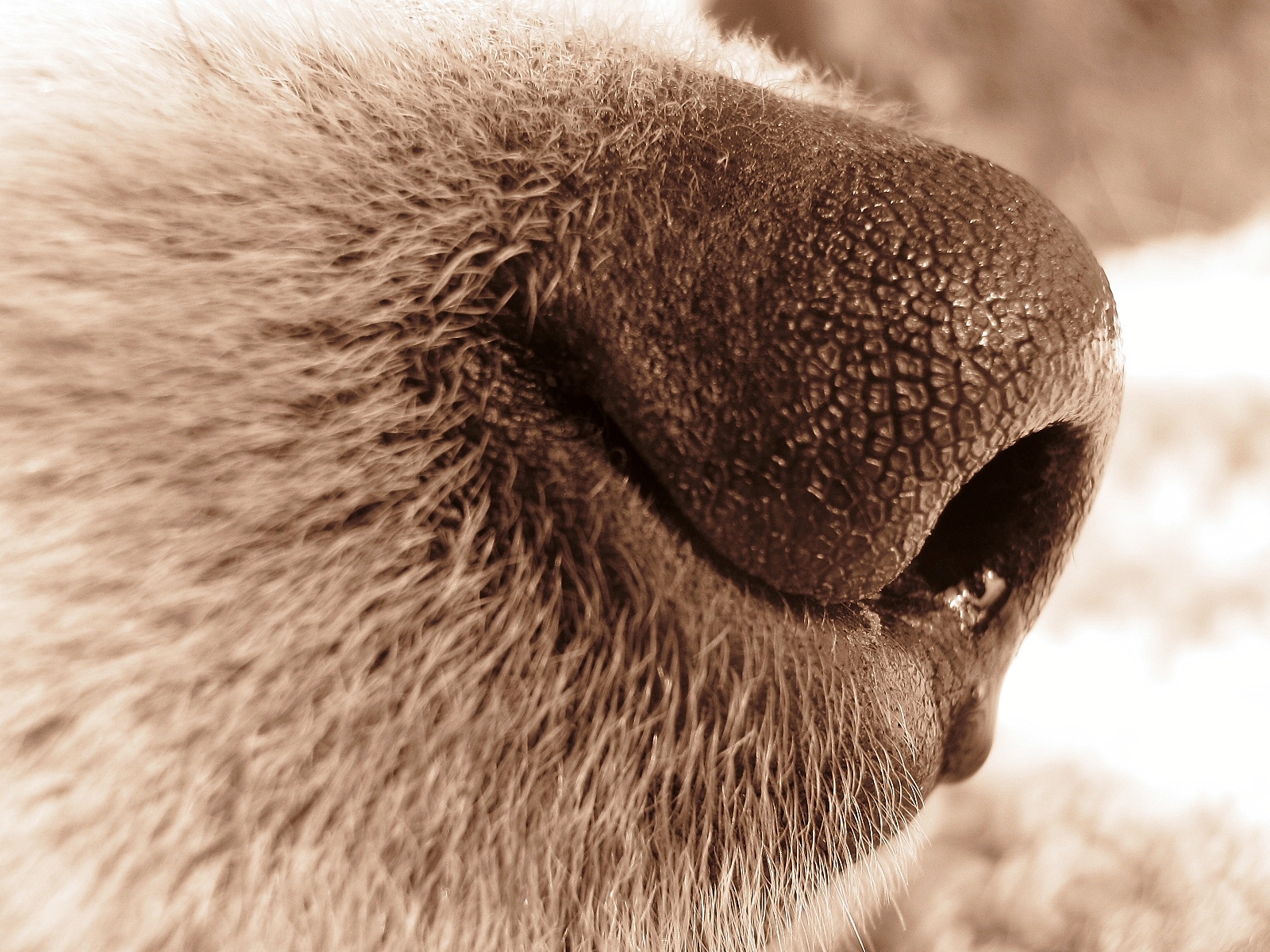
A dog's nose is wet because a dry nose would be a broken tool. Moisture is central to how dogs smell, and smell is central to how dogs live. The dampness comes from specialised glands, constant licking, and the environment, and it serves at least two jobs: catching scent molecules and shedding heat.
The old folk wisdom that a dry nose means a sick dog has no basis in fact. Noses cycle between wet and dry through the day. What follows is what the wetness actually does, and how the nose keeps itself damp.
Wet surfaces catch scent better
A dog's brain is built around smell. According to VCA Hospitals, dogs have more than 100 million sensory receptor sites in the nasal cavity, compared with 6 million in people, and the area of the canine brain devoted to analysing odours is about 40 times larger than the comparable part of the human brain. VCA estimates that dogs can smell 1,000 to 10,000 times better than people.
Wet noses work better than dry noses because scent particles stick better to damp surfaces. That sentence from VCA is the whole answer in miniature.
Airborne odour molecules land on the nose, dissolve in the moisture film, and reach the olfactory receptors inside the nasal cavity. A dry surface lets most of those molecules slide past unregistered.
The film is not just water. Special glands inside the nostrils produce a thin layer of mucus, and the inner lining of the nose contains glands that keep the nasal canals moist.
This mucus clings to the nostrils, enhancing the absorption of scent chemicals. Dissolved molecules bind to receptor proteins far more efficiently than gaseous ones, so the mucus layer acts as a concentration medium, holding odour molecules against the receptors long enough for binding to occur.
That is why tracking dogs press their noses to the ground and inhale deeply. They are maximising contact between surface odour molecules and their mucus-coated olfactory surfaces. Every sniff is a sampling operation, and the wet nose is the sample tray.
Licking: the nose's maintenance crew
Dogs keep their noses wet partly by licking. VCA notes that dogs have long tongues that easily reach the tip of the nose, even in long-nosed breeds like collies.
They lick to keep the nose clean, clearing food, pollen, and dust. They also lick to redistribute mucus from inside the nostrils across the outer nasal surface.
The licking does a second, subtler job. Scent-laden mucus picked up by the tongue gets carried to the roof of the mouth, where Jacobson's organ sits.
This secondary olfactory structure is designed specifically for chemical communication, particularly pheromones. Moisture is so important to the canine sense of smell that dogs instinctively lick their noses when they become dry.
There is an echo here of how dogs greet each other through rear-end sniffing: the same Jacobson's organ that reads the chemical ID card from another dog's glands gets its samples delivered by tongue. The wet nose is the front end of a two-stage detection system.
Dogs also pick up moisture from the environment. A working nose probes damp grass, leaves, and puddles, and each probe leaves the nose a little wetter. Naps dry the nose out, since a sleeping dog is neither licking nor sniffing, which is why a healthy dog can wake up with a dry nose and have a wet one an hour later.
The nose as a cooling device
Wet noses have a second advantage: they help keep a dog cool. Dogs cannot sweat across most of their body, because their skin lacks the eccrine sweat glands humans have over the trunk and limbs. They regulate temperature mainly through panting, which is evaporative cooling from the tongue, mouth, and upper respiratory tract.
The nose contributes its own share. The special mucus glands inside the nostrils also produce a clear, watery fluid that helps cool the dog as it evaporates.
The blood vessels near the nose's surface sit close to the skin, so evaporation cools the blood circulating through the snout. On hot days, owners may notice the nose getting wetter as the body recruits every available cooling surface.
VCA lists this alongside panting and heat loss through the foot pads as the dog's cooling toolkit. The nose is the smallest of the three, but on a hot afternoon every surface counts. Think of nose licking as a small personal cooling spray, deployed by tongue.
When a dry nose actually matters
A dry nose on its own is not a diagnosis. HowStuffWorks is blunt on this point: whether the nose is wet or dry is not a signal, one way or another, of good health. Wait a few hours and it will usually be wet again.
What does matter is the company the dryness keeps. A DVM-reviewed guide notes that a dry nose accompanied by cracking, discharge, crusting, colour change, or systemic signs such as lethargy, loss of appetite, or fever warrants a veterinary visit. Conditions like nasodigital hyperkeratosis, pemphigus foliaceus, and discoid lupus erythematosus can change the nose's surface, and those need professional care.
Normal noses vary. Some breeds run drier than others. Senior dogs may lick less often.
What owners should watch for is change: a nose that was always wet and is suddenly persistently dry and cracked, especially with other symptoms, deserves a vet's attention rather than a folk diagnosis.
This is the same principle as with foods that are dangerous for dogs and cats: the useful knowledge is specific and sourced, not the folk rule everyone repeats.
FAQ
Does a dry nose mean my dog is sick?
No. Dry noses are normal at times, especially after naps or in warm rooms. Illness is signalled by accompanying symptoms: discharge, cracking, lethargy, appetite loss, or fever.
Why does my dog lick its nose constantly?
Constant licking keeps the nose moist for smelling, cleans debris from the surface, and ferries scent molecules to Jacobson's organ in the roof of the mouth. It is maintenance, not a tic.
Can I put moisturiser on my dog's dry nose?
Check with a vet first. Some products are fine, but dogs lick their noses constantly, so anything applied there gets ingested. Persistent dryness with cracking deserves a professional look rather than a home remedy.
Do puppies have wet noses too?
Yes, once they are up and moving. Newborn puppies sleep most of the time, so their noses may often be dry. As they start exploring, the licking and sniffing cycle kicks in, just as their dreaming and twitching ramp up with brain development.
The bottom line
A dog's nose is wet because moisture is the working fluid of its most important sense. Gland secretions and constant licking keep the surface damp, the dampness traps and dissolves scent molecules for the nose's 100 million receptors, and evaporation off the snout adds a little cooling.
A dry nose at any given moment means almost nothing. A persistently changed nose with other symptoms means a vet visit.
Know which one you are looking at.
Latest in Pets
- Why do dogs bury bones and toys?
- Which human foods are dangerous for dogs and cats?
- Do dogs dream and have nightmares?
- Why do guinea pigs freeze when picked up?
Subscribe for weekly pet science explainers in plain English.
Image Credits: Wikimedia Commons
Related stories
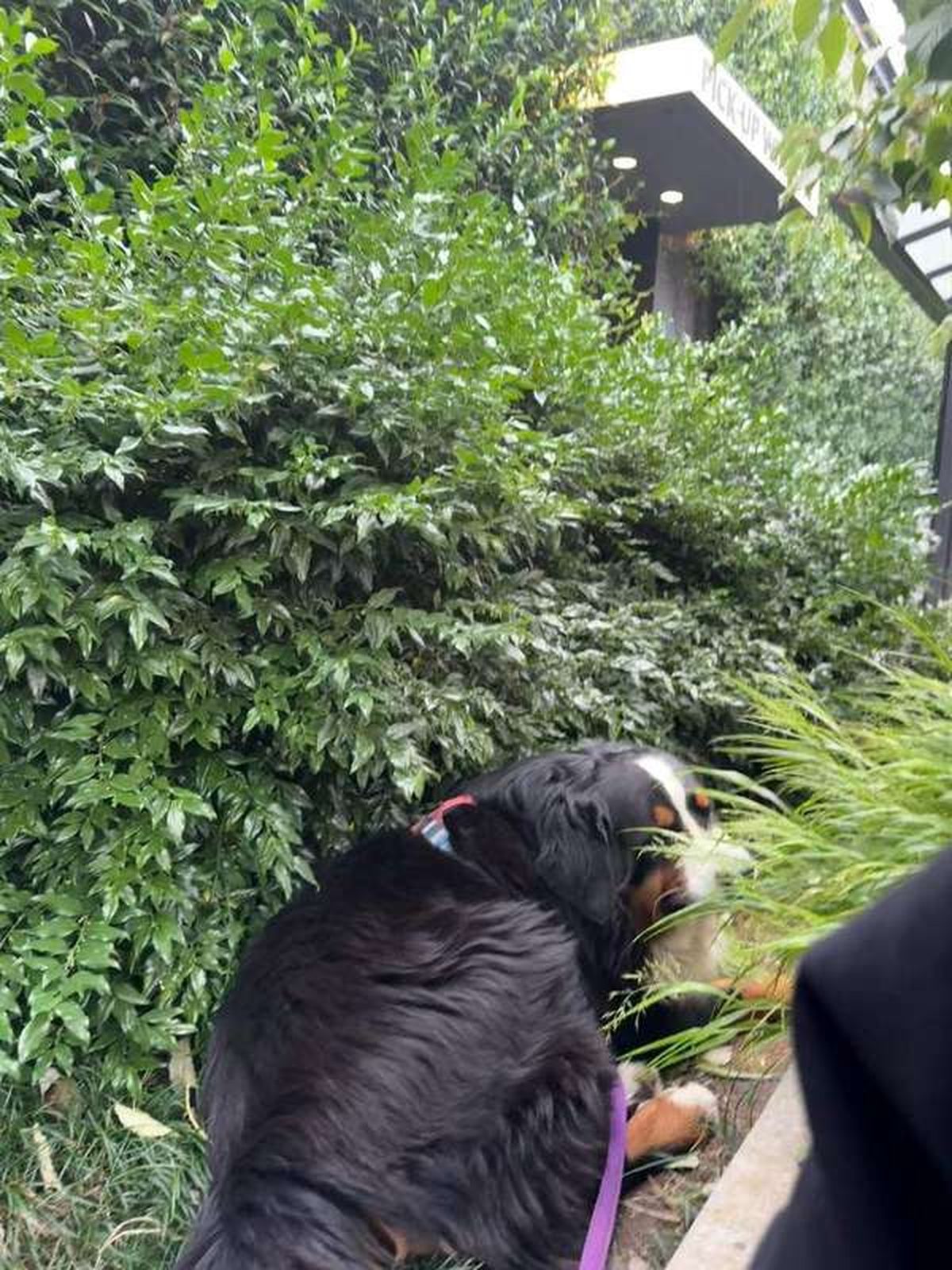
Why Does My Dog Eat Grass and Vomit?
A UC Davis study of 1,571 owners found grass eating is normal dog behavior, not self-medication: only 10% were ill first. What the science
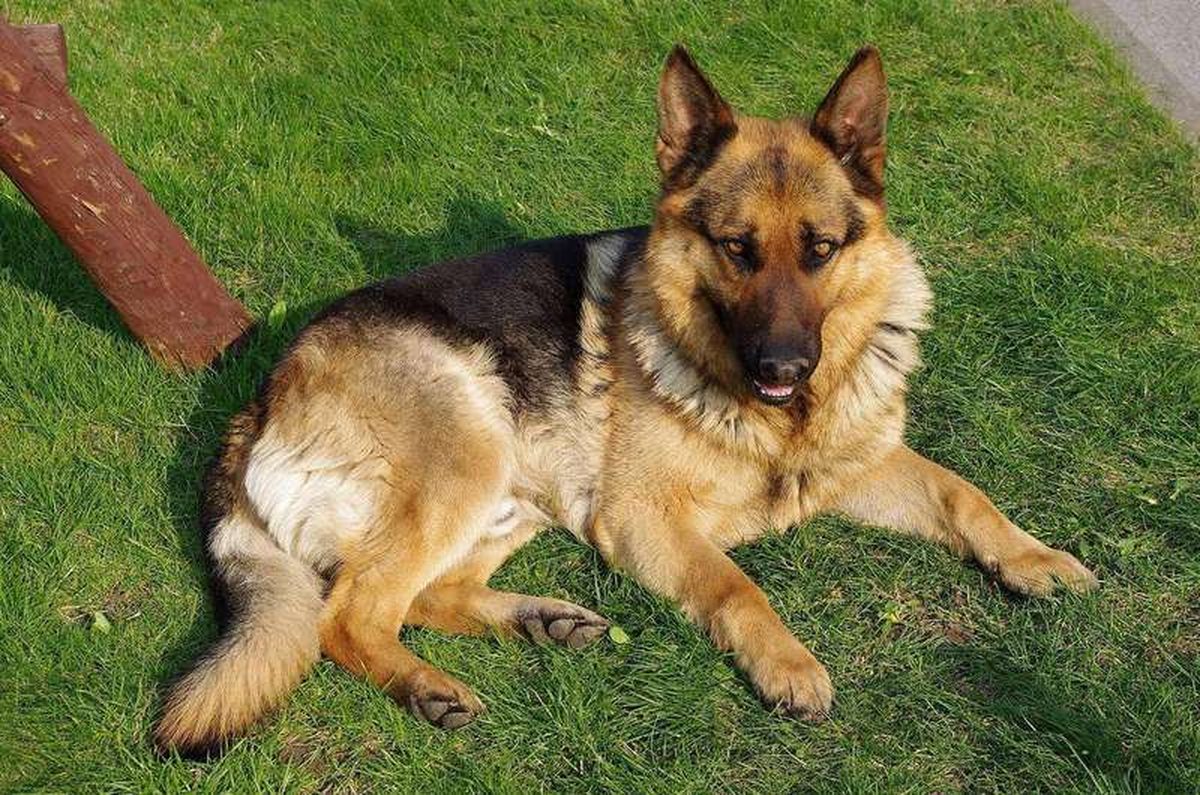
Why Does My Dog Stare at Me While I Eat?
Dogs stare at you while you eat because it has worked before, and mutual gaze raises bonding hormones. Learn the reinforcement science
Foods toxic to dogs: the list, with reasons
Chocolate, xylitol, grapes, onions: common foods can harm dogs. Learn what makes each one toxic, the warning signs, and what to do if your