
How to stop a dog from pulling on the leash: trainer methods
Key takeaways
- Dogs pull because pulling works: it gets them to the interesting smell faster, so every walk has been training the behavior.
- The fix both the RSPCA and the AKC teach is the same: stop the moment the leash tightens, wait for slack, then reward and continue.
- Most dogs show big improvement within 2 to 4 weeks of consistent practice, provided everyone who walks the dog follows the same rules.
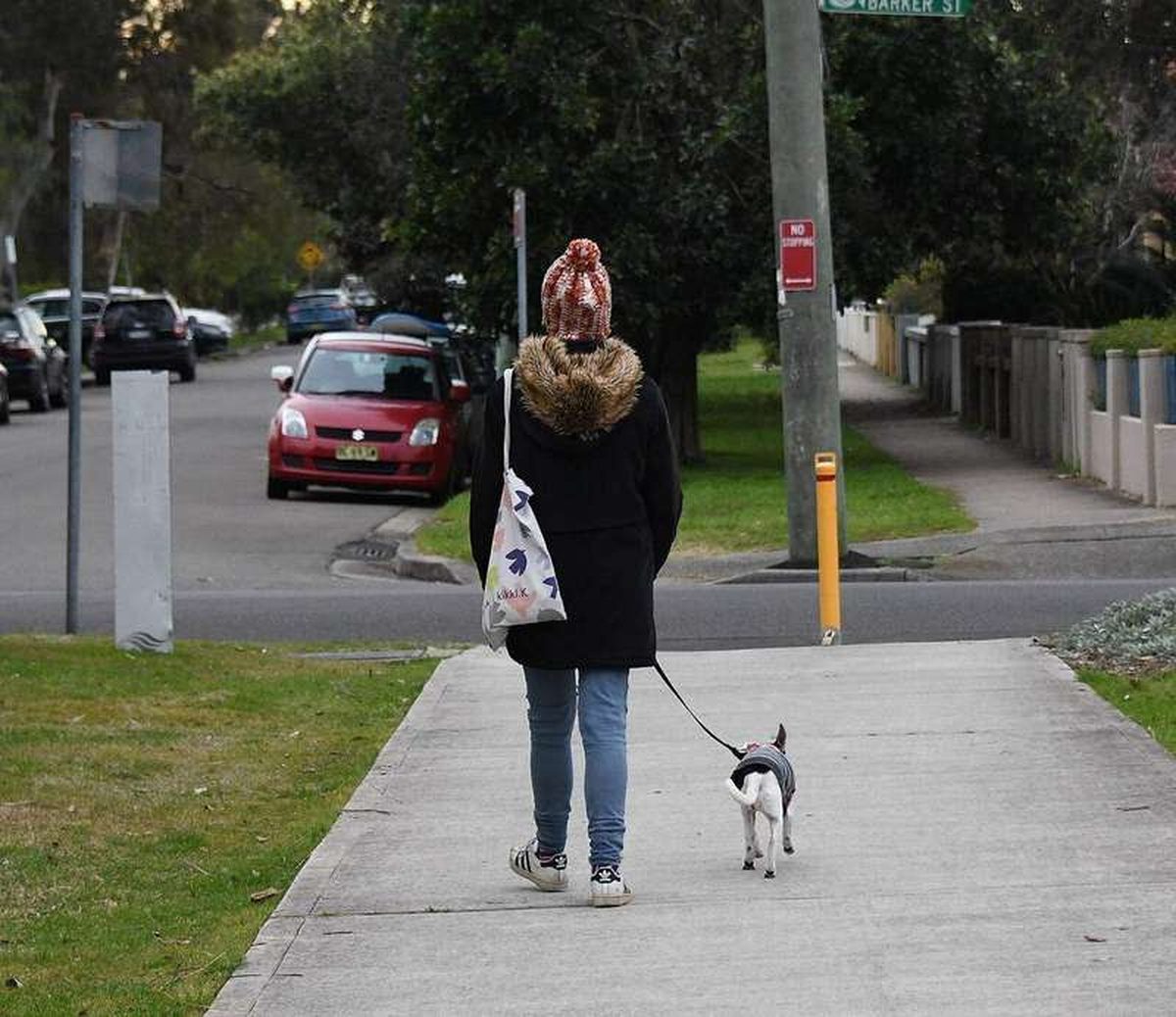
A dog that pulls on the leash is not being stubborn. Pulling is simply the most successful strategy the dog has ever learned: lean forward, and the walk continues toward the good smells. Every walk where pulling worked made the next pull more likely.
Stopping it means changing the rules so that pulling never pays and slack always does. This article explains how to stop a dog from pulling on the leash, including why dogs pull in the first place, the core method, training around distractions, and the gear and pace choices that help.
Why dogs pull in the first place
Dogs pull for a short list of reasons: poor training, over-excitement, and the simple fact of wanting to get somewhere faster than their human walks. The common thread is reward. If pulling sometimes gets the dog to the tree, the dog has a reason to keep trying, as the AKC's training guide explains.
This is also why yanking back does not work as a strategy. A leash correction might interrupt one pull, but the walk still moves forward afterward, so the dog learns that pulling plus a yank still equals progress.
The only message that sticks is a mechanical one: tight leash, no forward motion. Slack leash, the world opens up.
Dogs also struggle to generalize, which surprises many owners. A dog that walks politely in the kitchen may pull like a sled dog at the park, because to the dog those are different settings. Practice has to happen where the pulling happens, not just where it is easy.
The core method: stop means stop
The RSPCA's loose-lead protocol starts with stillness. Stand still and quiet, and allow your dog the full length of the lead.
Stay still and quiet while the dog ignores you, but the split second they pay attention to you, praise them and give them a treat. Then move off, using your voice and treats to encourage them to stay close.
If the dog starts moving too far away, stop before the lead goes tight. Stay still and quiet until they pay attention to you again, then reward them and move off. The charity recommends practicing this on short, regular walks rather than saving it for the big weekend hike.
The AKC teaches the same mechanics with a useful visual. Wait for a slack leash, hanging in a J-shape, and for the dog to turn their attention back to you before moving.
It might take a while at first. You may stop and start every step or two, but the dog will soon figure out that pulling makes the walk stop and walking politely allows it to continue.
Two details make or break this. First, never yank the dog backward; simply stop and wait for reduced tension or a glance your way, then praise and reward at your side.
Second, expect the first sessions to feel painfully slow. A distance that normally takes thirty seconds might take several minutes. That slowness is the training working, not failing.
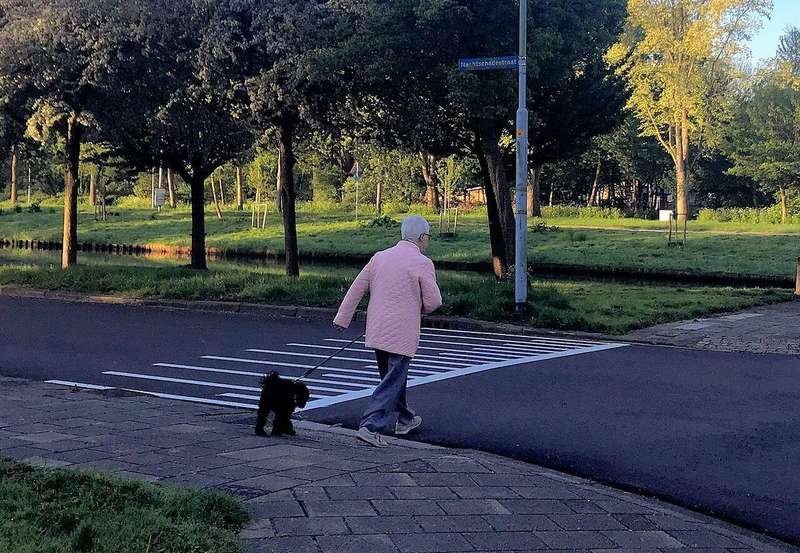
Training around distractions
Real walks have squirrels, other dogs, and fascinating trash. The RSPCA's distraction drill prepares for exactly that. Place something the dog really wants, like a toy, on the floor.
If the dog pulls on the lead toward it, stop and call them back toward you. Their reward for walking on a loose lead is getting to the toy. This way, the dog learns that pulling just slows things down.
The AKC extends the same idea into "life rewards" on real walks. If the dog walks 10 feet without pulling, release them to sniff for a few minutes.
Sniffing is one of the most enriching parts of a walk for a dog, so using it as the paycheck for polite walking is powerful. The rule becomes: loose leash equals access to interesting things.
Directional changes add another layer for dogs that forge ahead on autopilot. When the dog pulls, calmly turn and walk the other way.
This keeps the dog's attention on where you are instead of where they assume you are going. It feels odd the first few times, then becomes a natural part of the walk.
One more AKC tip that beginners overlook: walk at a good pace. Humans usually stroll far more slowly than dogs want to move, and part of the pulling is just a dog trying to get moving.
A brisker pace during training makes it easier for the dog to succeed. For more on reading your dog, see why dogs tilt their heads when you talk, and check foods toxic to dogs before using food rewards on walks.
Gear and pace that help
Equipment does not replace training, but the right setup removes friction. A front-clip harness, where the leash attaches at the chest, gently turns the dog toward you when they pull and gives more control than a back-clip harness or flat collar.
A head halter works similarly for strong pullers. Neither trains the dog by itself; both make the stop-and-reward method easier to execute.
Keep early training walks short. A tired, overstimulated dog cannot learn, and a frustrated owner cannot teach.
Ten focused minutes beat forty minutes of mutual annoyance. Train in low-distraction areas first, like a quiet street, before graduating to the park at squirrel o'clock.
Pace matters as much as gear. Match a speed that is comfortable for both of you during training sessions rather than your usual amble. You can teach the dog to match your speed later; while the new rules are sinking in, make success easy.
How long does it take to stop leash pulling?
With dedicated practice, most dogs show big improvement within 2 to 4 weeks of consistent work, according to Paw Realm's training guide. Dogs with months or years of rehearsed pulling take longer, because you are replacing a well-practiced habit.
Will a front-clip harness fix pulling on its own?
No, but it helps. A front-hook harness or head halter gives more control and gently discourages pulling, which makes the training method easier to execute. The behavior change still comes from the stop-and-reward protocol.
Does everyone walking the dog need to follow the same rules?
Yes. Consistency is the single most important success factor: if one person stops for pulling and another lets the dog drag them to the park, the dog gets mixed messages and the training stalls. Every walker follows the same protocol.
The bottom line
Pulling stops when it stops working. Halt every time the leash tightens, wait for slack and attention, reward at your side, and let sniffing and forward motion be the paycheck for polite walking. The RSPCA and the AKC teach the same mechanics because the mechanics are what the dog understands.
Start with short, boring walks this week and give it a month of consistency. Most dogs figure out the new rules far faster than their owners expect.
---
Tags: Dog training, Leash pulling, Loose leash walking, Puppy training
Rive News's research desk covers travel, money, and everyday science with sourced explainers. No PR, no sponsored placements.
Latest in Pets
- Why Does My Dog Stare at Me While I Eat?
- Foods toxic to dogs: the list, with reasons
- Why Do Dogs Tilt Their Heads When You Talk?
Subscribe for one sourced explainer every morning.
Rive News (c) 2026. Corrections: reply to any article and we fix verified errors within 48 hours.
Related stories

Why Does My Dog Eat Grass and Vomit?
A UC Davis study of 1,571 owners found grass eating is normal dog behavior, not self-medication: only 10% were ill first. What the science

Why Does My Dog Stare at Me While I Eat?
Dogs stare at you while you eat because it has worked before, and mutual gaze raises bonding hormones. Learn the reinforcement science

Foods toxic to dogs: the list, with reasons
Chocolate, xylitol, grapes, onions: common foods can harm dogs. Learn what makes each one toxic, the warning signs, and what to do if your