
Artemis III: NASA says astronauts on track for summer 2027 mission
Web StoryWatch this story in 15 seconds →Key takeaways
- NASA says the four Artemis III astronauts are on track to launch in summer 2027.
- The 14-day mission stays in Earth orbit. It will not land on the Moon.
- The crew will dock with test landers built by SpaceX and Blue Origin.
- The mission is the final big test before a crewed Moon landing in 2028.
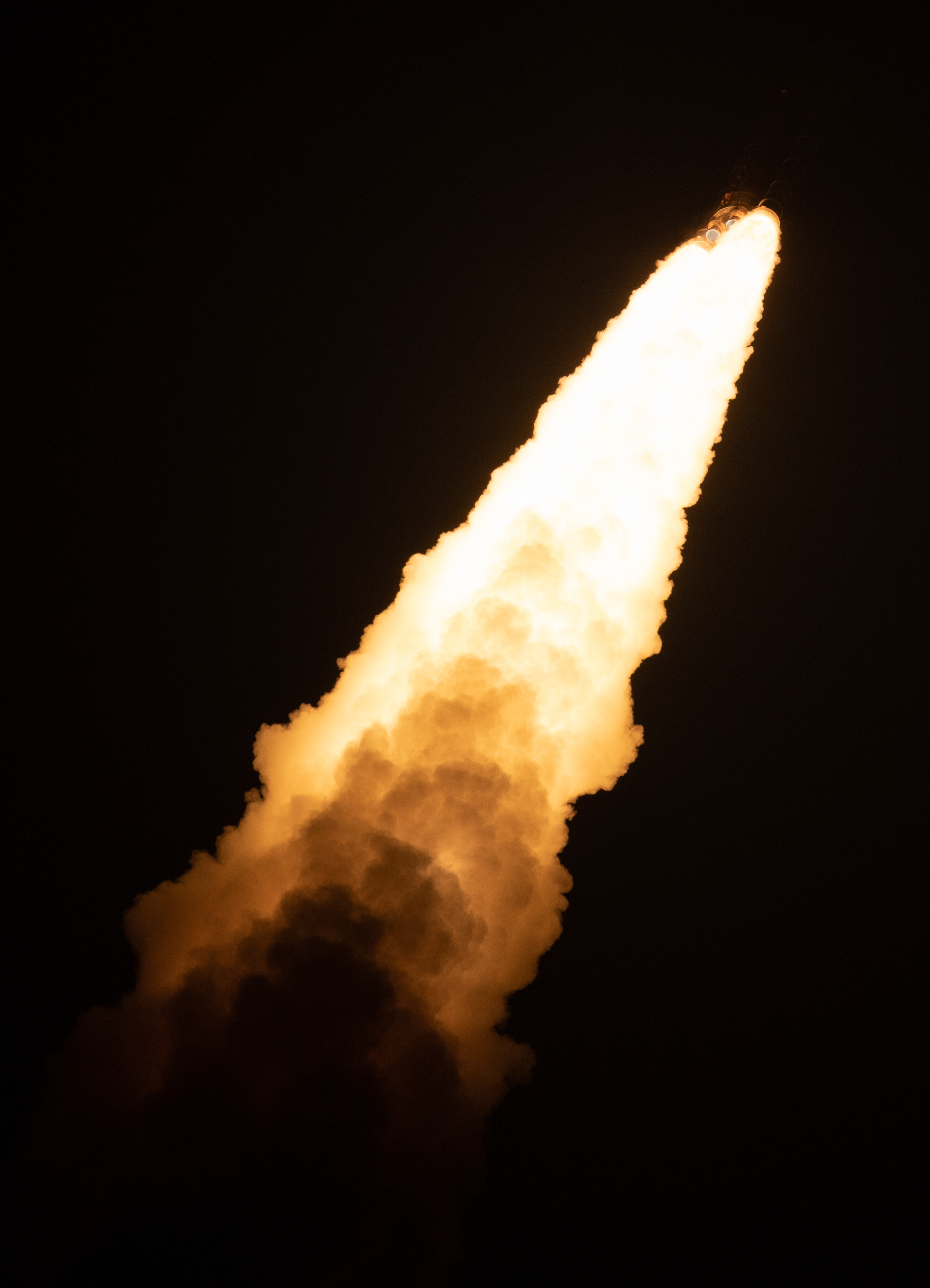
NASA says its next big Moon mission is on schedule. Four astronauts will launch in the summer of 2027. They will fly to Earth orbit, not to the Moon.
There they will test the landers that will one day carry people down. NASA announced the update on Friday afternoon. Administrator Jared Isaacman spoke at the Kennedy Space Center in Florida.
What happened
NASA confirmed the Artemis III timeline on October 23. The four astronauts remain on track for a summer 2027 launch. They will lift off from the Kennedy Space Center.
They will ride NASA's Space Launch System rocket. Their capsule is called Orion.
The mission lasts 14 days. The crew stays in low-Earth orbit. Low-Earth orbit means close to Earth, a few hundred miles up.
That is far lower than the Moon, which sits about 240,000 miles away.
The crew will meet two test landers in orbit. One comes from Blue Origin. It is called Blue Moon.
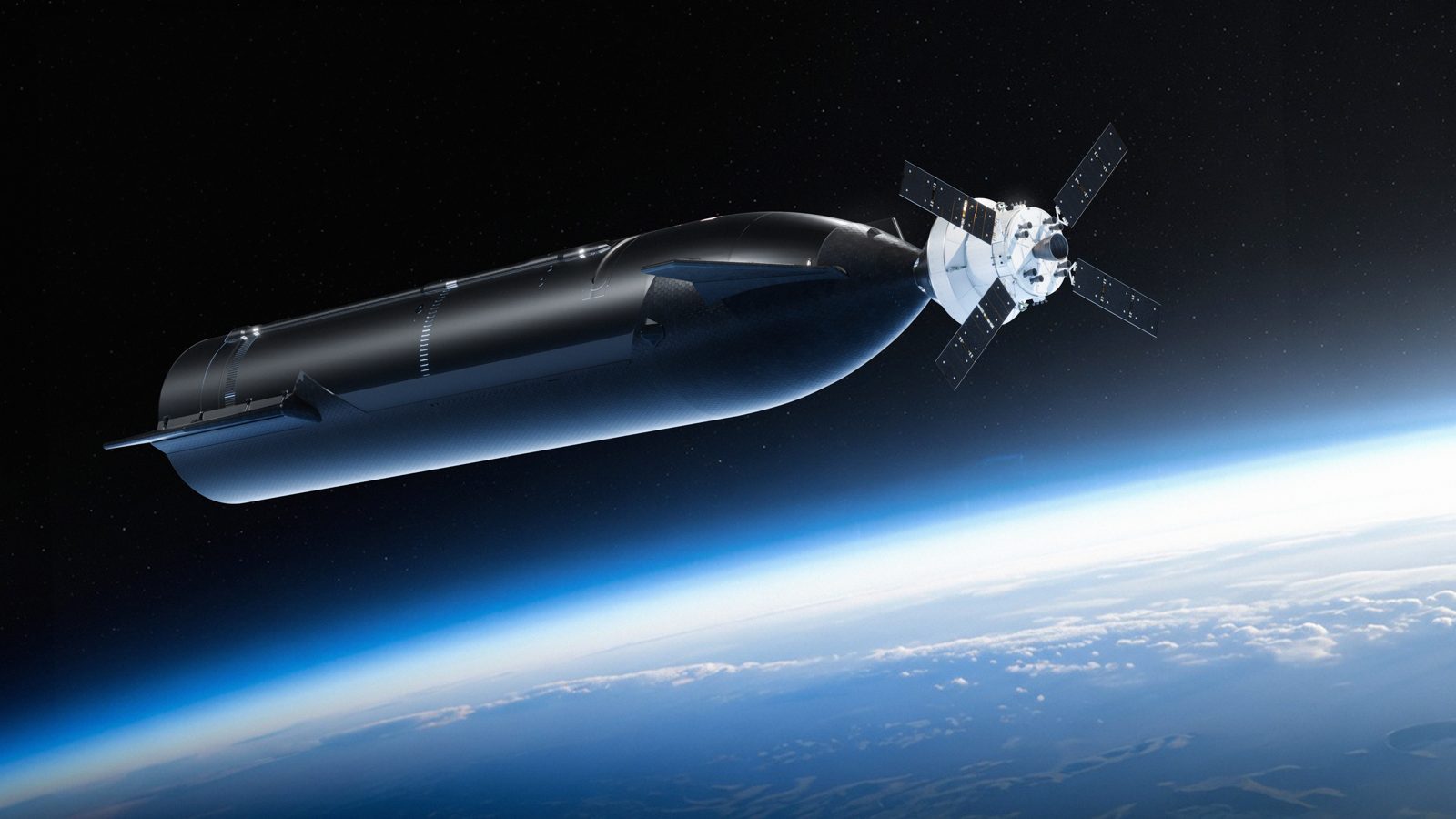
The other comes from SpaceX. It is called Starship. The astronauts will dock with each lander in turn.
Docking means joining two spacecraft together in space. They will test the landers' systems while in orbit.
The mission unfolds in a fixed order. First, Blue Origin launches a Blue Moon test lander. Next, NASA launches the crew on the Space Launch System.
The crew's Orion capsule meets the Blue Moon and docks with it. Then SpaceX launches a Starship test lander. Orion undocks from Blue Moon.
It docks with Starship instead.
Three of the world's most powerful rockets take part. NASA's Space Launch System carries the crew. Blue Origin's New Glenn carries the Blue Moon lander.
SpaceX's Starship is the second test lander. Each rocket plays a separate role.
This is a major change from the old plan. Artemis III was once meant to land astronauts on the Moon in 2027. NASA scrapped that idea in February 2026.
The landers were not ready in time. Now the mission tests them in orbit first. The first crewed landing moved to Artemis IV in 2028.
Why it matters
The Moon landing race is real. China is also working to send people to the Moon. NASA wants American boots back on the surface soon.
The last crew to visit the Moon flew in 1972. That was the Apollo program. No human has been there since.
Artemis III is the dress rehearsal. If the landers work in orbit, Artemis IV can go further. Artemis IV is planned for early 2028.
It aims to land two astronauts on the lunar surface. A second landing could follow later that year.
The test is not simple. Blue Origin's Blue Moon Mark 2 stands about 52 feet tall. That is about 16 meters.
It uses three BE-7 engines. For Artemis III, it will carry a crew cabin. Astronauts will enter the lander in orbit.
They will test its interior in weightlessness.
SpaceX takes a different path. Its test Starship will not have a finished crew cabin. It will carry a docking system instead.
It will join with Orion in orbit. SpaceX faces a bigger technical hurdle. Starship must refuel in orbit to reach the Moon.
A single Starship cannot carry enough fuel alone. Tanker versions must deliver fuel to a depot in space. Then the Moon-bound Starship fills up before leaving.
Both companies must prove their landers are safe. NASA will watch the tests closely. It will only pick a lander for Artemis IV after the data checks out.
The choice is not made yet. The agency has not declared a winner between the two designs.
The schedule is tight either way. Blue Origin's smaller robotic lander should fly in early 2027. Its bigger MK2 lander aims for an uncrewed Moon test in early 2028.
SpaceX targets an uncrewed Starship Moon landing in late 2027. The Moon keeps a strict schedule of its own. Still, we only ever see one side of it.
What happens next
Artemis III needs several milestones first. The Orion capsule must pass its tanking test this year. Engineers joined its crew and service modules on July 31.
That work happened at the Kennedy Space Center.
SpaceX must keep flying Starship test flights. It still needs to prove orbital refueling. It also needs to recover a Starship upper stage.
Both are firsts for the company.
Blue Origin must return New Glenn to flight. A May incident damaged Launch Complex 36. NASA hoped for a return in late 2026.
Reports suggest it could slip to early 2027. The company also keeps testing its BE-7 engines.
The good news came from the last mission. Artemis II flew in April with four astronauts. The crew swung around the far side of the Moon and returned.
They traveled 252,756 miles from Earth. That set a new record for the farthest humans have gone. The crew was Reid Wiseman, Victor Glover, and Christina Koch.
Jeremy Hansen of the Canadian Space Agency joined them.
Last week brought more good news. NASA said the Orion heat shield worked as expected. It showed far fewer cracks than on Artemis I.
The heat shield protects the crew during re-entry. Re-entry is the fiery fall back through Earth's air.
If the summer 2027 date holds, the world gets a clear signal. The Moon program is moving again. The October Hunter's Moon will look the same.
But the plan to visit it will be back on track.
By 2028, the stakes rise higher. Artemis IV aims to put astronauts on the lunar surface. That would be the first landing in over 50 years.
Artemis III is the step that makes it possible. The crew will not touch the Moon this time. Their work in orbit decides who does next.
Related stories

Why diamond is hard and graphite is soft when both are carbon
Diamond and graphite are both pure carbon, yet diamond is 10 on the Mohs scale and graphite is 1 to 2. The difference is not the atoms;

Why Hot Water Can Freeze Faster Than Cold: The Mpemba Effect Explained
Hot water can freeze faster than cold under specific conditions. The Mpemba effect, named for a 1963 schoolboy experiment, still divides

How Magnets Work at the Atomic Level: Spins, Domains, and Iron
Magnetism comes from electrons: their spin and orbits make each atom a tiny magnet. In iron, quantum forces align these atomic magnets into