
Northern lights lit up UK skies on Halloween night: what to know
Web StoryWatch this story in 15 seconds →Key takeaways
- The northern lights appeared over UK skies on Halloween night, October 31, with bright green displays over Scotland and Northern Ireland.
- Fast solar wind from a dark patch on the Sun caused the display, according to the Met Office.
- A strong repeat tonight is unlikely for most of the UK, but far north Scotland still has a small chance.
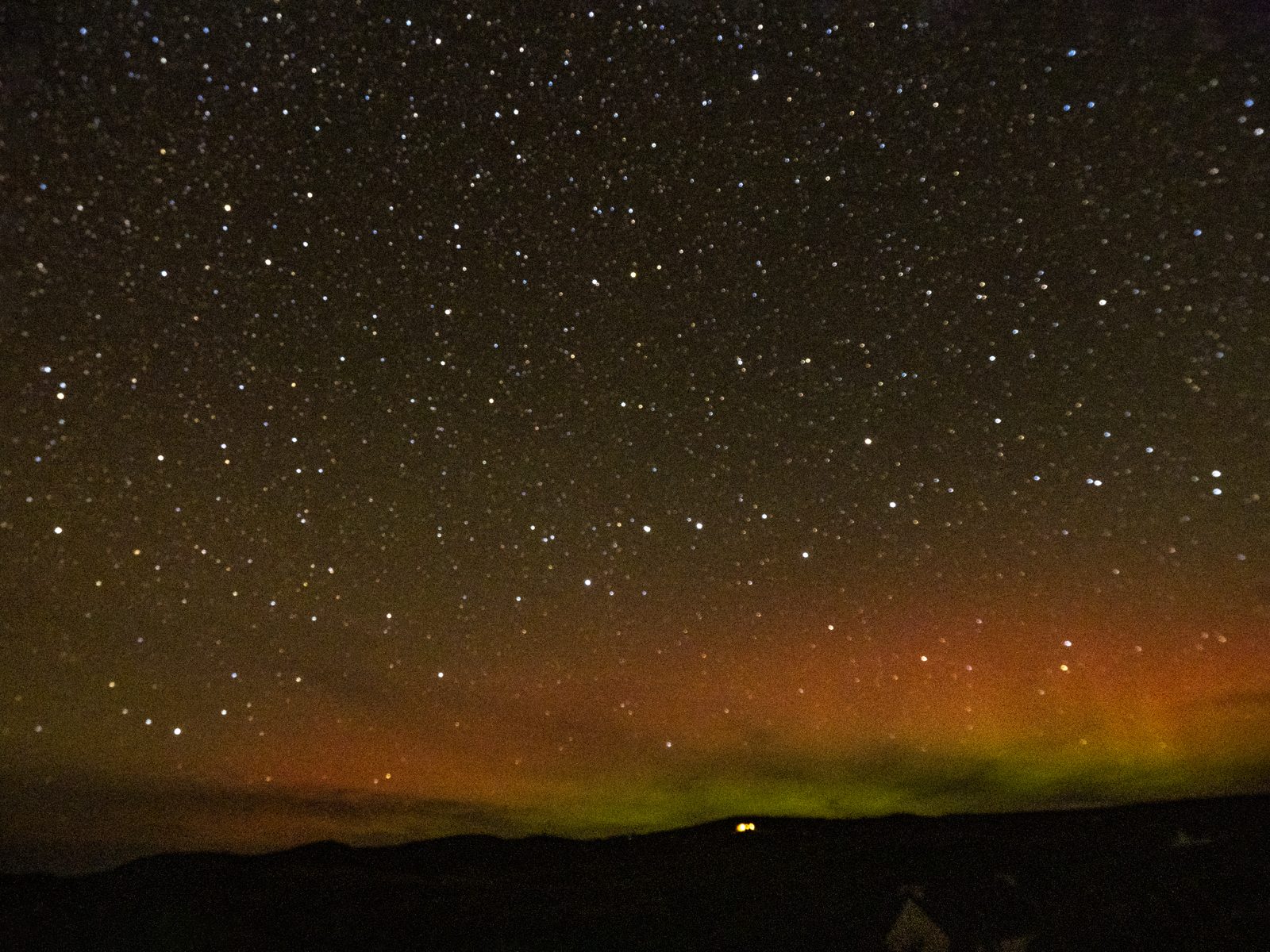
The northern lights lit up the UK sky on Halloween night Skywatchers saw bright green light over Scotland and Northern Ireland
If you missed it, here is what happened We also cover what may come next
What happened
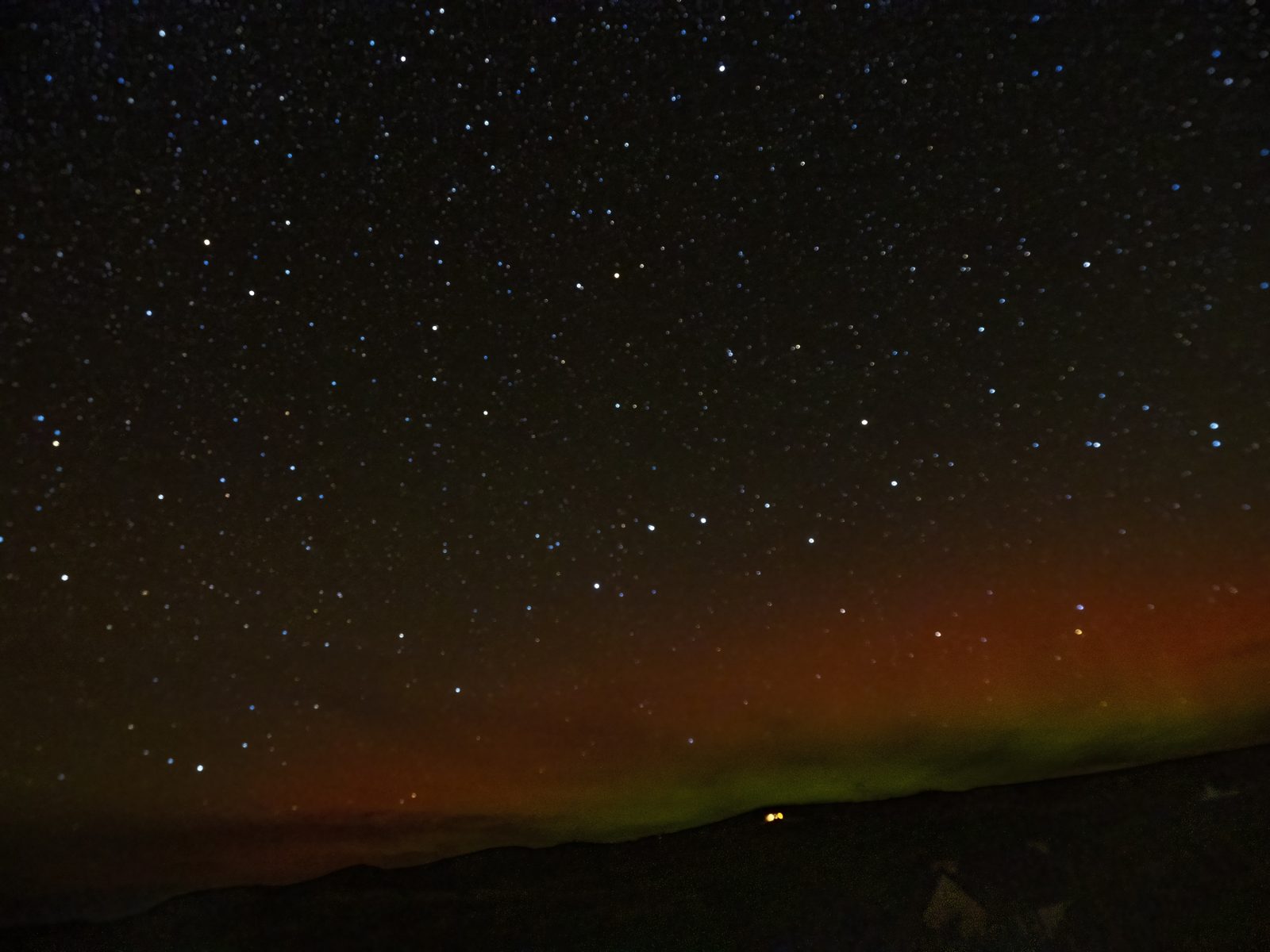
On the night of October 31, the aurora spread across northern UK skies People in northern Scotland reported a bright green glow
Some places saw other colors too The display came and went as clouds cleared
Skywatchers in Nairn, a town in the Scottish Highlands, reported the bright green light Parts of Scotland and Northern Ireland saw colorful displays when the sky cleared
Energy Radio reported this Photos and reports spread online through the night Search interest for "northern lights" and "aurora borealis" rose sharply in the UK
The cause was fast solar wind The solar wind is a stream of tiny particles
It flows out from the Sun all the time This time, the wind came from a coronal hole
A coronal hole is a dark patch on the Sun The wind escapes there at high speed When this fast wind hit Earth, it pushed the aurora further south than usual
The Met Office said there were no Earth-directed coronal mass ejections at the time A coronal mass ejection is a large burst of material from the Sun
Those bursts can cause very strong auroras This Halloween display came from the fast wind alone, not from a burst
It was not the first big aurora this year In recent years, they were photographed as far south as Kent and Surrey
But it is still rare to see them from the UK That is why Halloween night drew so much attention
Why it matters
The UK sits at a good spot for rare aurora sightings The northern lights are common near the North Pole
Iceland and northern Norway see them often In southern Britain, they appear only during strong solar activity A night like Halloween is a reminder that the Sun is very active right now
The Sun goes through an activity cycle of about 11 years Near the peak of the cycle, fast solar wind and solar storms happen more often That means more chances for UK auroras
It also means scientists watch the Sun more closely Big solar storms can affect power lines and satellites The aurora is the pretty side of the same space weather
For skywatchers, nights like this are a lesson in timing The aurora is hard to predict more than a few days ahead
Clear skies matter as much as solar activity On Halloween night, some lucky people got both
They had strong solar wind and breaks in the clouds Others saw nothing because of cloud cover Weather is often the biggest problem for aurora hunters in the UK
What happens next
Short answer: tonight is probably not your night After the Halloween weekend displays, solar activity is dropping The Met Office said activity would become less intense from Monday night
Forecasters expect quiet to unsettled conditions on Monday Tuesday looks mostly quiet That means no strong aurora further south tonight
There is still a small chance in far north Scotland Northern Scotland always has the best odds in the UK
Northern Ireland and northern England come next London and the south need a very strong storm
In London, you usually need a Kp index of 6 to 7 or more Kp measures how strongly Earth's magnetic field is disturbed The scale runs from 0 to 9. Higher numbers mean the aurora spreads further south
The Halloween display followed a quiet week The full Hunter's Moon on October 26 lit up the night sky for days Bright moonlight makes faint auroras hard to see
By Halloween, the moon was smaller and dimmer Skies were darker That helped the display stand out
Cloud is often the biggest problem in the UK Before you go out, check the cloud forecast first
No aurora can shine through thick clouds A weather front moved into the far north over the weekend It may have blocked views in some areas
Want to catch the next one Here is how to give yourself the best chance
- Check the Met Office space weather forecast. It is updated daily.
- Sign up for AuroraWatch UK alerts. They send warnings when activity rises.
- Find a dark spot away from street lights. Cities glow and hide faint auroras.
- Get a clear view to the north. The aurora usually appears low on the northern horizon.
- Give your eyes 15 to 20 minutes to adjust. Do not look at your phone screen.
- Try your phone camera. Phone cameras often pick up colors that your eyes cannot see.
- Look between about 10 PM and 2 AM. That is the best window on most nights.
You do not need special gear Warm clothes matter more
You will stand outside in the cold for a while A thermos of something hot helps too
The Sun stays active in the coming months More fast solar wind streams will come
Some may push the aurora over the UK again The next strong display could be weeks away It could also be tonight
That is the nature of the northern lights They surprise people The people who check the forecast daily are the ones who catch them
Want to understand what paints the sky with color Our explainer shows how light and air create those orange and pink skies
Curious about the Sun itself We explain why the Sun seems to rise and set while the Earth moves
Related stories

Why diamond is hard and graphite is soft when both are carbon
Diamond and graphite are both pure carbon, yet diamond is 10 on the Mohs scale and graphite is 1 to 2. The difference is not the atoms;

Why Hot Water Can Freeze Faster Than Cold: The Mpemba Effect Explained
Hot water can freeze faster than cold under specific conditions. The Mpemba effect, named for a 1963 schoolboy experiment, still divides

How Magnets Work at the Atomic Level: Spins, Domains, and Iron
Magnetism comes from electrons: their spin and orbits make each atom a tiny magnet. In iron, quantum forces align these atomic magnets into