
Rocket launch today sends SpaceX cargo to space station: 6,300 pounds of science
Web StoryWatch this story in 15 seconds →Key takeaways
- SpaceX launched its CRS-35 cargo flight on Oct. 13, 2026. The Dragon craft carried over 6,300 pounds of gear to the space station.
- The cargo held the last pair of new solar arrays. It also held science tests on eyes, hearts, and brains.
- Dragon will dock on Oct. 15. It will stay at the station for about one month.
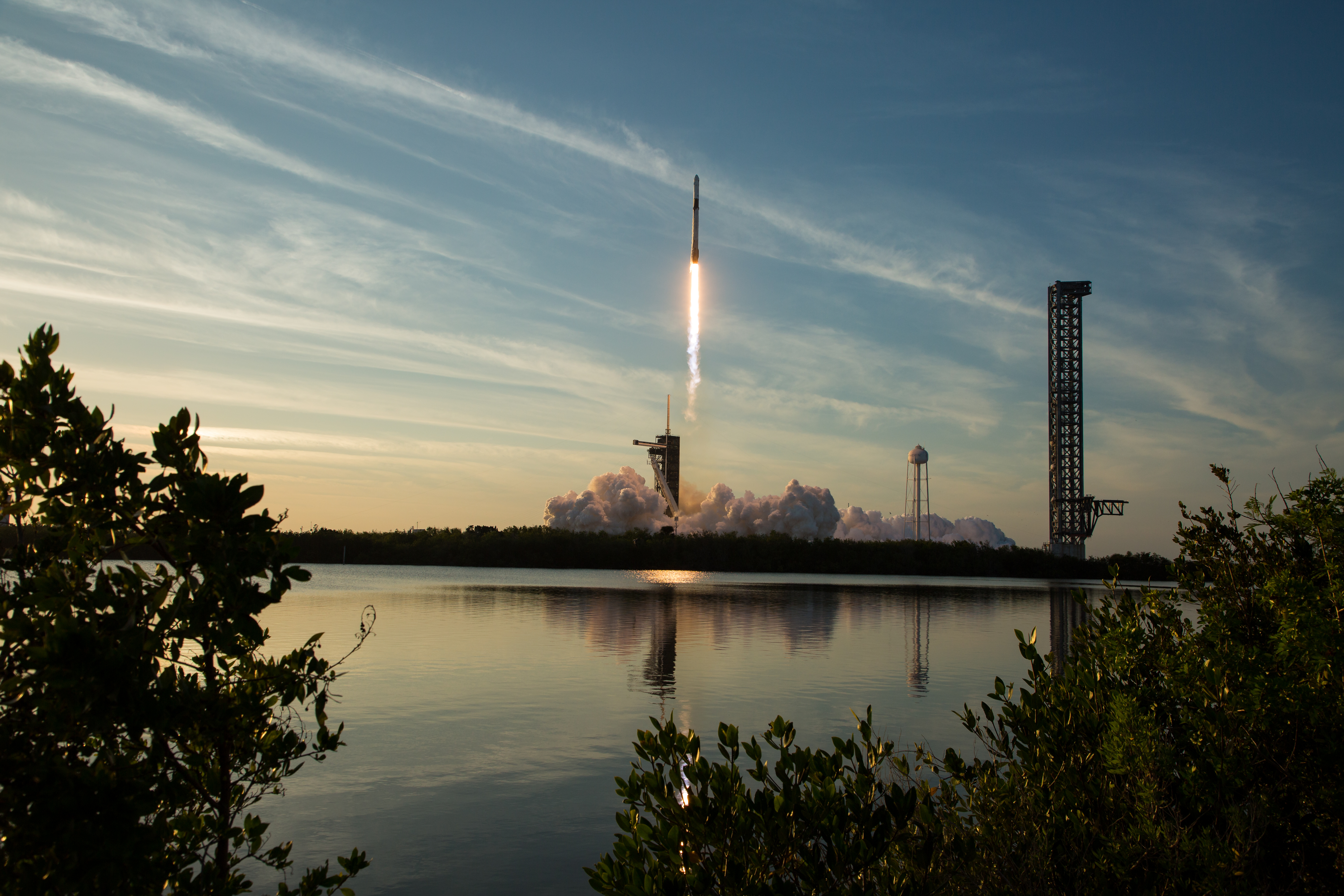
Yes. A rocket launched today.
SpaceX launched a Falcon 9 rocket on Tuesday, Oct. 13, 2026. The rocket carried a Dragon cargo craft. It flew to the International Space Station.
Liftoff came at 6:33 a.m. EDT.
The launch site was Cape Canaveral in Florida.
What happened
NASA and SpaceX ran the flight. It was the 35th SpaceX supply trip for NASA. The rocket rose from Space Launch Complex 40. That pad sits at Cape Canaveral Space Force Station.
The booster is the lower part of the rocket. Booster B1096 flew for the eighth time. About seven minutes after liftoff, it landed back at Landing Zone 40. People near the site heard sonic booms.
A sonic boom is a loud bang from fast flight.
The sky show drew eyes too. Sunlight lit the rocket exhaust high above Earth. That glow is called the jellyfish effect.
Florida Today reported the glow over the East Coast. Its reporters also confirmed the booster landing.
The cargo weighed more than 6,300 pounds, according to NASA. The Dragon craft is a cargo ship with no crew. It will dock on its own.
Docking is set for about 11 in the morning, Eastern time, on Thursday, October 15. It will link to the Harmony module.
The port faces away from Earth. The port had just been freed.
Crew-12 splashed down on Oct. 8.
Fresh food rode along too. The list had apples, oranges, grapefruit, and blueberries. It also had sweet peppers, tomatoes, pizza kits, and candy.
NASA said holiday items were on board too.
The sky was clear. Forecasters gave a better than 95% chance of good weather.
NASA coverage began at 6:15 a.m. EDT.
Why it matters
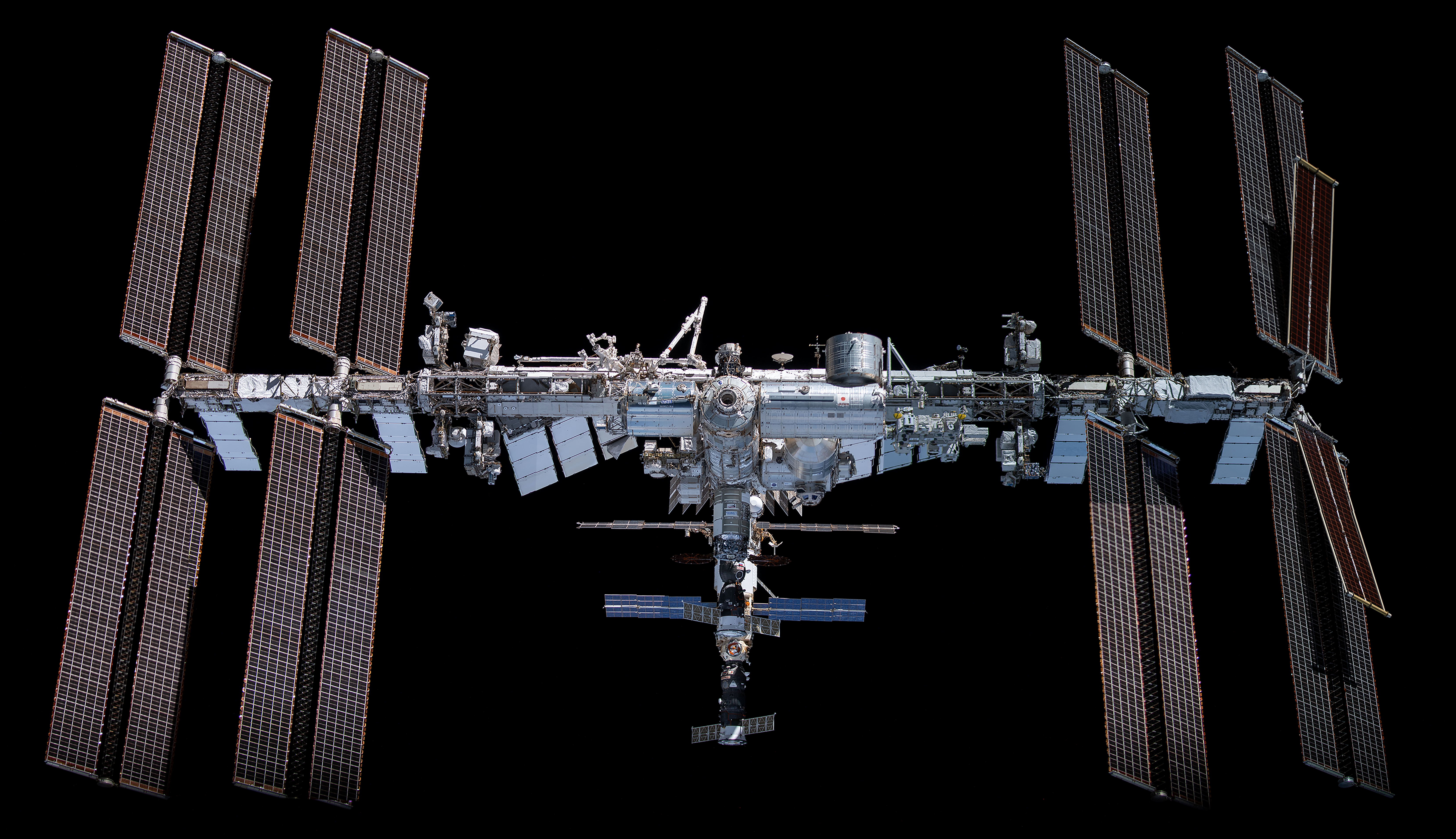
The big item is the last pair of new solar arrays. Solar arrays are wide panels that catch sunlight. They turn sunlight into power for the station.
Their full name is ISS Roll-Out Solar Arrays. They will add power to an old station.
The science tests could help people on Earth. One test will try to make artificial retinas in space. A retina is the light-sensing layer in the eye.
The work may help restore sight one day.
A second test grows 3D heart tissue models. These models can speed up drug tests later. A third test studies how a new type of glass forms.
In orbit, gravity feels near zero. That low gravity lets glass form in new ways.
A fourth test uses brain organoids. Organoids are tiny lab-grown models of brain tissue. They could point to new care for brain diseases.
The tests cover Alzheimer, Parkinson, and multiple sclerosis.
Students from Florida Tech sent up a test too. It checks if hydrogels can shield crews from radiation. Radiation is high-energy rays from space.
It can harm crews on trips to the Moon and Mars.
The Dragon also flew a case for a broken robot arm joint. Crews removed the joint on a June 30 spacewalk. A spacewalk is work done outside the station.
Small fixes rode along as well. They include a dose pump for the toilet. They also include sensors and a robot tool.
Sky watchers had more than one show this week. A recent solar storm lit up auroras over the northern US. SpaceX stays busy on the ground too.
Read our report on SpaceX and the telecom spectrum deal.
What happens next
Dragon will reach the station on October 15. It will dock at about 11 in the morning, Eastern time.
The crew will then unload food and gear. Later, crews will fit the new solar arrays outside.
The science tests will run in the weeks ahead.
Dragon will stay at the station for about one month. NASA says it will stay until mid-November. Then it will head back to Earth.
It will splash down off the coast of California. It will bring back time-critical research and cargo. NASA streams launch and docking coverage on its site.
This flight keeps the station stocked and powered. Each supply trip builds skill for deeper space trips. The Moon and Mars are the long-term goals.
For now, all eyes are on the Oct. 15 docking.
Related stories

Why diamond is hard and graphite is soft when both are carbon
Diamond and graphite are both pure carbon, yet diamond is 10 on the Mohs scale and graphite is 1 to 2. The difference is not the atoms;

Why Hot Water Can Freeze Faster Than Cold: The Mpemba Effect Explained
Hot water can freeze faster than cold under specific conditions. The Mpemba effect, named for a 1963 schoolboy experiment, still divides

How Magnets Work at the Atomic Level: Spins, Domains, and Iron
Magnetism comes from electrons: their spin and orbits make each atom a tiny magnet. In iron, quantum forces align these atomic magnets into