
SpaceX Falcon 9 launch carries 32 satellites after weather delay
Web StoryWatch this story in 15 seconds →Key takeaways
- SpaceX will launch its Falcon 9 Bandwagon-5 mission on Tuesday, October 20, after bad weather scrubbed the Monday try.
- The rocket will carry 32 payloads. They include a Starfall capsule and a cancer-drug test capsule.
- The same booster has flown 18 times before. It will try to land on a ship in the Atlantic.
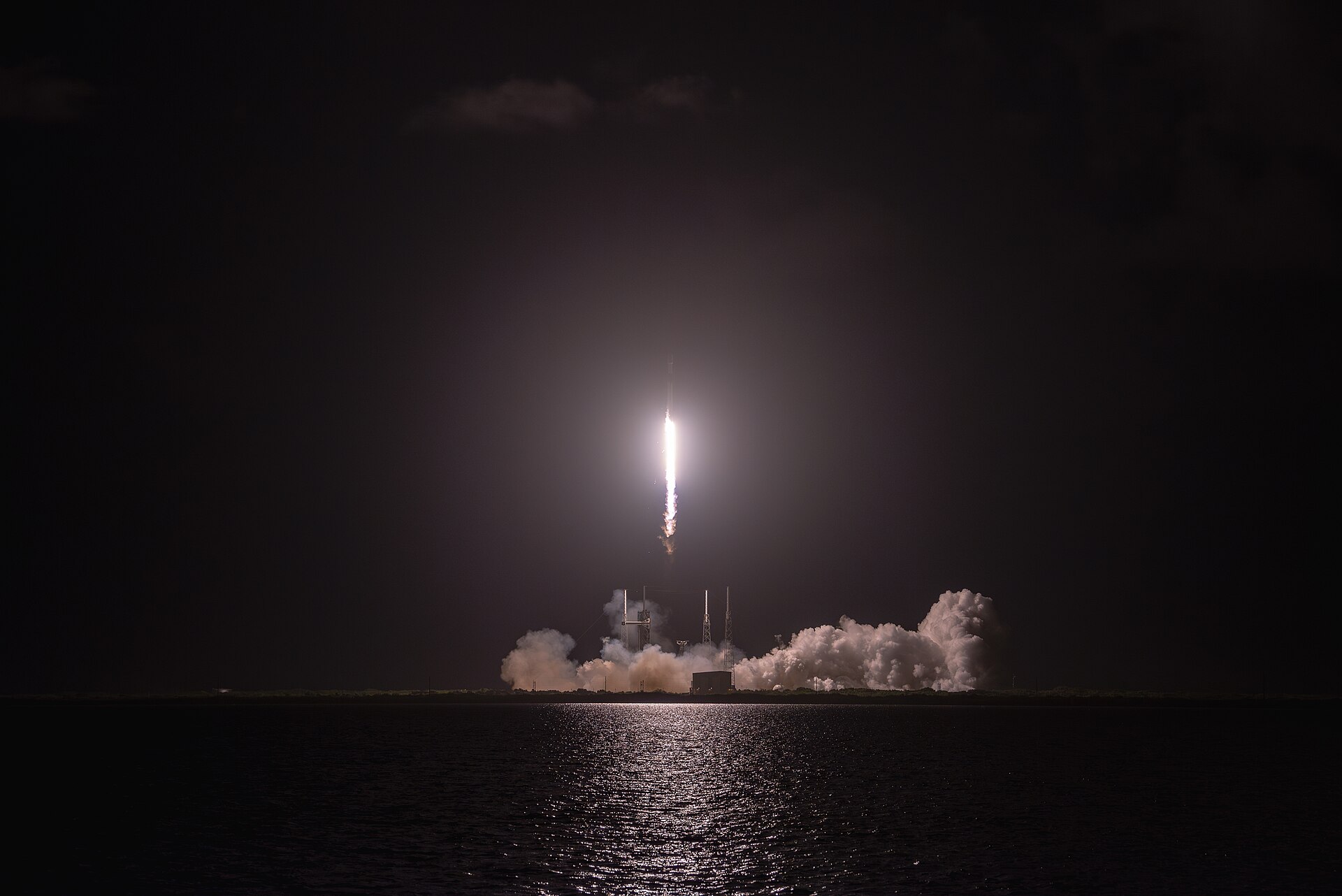
SpaceX will try again on Tuesday. Its Falcon 9 rocket will carry 32 small loads into space. The launch was set for Monday.
Bad weather forced a one-day delay.
The mission is called Bandwagon-5. It will lift off from Florida. The launch window opens at 6:30 AM Eastern time. That is 3:30 PM in Pakistan.
The window stays open for one hour.
What happened
SpaceX planned the launch for Monday morning, October 19. The weather did not cooperate. The problem was in the booster recovery zone. That is the patch of ocean where the booster comes back down.
Spaceflight Now reported the scrub early on Monday. SpaceX then set a new target. The new target is Tuesday, October 20.
The forecast looks better for Tuesday. The 45th Weather Squadron gave a 90 percent chance of good weather. That unit watches the skies for launches in Florida.
It said high winds should ease. Clouds should thin out too.
The rocket will fly from Space Launch Complex 40. That pad sits at Cape Canaveral Space Force Station in Florida. The rocket will head southeast after liftoff.
A payload is anything a rocket carries. This flight carries 32 payloads. Most are small satellites.
Some are reentry vehicles. A reentry vehicle is a capsule that comes back to Earth.
This is a rideshare mission. A rideshare shares one rocket. Many customers split the cost.
Each one gets a ride for a small satellite.
The booster is the big bottom part of the rocket. It does the first push. Then it falls back to Earth.
This booster has the tail number B1085. Tuesday will be its 19th flight.
It has a long work history. It flew the Crew-9 astronaut mission. It flew the Fram2 mission.
It flew Firefly Blue Ghost Mission 1. It also flew 10 batches of Starlink satellites.
After the launch, the booster will try to land. It will aim for a ship in the Atlantic Ocean. The ship is called A Shortfall of Gravitas.
It is a droneship. A droneship is a robot ship with no crew.
If the landing works, it will be a milestone. It would be the 167th landing on this ship. It would be the 672nd Falcon booster landing to date.
Those counts come from Spaceflight Now.
Why it matters
One rocket can now serve dozens of customers at once. That is the big idea behind Bandwagon-5. Small teams can reach space without buying a whole rocket. They buy one seat on a shared flight.
The most watched payload is called Starfall. SpaceX built it. It is a small capsule that works as a lab in space.
It first flew in June.
Space is a strange place for science. Things float there. That state is called microgravity.
It means very low gravity. In microgravity, liquids and crystals act in new ways. Scientists can test ideas they cannot test on Earth.
Starfall is small. The US aviation agency, the FAA, lists its size. It is about 0.75 meters tall.
It is about 3.1 meters wide. It weighs about 2,100 kilograms. It can carry up to 1,000 kilograms of test gear.
SpaceX has not said what tests ride on this Starfall. The capsule will deploy near the end of the flight. The plan lists it at about 2 hours and 48 minutes after liftoff.
A second capsule may matter more for people on Earth. It comes from Varda Space Industries. The capsule is called W-Series 7, or W-7.
W-7 carries a test tied to a cancer drug. The drug is called Protac. The test asks a simple question.
Can space help the drug dissolve better in the body?
In microgravity, molecules can form crystals in new ways. Those new crystals may dissolve more easily. If the test works, the drug could become more useful.
Varda says that is the goal.
W-7 is the ninth capsule Varda has sent up. Two more, W-8 and W-9, flew earlier this month. They rode on a mission called Transporter-18.
There is one more debut on this flight. It is called Starburst-1. It comes from Portal Space Systems. It weighs 260 kilograms.
It will test moves in orbit. It can also carry a customer load of up to 50 kilograms. Portal says customer flights could start in 2027.
Most of the other payloads come through one firm. It is called Exolaunch. It managed 20 of the 31 payloads besides Starfall.
The list includes four HawkEye 360 satellites. Those watch radio signals from space. It includes four Iceye satellites.
It includes six Xona navigation satellites. Navigation satellites help devices find their place on Earth.
What happens next
The next step is simple. SpaceX will watch the weather. The team will load fuel on Tuesday morning.
Then the countdown will run.
Sky watchers may get a bonus. People in the Carolinas could see a glow in the sky. The rocket climbs into sunlight about three minutes after launch.
The ground below stays dark. That mix can make a glowing cloud. It is called a space jellyfish.
The best view comes early in the window. By 7 AM Eastern, the sky gets too bright.
The sun rises in Raleigh at 7:24 AM. The rocket also heads southeast.
That path favors Florida and the Caribbean. Carolina viewers should look toward the southeast sky.
SpaceX will stream the launch live. The company posts the stream on its website. It also posts updates on its mission page.
If Tuesday also slips, SpaceX will set a new date. Delays are normal in this work. Weather, wind, and sea states all matter.
A scrub is not a failure. It is a safety call.
The bigger story stays the same. Rideshare flights are now routine. One Falcon 9 can lift a full set of small satellites.
It can also bring its booster home. Then it can fly again.
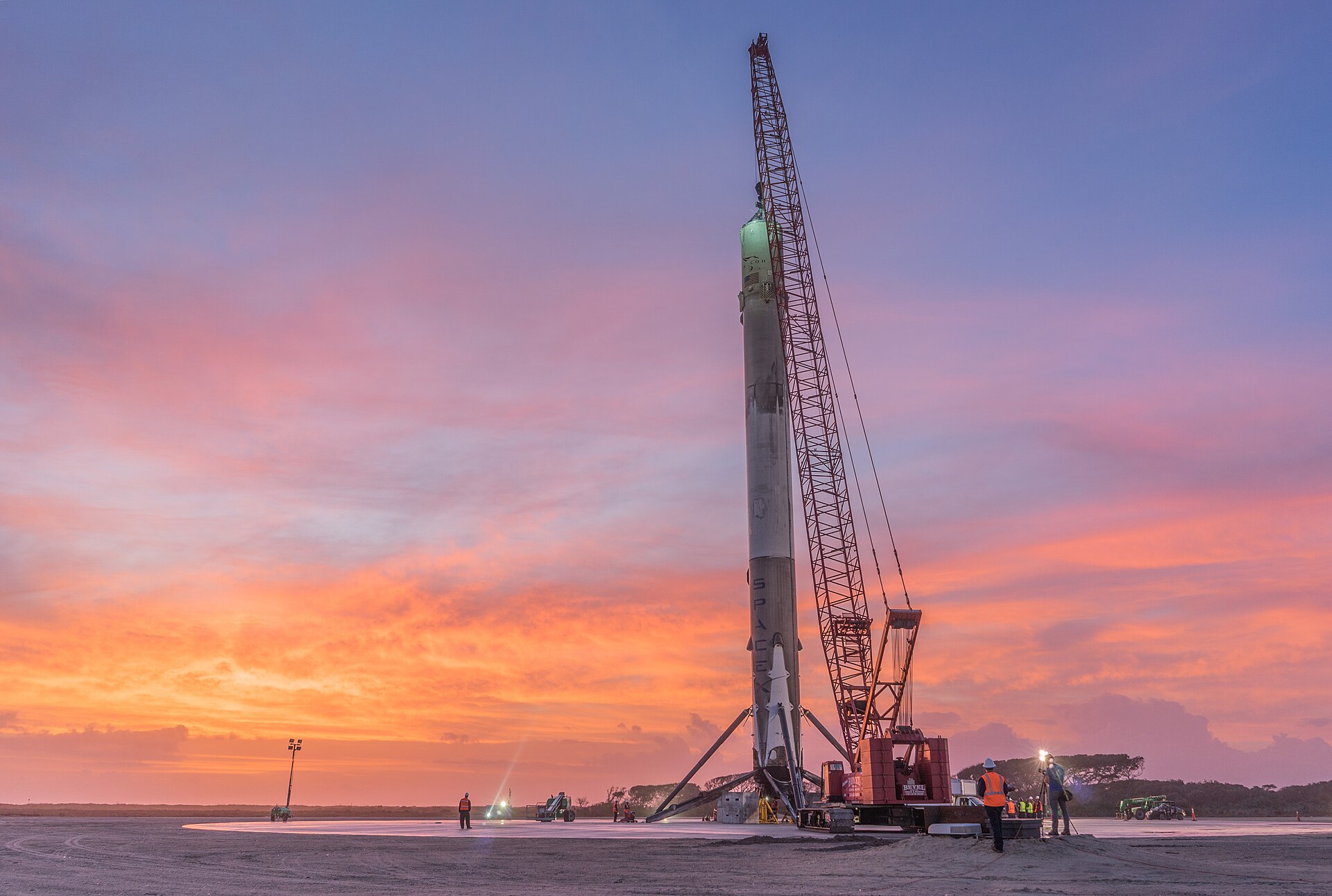
For Tuesday, the plan is clear. One rocket. Thirty-two payloads.
One booster trying for its 19th flight. And one more test of how much work a shared ride to space can do.
Related stories

Why diamond is hard and graphite is soft when both are carbon
Diamond and graphite are both pure carbon, yet diamond is 10 on the Mohs scale and graphite is 1 to 2. The difference is not the atoms;
Why Hot Water Can Freeze Faster Than Cold: The Mpemba Effect Explained
Hot water can freeze faster than cold under specific conditions. The Mpemba effect, named for a 1963 schoolboy experiment, still divides
How Magnets Work at the Atomic Level: Spins, Domains, and Iron
Magnetism comes from electrons: their spin and orbits make each atom a tiny magnet. In iron, quantum forces align these atomic magnets into