
What to Do If You Get Caught in Rain on a Hike
Key takeaways
- If you hear thunder, the storm is within 10 miles. Head to lower ground and seek a solid building or hard-topped vehicle right away.
- When no shelter exists, spread out 50 feet apart, crouch on your toes, and stay put until 30 minutes after the last thunder.
- Wet cotton chills you fast. Change into dry layers when you can, keep moving gently, and check streams before you cross them.
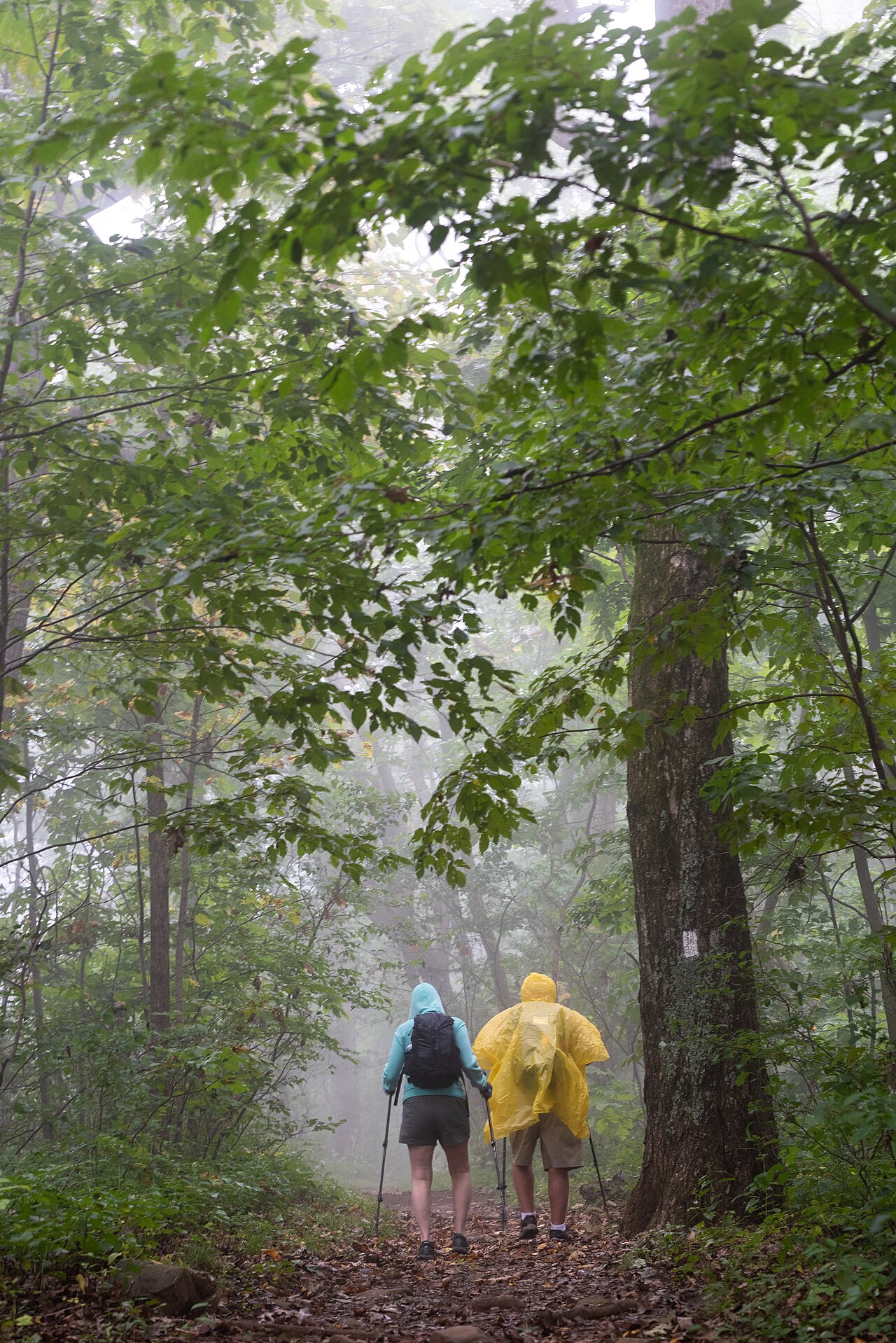
Rain on a hike ranges from a light drizzle to a fast storm with lightning, cold wind, and rising streams. The right response depends on which kind you face, and the first minutes matter most.
Most hikers get wet at some point, and most rain showers pass without harm. Trouble starts when thunder, cold, or fast water enters the picture.
This article explains how to react in the first minute, what to do when thunder starts, how to stay warm while you wait, how to handle water on the trail, and what to check after the rain stops.
Decide in the first minute
Stop and read the sky before you decide anything. Look for towering clouds, darkening skies, rising wind, or distant thunder, since each one signals a storm that may grow fast.
If you can reach a solid building or a hard-topped vehicle, go there now. The National Park Service states plainly that no shelter outside is safe, and only a substantial building or hard-topped vehicle counts as safe.
If shelter is out of reach, start moving to lower ground at once. Leave ridges, summits, open viewpoints, and exposed slopes behind, because lightning often strikes the tallest object in an area.
Tell your group the plan in one short sentence. A clear call such as "Storm coming, we drop to the trees now" keeps everyone moving in the same direction.
Check your phone for a forecast only if you can do it while walking. Do not stand on a ridge to scroll through radar while a storm builds around you.
Picking the right route in the first place lowers this risk. If you pick a hiking trail that matches your fitness, you will have more energy left for a fast retreat when weather turns.
What to do if thunder starts
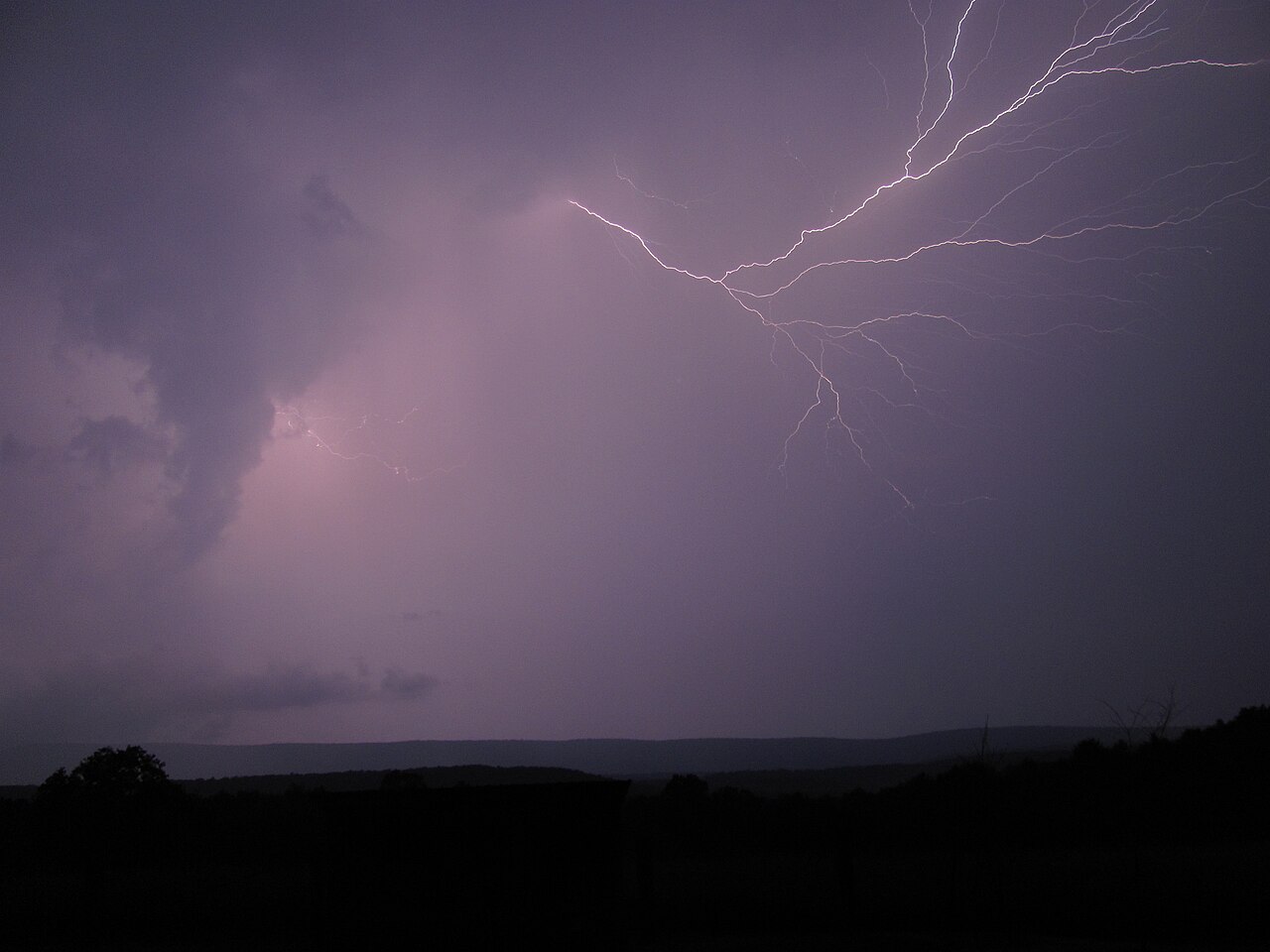
Thunder means the storm is already close. The National Park Service notes that if you hear thunder, the storm is within 10 miles (16 km), and you should get to a safe place at once.
Its rule is short: "When Thunder Roars, Go Indoors!" Treat any rumble as a warning, even when the sky above you still looks clear.
Move away from tall, isolated trees, water, metal objects, and power lines. Lightning often strikes the tallest object nearby, so a lone tree is a poor shelter.
Avoid caves, rock overhangs, and shallow shelters. Lightning can travel through rock and strike a person inside, so these spots feel safer than they are.
If you cannot reach shelter, find a low, open space on solid ground. In a forest with no clearing, the Park Service advises taking a position under the shortest trees you can find.
Spread out from your companions by at least 50 feet. That gap lowers the chance that one strike harms the whole group, and it leaves some members able to give first aid or get help.
Set metal objects and electronic devices away from your body. Packs with metal frames go on the ground at a distance, not on your back.
As a last resort, crouch on your toes with your hands over your ears. Touch the ground as little as possible, since the ground conducts electricity, and never lie flat.
Stay in your safe spot until 30 minutes after the last thunder. A storm can send a second round of strikes after a quiet gap, so an early return to high ground is a real risk.
The stakes are not abstract. At Half Dome in Yosemite in July 1985, lightning killed two people and injured three others, a reminder that mountain storms deserve respect.
How to stay warm while you wait
Rain cools you in two ways at once. Water soaks your clothes, and wind strips heat from wet fabric, so a mild day can turn cold fast when you are soaked.
Cotton is the worst choice for a wet day. REI advises hikers to avoid cotton because it holds water, including sweat, and chills the wearer, which in a worst case can lead to hypothermia.
Wool, nylon, and polyester work better because they move moisture away from skin. If you carry a spare layer in a dry bag, this is the moment it earns its place in your pack.
Put your rain jacket on as soon as rain starts, not after you are soaked. A jacket keeps most rain out, and a brimmed hat under the hood keeps rain off your face and glasses.
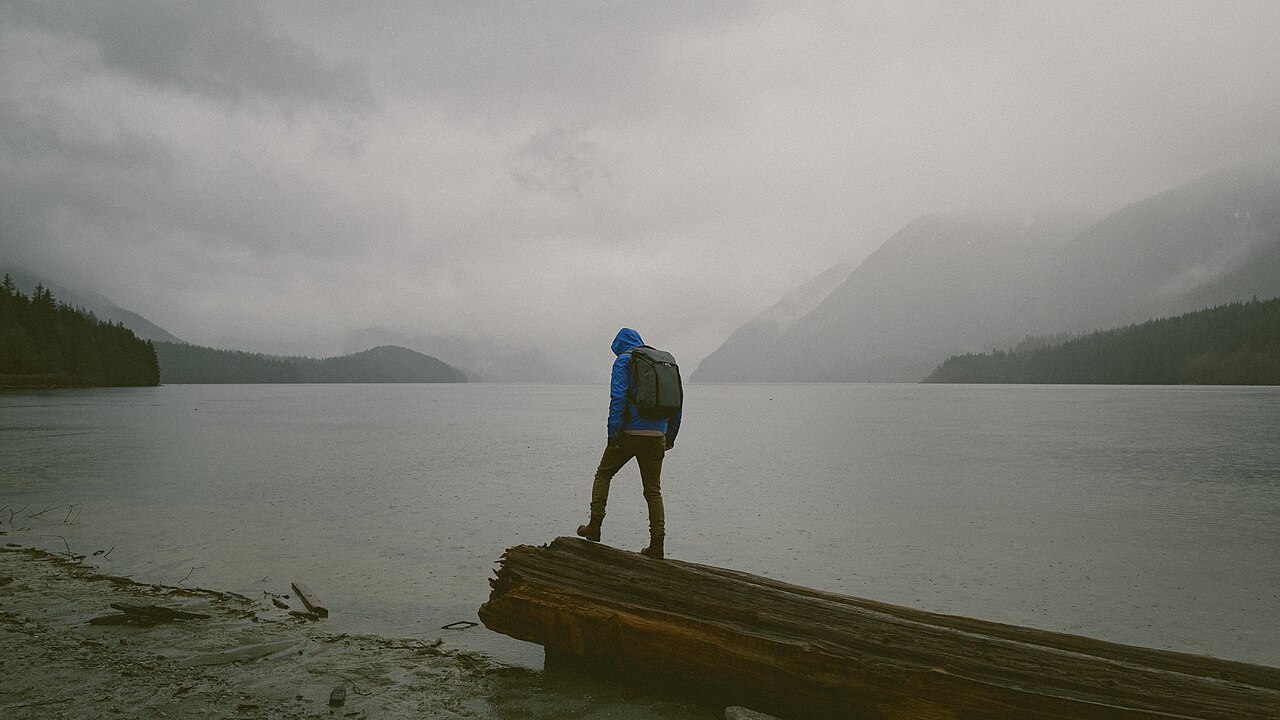
Insulation matters too. Standard down loses much of its insulating power when wet, while synthetic insulation keeps working, so a synthetic jacket is the safer pick for rainy hikes.
If you start to shiver hard, feel clumsy, or struggle to think clearly, treat it as urgent. Get into dry clothes, add layers, eat something, and seek shelter or help rather than pushing on.
Keep sipping water while you wait. Cold and rain dull thirst, yet your body still loses fluid, and staying hydrated during a long hike helps you think clearly and keep moving.
When the trail turns into a stream
Rain changes the ground under your feet within minutes. A dry path can turn into a sheet of mud, and a small creek can rise fast enough to cut off your route.
Slow down on wet rock, roots, and wooden steps. Short steps and a steady pace beat a fast stride that ends in a slip.
Avoid crossing a stream that has turned brown, fast, or deep. Water that reaches above your knees can knock you down, and a crossing that felt easy in the morning may be unsafe by afternoon.
If you must cross, look for a wide, shallow spot with a clear exit on the far side. Unbuckle your pack straps first so you can drop the pack if you fall in.
Never camp or rest in a dry creek bed during rain. Flash floods can arrive with little warning, and a dry channel can fill while you sit in it.
Watch for falling branches after heavy rain and wind. Wet soil loosens roots, and dead limbs come down more often during and after storms.
If your route crosses a flooded section, turn back rather than wade through it. A longer dry route home beats a short cut through water you cannot read.
What to check after the rain stops
Wait out the full 30 minutes after the last thunder before you climb again. The sky may clear while the storm still holds one more strike, so patience is part of the safety plan.
Check every member of your group once you regroup. Ask about cold, numb hands, twisted ankles, and signs of shock, and deal with the most serious problem first.
Change into dry socks and a dry base layer if you have them. Dry feet prevent blisters on the walk out, and a dry base layer helps your body warm up again.
Check your map and your route before you move. Rain can wash out trail marks, flood low sections, and turn a familiar path into a detour.
If anyone was struck by lightning or feels unwell, call for help at once. The Park Service notes that a lightning victim is safe to touch, and if you are trained, you should try to resuscitate a person who is not breathing or has no pulse.
Dry your gear fully when you reach home. Damp tents, jackets, and boots grow mildew if packed away wet, and wet insulation loses its warmth on the next trip.
Write down what the storm taught you before you forget it. A note about the cloud build-up, the time thunder started, and the gear that failed turns one wet hike into a better plan for the next one.
Common questions
What if there is no shelter anywhere nearby?
Spread out, get low, and crouch on your toes with your hands over your ears. Keep metal objects away from your body, stay off high ground, and wait until 30 minutes after the last thunder.
Should you keep hiking through a thunderstorm?
No. Descend, seek a solid building or hard-topped vehicle, and stop moving across high or exposed ground. The hike can wait, and the summit will still be there on a clear day.
Can you use a tree for shelter from lightning?
A lone tall tree is one of the riskiest spots in a storm. If you are in a forest with no clearing, choose the shortest trees you can find, and keep away from trunks and roots.
Is it safe to keep walking once the rain stops?
It can be, once thunder has stayed away for 30 minutes. Check streams, trail washouts, and your own warmth first, and turn back if any part of the route looks unsafe.
The bottom line
Rain on a hike calls for a fast, simple sequence: get low, get to shelter, spread out, and wait. Thunder means the storm is close, wet cotton means cold, and rushing water means a new route. Plan for rain before you start, and a wet day stays an adventure instead of an emergency.
Tags: hiking, rain safety, lightning, outdoors
Latest in Sports
- Pick a Hiking Trail That Matches Your Fitness
- Stay Hydrated During a Long Hike
- Plan a First Camping Trip With Kids
- Start Jogging Without Getting Out of Breath Fast
Subscribe for one practical outdoor guide in your inbox each week.
Related stories

Why Is Altitude Sickness Worse for Some People?
Altitude sickness hits some people harder because of genetics, ascent speed, and prior history, not fitness level. Here is what raises risk
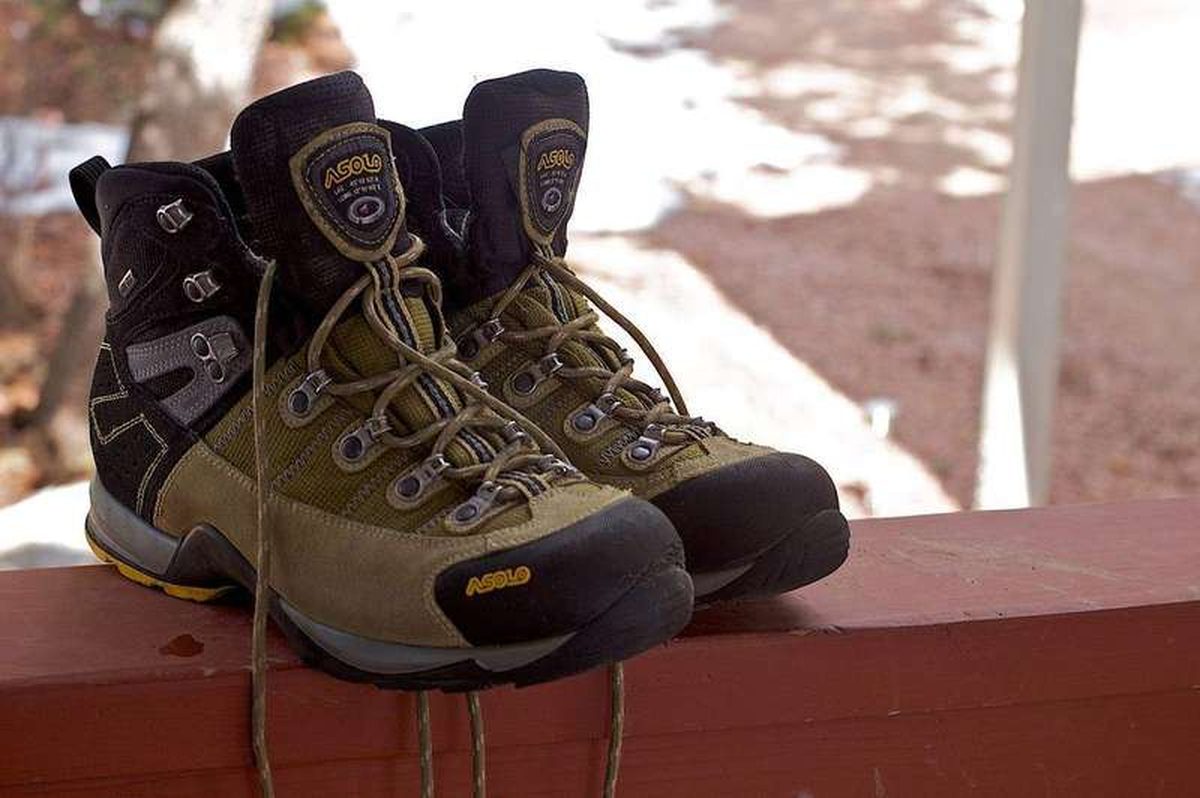
Why Do You Get Blisters When Hiking and How to Prevent Them
Friction plus moisture plus heat equals a blister. Learn why hiking breeds all three, and the boots, socks, and tape system that keeps
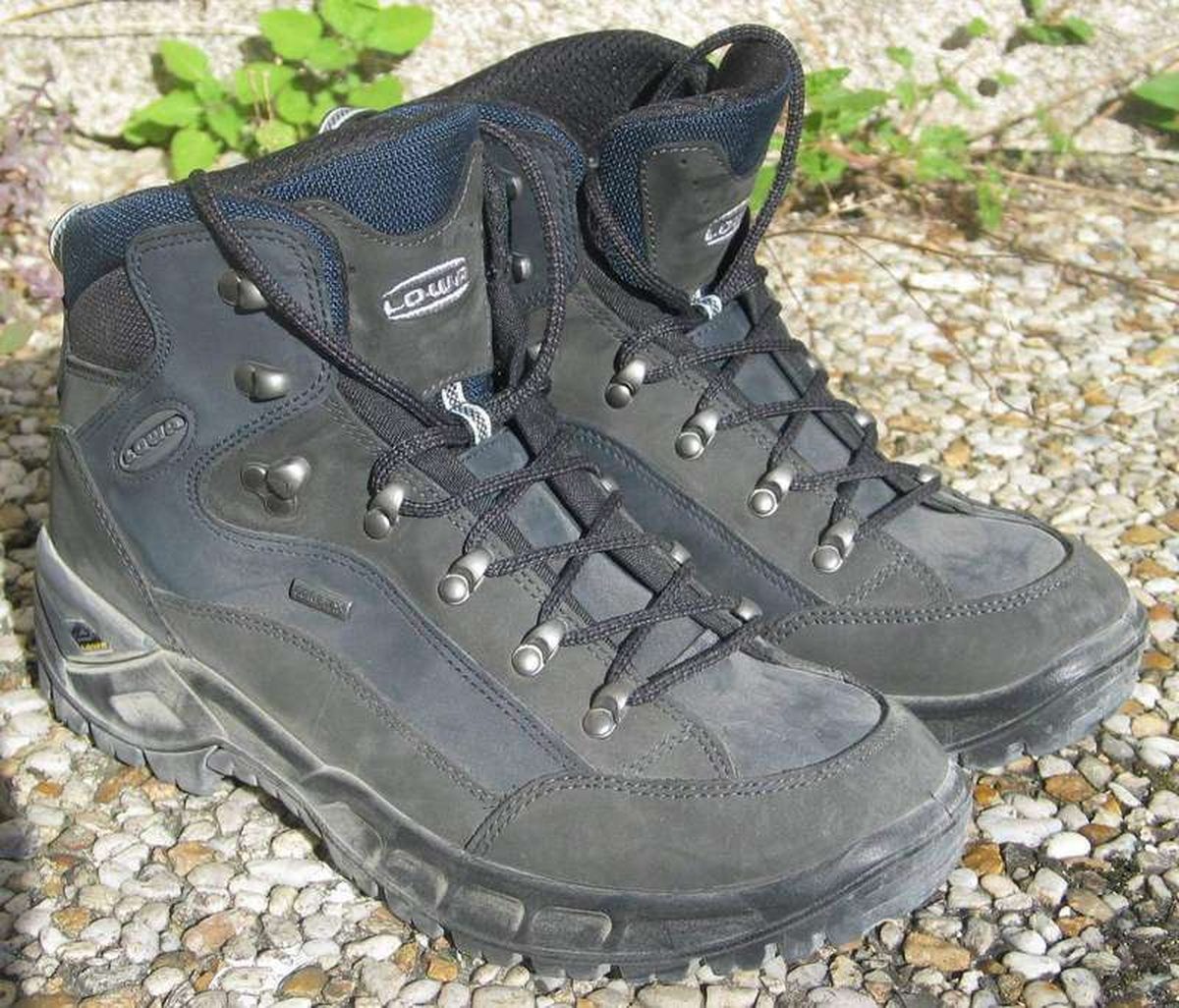
How to choose hiking boots for beginners: fit, features, and break-in
Beginners should buy for fit first: snug everywhere, tight nowhere, with a thumb's width at the toes. Here is how to size, test,