
Marshall Faulk reveals Parkinson's diagnosis after 18 months
Web StoryWatch this story in 15 seconds →Key takeaways
- Marshall Faulk, 53, revealed he has Parkinson's disease on an October 21 podcast.
- He has lived with the condition for about 18 months and says medicine helps him stay active.
- Faulk now coaches Southern University and urges people to get early checks for strange symptoms.
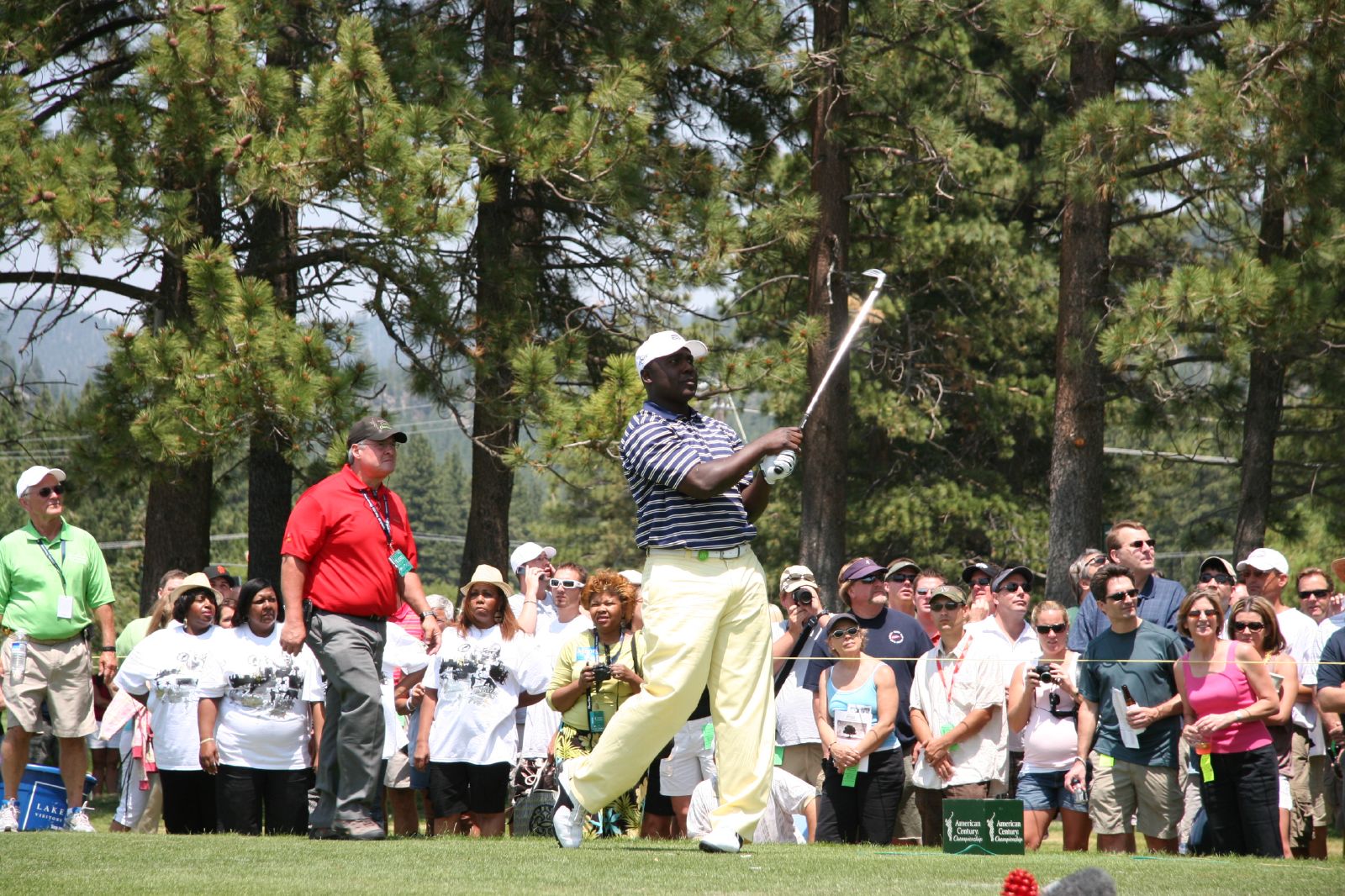
Marshall Faulk has Parkinson's disease. The Hall of Fame running back shared his diagnosis on October 21. He said he caught it early, and he feels good.
Faulk spoke on the podcast "The Caring Neurologist" with Doctor Sandeep Thakkar. He has lived with the condition for about 18 months. He told listeners he wants to help as many people as he can.
Parkinson's is a health condition that affects movement. It can cause shaking, stiff muscles, and trouble with balance. Faulk has felt all three in a mild form, and medicine helps him manage them.
This article is for information only and is not medical advice.
What happened
Faulk first noticed a problem while playing golf. His hand felt stiff after he played a lot. He first thought it was normal nerves from putting.
The stiffness did not stop at golf. It showed up even when he was not playing. Faulk raised it with his doctor at a routine physical.
His doctor told him to get it checked, just to be safe. Tests then gave him the diagnosis. Faulk said he spoke with other former NFL players too.
Some of those players had signs that looked like football issues. Talking with them helped him catch his own problem early. He now calls himself one of the lucky ones.
"I just think I caught it early. I'm in a good place," Faulk said.
Medicine has kept his daily life normal since then. He said he does more now than he did before. He still gets small tremors from time to time.
He watches his balance and gait when he walks. He watches the same things when he works out. He said the condition has not got worse.
"Since I've started on the medication, I don't really have a lot of issues," Faulk said.
He also had a clear message for listeners. People should not wait for signs to get worse. They should get checked early instead.
"Just start on the medication," Faulk said. "Don't wait for it to get worse."
A career built on running
Faulk was a star long before this news. He played college football at San Diego State. He was a three-time All-American there.
The Indianapolis Colts picked him second overall in the 1994 draft. He then played 12 seasons in the NFL. He played for the Colts and the Saint Louis Rams.
Faulk won the NFL Most Valuable Player award in 2000. He made seven Pro Bowls in his career. He helped the Rams win Super Bowl XXXIV.
He retired with 12,279 rushing yards. He added 6,875 receiving yards. He scored 136 total touchdowns.
The Pro Football Hall of Fame inducted him in 2011. The College Football Hall of Fame inducted him in 2017. Few running backs in history match that record.
Faulk moved into coaching after his playing days. He spent one season as Colorado's running backs coach. Southern University hired him as head coach last November.
He is now in his first season as Southern's coach. Southern plays in college football. His new health news has not changed that job.
Why it matters
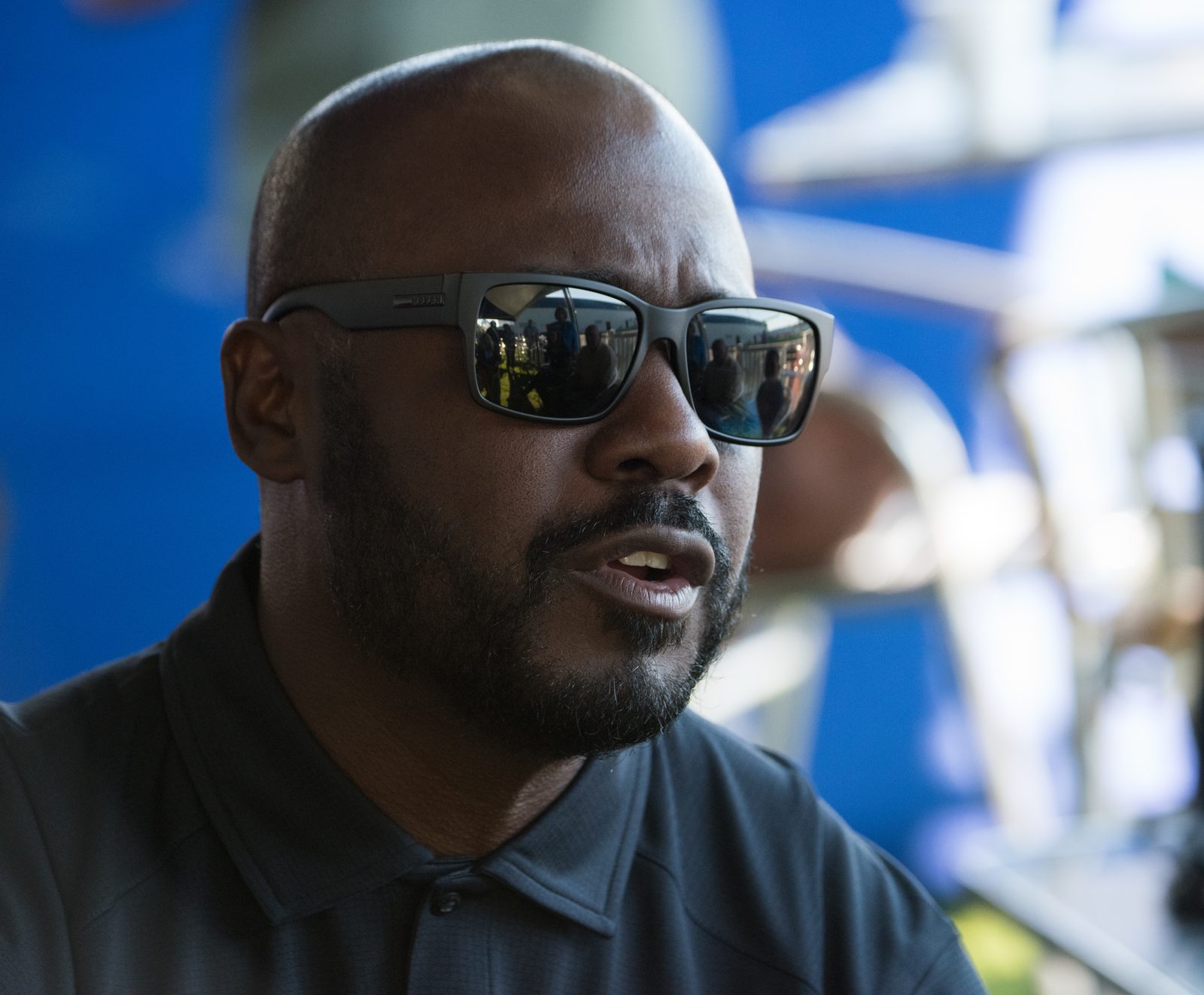
Faulk went public for a reason bigger than football. He wants people to take strange signs seriously. A stiff hand or a small tremor can be easy to ignore.
His story shows why early checks help. He found his problem at a routine physical. Medicine then kept his life on track.
USA Today reported a second motive for Faulk. He wants to spread awareness after former Tennessee Titans star Chris Johnson's ALS diagnosis. Faulk hopes his words reach the next generation.
In a statement on Thursday, Faulk wrote about that goal. He said health matters more than the game itself.
"This is bigger than football. It is about our health, our families and our future," Faulk wrote.
The NFL is also in the news this weekend for a different reason. The league plays its first regular-season game in France. That game shows how far the sport Faulk starred in has spread.
What happens next
Faulk will keep coaching Southern University. He will keep living his normal daily life. He said he is active and in good spirits.
He has not yet had a full talk about the diagnosis with friends and family. He said he will have that talk if his lifestyle changes. For now, he says he is functioning well.
His public message will likely keep spreading. Fans and former players look up to him. His early-check advice is simple and easy to follow.
The key point from Faulk is plain. Do not ignore a new symptom. Ask a doctor about it early, and do not wait for it to grow.
That message, more than any football record, is why this story matters now.
Related stories

Why Is Altitude Sickness Worse for Some People?
Altitude sickness hits some people harder because of genetics, ascent speed, and prior history, not fitness level. Here is what raises risk

Why Do You Get Blisters When Hiking and How to Prevent Them
Friction plus moisture plus heat equals a blister. Learn why hiking breeds all three, and the boots, socks, and tape system that keeps

How to choose hiking boots for beginners: fit, features, and break-in
Beginners should buy for fit first: snug everywhere, tight nowhere, with a thumb's width at the toes. Here is how to size, test,