
China AI bubble bursts as STAR50 index falls 40 percent
Web StoryWatch this story in 15 seconds →Key takeaways
- China's STAR50 index fell 40 percent in less than four months, Reuters reported on October 26, 2026.
- The fall wiped out about $480 billion in value.
- Small investors were hit hard, and new tech listings may now slow down.

China's AI stock bubble has burst, Reuters reported on October 26, 2026. The STAR50 index fell 40 percent in less than four months. About $480 billion in market value vanished in the fall.
What happened
The STAR50 tracks AI and chip leaders in mainland China. It is an index, which is a basket of shares. The basket shows how a group of firms performs.
The index crashed from its recent highs. The fall took less than four months. It wiped out about $480 billion in value.
China's broad blue-chip index also fell. It dropped about 20 percent from June highs. Blue-chip firms are large, well-known firms.
Searches for the term "ai bubble" rose in the past day. The term trended in the United States, Britain and Canada. Readers wanted to know if AI shares were overpriced.
What is a bubble
A bubble means prices rise far above what firms earn. Buyers pay high prices because they expect more gains. Prices then fall fast when faith fades.
The STAR50 still trades at about 100 times past earnings. Past earnings are profits firms already made. That is down from nearly 250 times at the peak.
The Nasdaq 100 trades at about 30 times past earnings. Nasdaq 100 is a US tech index. The gap shows China shares still look pricey.
Beijing-based fund manager Dong Baozhen put it plainly. He said the market became a speculative crazy bull. He then said the bubble is bursting.
Why prices fell
No single event caused the fall, traders told Reuters. High prices played a part in the sell-off. Tax bills also pushed some investors to sell.
Worries about AI demand added pressure. Curbs on Chinese exports added more pressure. Traders feared bans on Chinese gear in data centres.
A data centre is a large building full of computers. These computers run AI tools and store data. Rules on who supplies them matter for chip firms.
The rally had run for two years. It began after promises of economic stimulus. Stimulus means state steps to boost growth.
Beijing wanted a "slow bull" market. That means steady gains, not wild swings. The crash has stalled that push, Reuters reported.
Who lost money
AI shares made up 42 percent of China's market value. That figure comes from Goldman Sachs, cited by Reuters. They made up 57 percent of trading volume.
Small investors dominate China's market. Few escaped the pain, Reuters reported. Many bought near the top of the rally.
Robot maker Unitree shows the pattern. Its shares were 8,000 times oversubscribed at listing. Oversubscribed means demand far beat supply.
Unitree shares have since halved. They started trading in August. Small buyers who chased the debut lost heavily.
Chipmaker CXMT lost more than a quarter of its value. That fall came in the past month alone. Two other chipmakers fell just as hard.
MetaX and Moore Threads leapt at their debuts. MetaX rose 700 percent at debut. Moore Threads rose 400 percent at debut.
Both firms have since halved since July. Their early buyers saw huge paper gains vanish. Paper gains are gains not yet cashed in.
Optical parts makers fell hard too. Zhongji Innolight and Eoptolink fell about 60 percent. Their falls came from June and July highs.
Washington moves to ban them from US data centres. That threat hurt both firms, Reuters reported. Export curbs hit firms that sell abroad.
The wider market picture
The Business Times gave a wider view on October 17. It called Chinese firms the biggest losers of the AI trade. The STAR50 became the worst major tech gauge.
The ChiNext index fell 36 percent in the same period. ChiNext also focuses on hardware shares. Hardware means chips and devices.
The STAR50 surged about 75 percent from April to June. It beat Korea's Kospi index in that run. Optimism about tech breakthroughs drove the surge.
At its June 30 peak, it traded above 80 times future earnings. Future earnings are profits firms expect to make. High multiples mean buyers pay a lot per profit dollar.
It now trades above 40 times future earnings. Korea's Kospi trades below five times. The Nasdaq 100 trades at 21 times.
Foreign investors pulled money out in the third quarter. Outflows through the Hong Kong link hit 90 billion yuan. That equals about $13.5 billion, Bloomberg Intelligence said.
The outflow was the biggest in a year. It reversed more than half of April to June inflows. Foreign money had crowded into the sector.
DeepSeek and the open-source fight
The same week brought news from DeepSeek. DeepSeek is a Chinese AI firm. It released a free tool called DeepInfer.
DeepInfer helps run AI models at lower cost. It supports its DeepSeek-V4.1-Flash model. The model runs on Nvidia and Huawei chips.
DeepSeek said one cluster could earn $38 per graphics chip per hour. That figure uses off-peak prices, SCMP reported. The firm did not disclose its costs.
Open-weight models can be used by other firms. Closed models stay under their owners' control. DeepSeek backs the open path.
Senior researcher Chen Deli used strong words. He called it a battle between two futures. He wrote the fight would run until total victory.
Beijing proposed draft export controls last week. The controls cover 23 AI-related technologies, SCMP reported. A spokesperson said open source still has state backing.
Why it matters beyond China
US AI shares also fell, but far less. The Nasdaq fell 6 percent from a record high. That high came three weeks earlier.
Reuters called the US fall a mere prick. The China fall was a crash by contrast. The gap matters for world markets.
China wants its savers to fund the AI boom. A crash shakes faith in that plan. It may slow equity fundraising for tech firms.
Equity fundraising means raising cash by selling shares. Tech firms rely on it more than debt. Debt means borrowed money that must be repaid.
Chinese firms raised $37 billion from onshore IPOs this year. IPOs are first sales of shares to the public. Tech firms took over a third of that cash.
If shares stay weak, that cash tap narrows. Fund manager Leonid Mironov warned of this risk. He spoke to The Business Times.
He said weak stocks make AI goals harder. If weakness lasts over six months, fundraising gets hard. It would also signal doubt about tech progress.
What happens next
New listings may slow first. Hong Hao is a Hong Kong fund manager. He said the crash will stop many listing plans.
Firms trying to list will face tougher questions. Buyers will demand lower prices. Some deals may be pulled or delayed.
State-backed funds may step in more. They are known as the national team. Regulators met on October 15 to discuss support.
The meeting called on the national team to buy faster. That is a stabilisation step, The Business Times reported. Stabilisation means steps to calm wild falls.
Some investors still see buying chances. Goldman Sachs kept Innolight and CXMT on a buy list. BNP Paribas also saw chances for careful buyers.
Careful is the key word here. The index still looks pricey at 100 times past earnings. Some buyers wait for even lower prices.
Others look at sectors outside tech. Many mainland investors now eye other sectors. Others wait for lower valuations before they buy.
Fund manager Wang Zhuo gave a blunt warning. He said chipmakers will end up in a price war. A price war means firms undercut each other.
He added that all bubbles inevitably burst. That line sums up the China story. High prices met weak demand, and the fall followed.
This article is for information only and is not financial advice.
Read how ASML stock earnings show AI demand. Also see how Nvidia buys stakes in AI startups. For the US side, see Anthropic's Nasdaq IPO filing.
Related stories
Apple plans two October launches: smart home hub, OLED MacBook Pro
Apple set October 13 for a smart home launch with a new hub, Apple TV 4K and HomePod mini, then October 27 for OLED MacBook Pro models
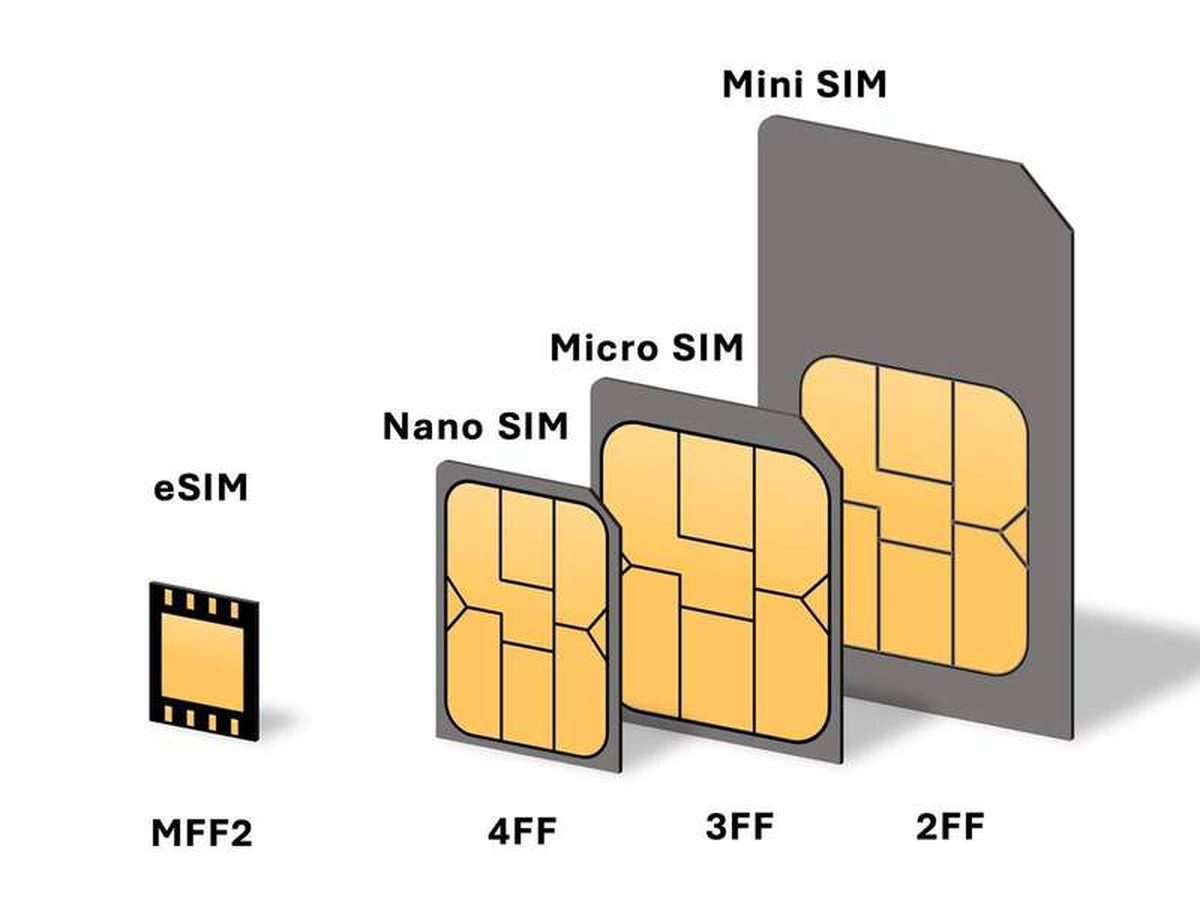
How to Check If Your Phone Supports eSIM in 30 Seconds
Dial *#06# and look for an EID number to confirm eSIM support in under 30 seconds. This guide also walks through the iPhone and Android
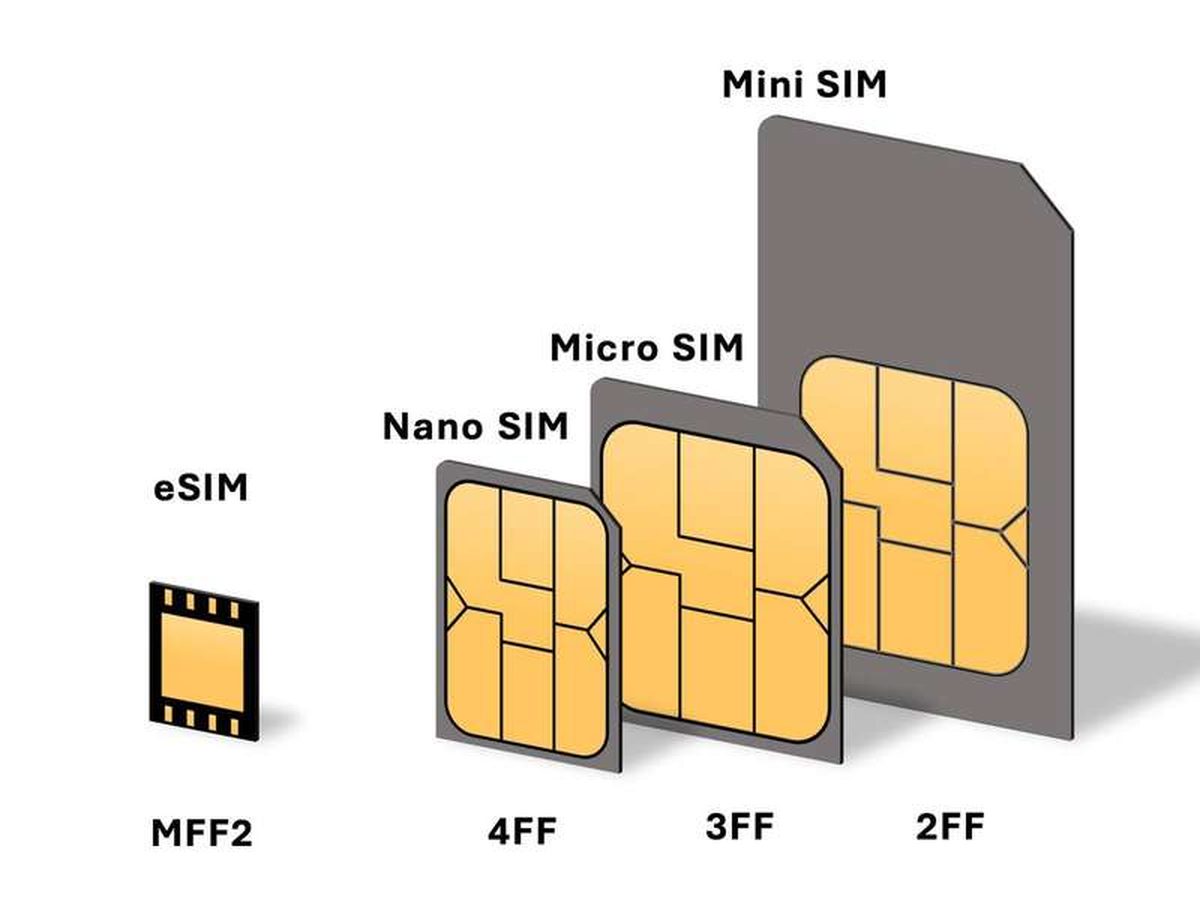
eSIM vs iSIM: what is the difference?
An eSIM is a dedicated chip on the phone's board, while an iSIM lives inside the processor itself. Qualcomm's Snapdragon 8 Gen