
French supermarkets hit by cyberattack that heats fridges to 50C
Key takeaways
- Hackers raised fridge and freezer temperatures to 50C at hundreds of French supermarkets overnight.
- Intermarché, Cooperative U, Carrefour, Monoprix and E. Leclerc all confirmed that stores were hit.
- All spoiled food was thrown away, and France's cybersecurity agency ANSSI is now investigating the attack.
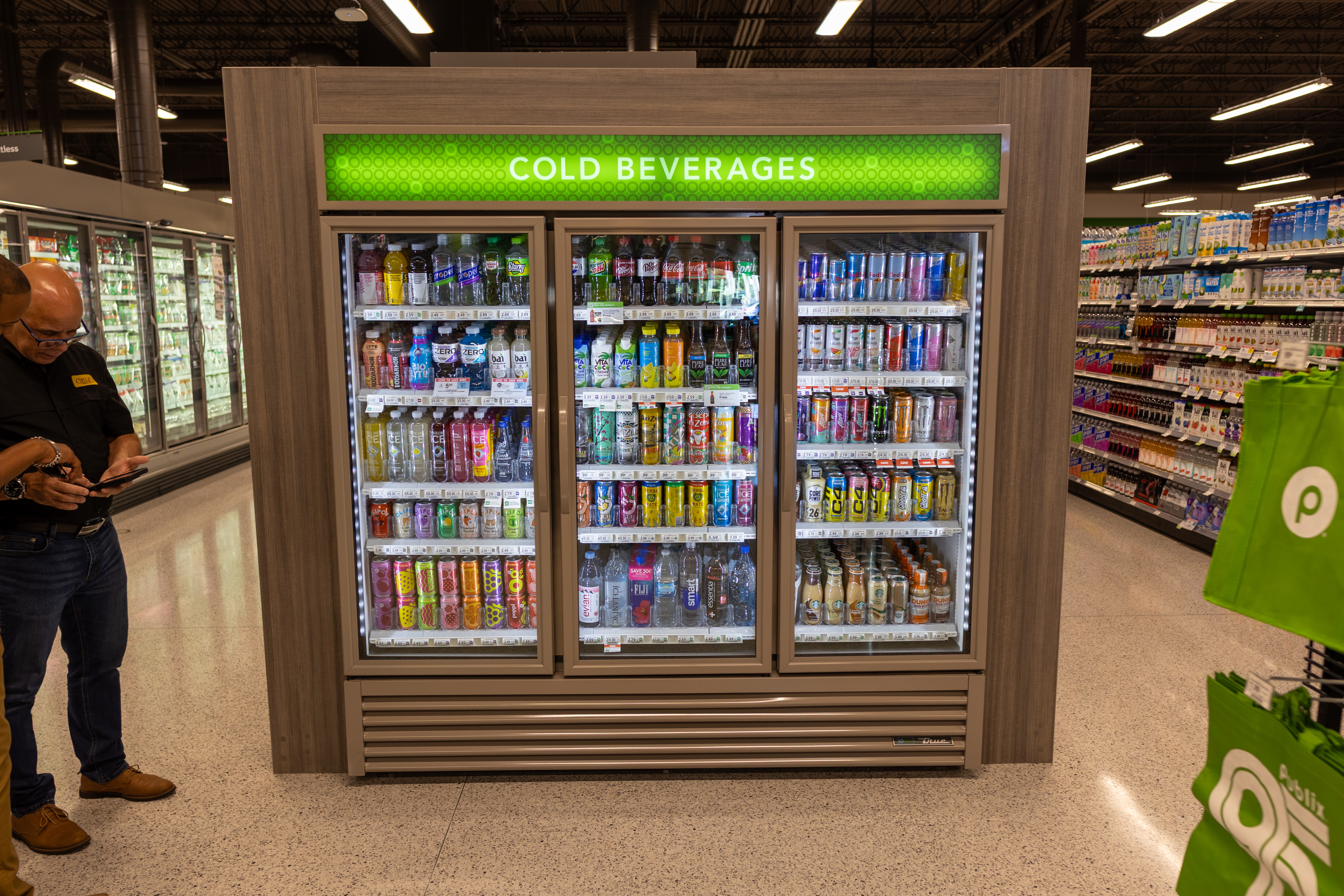
Hackers heated the fridges and freezers of hundreds of French supermarkets. Temperatures inside the units rose as high as 50 degrees Celsius. The attack struck overnight on October 11, reported The Straits Times.
What happened
A cyberattack is an attack on computer systems carried out over the internet. This one went after the refrigeration systems of French supermarket chains. The hackers pushed fridge and freezer temperatures up to 50 degrees Celsius, reported Al Jazeera.
That is 122 degrees Fahrenheit. The heat lasted for about six hours overnight, according to The Straits Times. Food in the affected fridges spoiled.
The attack also led to food losses and fires, the Paris prosecutor's office said.
France's biggest retail names were hit. Intermarché, Cooperative U and E. Leclerc confirmed an "unprecedented" cyberattack on Monday, reported Al Jazeera.
At least 300 Intermarché or Netto stores were targeted, the retailers told AFP. More than 100 Cooperative U outlets were hit too. Carrefour said 80 of its supermarkets were affected.
Monoprix said about 5 percent of its roughly 490 stores were hit. E. Leclerc said several of its stores were targeted.
Les Mousquetaires owns Intermarché. Around 150 of its stores had fridges heated to 50C, reported The Korea Times. The heat lasted six hours overnight.
A company spokesperson said all affected food was discarded to remove health risks. Affected stores had to throw away all fresh and frozen products, Intermarché told AFP. Al Jazeera reported the statement.
Intermarché CEO Thierry Cotillard spoke to BFM TV about the losses. He said they could reach "tens of millions of euros nationwide in a single day."
The Paris prosecutor's office called the attack "large-scale." Connected fridges at several major food retailers were hit, reported Al Jazeera. The damage showed on the street.
In Paris, Geert de Clercq watched staff dump cartfuls of defrosted food. The Korea Times reported it. They tossed it into a giant trash container.
Molten ice cream sloshed out of broken tubs.
One store director faced customers on camera. At Intermarché La Haye, fridge temperatures reached 27C, spoiling fresh and frozen food. The Guardian reported this in a video.
27C equals 80F. "Today, we have a total loss of fresh and frozen," said store director Julien Freret. He apologised to customers and called it "an enormous loss of products.
"
How the hackers did it
Supermarket cold aisles run on control panels. One panel controls all the fridges and freezers in a store. The panels can be reached over the internet, reported Al Jazeera.
This lets maintenance companies adjust them from anywhere. Remote access means a person can control a machine from far away, over the internet.
The attackers used a weakness in software from Danish company Danfoss. ANSSI is France's cybersecurity agency. It found the weakness, a source close to Prime Minister Lecornu told Reuters.
Al Jazeera reported this. Danfoss said it was "aware of incidents in France." The incidents hit "a limited number of refrigeration management systems.
" The affected units "were running outdated firmware." The company said so. Firmware is the basic software that runs a machine.
Danfoss said it had "long advised customers" to keep systems updated.
Researchers had flagged the risk before. In August, cybersecurity firm Claroty published research on Danfoss weaknesses, reported Al Jazeera. The research said attackers could bypass authentication.
Authentication is the security check that proves who you are. Once inside, attackers could log in from far away. They could switch on the fridge features, analyst Steven Lachance told Al Jazeera.
According to BFM TV, the hackers triggered forced defrosting in many stores. Al Jazeera reported this.
Why it matters
Food safety is the biggest worry. Food safety means food that is safe to eat and will not make people sick. Warm fridges let germs grow fast.
Meat, fish and dairy spoil quickly at high heat. That is why stores threw the food away instead of selling it. Les Mousquetaires said all affected food was discarded.
It acted "to eliminate health risks." The Korea Times reported it.
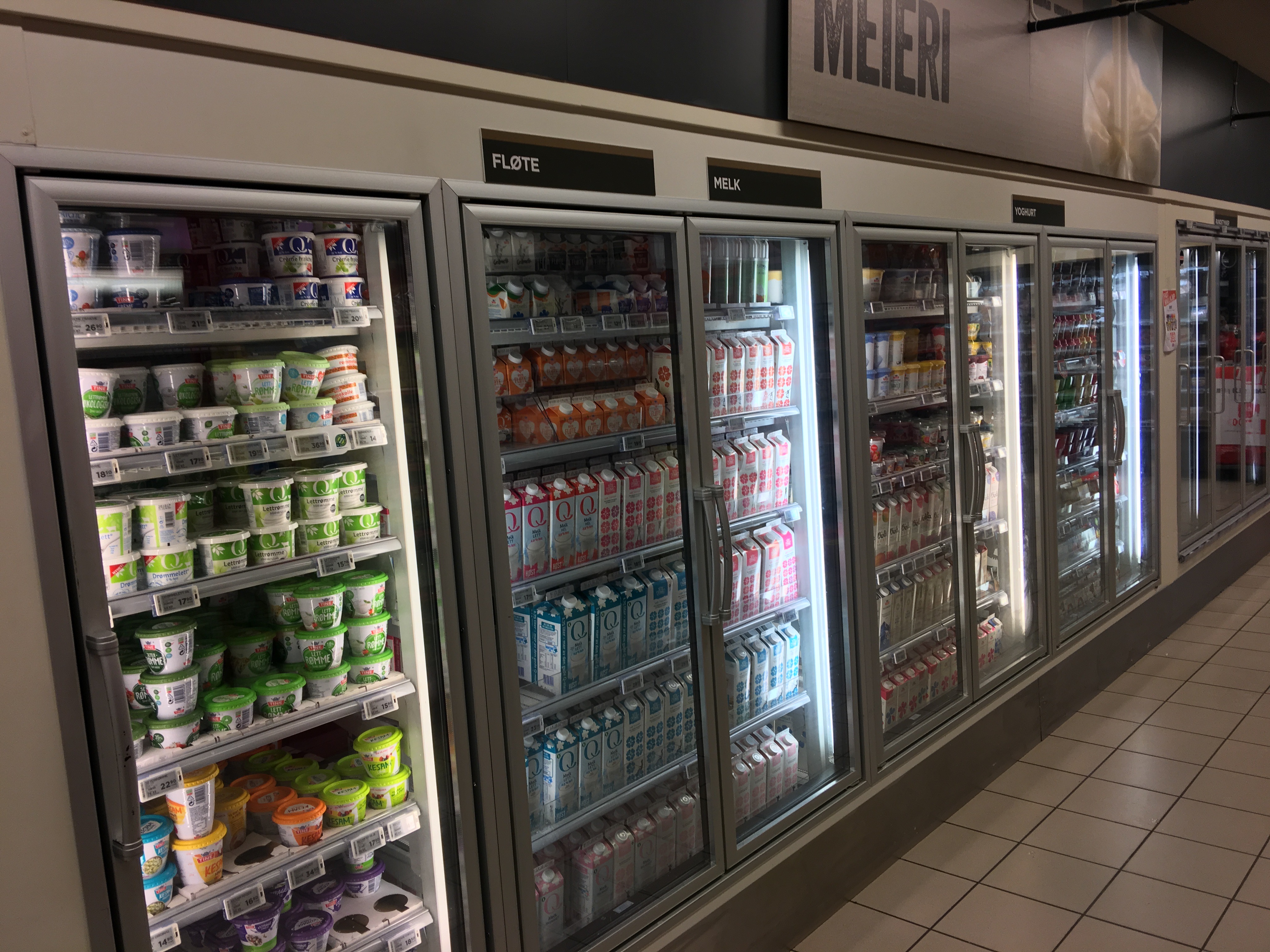
The attack also marks a frightening shift. Hackers are no longer just stealing data. They can now break physical machines through the internet.
Britain's National Cyber Security Centre issued a warning in August. It said hackers increasingly want to cause physical damage, reported The Straits Times. Muhammad Yahya Patel works at the cybersecurity firm Huntress.
He called such attacks the "next frontier for sabotage attacks," reported The Straits Times. He said they had been "weaponised against food retail infrastructure." Our cybersecurity hub tracks how online attacks hit the physical world.
An attacker who can heat fridges today could aim at worse targets tomorrow. "It could target energy infrastructure or hospitals," analyst Steven Lachance told Al Jazeera.
The money damage is huge as well. A single day of the attack may have cost retailers tens of millions of euros. Stores now face empty shelves and big restocking bills.
Some stores were already running again, said France's retail federation, the FCD.
Cooperative U chief executive Dominique Schelcher said the attack hit his stores on Sunday night. He wrote on X about equipment "essential to the preservation of fresh products." He called the attack "extremely serious and unprecedented.
" He added: "It is unacceptable."
What happens next
France is fighting back. Prime Minister Sébastien Lecornu ordered ANSSI to investigate. ANSSI is the national cybersecurity agency.
A person in his office told Reuters, reported The Korea Times. France is working with European partners. Other countries may be hit too, the person said.
Officials are also checking whether other French companies are at risk.
The damage may already cross borders. Felix Aime is an analyst at Sekoia Threat Detection and Research. He said Spain, Portugal, Poland, Germany and Belgium were also affected, reported Al Jazeera.
In the Netherlands, Ahold Delhaize reported a "security issue" on its network. The Korea Times reported it. The company denied any link to the French attacks.
It said it saw "no reason to see a link," reported The Korea Times.
Retailers want answers from Danfoss. The FCD federation called on the Danish company to give "full transparency," reported Al Jazeera. Danfoss said the hit systems were old models.
They no longer receive security updates, reported The Straits Times. The company said customers should update their firmware and replace old equipment.
The lesson reaches past supermarkets. Hackers have also learned to hijack phones and other everyday gadgets. Smart home devices face the same danger.
They stay connected to the internet around the clock.
Steven Lachance called the attack "a global wake-up call," reported Al Jazeera. He said the world now runs on connected machines. These machines live on the internet, and they can be hacked.
He called for strong national and international measures to stop such attacks. For now, French shoppers face empty fridge aisles. They also face a hard question: who guards the machines that guard their food?
Related stories

Apple plans two October launches: smart home hub, OLED MacBook Pro
Apple set October 13 for a smart home launch with a new hub, Apple TV 4K and HomePod mini, then October 27 for OLED MacBook Pro models

How to Check If Your Phone Supports eSIM in 30 Seconds
Dial *#06# and look for an EID number to confirm eSIM support in under 30 seconds. This guide also walks through the iPhone and Android

eSIM vs iSIM: what is the difference?
An eSIM is a dedicated chip on the phone's board, while an iSIM lives inside the processor itself. Qualcomm's Snapdragon 8 Gen