
Tesla Powerwall 3 learns to turn cheap electricity into heat
Web StoryWatch this story in 15 seconds →Key takeaways
- Tesla launched Heat Pump Optimization for Powerwall 3 and Powerwall 3P in Europe. It is not yet available in the United States or Canada.
- The feature tells a compatible heat pump when to work harder. Extra heat goes into a hot water tank for later use.
- The math is simple. Heating water when power is cheap saves money and leaves the battery free for other loads.
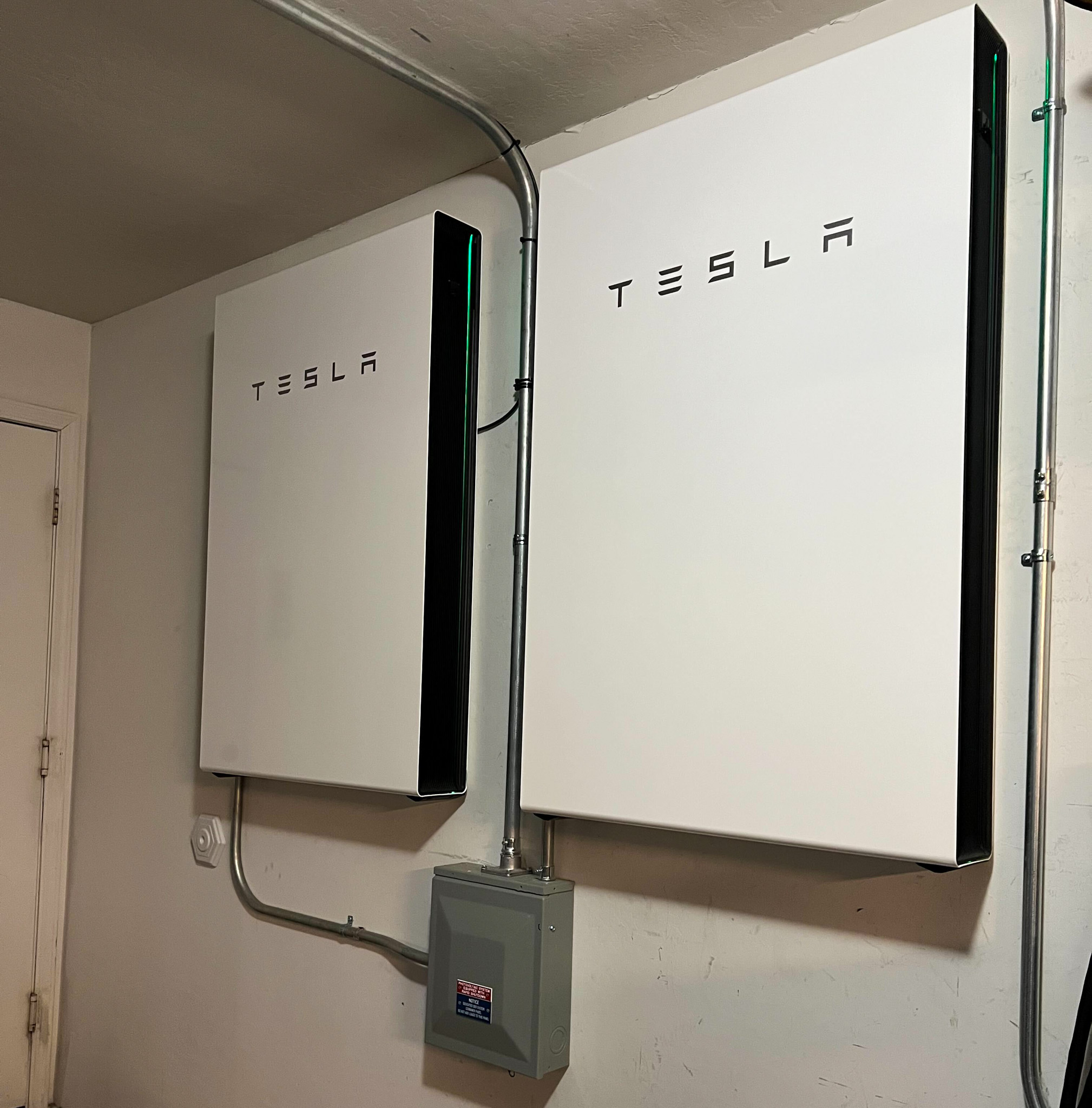
Tesla gave its home battery a new skill. The Powerwall 3 can now tell a heat pump when to work harder. The goal is simple. Heat water when electricity is cheap or when spare solar is flowing.
Tesla Energy announced the feature on October 30, 2026. It is called Heat Pump Optimization. It works with Powerwall 3 and the three-phase Powerwall 3P. For now, it is live in Europe only.
What happened
Tesla rolled out the feature to European owners of Powerwall 3 and Powerwall 3P. The company announced it on X on October 30. Coverage followed on November 2.
The idea is straightforward. A heat pump is one of the biggest electricity users in a home. The Powerwall watches two things all day.
It watches how much solar the home makes. It also watches electricity prices.
When conditions are right, the Powerwall sends the heat pump a signal. The signal says "boost". The heat pump then heats water beyond what the house needs right now.
The extra heat sits in a hot water tank or a buffer tank. A buffer tank is just an insulated box of hot water used for heating.
Later, when prices are high, the heat pump can rest. The stored heat covers the home's needs. This moves heating away from the expensive hours.
Electrek first reported the launch in detail on November 2. The Cool Down confirmed the rollout the same day. Both outlets cite Tesla's own install guide and the company's October 30 post on X.
How the two signals work
The Powerwall sends one of two signals to the heat pump. The first is normal. It means "run as usual". The second is boost. It means "heat more than you need right now".
What triggers a boost depends on the Powerwall's mode. Tesla gives owners two choices. In Self-Powered mode, the boost only fires when there is spare solar.
That means solar left over after the home's other loads are covered.
In Savings mode, the rules are wider. The boost can fire when solar is available. It can also fire when grid power is at its cheapest.
Tesla uses a 24-hour tariff forecast to find those cheap hours. A tariff is simply the price schedule the power company sets.
Boosted mode raises the heat pump's target temperature. Normal mode keeps the usual thermostat schedule. Once installed, the system runs on its own.
The heat pump does not stay boosted forever. Tesla says the controls drop back to normal if prices rise or solar fades.
The wire, not the cloud
There is a catch. The feature does not talk to the heat pump over the internet. It uses a physical wire. That keeps it simple and reliable, but it limits who can use it.
The connection runs on a standard called SG-Ready. The name means Smart Grid Ready. The German Heat Pump Association introduced it back in 2012. It was built with 17 manufacturers.
Only certain pumps qualify. The heat pump must be SG-Ready certified. It needs an accessible SG-2 contact.
That is the terminal where the control wire connects. The pump must also be set to accept outside signals.
A Tesla-certified installer has to do the wiring. The installer runs a two-wire low-voltage cable from the Powerwall to the heat pump. Then the installer sets the SG-2 contact in the Tesla app during setup.
The requirements are specific. The owner needs a Powerwall 3 or Powerwall 3P with firmware 26.26 or later. The Tesla app must be version 4.59.1 or later.
The heat pump must be SG-Ready certified with an open SG-2 terminal.
The signals are only suggestions. The heat pump's own thermostat can override them. Each signal must also last at least ten minutes.
That rule comes from the SG-Ready standard itself.
There is one more quirk. The Tesla app has no on-off switch for the feature. Once the wiring is done, it just runs.
During a power outage, it drops back to normal. That lets the Powerwall save its stored power for backup.
Why it matters
The math is what makes this interesting. Hot water is a cheap battery. A 300-liter tank is common in European heat pump homes. Heat that water by an extra 30 degrees Celsius and it holds a lot of energy.
According to Electrek's calculation, that stores about ten and a half kWh of heat. A kWh is the unit on your power bill. The clever part is the cost of making that heat.
A heat pump with a COP of 3 uses only one unit of electricity to move three units of heat.
So the owner spends about three and a half kWh of electricity to bank ten and a half kWh of heat. Compare that with a battery. The Powerwall 3 stores 13.5 kWh.
By storing heat in water, the home saves its battery power for other loads. Those include lights, computers, and appliances that cannot run on hot water.
Germany shows the market size. The country sold 299,000 heating heat pumps in 2025. That was up 55 percent from the year before, according to the German Heat Pump Association. For the first time, heat pumps made up nearly half of all new heating systems sold in Germany.
Tesla is also catching up. The German company sonnen pushed a similar software update back in 2023. It lets its batteries run heat pumps off spare solar. SG-Ready control has been a standard part of German solar energy managers for years.
What happens next
Europe comes first. Tesla has said nothing about bringing the feature to the United States or Canada. That matters for North American owners.
The reason is the hardware standard. SG-Ready is a European system. It barely exists on the other side of the Atlantic.
According to Electrek, the wiring standard the feature needs is nearly nonexistent in North America.
Canadian buyers have had Powerwall 3 since May 2024. Still, Tesla has not confirmed the heating feature for Canada. The Cool Down reports no North American release schedule at all.
This fits a pattern. Tesla Energy has been launching products in Europe first. Earlier this year, it launched the Powerwall 3P with a built-in three-phase inverter.
It aimed that model squarely at Germany, Austria, and Switzerland.
Tesla has now shipped more than one million Powerwalls. Software features like this one make each installed unit more valuable. The company needs no new hardware to sell.
It just sells a smarter use of what is already on the wall.
Owners with compatible heat pumps in Europe can ask their installer about the wiring. Everyone else will wait. If you own a Powerwall in the United States or Canada, the feature is not coming yet.
Tesla will say more if that changes.
Meanwhile, Tesla keeps pushing new products in other markets. The company pulled the Cybertruck from Australia and continues to refocus its energy business on battery software. Earlier today, Apple reported its own quarterly results with new leadership at the helm.
Related stories
Apple plans two October launches: smart home hub, OLED MacBook Pro
Apple set October 13 for a smart home launch with a new hub, Apple TV 4K and HomePod mini, then October 27 for OLED MacBook Pro models
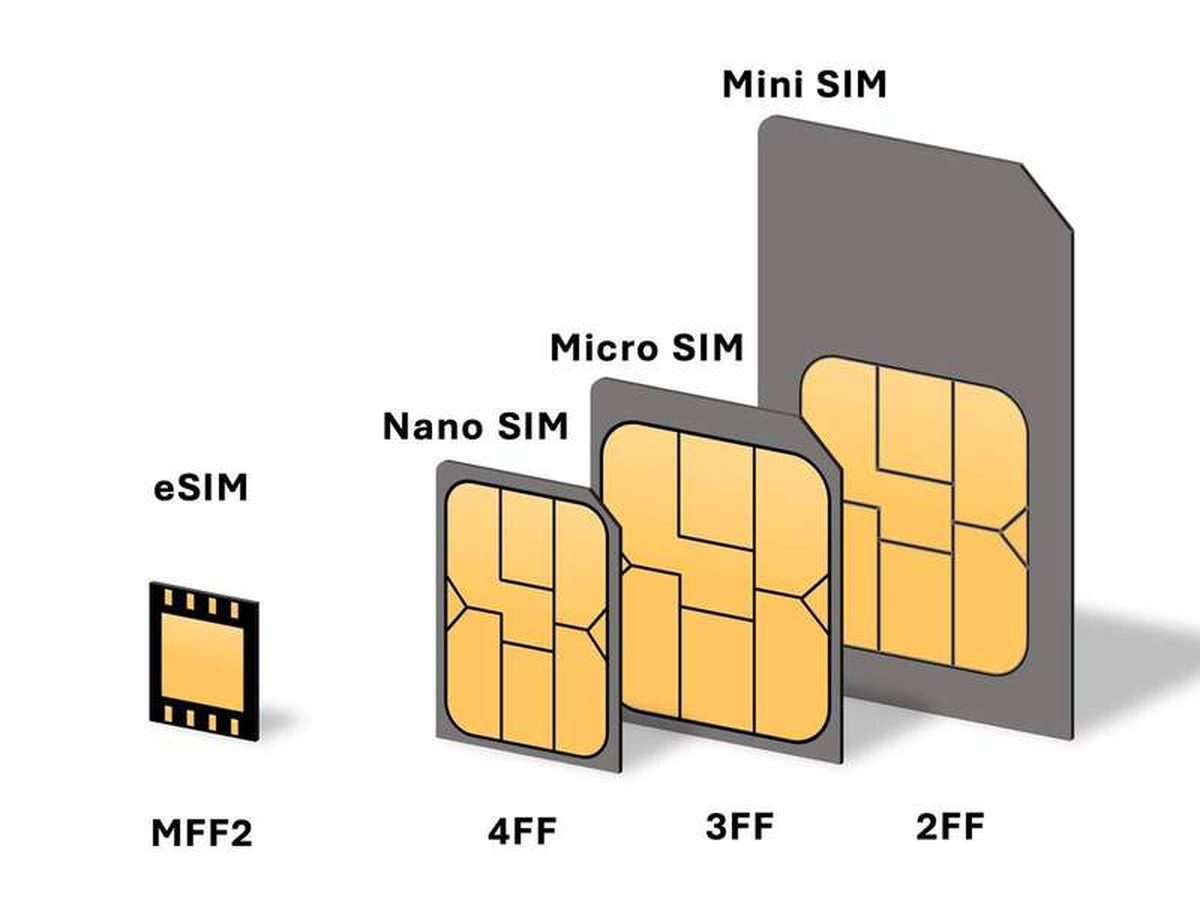
How to Check If Your Phone Supports eSIM in 30 Seconds
Dial *#06# and look for an EID number to confirm eSIM support in under 30 seconds. This guide also walks through the iPhone and Android
eSIM vs iSIM: what is the difference?
An eSIM is a dedicated chip on the phone's board, while an iSIM lives inside the processor itself. Qualcomm's Snapdragon 8 Gen