
Air India flight diverted to Jaipur after bomb threat scare
Key takeaways
- Air India flight AI2030 left Frankfurt for Delhi on Oct 14. A security alert sent it to Jaipur instead.
- The plane landed safely in the morning. Security teams checked the jet, the bags, and the cargo holds.
- Officials cleared the plane. It flew on to Delhi that afternoon, and all on board were safe.
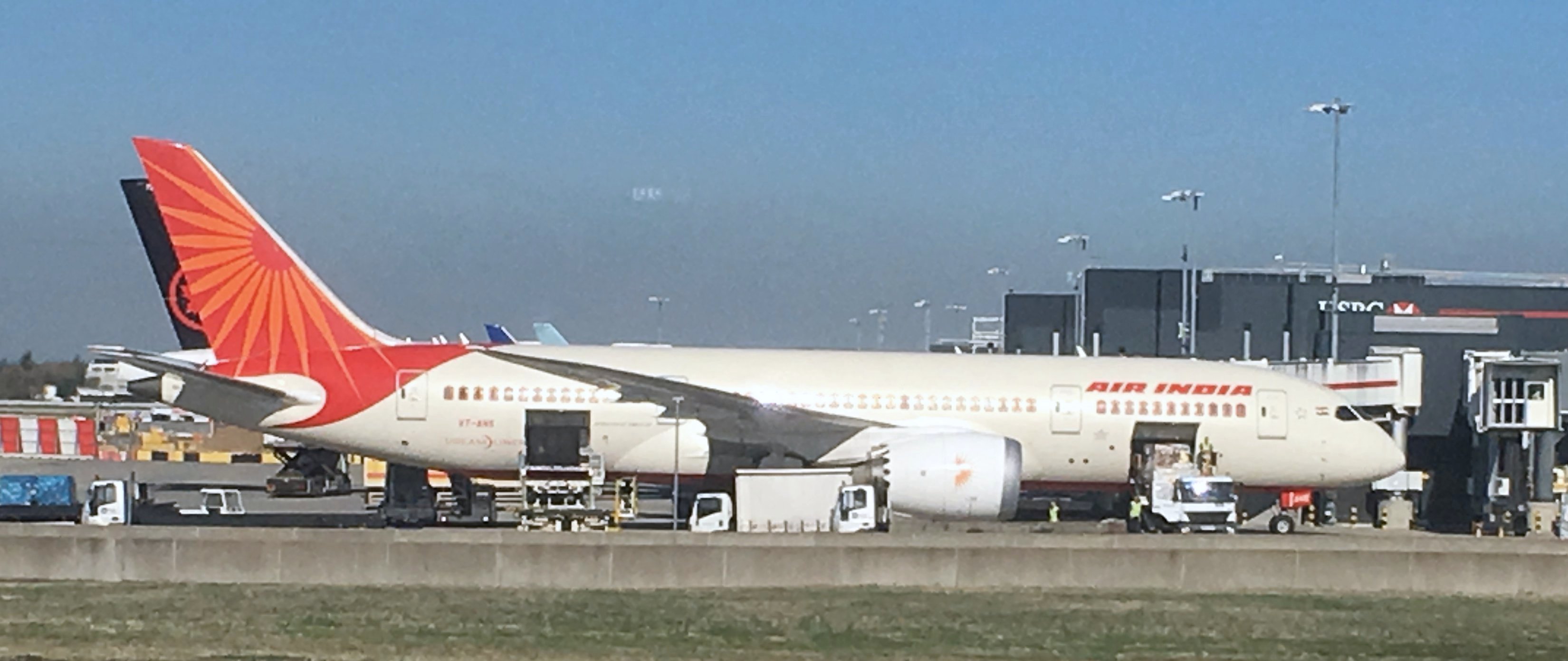
An Air India flight from Frankfurt to Delhi landed in Jaipur on Oct 14. A security alert forced the change of plan. No one was hurt.
What happened
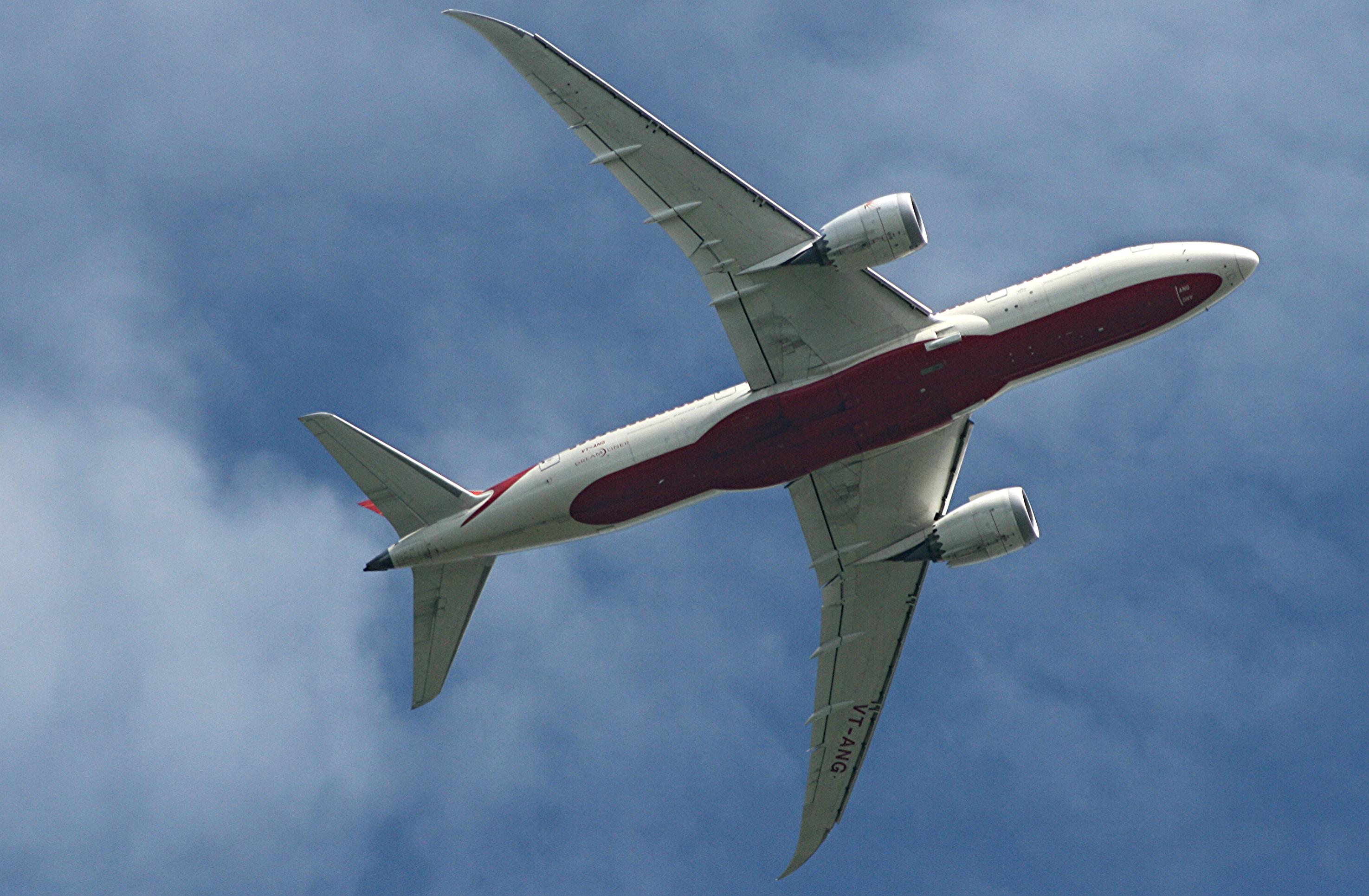
Flight AI2030 took off from Frankfurt in Germany. Its goal was New Delhi, the capital of India. The plane was a Boeing 787-9 Dreamliner.
The trouble started while the plane flew over India. The pilot sent a rare alert code. The code was Squawk 7500.
This code tells air traffic control about unlawful interference. In plain words, it means someone may have taken over the plane. It is the global signal for a hijack alert.
Early reports also spoke of a bomb threat. Police officer Shiv Dayal told PTI that airport staff had warned police. He said the plane would land early after a bomb threat.
The two words caused fear. A bomb threat and a hijack scare are not the same. But crews treat both with the top level of care.
Air India later used softer words. It called the event a perceived security concern. That phrase means a threat that seemed real at the time.
The plane turned toward Jaipur. Jaipur is a city in Rajasthan, about 280 km from Delhi. The Economic Times put the landing time at around 9:35 a.
m.
What is Squawk 7500?
Pilots use small codes to talk to the ground. These codes are called squawk codes. They fly through a device called a transponder.
Squawk 7500 means unlawful interference. That is the formal term for a hijack. Pilots set it when they fear a takeover.
The code does not prove a hijack took place. It only warns the ground. In this case, the warning proved enough to divert the plane.
Air traffic control in Ahmedabad got the code, NDTV said. The plane was then in the Mumbai Flight Information Region. This region is a zone of sky that Mumbai control watches.
The landing in Jaipur
The plane landed safely at Jaipur International Airport. Ground crews moved it to an isolation bay. An isolation bay is a parking spot far from other planes.
This step keeps other flights safe. It also gives security teams room to work. Jaipur airport said normal flights kept running.
Police and security teams formed a ring around the plane. Teams from CISF, local police, and the Bomb Detection and Disposal Squad took part. CISF is the force that guards Indian airports.
The teams checked the plane from nose to tail. They checked bags and cargo holds too. Cargo holds are the lower rooms where bags and freight travel.
All passengers and crew left the plane. They went through fresh security checks. Their bags went through checks as well.
The number of people on board was not yet known. News reports said this fact was still unclear. We do not list a number here.
The all-clear
Hours passed while the checks went on. Then the Aerodrome Committee reviewed the case. The Economic Times said the group found the threat alert resolved.
Air India then shared a clear update. It said security teams had cleared the plane and crew. All passengers had passed checks and boarded again.
The airline also said sorry for the trouble. It said its teams worked with officials to limit delays. Safety stayed the top goal, it said.
The plane left Jaipur for Delhi in the afternoon. NDTV said it reached Delhi that evening. That ended the long detour.
What passengers faced
Passengers left the plane in steps. Teams watched each step. This is called a phased exit.
They waited in a holding area. Their bags went through fresh scans. This takes time, but it keeps all safe.
Air India offered two choices. Passengers could change their flight for free. Or they could cancel and get a full refund.
Long waits are hard. But the checks come first. A plane cannot fly on until teams give the all-clear.
Why it matters
A mid-air alert can turn a normal flight into a crisis. Crews must act fast with little proof. They cannot wait to learn if a threat is real.
That is why the pilot used Squawk 7500. The code wakes up the whole safety chain. Air traffic control, police, and airport teams all move at once.
Airports use a fixed drill for such alerts. First, they clear a path for the plane. Then they send it to an isolation bay.
Next, teams check the plane, bags, and cargo. They also keep other flights away from the zone. This drill ran in Jaipur on Oct 14.
This was not the only scare this week. Delta flights faced bomb threats a day earlier. Those planes were also cleared, and the alerts looked like hoaxes.
A similar drill ran for an IndiGo flight that made an emergency landing. That case shows the same rule: land safe, check all, then fly on.
Each scare costs time and money. Planes burn extra fuel. Crews run past duty hours.
Passengers miss links and meetings.
False alerts also test the system. They show if teams can act fast. They also show if calm rules hold under stress.
Here the system worked. No one was hurt. The checks ran in full.
The plane flew on the same day.
Still, one question stays open. Officials had not yet said where the alert came from. The cause of the scare was still unclear at the time of writing.
What happens next
Police will now trace the source of the alert. They will ask how the threat reached the plane. They will check if it came from a call, a note, or a false alarm.
Air India will help with the probe. The airline offered free new bookings to hit passengers. It also offered a full refund for those who cancelled.
Passengers should keep their booking proof. They may need it for refunds or new flights. They should also watch the airline's updates.
For flyers, the lesson is simple. Flight delays can hide a safety step. Crews may stay quiet until facts are clear.
A second lesson is about calm. The crew kept control. The ground teams moved in order.
That calm kept a scare from turning into harm.
The Jaipur landing will stay in the news for a few days. More facts may come out as police dig deeper. For now, the key fact stands.
All on board were safe, and the plane reached Delhi.
Related stories

The 3-1-1 liquids rule for planes: what each number means
TSA's 3-1-1 rule limits carry-on liquids to 3.4-ounce containers in one quart bag. Where the 2006 rule came from, what counts, and how

Why Is Airplane Food So Bland at Altitude?
A 2010 Fraunhofer study found altitude cuts sweet and salty perception by up to 30 percent. Low humidity, cabin pressure, and noise all

Carry-on size limits: why airlines each set their own
Airlines set their own carry-on limits because the FAA only requires each carrier to have a policy, not one global size. Why 22 x 14 x