
Delta bomb threats hit two New York Tel Aviv flights in one day
Key takeaways
- Two Delta flights between New York and Tel Aviv faced bomb threats on Oct 13. Both threats turned out to be hoaxes.
- The first plane landed in Tel Aviv and was evacuated. Security teams searched it and found nothing.
- The second plane was held at JFK in New York. It left only after checks were done and the threat was cleared.
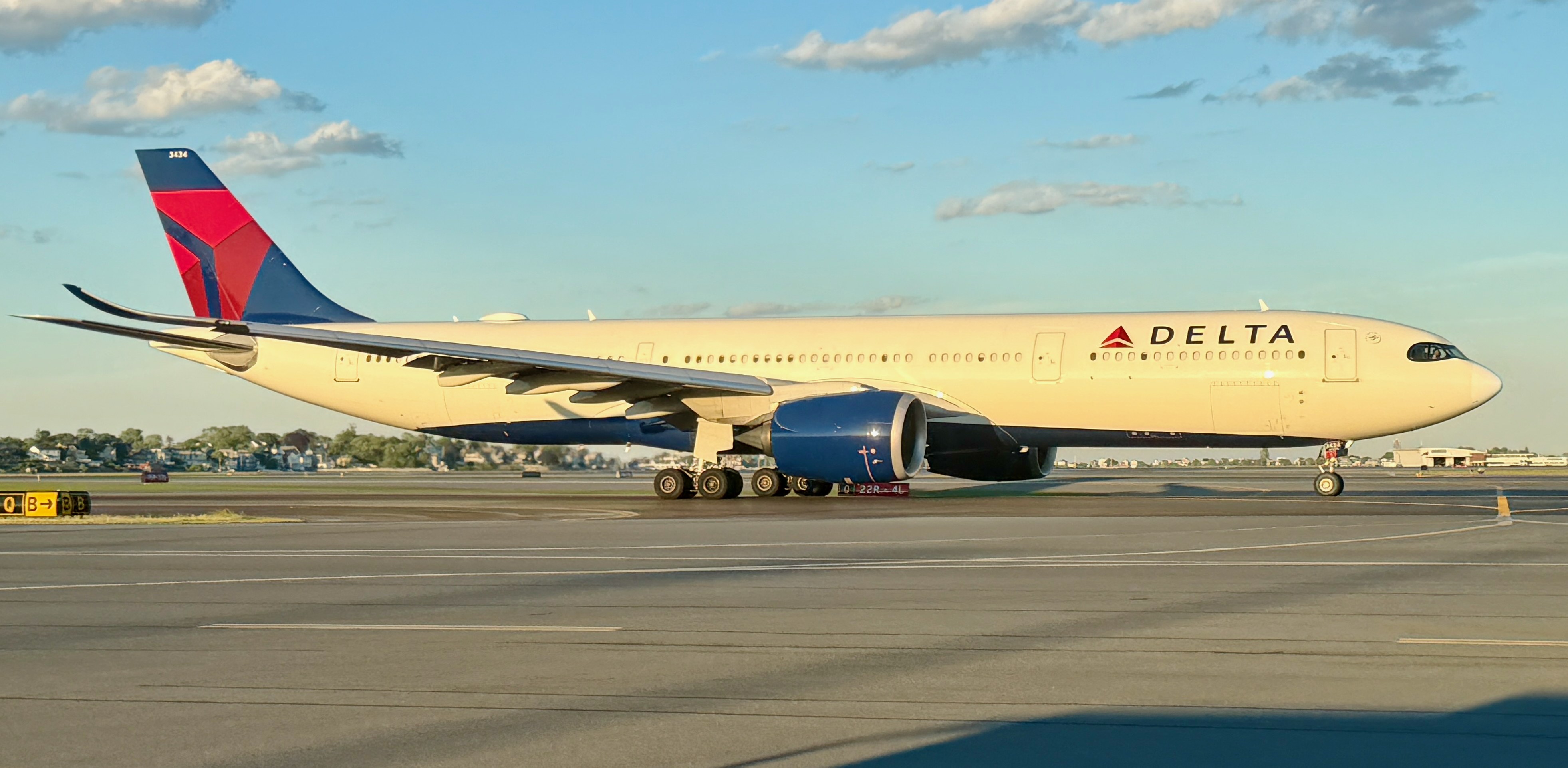
Two Delta flights faced bomb threats in one day. Both flights ran between New York and Tel Aviv. Both threats turned out to be false.
Around 50,000 people searched for Delta in 24 hours.
No one was hurt. No bomb was found on either plane. But both incidents caused long delays.
They also show how airlines must treat every threat as real.
A bomb threat is a warning that a bomb may be on board. It can come as a phone call or a message. Airlines cannot ignore it.
They must check the whole plane. Safety comes first, even when the threat is likely a hoax.
What happened
The first incident took place on Tuesday morning, Oct 13. Delta flight DL234 had flown from New York to Tel Aviv. It left Kennedy Airport in New York just after 3:30 in the afternoon on Monday.
It landed at Ben Gurion Airport at about 8:30 in the morning local time on Tuesday.
An anonymous report said a bomb was in the cargo hold. The cargo hold is where checked bags sit under the plane.
After landing, the plane did not go to a normal gate. It was moved to a remote parking area. That is a spot far from the terminal and other planes.
It keeps other people safe while teams search.
All passengers got off the plane. Security teams then searched the aircraft. They also checked the bags.
The Israel Airports Authority later said the incident ended with no unusual findings. Airport work returned to normal later that morning.
The plane was an Airbus A330neo. Flight tracking data cited by Simple Flying gave its registration as N423DX. It had flown from New York on Oct 12 and arrived the next morning.
The second incident took place hours later in New York. Another Delta plane was set to fly the same route. It was also flight DL234.
It was on the runway at JFK. It was set to leave at 10:40 at night Israel time.
Police got a phone call. The caller said a bomb was on board. The plane was denied clearance for takeoff.
It had to wait on the runway while teams checked it.
Officials suspect the same person made both calls. The second threat also turned out to be false. The plane was later cleared for takeoff to Tel Aviv, according to Israel National News.
The threat was determined to be a hoax.
Delta gave a statement about the first flight. The airline said the safety of its customers and crews comes first. It said the flight was deplaned out of an abundance of caution.
It said no credible threat was found. It said customers and crew were taken safely to the terminal.
Delta runs a daily flight between JFK and Tel Aviv. It restarted the nonstop service in September 2026. It had paused the route earlier in the year.
The restart came after a review of safety in the region.
Why it matters
Two threats in one day are rare. They point to one caller, not two real bombs. Police believe the same person made both calls.
That makes the incidents look like a planned hoax.
A hoax is a false warning made to cause fear. Hoaxes still cause real harm. They delay flights.
They scare passengers. They pull security teams away from other work. They cost airlines time and money.
The incidents also show how strict the checks are. A single anonymous report can move a whole plane. It can empty a plane of passengers.
It can shut down part of an airport. That is by design. Airlines would rather check and find nothing than miss a real threat.
The timing also matters. Security in the region is tight right now. Simple Flying noted a recent incident on a flydubai flight bound for Tel Aviv.
In that case, a crew member allegedly attacked the captain during the flight. The plane diverted to Saudi Arabia. That event raised fresh concern about flight safety.
Israeli officials have been reviewing aviation safety rules. The Delta incidents came right in the middle of that review. They show why the rules are strict.
They also show the pressure on crews who fly the route.
For passengers, the main lesson is simple. Threats can ground a plane even when nothing is wrong. Delays are part of the safety system.
The system worked as planned on Oct 13. Both planes were checked. Both were cleared.
No one was hurt.
What happens next
Police will keep looking for the caller. Making a false bomb threat is a crime. It can lead to arrest and prison time.
It can also lead to big fines. Officials have not named a suspect yet.
Delta is expected to keep flying the New York to Tel Aviv route. The airline has said it watches the region with care. It works with government agencies on safety.
A hoax alone does not normally end a route.
Passengers on the two flights faced long waits. Some may get help from Delta for the delay. The airline said sorry to customers for the trouble.
It thanked its team for a professional response.
Travelers on this route should expect tight checks for now. Security teams may take more time. Bags may get a second look.
Flights may face more questions before takeoff. These steps are normal after a threat.
If you fly soon, arrive early. Keep your documents ready. Follow crew instructions at all times.
If you hear a threat, tell staff right away. Do not try to check it yourself.
Read how a Delta flight once saw a midair arrest. Learn why planes sometimes dump fuel before emergency landings. See how codeshare flights work when two airlines sell one trip.
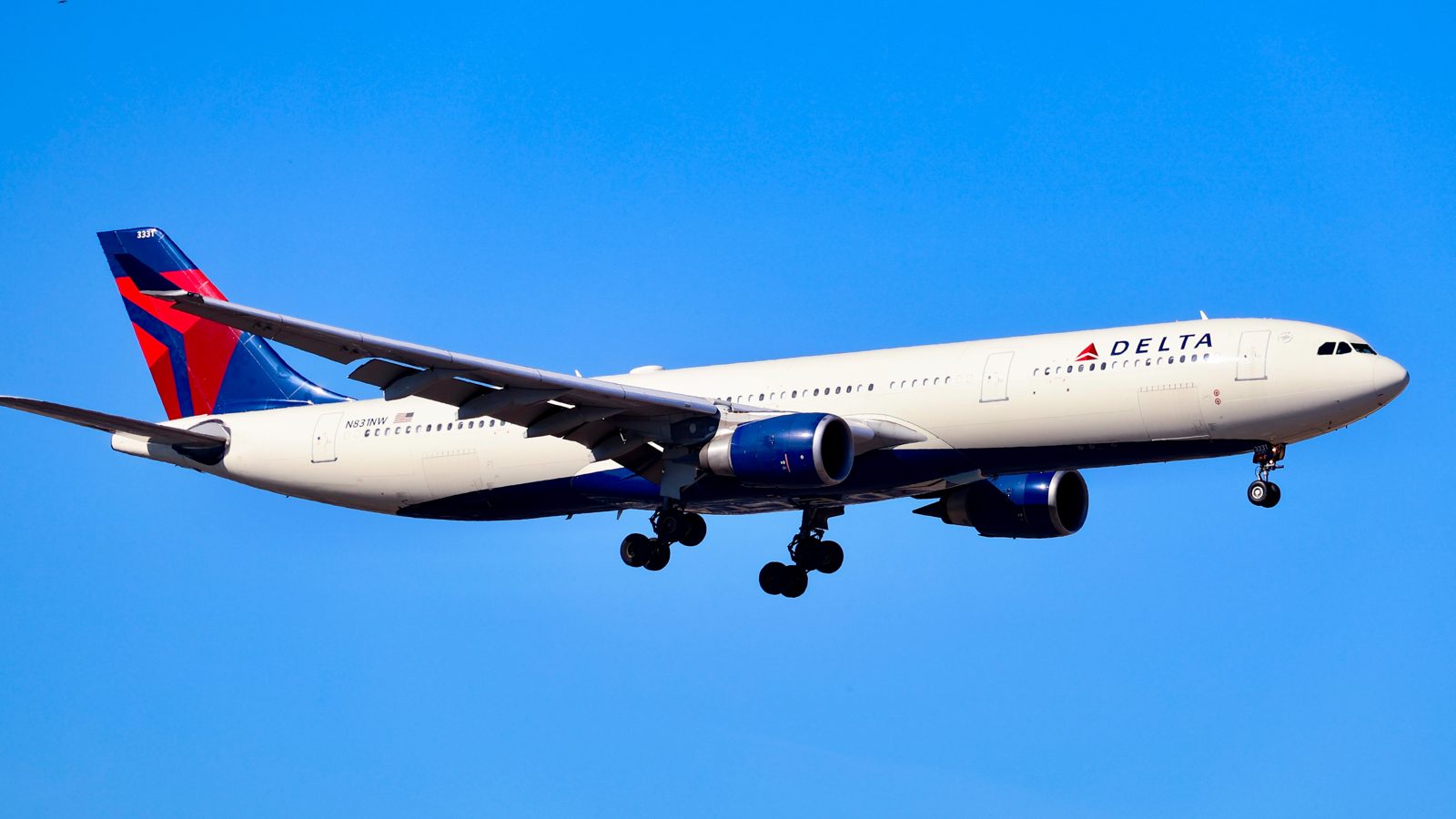
The key fact is clear. Both threats were false. Both planes were safe.
The system did its job. The next step is to find who made the calls and stop it from happening again.
Related stories

The 3-1-1 liquids rule for planes: what each number means
TSA's 3-1-1 rule limits carry-on liquids to 3.4-ounce containers in one quart bag. Where the 2006 rule came from, what counts, and how

Why Is Airplane Food So Bland at Altitude?
A 2010 Fraunhofer study found altitude cuts sweet and salty perception by up to 30 percent. Low humidity, cabin pressure, and noise all

Carry-on size limits: why airlines each set their own
Airlines set their own carry-on limits because the FAA only requires each carrier to have a policy, not one global size. Why 22 x 14 x