
Codeshare Flights: Why Your Ticket Names Two Airlines and Who Flies It
Key takeaways
- A codeshare flight is one physical flight sold under two or more airlines' flight numbers by partner airlines.
- The operating carrier flies the plane; the marketing carrier sells the ticket. Cabin, meals, and service follow the operating carrier.
- Check-in, baggage rules, miles earning, and who helps during disruptions all deserve a look before you book a codeshare.
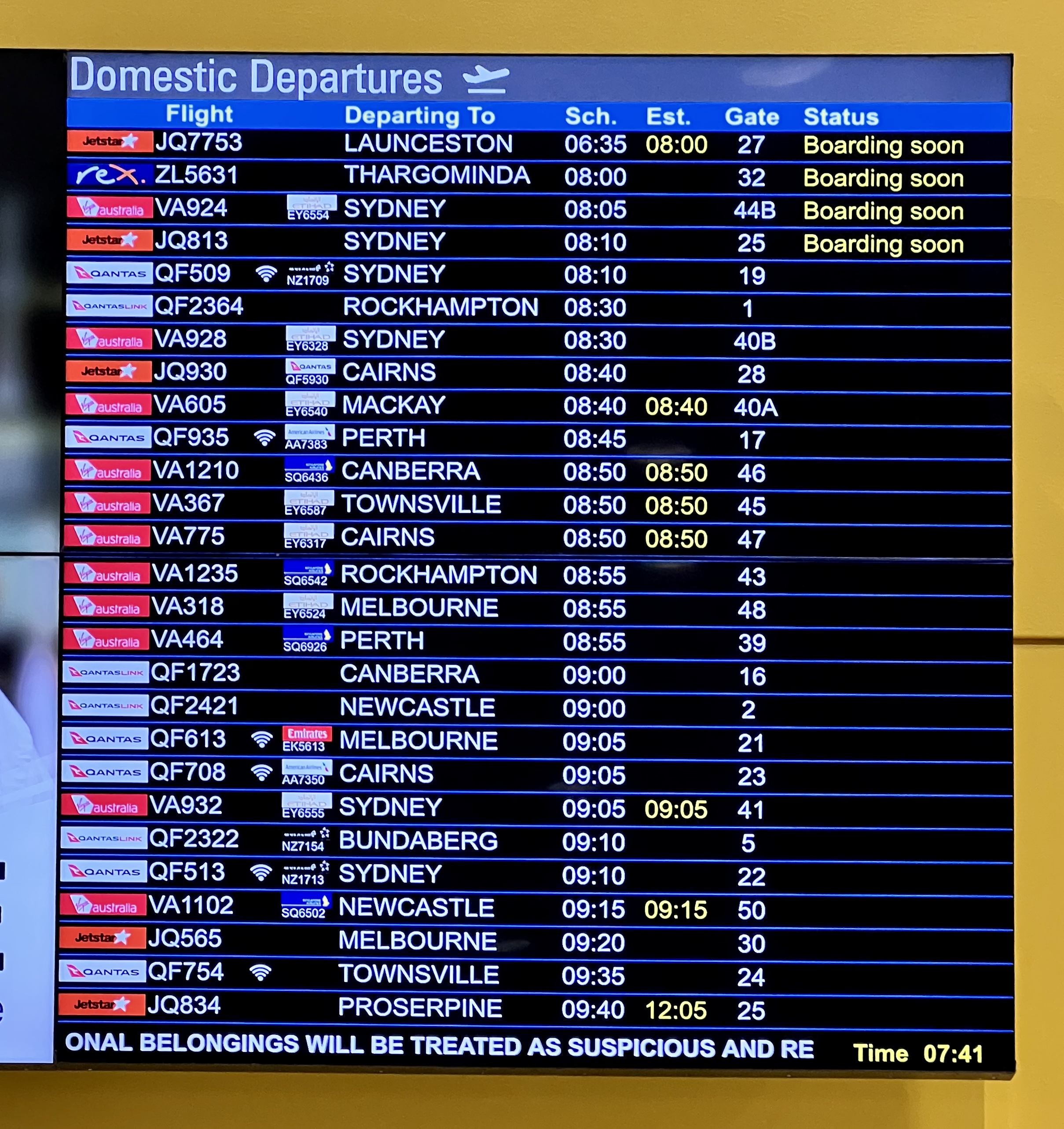
A codeshare flight is a single flight that two or more airlines sell under their own flight numbers. One airline, called the operating carrier, actually flies the aircraft. The other, called the marketing carrier, sells seats on that same flight using its own airline code and flight number.
So if your booking confirmation says your ticket is on United, but the fine print says "operated by Lufthansa," you have a codeshare ticket. You board one plane, but two airlines have a commercial stake in your seat.
This article explains what codeshare flights are, why airlines sell the same seat twice over, and what to verify before you fly one, including check-in, baggage rules, miles, and what happens when the flight is delayed or canceled.
What is a codeshare flight?
The US Department of Transportation defines code sharing as a marketing arrangement in which an airline places its designator code on a flight operated by another airline, and sells tickets for that flight. In the United States, carriers that want to run codeshare services must first obtain a Statement of Authorization from the Department under Part 212 of its economic regulations, granted only if the arrangement is found to be in the public interest.
The word "code" refers to the identifier in the flight schedule: the two-character IATA airline designator plus the flight number. On a codeshare, a flight operated by airline XX as flight XX224 might also be sold by airline YY as YY568 and by airline ZZ as ZZ9876. Airlines YY and ZZ are called the marketing carriers, while XX is the operating carrier.
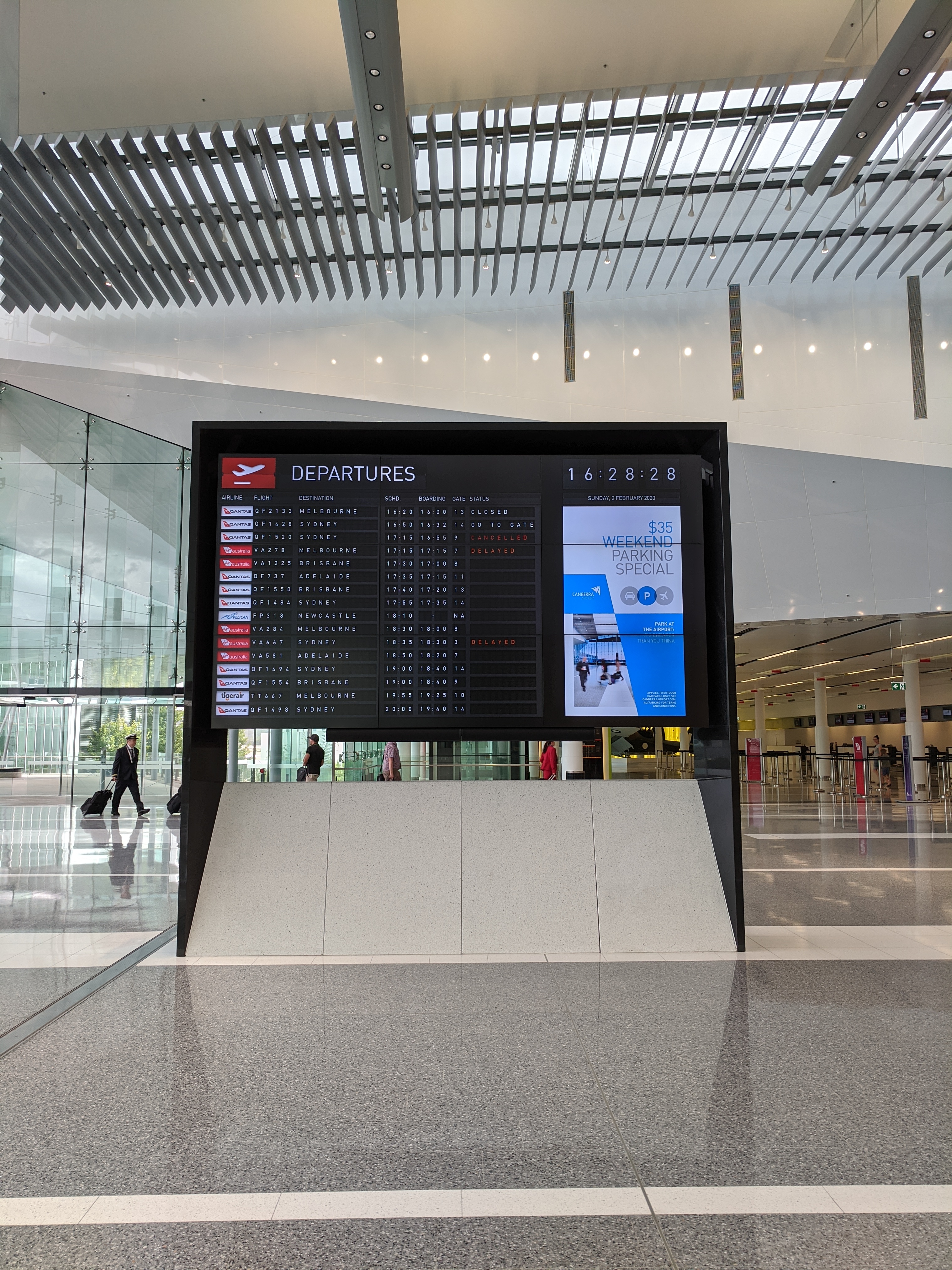
On departure boards, codeshares show up as several flight numbers listed at the same time and gate. That duplication is the visible fingerprint of a codeshare agreement, and it appears at airports from Warsaw Chopin to Fukuoka.
How a codeshare works in practice
Consider a real example documented by The Points Guy. United and Lufthansa are Star Alliance members and long-standing codeshare partners. You can book flight UA8838 on the United website from Newark (EWR) to Frankfurt (FRA), yet the booking page notes that Lufthansa operates the flight.
Lufthansa sells that identical service as LH403. Either booking puts you on the same aircraft.
Check-in is typically handled by the operating carrier. If you bought your ticket on the marketing carrier's website, the airport may redirect you to the operating carrier's check-in desks or website. Reading your itinerary before you travel, including which airline handles check-in, saves confusion at the gate.
Because the operating carrier controls the product, the cabin experience reflects its standards. A transatlantic flight on a Lufthansa-operated 747-8 will differ from a United-operated 767, even if you booked both on the United site. In premium cabins especially, checking the operating carrier and its product before booking is worth the effort.
The scale of this practice is larger than most travelers realize. The Federal Aviation Administration's Inspector General reported that more than 13,000 regional airline flights take off every day in the US, with approximately 160 million passengers traveling on regional aircraft each year, much of it sold through codeshare-style joint marketing agreements between mainline and regional carriers.
How codeshares differ from alliances and interline tickets
Airline partnerships come in several flavors, and the terms blur together. The Points Guy draws a clean line between three of them.
A codeshare puts the marketing carrier's own flight number on the operating carrier's plane. An interline agreement is simpler: it is a ticketing agreement that connects itineraries across carriers, with each carrier keeping its own code and no shared flight number. An alliance is a formal multilateral partnership, like Star Alliance, SkyTeam, or oneworld, that covers earning and redeeming miles across all member airlines.
Codeshares sit in the middle of the spectrum. They are more operationally integrated than a basic interline ticket, because the marketing carrier's commercial terms apply to the booking, but narrower than full alliance membership, because they are bilateral agreements between two specific carriers. Non-alliance codeshares, such as Air Canada's arrangements with Emirates and Etihad, can be especially useful because they extend your rewards' reach to carriers your alliance does not cover.
What to check before you book a codeshare
Codeshare flights usually work seamlessly, but a few variables deserve confirmation before you finalize the booking.
Baggage policy. Checked-baggage rules can follow either the marketing carrier or the operating carrier, depending on how your ticket was issued and the specific agreement between the carriers. When in doubt, contact the airline that issued your ticket.
Elite status benefits. Priority boarding, lounge access, and seat upgrades tied to your status with the marketing carrier may not be recognized by the operating airline, particularly for space-available upgrades or perks the operating carrier does not offer its own elites. Perks vary by partner, so verify both carriers' policies before you travel.
Upgrading with miles. Upgrading a codeshare using the marketing carrier's miles is generally not possible. Upgrading with the operating carrier's miles is usually the easier path, subject to that carrier's upgrade availability and policies.
Miles earning. You can usually credit a codeshare flight to either the marketing carrier's or the operating carrier's loyalty program, and earning rates typically follow the operating carrier's fare class. The exception is when the operating carrier sits outside your program's partner network entirely, in which case miles may not accrue at all. Check your program's partner earning chart before booking, a step that matters as much as learning why runways carry the numbers they do matters for reading the airport.
Delays and cancellations. When a codeshare flight is delayed or canceled, the operating carrier handles rebooking and care. Contact the operating airline first if something goes wrong at the airport, even if your original booking was with the marketing carrier.
The bottom line
A codeshare is simply one flight marketed under several airlines' codes. The airline you booked with is not always the airline that flies you, and that single fact ripples into check-in, baggage, seating, miles, and disruption handling.
Look for the words "operated by" on your booking, confirm the operating carrier's policies, and keep both airlines' contact details handy. Do that, and the two names on your ticket will never catch you off guard, much like knowing why your phone needs airplane mode or how airports choose which runway to use turns small travel mysteries into useful knowledge.
FAQ
Q: Is a codeshare flight the same as a partner flight?
A: Not exactly. A codeshare means the marketing carrier sells a flight under its own flight number even though a different airline operates the plane. A partner flight is broader: any flight where two airlines have a commercial relationship, including interline agreements that connect itineraries without sharing a flight number.
Q: Will I earn miles on a codeshare flight?
A: In most cases, yes. You can usually credit the flight to either carrier's program, with rates based on the fare class and the operating carrier's earning chart. If the operating carrier is outside your program's partner network, miles may not accrue.
Q: Can I redeem award miles to book a codeshare flight?
A: Yes. Many loyalty programs let you book partner seats through codeshare agreements, sometimes at redemption rates that differ from what the operating carrier charges its own members. Comparing programs for a given route is a reliable way to get strong value from points.
Q: Who is responsible for my baggage on a codeshare flight?
A: It depends on which carrier issued your ticket and the agreement's terms. The ticketing airline's policies tend to govern, but the operating carrier's rules sometimes apply, especially for carry-on. Confirm with the ticketing airline before you fly.
---
Topics: codeshare flights, airline tickets, frequent flyer miles, airline alliances
Rive News is the research desk behind this publication, covering travel, food, science, and everyday explainers.
Latest in Travel
- Why Do Runways Have Numbers and What Do They Mean?
- Why Do You Have to Put Your Phone in Airplane Mode?
- Why Do Planes Dump Fuel Before Emergency Landings?
- How Do Airports Decide Which Runway to Use?
Subscribe for weekly travel explainers and practical flying tips.
Related stories

The 3-1-1 liquids rule for planes: what each number means
TSA's 3-1-1 rule limits carry-on liquids to 3.4-ounce containers in one quart bag. Where the 2006 rule came from, what counts, and how

Why Is Airplane Food So Bland at Altitude?
A 2010 Fraunhofer study found altitude cuts sweet and salty perception by up to 30 percent. Low humidity, cabin pressure, and noise all

Carry-on size limits: why airlines each set their own
Airlines set their own carry-on limits because the FAA only requires each carrier to have a policy, not one global size. Why 22 x 14 x