
Why Do You Have to Put Your Phone in Airplane Mode?
Key takeaways
- Airplane mode switches off your phone's cellular radio; two separate regulations, one from the FCC and one from the FAA, make that a legal requirement on US flights.
- The FCC's 1991 rule protects ground cell networks from airborne phones hitting multiple towers at once; the FAA's rules, dating to 1961, protect aircraft instruments.
- Forgetting once will not bring down a plane, but violations can draw fines or service suspension, and a searching phone drains its battery fast.
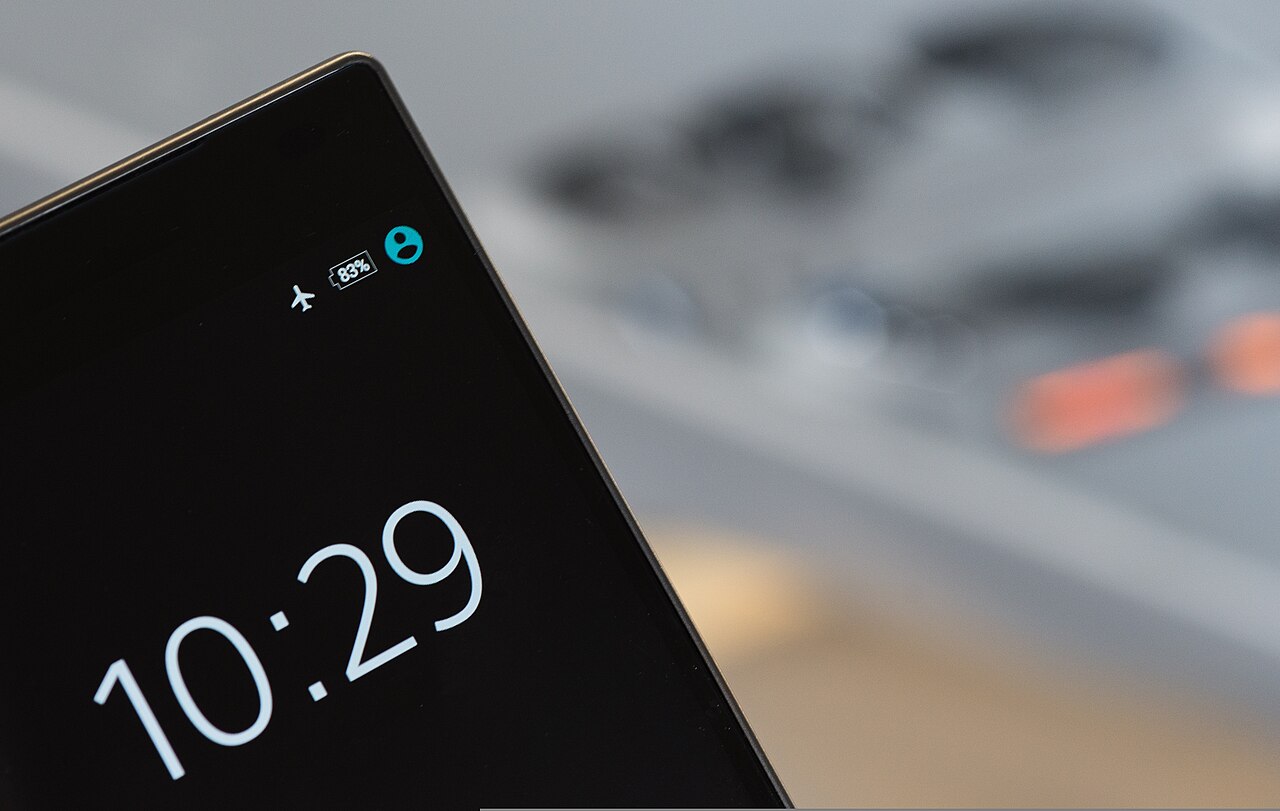
Airplane mode is a setting on phones, tablets, and some laptops that disables the device's cellular transmitter. Once it is on, you can usually switch Wi-Fi and Bluetooth back on individually, so the setting is not really a full radio shutdown on modern devices.
The familiar crew announcement exists because two different US regulators each wrote their own rule about phones on planes, for two different reasons. This article explains what airplane mode switches off, the two regulations behind the requirement, whether a phone can actually endanger a flight, why the rules differ abroad, and what happens if you forget to switch.
What airplane mode actually switches off
Tapping the airplane icon turns off the cellular radio first. That is the part regulators care about: voice calls, SMS over the cellular network, and mobile data all stop working.
On most modern phones, Wi-Fi and Bluetooth can be re-enabled while airplane mode stays on. Apple and Google both let devices remember that preference, so your phone may keep Wi-Fi on automatically the next time you enable airplane mode. That is why the icon is better understood as a "cellular off" switch than a universal kill switch for every radio.
A useful side effect is battery life. A phone that cannot find a network keeps searching, and searching at full power drains the battery fast. In airplane mode the phone stops hunting, so the battery lasts noticeably longer and can charge a bit faster too.
The two regulations behind the requirement
The aviation side of the story is older than the mobile phone. According to FAA guidance on portable electronic devices, the predecessor of today's rule dates to 1961, when portable FM receivers were found capable of interfering with aircraft navigation and communication equipment. The rule was later broadened to cover other portable electronics, with airlines responsible for deciding which devices their aircraft could tolerate.
The cellular side arrived separately. In a 1991 order, the FCC explained that a handset high above the ground has a much greater transmission range than a phone at street level.
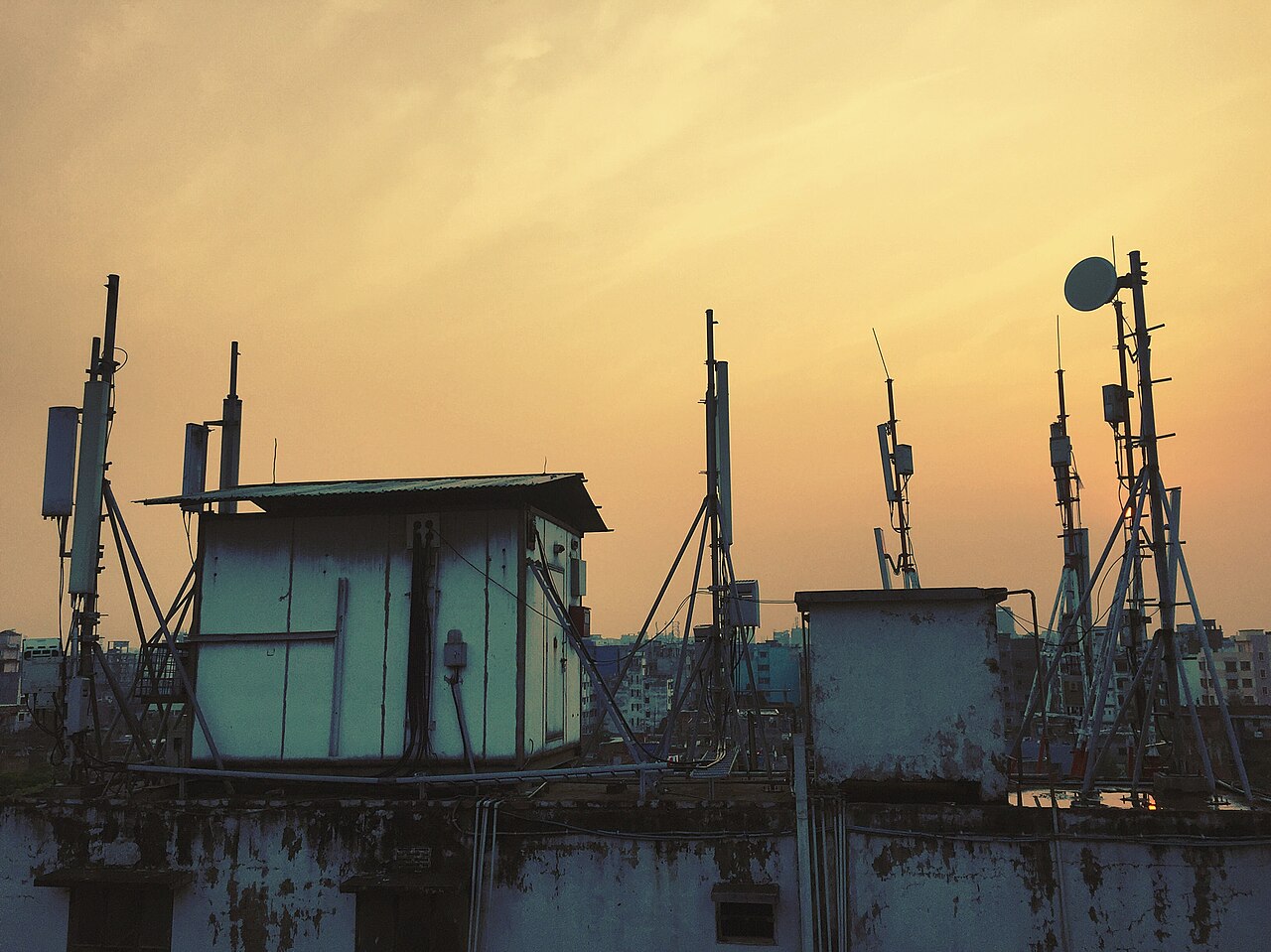
Because cellular networks reuse the same frequencies in different geographic cells, one airborne handset could be received by multiple cell sites and interfere with service in more than one market. The FCC therefore prohibited airborne use of cellular service.
Those two concerns landed on passengers as a single instruction.
The rule lives on in the Code of Federal Regulations: 47 CFR 22.925 states that cellular telephones aboard aircraft "must not be operated while such aircraft are airborne." A separate FCC passage warns that violating the rule could result in suspension of service, a fine, or both. In 2013, the FAA concluded that most commercial aircraft could tolerate emissions from ordinary portable devices, but it kept cellular operation under FCC authority, so the transmitter still had to stay off.
Could your phone endanger a flight
Modern aircraft are built to cope with stray emissions, and no one has demonstrated a phone casually bringing down an airliner. Still, the evidence is messier than either extreme admits.
A NASA review of 14 years of reported portable-device incidents compiled alleged effects on several kinds of aircraft equipment, including reports of aircraft appearing off course despite normal indications and critical events during takeoff and landing. The reports did not prove a passenger's device caused every anomaly, but they were not limited to harmless noise in pilot headsets either.
The system that drew the most recent scrutiny is the radio altimeter, which measures an aircraft's height above the ground. For years there was concern that 5G signals could corrupt its readings, and in July 2026 the FAA issued a final rule requiring radio altimeters in US airspace to be upgraded so they tolerate interference from 5G network signals.
Aviation consultant Vance Hilderman takes the reassuring view. "Some people had some concerns about safety, but all the systems on aircraft have shielding and special designs that ensure that no interference from onboard smartphones can happen," he told the Brussels Times. Regulators, for their part, keep the precaution in place because one setting is easier to communicate and verify than inspecting every handset's radio behavior at the gate.
Why the rules are different abroad
The United States and the European Union now run on different playbooks. The European Commission mandated in 2023 that airlines could offer 5G connectivity on board, using frequencies deemed not to affect aircraft equipment. EU passengers can use mobile data in flight much as they would on the ground.
Voice calls took longer. In March 2026, British Airways began allowing voice and video calls on aircraft equipped with Starlink satellite Wi-Fi, the first time an airline crossed that line. US carriers including United, Hawaiian, and WestJet also fly Starlink-equipped aircraft, but they prohibit voice calls.
Congress may lock the US ban in place. In July 2026, a bipartisan group of representatives introduced the Quiet Skies Act, which would turn the in-flight calling prohibition into statute. If it passes, the difference between American and European cabins becomes a matter of law, not just airline policy.
What happens if you forget to switch
If your phone stays on cellular during a flight, the most likely outcome is nothing dramatic. At cruising altitude the phone usually cannot reach any tower at all, so it simply burns battery searching. Sven Bilen, a professor of engineering at Penn State, has explained that below about 10,000 feet a call or text might connect, though it would keep hopping between towers as the plane moves, producing a poor connection that can also disturb ground networks.
The legal exposure is real even if the safety risk is small. The FCC rules carry possible service suspension and fines, and crews are entitled to insist you comply. Flight attendants cannot easily verify every screen in the cabin, but refusing a direct crew instruction can escalate into a confrontation no traveler wants.
There is also the passenger next to you to consider. Roughly 40 percent of people report some fear of flying, according to Washington Post polling cited by Simple Flying.
The person in 14C hearing your phone chatter away during takeoff is not worrying about 47 CFR 22.925; they are just worrying. Switching to airplane mode costs you nothing and settles everyone around you.
Frequently asked questions
Can you use Wi-Fi while in airplane mode?
Yes, on most flights. Airplane mode switches off the cellular radio, but airlines that offer onboard Wi-Fi expect you to turn Wi-Fi back on after enabling airplane mode. The connection runs through the plane's approved satellite or air-to-ground system, not your phone's cellular radio.
Does airplane mode charge your phone faster?
Slightly. With the cellular radio off and no network searching, the phone draws less power while plugged in, so more of the charger's output goes into the battery. The difference is modest, but on a long trip without seat power, airplane mode plus a power bank is the standard traveler's combination.
Why can Europeans make calls on planes but Americans cannot?
The EU authorized onboard 5G in 2023 on frequencies judged safe for aircraft systems, and British Airways extended that to voice calls over Starlink in March 2026. The US keeps a separate FCC ban on airborne cellular use, rooted in protecting ground cell networks, and the proposed Quiet Skies Act would cement the calling ban in law.
Can your phone actually get a signal at 35,000 feet?
Almost certainly not. Penn State's Sven Bilen has noted that below roughly 10,000 feet a connection is technically possible, though unstable. At cruising altitude the towers are too far away, so the phone just wastes battery trying.
The bottom line
Airplane mode is really two rules wearing one icon: the FCC's ban protects cell towers on the ground from your phone, and the FAA's rules protect the aircraft's instruments from your phone. The requirement is loosening in Europe and tightening into statute in the US, so expect the announcement to survive a while longer. Flip the switch when the crew asks; your battery will thank you too.
Tags: airplane mode, flight safety, FCC, FAA, air travel tips
Rive News's research desk covers air travel, consumer tech, and the regulations that shape them.
Latest in Travel
- Why Do Runways Have Numbers and What Do They Mean?
- Why Do Planes Dump Fuel Before Emergency Landings?
- Why Do Boarding Groups Exist and Do They Actually Work?
- How Do Airports Decide Which Runway to Use?
Get one practical travel explainer in your inbox every morning. Subscribe to the Rive News newsletter.
Related stories

The 3-1-1 liquids rule for planes: what each number means
TSA's 3-1-1 rule limits carry-on liquids to 3.4-ounce containers in one quart bag. Where the 2006 rule came from, what counts, and how

Why Is Airplane Food So Bland at Altitude?
A 2010 Fraunhofer study found altitude cuts sweet and salty perception by up to 30 percent. Low humidity, cabin pressure, and noise all

Carry-on size limits: why airlines each set their own
Airlines set their own carry-on limits because the FAA only requires each carrier to have a policy, not one global size. Why 22 x 14 x